
Freedom
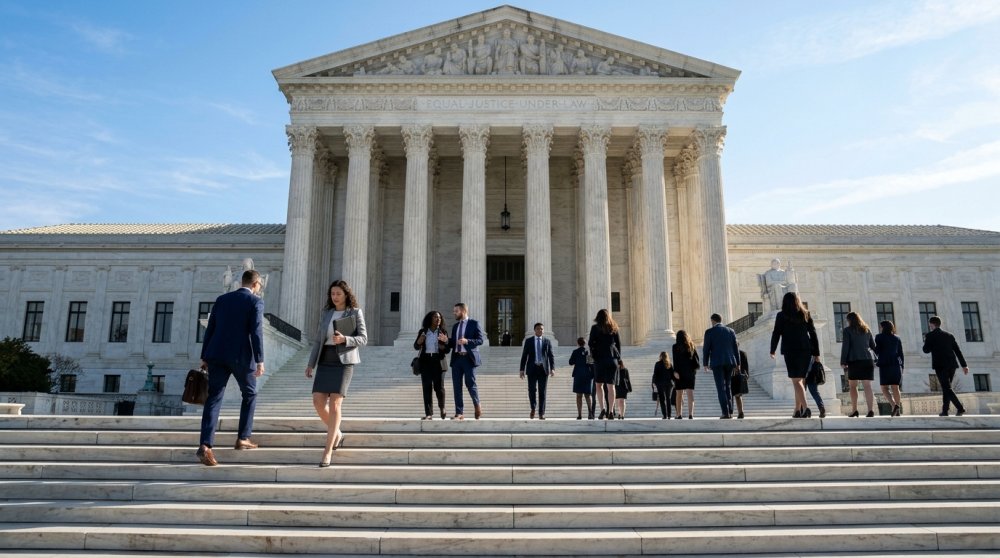
Supreme Court Weighs Colorado’s Exclusion of Catholic Preschools from Universal Program

Faith Facts
- Colorado’s universal preschool program promises a free seat to every 4-year-old yet bars the state’s 34 Catholic preschools from participation.
- Justice Brett Kavanaugh pressed state officials for a “win/win” solution during oral arguments before the Supreme Court.
- The case raises fundamental questions about religious liberty and equal treatment under the law for faith-based educational providers.
Colorado lawmakers crafted a universal preschool program that promises every four-year-old a free seat at taxpayer expense. The plan explicitly excludes the state’s 34 Catholic preschools, effectively forcing families who prefer faith-based education to forgo the benefit or leave their convictions at the door.
During oral arguments at the Supreme Court, Justice Brett Kavanaugh pressed Colorado’s attorneys to explain why the state could not accommodate religious providers. He asked whether a “win/win” arrangement was possible that would allow families to choose Catholic schools without losing the public subsidy. The state offered no answer.
Critics argue that the exclusion reflects an unconstitutional hostility toward religion that treats Catholic teaching as equivalent to racism. Supporters of the program maintain that public funds cannot flow to institutions that hold traditional beliefs on marriage, sexuality, and human life.
Christian leaders across the country see the case as another front in the ongoing struggle to preserve religious liberty in education. They note that Catholic schools have long served disadvantaged communities with strong academic and moral formation rooted in biblical principles.
Let us know what you think, please share your thoughts in the comments below.


Faith Facts
- The Bible teaches that the living cannot communicate with the dead.
- Scripture consistently portrays deceptive spirits as demons, not human souls.
- Believers are called to trust God’s Word over human experiences or feelings.
Many Christians are confused when they hear stories about loved ones appearing after death. These accounts often feel real and emotional, yet they clash with what Scripture actually teaches about the afterlife.
Author David Griffiths addresses this tension directly. He argues that the Bible makes a clear distinction between the living and the dead, warning believers not to seek contact with those who have passed on.
“The Bible is clear that the living and the dead cannot communicate,”
Griffiths writes. This teaching protects Christians from spiritual deception that can arise when grief or curiosity opens the door to experiences outside of God’s design.
Instead of viewing ghosts as harmless spirits of the departed, Griffiths presents them as demonic forces seeking to mislead people. This perspective aligns with traditional Christian understanding that places ultimate authority in Scripture rather than personal encounters.
Many families today wrestle with questions about life after death. When loved ones pass, the desire to connect can feel overwhelming, yet Griffiths encourages believers to rest in the promises of Scripture rather than chase after signs or apparitions.
“Read an alternative view here”
Griffiths notes that the culture often promotes ideas that contradict biblical truth. He urges Christians to hold fast to the Word of God as their guide, especially when emotions run high or spiritual experiences feel convincing.
By grounding discussions about the supernatural in Scripture, believers can avoid confusion and remain anchored in the truth that God has revealed. This approach strengthens faith and protects families from teachings that blur the line between good and evil.
Let us know what you think, please share your thoughts in the comments below.
Faith Facts
- Every law reflects moral commitments, making every vote a moral choice.
- Christians are called to stand for righteousness in public life without coercion.
- Traditional American values rest on biblical principles of justice and freedom.
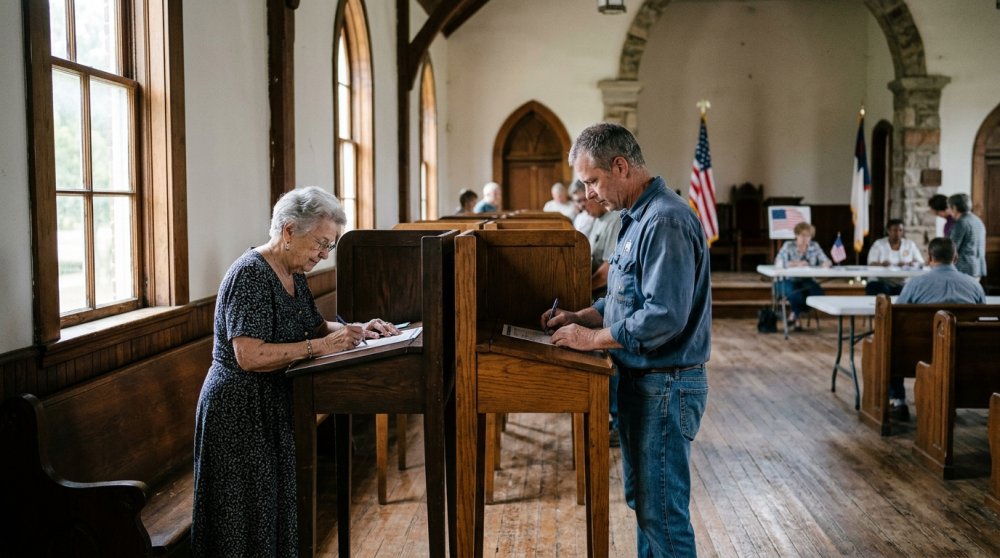
“You can’t legislate morality.” Most of us have heard it. But the phrase is missing a clause: laws themselves rest on moral commitments, which makes every vote a moral choice, for Christians and everyone else.
Let us know what you think, please share your thoughts in the comments below.
Faith Facts
- Angola’s church registration rules are drawing scrutiny from religious freedom advocates who fear smaller Christian communities may be locked out of legal recognition.
- African church leaders discussed the issue at a continental theological symposium in Nairobi.
- Proponents of traditional Christian values argue that such regulations threaten the free exercise of faith across the continent.
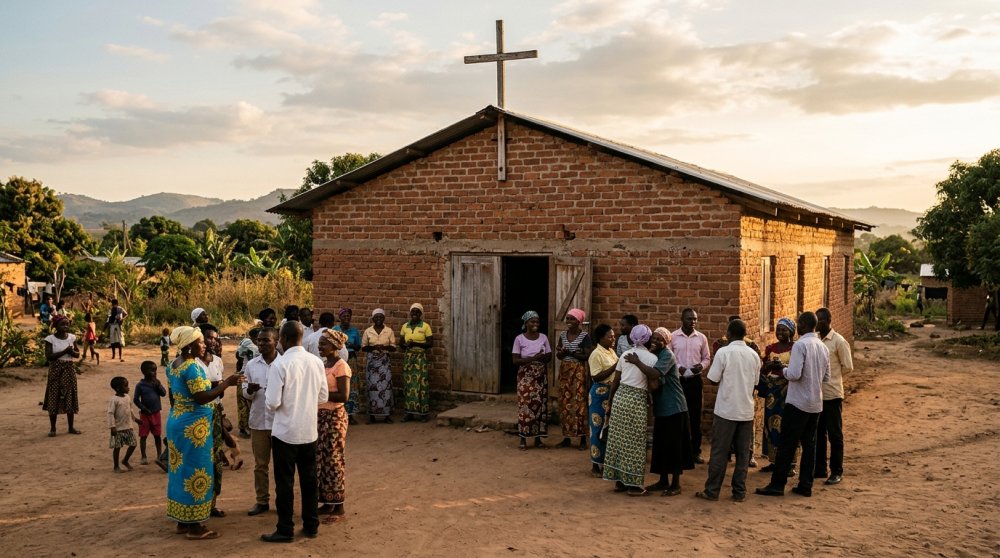
Religious freedom advocates are questioning whether church registration requirements in Angola are making it difficult for smaller Christian communities to gain legal recognition. The concerns surfaced after African church leaders examined the issue at a continental theological symposium in Nairobi.
Critics say the rules create unnecessary barriers that could stifle the growth of independent congregations. They warn that such restrictions undermine the foundational American principle of free exercise of religion.
“Religious freedom is not a privilege granted by the state but a God-given right that governments are duty-bound to protect,”
Christian leaders at the symposium voiced solidarity with Angolan believers. They urged governments to safeguard the ability of churches to worship without undue interference.
“We stand with our brothers and sisters in Angola and pray that their government will uphold the liberty to gather, preach, and serve without fear,”
The symposium highlighted a growing trend across parts of Africa where registration hurdles are complicating the work of smaller denominations. Advocates insist these policies run counter to the biblical call to spread the Gospel freely.
Let us know what you think, please share your thoughts in the comments below.


-

 Self-Reliance2 years ago
Trump’s Bold Move Uncovers Massive Social Security Fraud
-

 Faith2 years ago
New Clues Emerge in Noah’s Ark Mystery
-

 News2 years ago
Governor Walz’s Rhetoric Sparks National Controversy
-

 News2 years ago
Mel Gibson’s ‘The Passion of the Christ’ Sequel Title Announced
-

 Family2 years ago
Texas Lawmaker Targets Furries in Schools
-

 Freedom2 years ago
Maine Lawmaker Challenges Sports Fairness Controversy
-

 Family1 year ago
Canada’s Controversial Policy Sparks Ethical Debate
-
Faith12 months ago
Congress Hears Pleas for Nigerian Christians