
Faith
London’s St Paul’s Cathedral Partners With Nightclub for Concert Series

Faith Facts
- St Paul’s Cathedral has announced a partnership with London nightclub Fabric to host a series of concerts inside the historic church
- The collaboration has sparked debate among Christians about the appropriate use of sacred spaces and the distinction between sacred and secular activities
- Christian leaders are calling for any church event to center on glorifying God and pointing people toward Christ
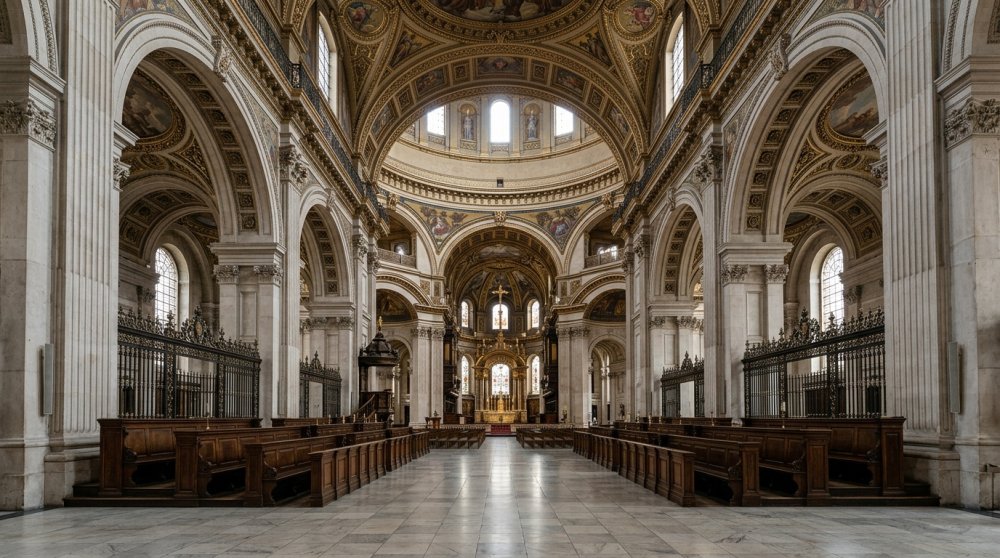
One of Christianity’s most iconic landmarks is facing scrutiny after announcing an unusual partnership that has believers questioning the boundaries of sacred space. St Paul’s Cathedral in London has joined forces with Fabric, a well-known nightclub, to bring a concert series into the historic church building.
The announcement has sparked a passionate conversation within the Christian community about what belongs inside the walls of a house of worship. For many believers, the issue goes far beyond music preferences or cultural engagement—it strikes at the heart of how we honor God in spaces dedicated to His glory.
The debate centers on a fundamental question that churches across the Western world are wrestling with: where is the line between reaching culture and compromising the sacred? Traditional Christians argue that churches should remain set apart, places where every activity points unmistakably toward Christ and His redemptive work.
This isn’t about rejecting music or the arts. Throughout history, the church has been a patron of beautiful music and creative expression. Bach, Handel, and countless other composers created masterworks specifically for worship, using their gifts to elevate hearts and minds toward the divine.
The distinction lies in purpose and direction. When a church hosts an event, the crucial question isn’t whether the music is technically excellent or culturally relevant—it’s whether the event ultimately glorifies God and directs people toward Jesus Christ. A concert that merely entertains, no matter how sophisticated, misses the mark of what a sacred space is designed to accomplish.
Critics of the cathedral’s decision point out that partnering with a secular nightclub sends mixed messages about the church’s mission. While believers are called to be salt and light in the world, that doesn’t mean importing worldly entertainment into sanctuaries meant for worship and prayer.
The concept of sacred space has deep biblical roots. When God instructed Moses to build the tabernacle, every detail mattered because it was a dwelling place for His presence. When Solomon dedicated the temple in Jerusalem, the glory of the Lord filled the house so powerfully that the priests couldn’t even stand to minister.
Churches today may not house the Ark of the Covenant, but they remain set-apart places where believers gather to worship, pray, and encounter God’s presence through His Word and Spirit. Treating these spaces casually or using them primarily for secular purposes risks diminishing their spiritual significance in the eyes of both believers and seekers.
Some defenders of cultural engagement in churches argue that meeting people where they are requires using familiar forms of entertainment and music. But there’s a difference between being culturally aware and allowing culture to dictate the church’s identity and purpose.
The apostle Paul wrote about becoming “all things to all people” to win some to Christ—but he never suggested compromising the gospel message or treating sacred things as common. His missionary strategy involved bold proclamation of truth, not blending into the surrounding culture until the distinction disappeared.
For churches facing similar decisions about programming and partnerships, the standard should be clear: does this activity glorify God and point people toward Christ? If the answer is unclear or negative, it doesn’t belong in a church building, regardless of how many people it might attract or how culturally relevant it might seem.
The church’s calling is not to compete with entertainment venues or prove that Christians can be just as cool as the secular world. The calling is to be faithful witnesses to eternal truth, offering something the world cannot provide—genuine encounter with the living God.
St Paul’s Cathedral stands as a testament to centuries of Christian faith and witness in England’s capital. The building itself, rising from the ashes after the Great Fire of London and standing firm through the Blitz, speaks to the enduring power of the gospel. Every decision about its use should honor that legacy.
Churches have always been places of community gathering, celebration, and culture. But the nature of that culture matters. When Bach’s sacred cantatas filled cathedrals, they didn’t just showcase musical skill—they proclaimed theological truth and directed worshipers’ hearts toward heaven.
The question isn’t whether churches should engage with culture or remain relevant to contemporary society. The question is whether, in that engagement, they maintain their distinctive calling to be houses of prayer, worship, and gospel proclamation.
As Western culture grows increasingly secular and hostile to Christian truth, the temptation to soften the church’s message and blur the lines between sacred and secular will only intensify. But this is precisely the moment when believers must hold firm to biblical standards and refuse to treat holy things as common.
Whatever events fill St Paul’s Cathedral—or any church—they should unmistakably glorify God and point people toward Jesus Christ. Anything less falls short of the purpose for which these sacred spaces exist.
Let us know what you think, please share your thoughts in the comments below.


Faith Facts
- Scottish missionary Jane Haining died at Auschwitz in 1944 after refusing to abandon Jewish children in her care in Budapest
- A memorial plaque was recently unveiled at Auschwitz honoring her ultimate sacrifice for faith and compassion
- Haining is the only Scot recognized by Israel as Righteous Among the Nations for protecting Jews during the Holocaust
A memorial plaque commemorating the extraordinary courage and faith of Scottish Christian missionary Jane Haining has been unveiled at Auschwitz, honoring a woman who gave her life rather than abandon the Jewish children entrusted to her care. The recognition comes decades after her death in the Nazi concentration camp in 1944.
Jane Haining served as matron of the Scottish Mission School in Budapest, Hungary, where she cared for Jewish and non-Jewish children alike during one of history’s darkest periods. When World War II broke out and conditions became increasingly dangerous, Haining was advised to return to Scotland for her own safety.
She refused to leave, telling those who urged her to flee that the children needed her more than ever. Her steadfast commitment to her calling and to the vulnerable children in her care would ultimately cost her everything.
As Nazi persecution of Jews intensified, Haining continued to protect the Jewish girls at the school, treating them with the same love and dignity as all other students. Her actions did not go unnoticed by the authorities, and in 1944, she was arrested by the Gestapo on charges that included working with Jews and listening to the BBC.
Jane Haining was deported to Auschwitz, where she died just months later at age 47. According to witness accounts, she remained faithful and compassionate even in the concentration camp, ministering to others until her final days.
The newly unveiled plaque ensures that her sacrifice will not be forgotten. Haining is the only Scottish person to be recognized by Israel as “Righteous Among the Nations,” an honor bestowed upon non-Jews who risked their lives to save Jews during the Holocaust.
Her story stands as a powerful testament to Christian courage and the call to love one’s neighbor sacrificially. In an era when standing for biblical principles often required choosing between safety and faithfulness, Jane Haining chose faithfulness without hesitation.
The memorial serves as a reminder that true Christian witness sometimes demands the ultimate price, and that one person’s obedience to God’s call can impact generations. Jane Haining’s legacy continues to inspire believers to stand firm in their convictions regardless of the cost.
Let us know what you think, please share your thoughts in the comments below.

Faith Facts
- Paul Greengrass’ new film ‘The Uprising’ examines the dangers of conflating personal vengeance with divine justice
- The movie explores timeless questions about human nature, righteousness, and the cost of revenge through a historical lens
- The narrative challenges viewers to consider how faith can be distorted when mixed with human anger and retribution
Paul Greengrass’ latest film “The Uprising” presents audiences with a provocative examination of one of Christianity’s most enduring moral challenges: the temptation to justify violence in God’s name. The director crafts a visceral, unflinching narrative that forces viewers to confront uncomfortable truths about human nature and spiritual accountability.
The film’s central premise revolves around the dangerous territory where personal conviction meets divine authority. Throughout Christian history, believers have grappled with the tension between earthly justice and heavenly commands, between righteous anger and sinful vengeance.
Greengrass does not shy away from the bloody consequences of such confusion. The movie serves as a stark reminder that when fallen humans convince themselves they are carrying out God’s will, the results can be catastrophic. This is not merely historical fiction—it reflects a pattern repeated throughout human history whenever individuals or groups claim exclusive understanding of divine intention.
The narrative raises critical questions for contemporary Christians. How do we discern between genuine conviction and self-serving justification? What safeguards exist to prevent us from baptizing our own desires with scriptural language? These are not comfortable questions, but they are necessary ones for a faith community committed to truth.
From a theological perspective, the film touches on the fundamental Christian doctrine of human depravity. Scripture is clear that “all have sinned and fall short of the glory of God” (Romans 3:23), yet history demonstrates our persistent tendency to exempt ourselves from this verdict when passion runs high.
The cost of revenge, as portrayed in “The Uprising,” extends beyond the immediate victims. It corrupts the soul of the avenger, damages communities, and distorts the witness of faith itself. This aligns with biblical teaching that vengeance belongs to the Lord alone (Romans 12:19), not because God is vindictive, but because only He possesses the perfect knowledge and righteousness to execute true justice.
Greengrass’ film arrives at a moment when American society faces deep divisions over questions of justice, accountability, and moral authority. Christians on all sides of political and cultural debates would benefit from the film’s cautionary message about the dangers of unchecked certainty.
The movie does not offer easy answers, which may frustrate viewers seeking clear moral guidance. However, this ambiguity reflects the complexity of real-world ethical dilemmas. Discernment requires humility, prayer, and submission to scriptural authority—not just passionate conviction.
“The Uprising” challenges Christian audiences to examine their own hearts and motivations. Are we genuinely seeking God’s will, or are we seeking His endorsement for what we already want to do? This distinction matters profoundly, both for individual spiritual health and for the collective witness of the Church.
The film’s historical setting provides necessary distance for viewers to engage these questions without immediate political defensiveness. Yet the parallels to contemporary conflicts remain unmistakable for those willing to see them.
Ultimately, “The Uprising” serves as a sobering meditation on human pride and divine sovereignty. It reminds us that claiming God’s authority without demonstrating His character—particularly His mercy, patience, and sacrificial love—leads not to righteousness but to ruin.
For Christians committed to both truth and grace, the film offers valuable perspective on the eternal danger of self-righteousness. We are called to be salt and light in a dark world, but that calling demands constant self-examination and repentance, not triumphalist certainty that confuses our will with God’s.
Let us know what you think, please share your thoughts in the comments below.
Faith Facts
- The Global Methodist Church held its General Conference in Africa with over 1,100 attendees from around the world
- The theologically conservative denomination has experienced substantial growth in congregations and regional conferences since its formation
- The conference marks a significant milestone for Christians seeking to preserve traditional biblical teachings on marriage, family, and scriptural authority
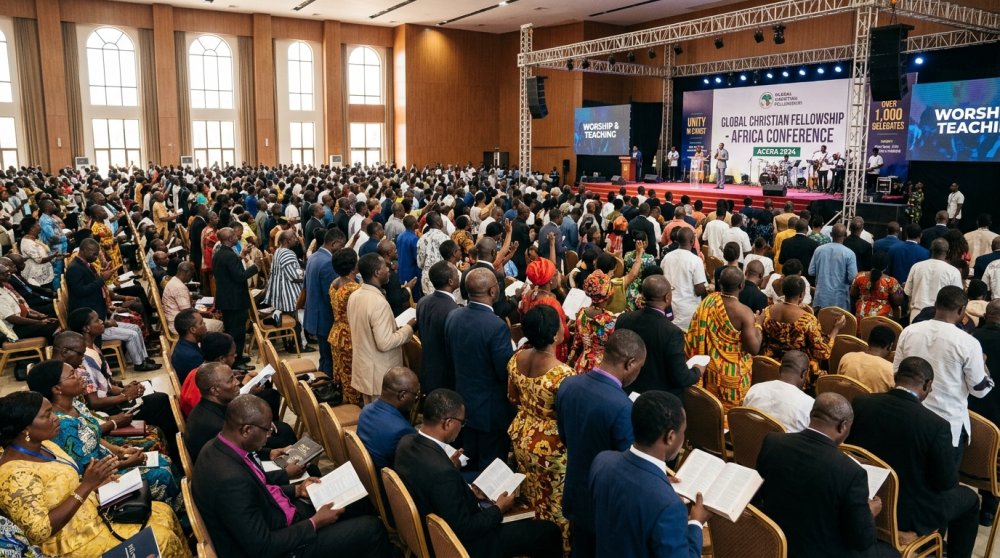
The Global Methodist Church is making waves across the Christian world as it reports remarkable growth in both congregations and regional conferences. The denomination, which stands firmly on biblical principles and traditional Christian values, recently gathered more than 1,100 faithful believers for its General Conference held on the African continent.
This significant gathering represents a powerful testament to the hunger among Christians worldwide for churches that remain anchored in Scripture and refuse to compromise on foundational truths. The conference brought together delegates, pastors, and lay leaders who share a commitment to upholding the authority of God’s Word in an age of increasing cultural pressure to conform.
The Global Methodist Church was formed by congregations and believers who chose to maintain their commitment to biblical orthodoxy, particularly on issues of marriage, human sexuality, and the reliability of Scripture. Their decision to hold this major gathering in Africa underscores the vibrant faith and numerical strength of Christianity on that continent, where traditional Christian values continue to flourish.
The reported growth in congregations signals that many Christians are seeking church homes where historic Christian teaching is not negotiable. Families looking for environments where their children will be taught timeless biblical truths, rather than ever-shifting cultural trends, are finding a refuge in this movement.
Regional conferences have also multiplied, demonstrating that the desire for theologically sound leadership extends across geographic and cultural boundaries. This expansion reflects a broader realignment happening across global Christianity, where believers are increasingly willing to make difficult choices to preserve the integrity of their faith communities.
The success of this conference and the denomination’s growth pattern reveal an important truth: when churches stand firm on Scripture, people respond. Rather than declining into irrelevance as critics predicted, denominations that maintain biblical fidelity are often the ones experiencing vitality and growth, particularly in the global South where Christianity is expanding rapidly.
The choice to convene in Africa also sends a powerful message about the future of global Christianity. While many Western denominations have experienced decline as they’ve drifted from biblical moorings, African Christianity remains robustly committed to traditional teachings and continues to grow exponentially.
For American Christians watching these developments, the Global Methodist Church’s trajectory offers encouragement. It demonstrates that standing for truth, even when it requires sacrifice and separation, can lead to renewal and growth rather than isolation and decline.
The gathering of 1,100 delegates represents countless congregations and millions of believers who have chosen faithfulness over convenience. Their commitment to gathering, organizing, and building structures that will preserve orthodox Christianity for future generations deserves the attention and prayers of all who value biblical truth.
Let us know what you think, please share your thoughts in the comments below.


-

 Self-Reliance1 year ago
Trump’s Bold Move Uncovers Massive Social Security Fraud
-

 Faith1 year ago
New Clues Emerge in Noah’s Ark Mystery
-

 News1 year ago
Governor Walz’s Rhetoric Sparks National Controversy
-

 News1 year ago
Mel Gibson’s ‘The Passion of the Christ’ Sequel Title Announced
-

 Family1 year ago
Texas Lawmaker Targets Furries in Schools
-

 Freedom1 year ago
Maine Lawmaker Challenges Sports Fairness Controversy
-

 Family1 year ago
Canada’s Controversial Policy Sparks Ethical Debate
-
Faith10 months ago
Congress Hears Pleas for Nigerian Christians