
Faith
When Prayer Alone Isn’t the Answer: A Christian Mother’s Journey Through Her Son’s ADHD

Faith Facts
- A recent documentary sparked debate about ADHD’s legitimacy, but medical science confirms it as a real neurological condition
- Dr. Philippa Savage’s son received his ADHD diagnosis in late adolescence after years of struggling
- Churches are called to recognize neurodiversity as part of God’s design and support families navigating these challenges
A controversial documentary on Channel 4 titled “The Great ADHD Myth?” has reignited conversations about the legitimacy of Attention Deficit Hyperactivity Disorder. For Christian families facing this diagnosis, the debate strikes at the heart of how faith communities should respond to medical realities.
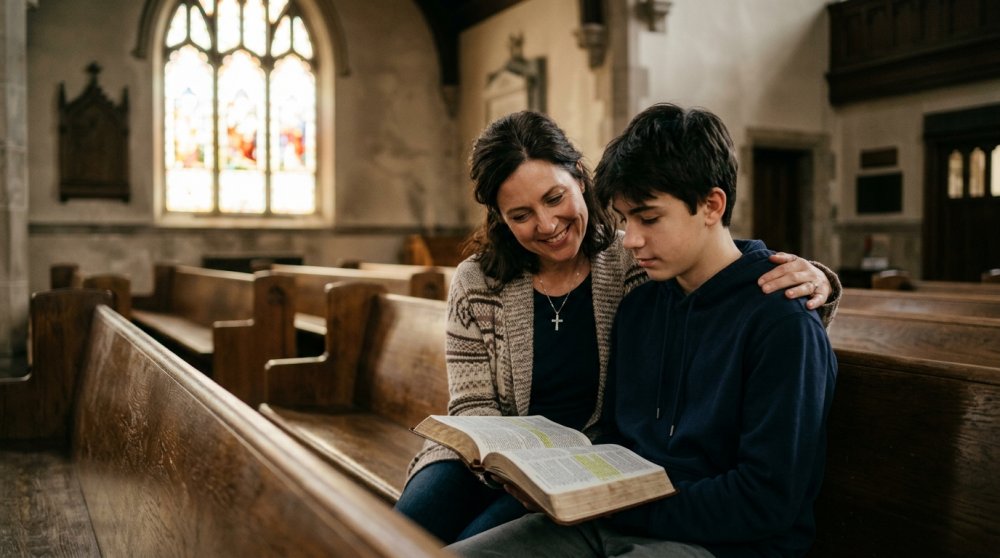
Dr. Philippa Savage knows this tension intimately. Her son received an ADHD diagnosis during his late teenage years, after a childhood marked by struggles that many around them failed to understand.
The documentary’s provocative title suggests ADHD might be fabricated or exaggerated, a claim that troubles both medical professionals and families living with the condition. For Christians, an additional layer of complexity emerges: the relationship between faith, prayer, and medical intervention.
Some well-meaning believers have suggested that ADHD and similar neurodevelopmental conditions can simply be prayed away, as if they were spiritual problems rather than neurological realities. This perspective, while rooted in faith in God’s healing power, can inadvertently shame families and individuals who continue to struggle despite fervent prayer.
Dr. Savage argues that the church must evolve its understanding and response. Rather than dismissing ADHD as a myth or treating it solely as a spiritual deficiency, congregations should recognize neurodiversity as part of the breadth of human experience—and potentially, part of God’s creative design.
The Christian call to stewardship extends to our minds and bodies. Just as believers with diabetes take insulin or those with poor vision wear glasses, Christians with ADHD may benefit from appropriate medical care, behavioral strategies, and therapeutic support. None of these approaches contradicts a robust prayer life or dependence on God.
Churches have an opportunity to become havens of understanding and support for neurodiverse families. This includes recognizing that children and adults with ADHD often possess remarkable gifts: creativity, energy, out-of-the-box thinking, and passionate engagement when their interest is captured.
Creating inclusive environments means more than just acknowledging ADHD exists. It requires practical adjustments: sensory-friendly worship spaces, flexible Sunday school approaches, patience with fidgeting or movement, and mentorship that helps individuals identify and develop their unique strengths.
The biblical principle that each person is “fearfully and wonderfully made” applies to all of God’s children, including those whose brains work differently. Paul’s teaching about the body of Christ having many members with different functions reminds us that diversity—including neurodiversity—strengthens rather than weakens the community of believers.
For parents like Dr. Savage, receiving an accurate diagnosis brought relief and direction after years of confusion. Understanding that their son’s struggles had a neurological basis didn’t diminish their faith; it clarified how to pray more specifically and seek appropriate help more effectively.
The “pray it away” mentality, though often well-intentioned, can inflict deep wounds. It suggests that those who continue to experience symptoms lack sufficient faith, placing an unbearable spiritual burden on top of already challenging circumstances. This approach contradicts the compassion Christ showed to those struggling with conditions others misunderstood.
Christian communities can lead the way in destigmatizing ADHD and other neurodevelopmental conditions. By combining scientific understanding with biblical compassion, churches become places where every person—regardless of how their brain is wired—can discover their purpose and contribute their gifts.
The conversation sparked by the Channel 4 documentary provides an opportunity for believers to examine their assumptions. Rather than retreating into denial or oversimplified spiritual explanations, Christians can model how faith and science work together to serve human flourishing.
ADHD is neither a myth nor a purely spiritual problem. It’s a real condition affecting millions of families who need both practical support and spiritual encouragement. The church’s response should reflect the full truth: that God works through prayer, through medicine, through therapy, and through communities that embrace all His children.
Let us know what you think, please share your thoughts in the comments below.

Faith Facts
- Brazilian pastor returns to Texas church after self-deporting when his visa expired in 2024
- Pastor’s voluntary compliance with immigration law and subsequent legal return demonstrates commitment to both faith and lawful conduct
- Immigration rule change enabled the pastor’s lawful reentry to continue ministry in Texas
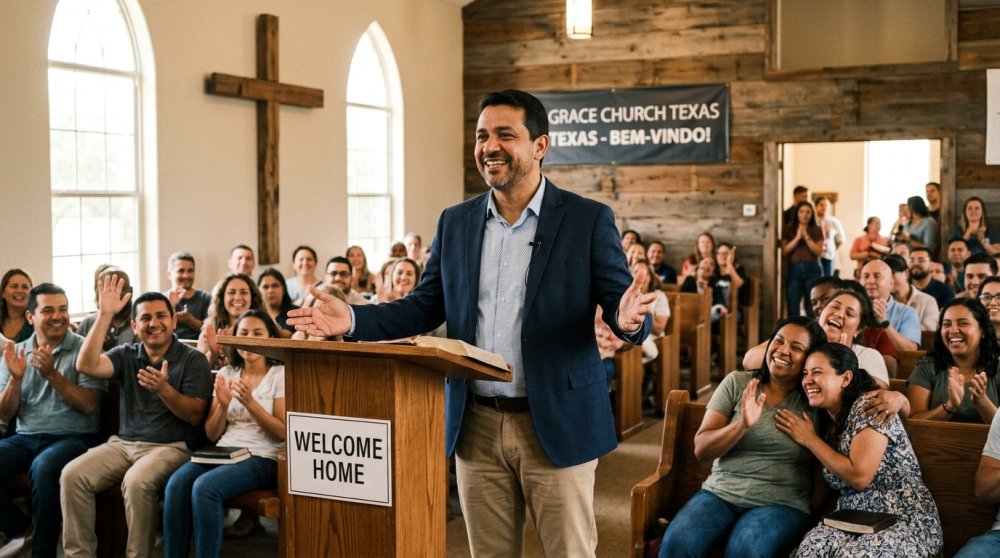
A Brazilian pastor who honored United States immigration law by voluntarily leaving the country when his visa expired has now returned to his Texas congregation, offering a powerful testimony of faith and respect for the rule of law.
The pastor’s journey demonstrates the importance of following proper legal channels while maintaining trust in God’s timing and provision. After his visa expired in 2024, he chose to self-deport rather than remain in the country illegally, a decision that reflected both his commitment to lawful conduct and his faith that God would make a way for his return.
His Texas church community remained steadfast in prayer during his absence, believing that if it was God’s will, their pastor would return to continue the ministry they had built together. That faith was rewarded when changes to immigration rules created a legal pathway for his return.
The pastor’s story stands in stark contrast to narratives that encourage circumventing immigration law. His voluntary compliance with visa requirements, followed by his lawful reentry through proper channels, exemplifies how Christians can honor both their calling and the laws of the land.
The congregation has welcomed their pastor back with joy and gratitude, viewing his return as an answer to prayer and a testament to the principle that doing things the right way, though sometimes difficult, honors God and respects the nation’s sovereignty.
This account highlights the distinction between lawful immigration—which strengthens communities and respects national borders—and illegal immigration, which undermines the rule of law. The pastor’s experience shows that patience, proper procedure, and faith can work together to achieve God’s purposes within the framework of legal immigration.
His ministry in Texas can now continue with the full blessing of both his congregation and the legal system, demonstrating that upholding American immigration law and pursuing Christian ministry are not conflicting goals but complementary commitments.
Let us know what you think, please share your thoughts in the comments below.
Faith Facts
- British authorities are distributing rape awareness leaflets to asylum seekers in an attempt to address cultural differences regarding women’s rights
- Former UK Member of Parliament Miriam Cates argues that Britain’s historic respect for women stems directly from Judeo-Christian values that shaped Western civilization
- The leaflet approach fails to address the deeper spiritual and cultural transformation needed to instill reverence for human dignity and women’s safety
Britain’s response to a troubling pattern of violence against women reveals a nation attempting to solve a spiritual crisis with a pamphlet. The approach exposes how far the West has drifted from the foundational truths that once protected the vulnerable and elevated the dignity of every person.
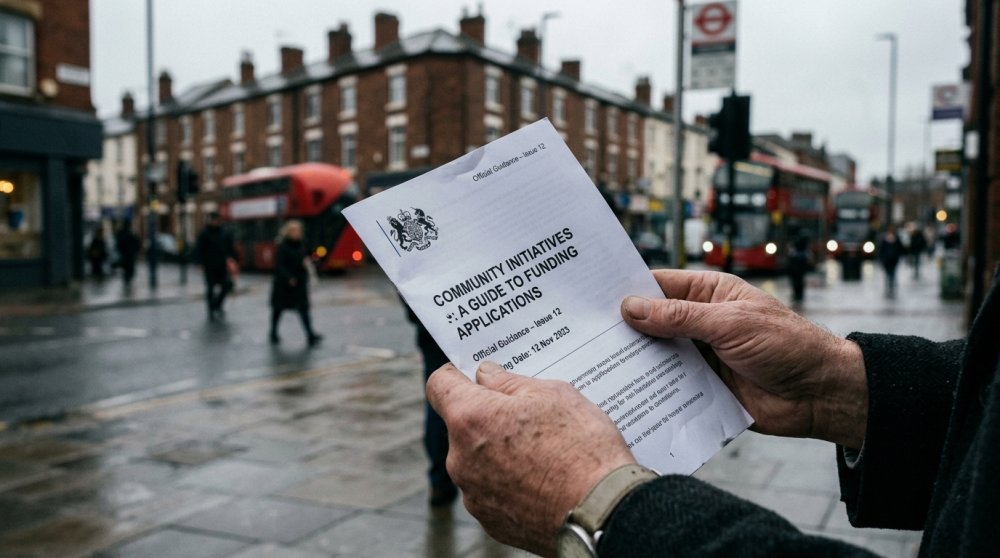
Former Conservative Member of Parliament Miriam Cates has drawn attention to the government’s distribution of rape awareness materials to asylum seekers. The booklets attempt to communicate basic principles about consent and women’s rights — concepts that Western nations long took for granted as self-evident.
“British ideas about the rights of women point to the historic Judeo-Christian values our country is founded on,” Cates explains. “Seeking to change the deep-seated cultural beliefs of some asylum seekers by issuing a booklet just won’t work.”
Her observation strikes at the heart of a contradiction plaguing modern Britain and much of Europe. Nations built on centuries of Christian moral teaching are now discovering that once you abandon the foundation, the structure begins to crumble. The rights and protections women enjoy in Western societies didn’t emerge from secular humanism or government decree — they developed organically from a biblical worldview that recognized every human being as created in the image of God.
For generations, the Christian understanding of human dignity, complemented by the virtue of chastity and the sanctity of marriage, created cultures where women could walk streets safely and expect respect as a matter of course. That safety wasn’t maintained by informational pamphlets but by shared moral conviction rooted in faith.
The leaflet strategy represents the bankruptcy of secular solutions to spiritual problems. Government officials apparently believe that individuals raised in cultures with fundamentally different views of women, sexuality, and human dignity can be reformed through a brief reading assignment. This ignores the reality that worldviews are shaped by religious and cultural formation that runs soul-deep — not by bureaucratic literature.
What made Western civilization safe for women wasn’t merely laws on paper, but the internalized moral framework Christianity provided. Men were taught from childhood that women deserved honor, protection, and respect — not because the government said so, but because Scripture commanded it and the culture reinforced it.
The current crisis illustrates what happens when a nation welcomes people from non-Christian cultures without any expectation or mechanism for genuine cultural and spiritual integration. A leaflet about consent assumes a shared moral foundation that simply does not exist across all cultures. Some worldviews do not recognize the equal dignity of women, and no government handout will change hearts shaped by entirely different religious systems.
Cates’ point is both obvious and controversial in today’s Britain: real change requires transformation at the level of belief, not just behavior modification through information. The Christian faith offers such transformation through the renewing of minds and hearts by the Gospel.
Britain once knew this. Its laws protecting women, its cultural expectations of male honor, and its relatively safe society were all fruits of Christian civilization. As that civilization has been systematically dismantled in favor of secular multiculturalism, the safety women once enjoyed has diminished accordingly.
The solution is not more leaflets but a return to the moral and spiritual framework that made Western nations beacons of human dignity in the first place. That framework is inseparable from the Christian faith that built it. You cannot maintain Christian fruits while cutting down the Christian roots.
For America, the lesson is clear. As our own nation faces similar challenges with immigration and cultural integration, we must recognize that assimilation requires more than paperwork and pamphlets. It requires a commitment to the Judeo-Christian values that made our nation a place where liberty and safety could flourish together.
The West is learning a hard lesson: once you tell people that objective moral truth doesn’t exist, that all cultures are equal, and that traditional Christian sexual ethics are outdated, you lose the ability to insist on standards of behavior. A secular society has no transcendent ground on which to stand when declaring that certain actions are absolutely wrong.
Christianity provides that ground. It declares that every person — male and female — bears the image of God and therefore possesses inherent dignity and worth. It teaches that sexual intimacy is reserved for the covenant of marriage between one man and one woman. It calls men to sacrificial love and protection, not exploitation.
These aren’t just nice ideas; they are the pillars that upheld safe, flourishing societies for centuries. Remove the pillars, and the structure collapses — no matter how many informational pamphlets you distribute in the rubble.
Let us know what you think, please share your thoughts in the comments below.
Faith Facts
- A recent discussion has emerged calling on Christian communities to examine internal issues of abuse and violence rather than focusing solely on external cultural concerns
- The conversation emphasizes the biblical call for self-examination and accountability within the Body of Christ before judging those outside the faith
- Christian leaders are being urged to ensure churches remain safe havens where biblical principles of respect, dignity, and protection for women and children are upheld
The Christian community is facing renewed calls to address serious concerns about abuse and violence within its own congregations. This conversation, while difficult, represents an important opportunity for the Church to demonstrate its commitment to biblical standards of justice, protection, and righteousness.
Scripture is clear about the Church’s responsibility to maintain holiness and protect the vulnerable within its walls. In 1 Corinthians 5:12, the Apostle Paul writes, “What business is it of mine to judge those outside the church? Are you not to judge those inside?”
The discussion centers on ensuring that Christian communities hold themselves to the highest biblical standards when it comes to protecting women, children, and all vulnerable members. Churches have a sacred duty to be places of genuine safety, where predatory behavior is not tolerated and where victims are believed, supported, and given pathways to justice and healing.
Christian conservatives have long championed the importance of strong families, biblical masculinity, and the protection of women and children. These values must begin at home and in our houses of worship. When abuse occurs within Christian settings—whether in homes, churches, or Christian institutions—it represents a profound betrayal of biblical teaching and must be confronted with the full force of church discipline and, when appropriate, legal accountability.
The Bible presents a clear model of godly manhood that stands in stark contrast to any form of abuse or violence. Christian men are called to love their wives as Christ loved the church, giving Himself up for her (Ephesians 5:25). They are instructed to treat women with honor and respect (1 Peter 3:7) and to be protectors, not predators.
Many Christian leaders and ministries have been working diligently to address these concerns. Churches across America are implementing stronger safeguarding policies, providing training for leadership, and creating cultures where abuse is not hidden or minimized. This work must continue and expand.
The challenge before the Church is to demonstrate that Christian values, when truly lived out, create the safest possible environment for women and children. This means zero tolerance for abuse, swift action when allegations arise, full cooperation with legal authorities, and genuine repentance and restoration processes that prioritize victim safety and healing.
At the same time, Christians must recognize that sin is a universal human problem that transcends culture, nationality, or religious background. The doctrine of total depravity teaches that all people, apart from God’s grace, are capable of great evil. This understanding should lead to humility, vigilance, and a commitment to biblical accountability structures.
The Church’s credibility in speaking to cultural issues depends significantly on its willingness to address sin within its own ranks. When Christians call for righteousness in society while tolerating wickedness in their congregations, they undermine their witness and bring reproach upon the name of Christ.
Moving forward, churches must balance grace with truth, mercy with justice. This means supporting victims, holding perpetrators accountable, and creating systems that prevent abuse before it happens. It also means teaching a robust biblical theology of sexuality, marriage, and human dignity that equips young people to recognize and reject abusive patterns.
Christian families and churches should be leading the way in demonstrating what healthy, God-honoring relationships look like. This includes teaching young men about biblical masculinity, sacrificial love, and self-control, while empowering young women to recognize their inherent worth as image-bearers of God.
The Gospel offers hope and transformation even in the darkest circumstances. Churches that take these issues seriously, implement biblical discipline, and create cultures of genuine safety and accountability can become beacons of hope in a broken world.
Let us know what you think, please share your thoughts in the comments below.


-

 Self-Reliance1 year ago
Trump’s Bold Move Uncovers Massive Social Security Fraud
-

 Faith1 year ago
New Clues Emerge in Noah’s Ark Mystery
-

 News1 year ago
Governor Walz’s Rhetoric Sparks National Controversy
-

 News1 year ago
Mel Gibson’s ‘The Passion of the Christ’ Sequel Title Announced
-

 Family1 year ago
Texas Lawmaker Targets Furries in Schools
-

 Freedom1 year ago
Maine Lawmaker Challenges Sports Fairness Controversy
-

 Family1 year ago
Canada’s Controversial Policy Sparks Ethical Debate
-
Faith9 months ago
Congress Hears Pleas for Nigerian Christians