
Faith
OnlyFans Star’s Baptism Reveals Dangerous Misunderstanding of Grace

Faith Facts
- Recently baptized OnlyFans creator Lily Phillips claims Christianity’s message of grace permits her to continue her lifestyle of sexual promiscuity
- Christian leaders emphasize that biblical grace is not permission to continue in sin, but power to turn away from it
- The fundamental misunderstanding of Christian doctrine highlights the urgent need for clear gospel teaching on repentance and transformation
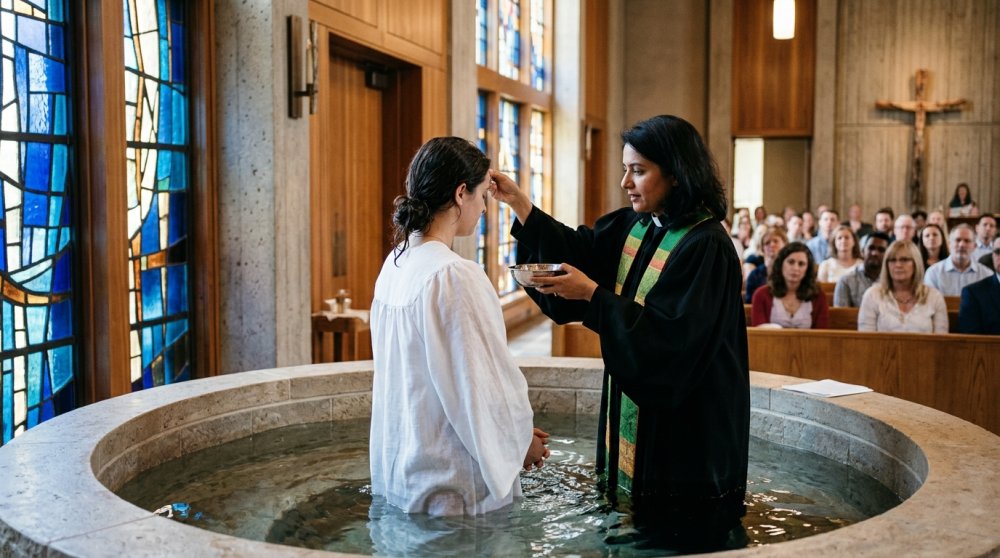
A recently baptized OnlyFans star has ignited controversy within Christian circles by claiming that the grace of Christianity allows her to continue her lifestyle of extreme sexual promiscuity. Lily Phillips, who has made headlines for sleeping with thousands of men as part of her adult content business, argues that because Christianity emphasizes “non-judgement,” she can maintain both her faith and her career.
This troubling interpretation of Christian doctrine reveals a fundamental misunderstanding of what the gospel actually teaches about grace, repentance, and transformation. While it’s true that Christianity offers radical grace and forgiveness, this grace is never presented in Scripture as permission to continue living in deliberate sin.
The apostle Paul addressed this exact misconception in his letter to the Romans, asking rhetorically:
“What shall we say, then? Shall we go on sinning so that grace may increase? By no means! We are those who have died to sin; how can we live in it any longer?”
Throughout the New Testament, grace is consistently portrayed not as license for continued sin, but as the power to be freed from sin’s bondage. When Jesus encountered the woman caught in adultery, He offered her forgiveness and protection from condemnation—but His final words to her were clear:
“Go now and leave your life of sin.”
This is the pattern of biblical grace: unconditional love paired with a call to transformation. Christ meets us where we are, but His love is too powerful to leave us there. True Christian freedom isn’t the freedom to do whatever we want; it’s freedom from the slavery of sin to live according to God’s good design.
Phillips’ claim that Christianity is fundamentally about “non-judgement” also misrepresents the faith. While Christians are indeed called not to condemn others—recognizing our own sin and need for grace—the faith absolutely requires moral discernment and the ability to identify sin for what it is. Jesus Himself spoke extensively about sin, holiness, and the narrow path that leads to life.
The Christian message has always included both mercy and repentance. John the Baptist prepared the way for Jesus by preaching “a baptism of repentance for the forgiveness of sins.” When Jesus began His public ministry, His message was:
“Repent, for the kingdom of heaven has come near.”
Repentance—a genuine turning away from sin—has always been inseparable from authentic Christian faith. Baptism itself symbolizes dying to the old life and being raised to walk in newness of life. It represents a clean break with the past, not simply adding Jesus to an unchanged lifestyle.
This isn’t to say that Christians achieve instant perfection or never struggle with sin. The Christian life involves ongoing sanctification—a lifelong process of becoming more like Christ. But there’s a vast difference between struggling against sin while desiring to honor God, and willfully continuing in sin while claiming God’s grace as a cover.
The biblical concept of grace is revolutionary precisely because it offers both complete forgiveness and complete transformation. God’s love is powerful enough to forgive the worst sins and to change the hardest hearts. But receiving that grace requires acknowledging our sin, not justifying it.
Phillips’ misunderstanding is unfortunately not unique in contemporary culture. Many have embraced a version of Christianity that emphasizes God’s love while dismissing His holiness, that celebrates His mercy while ignoring His call to righteousness. This selective reading of Scripture creates a false gospel that can neither save nor transform.
The truth is that God’s standards for sexual morality haven’t changed. Throughout Scripture, from Genesis to Revelation, God’s design is clear: sexual intimacy is reserved for the covenant relationship of marriage between one man and one woman. Any sexual activity outside this context—whether fornication, adultery, or prostitution—is identified as sin.
But here’s the beautiful reality of the gospel: no sin is beyond God’s forgiveness, and no sinner is beyond His reach. The same grace that can forgive sexual sin can also free someone from it. The same power that raised Jesus from the dead is available to raise us from our spiritual death and give us new life.
What Phillips needs—what we all need—is not a watered-down Christianity that makes peace with sin, but the full gospel that offers both forgiveness and freedom. She needs to understand that God’s grace is not indifference to her choices, but His loving desire to bring her into the abundant life He designed for her.
True Christianity calls us to count the cost and follow Jesus wholeheartedly. It demands that we surrender our lives completely to Him, trusting that His ways are better than our ways. This isn’t burdensome legalism; it’s the pathway to genuine freedom and joy.
For those who have been living in sexual sin—whether in the sex industry or any other context—the message of Christianity is one of hope. You are not defined by your past. You are not beyond redemption. God’s grace is sufficient to forgive you completely and His power is sufficient to transform you entirely.
But that transformation requires genuine repentance—not just regret for consequences, but a heartfelt turning away from sin and toward God. It requires submitting every area of life, including sexuality, to Christ’s lordship.
The church must speak this truth with both clarity and compassion. We must reject the false choice between truth and love, recognizing that the most loving thing we can do is speak the truth clearly. We must welcome sinners as Jesus did, while also calling them to transformation as Jesus did.
Phillips’ public statements reveal how desperately our culture needs clear, biblical teaching on the nature of grace, repentance, and Christian discipleship. Too many people have heard a gospel without cost, a Christianity without cross-bearing, a grace without transformation.
The real gospel is far more challenging—and far more beautiful—than this counterfeit. It demands everything and offers everything. It calls us to die to ourselves and promises us resurrection life. It requires us to turn from sin and empowers us to walk in holiness.
This is the message Phillips needs to hear, and it’s the message our entire culture needs to hear. Grace is not permission to keep sinning. Grace is the power to stop.
Let us know what you think, please share your thoughts in the comments below.

Faith Facts
- Bethel Church Senior Leader Bill Johnson has married Linda Francoeur, four years after the 2022 death of his first wife, Beni Johnson
- Beni Johnson passed away in 2022 after a courageous battle with cancer, leaving a profound legacy in the Christian community
- The marriage represents a new season of life for the prominent church leader who has ministered to millions worldwide
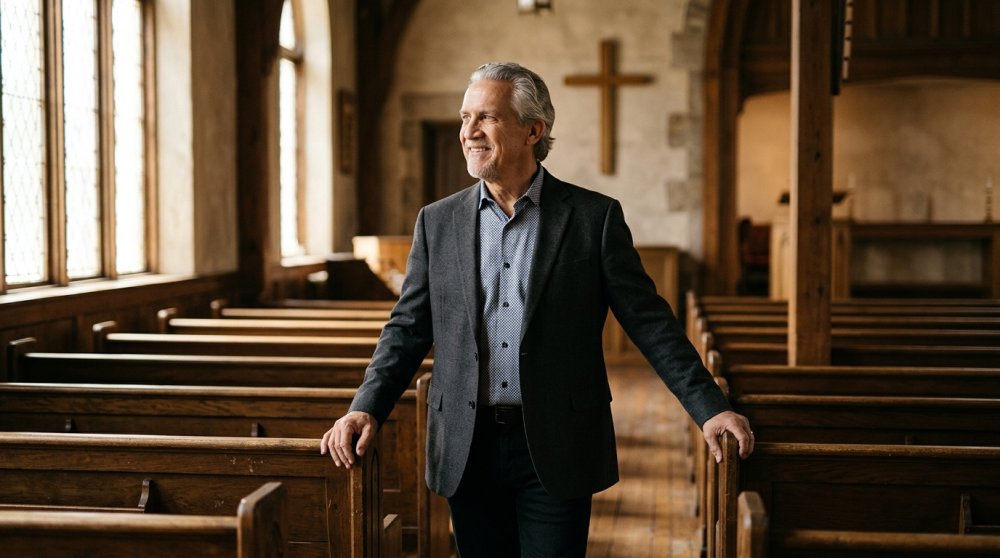
Bill Johnson, the senior leader of Bethel Church in Redding, California, has entered a new chapter of his life by marrying Linda Francoeur. The wedding comes four years after Johnson lost his beloved first wife, Beni Johnson, who passed away in 2022 following a lengthy and courageous battle with cancer.
The Johnson family has been a pillar of the Christian community for decades, with both Bill and Beni serving together in ministry and touching countless lives through their teaching, worship, and leadership. Beni’s passing left a deep void in the hearts of those who knew her and were impacted by her faithful service to God’s kingdom.
Bill Johnson has continued to lead Bethel Church with dedication and vision, maintaining his commitment to spreading the Gospel and equipping believers for ministry. The church has grown into one of the most influential worship and ministry training centers in the evangelical world, attracting Christians from across the globe.
The marriage to Linda Francoeur marks a season of renewal and hope for Johnson. Scripture reminds us that God’s mercies are new every morning and that He brings beauty from ashes, offering restoration and new beginnings even after seasons of deep loss and grief.
The Christian community has long recognized that remarriage after the death of a spouse is biblically sound and can be part of God’s plan for healing and continued service. Many believers have expressed joy and support for Johnson as he embarks on this new journey of companionship and partnership in both life and ministry.
Johnson’s example demonstrates that even in the midst of profound loss, God remains faithful and continues to write beautiful stories in the lives of His children. His willingness to embrace this new season while honoring the memory of his late wife reflects a heart that trusts in God’s timing and provision.
The leadership at Bethel Church continues to impact the broader Body of Christ through worship music, conferences, and ministry training programs. Johnson’s personal journey of loss, healing, and new beginnings may serve as an encouragement to others walking through similar seasons of grief and restoration.
Let us know what you think, please share your thoughts in the comments below.

Faith Facts
- Archaeologists discovered a 1,500-year-old Christian amulet containing a thin gold sheet during excavations in central Turkey.
- Researchers believe the gold inscription may contain a passage from the Bible, reflecting the deep faith practices of early Christians.
- The artifact provides tangible evidence of how believers in ancient times carried Scripture close to their hearts as protection and spiritual encouragement.
A remarkable discovery in central Turkey is shedding new light on the devotional practices of early Christians. Archaeologists working at an ancient settlement site have unearthed a Christian amulet dating back approximately 1,500 years, containing a delicate sheet of gold that researchers suspect bears Biblical text.
The find offers a powerful testament to the enduring importance of Scripture in the lives of believers throughout history. Early Christians, facing persecution and hardship, often carried portions of God’s Word with them as a source of comfort, protection, and spiritual strength.
While the exact Biblical passage inscribed on the gold sheet has not yet been confirmed, the discovery underscores the central role that Scripture played in the daily lives of ancient believers. These wearable amulets served as tangible reminders of God’s promises and presence, much as modern Christians carry pocket Bibles or Scripture cards today.
The excavation site in central Turkey has long been recognized as an important center of early Christian activity. This region was home to some of the first Christian communities established after the resurrection of Christ, and artifacts like this amulet help paint a picture of how the faith was lived and preserved during those formative centuries.
The use of gold for the inscription reflects both the value placed on God’s Word and the craftsmanship dedicated to preserving it. Despite the passage of fifteen centuries, the artifact has survived, standing as a witness to the permanence of Biblical truth and the faithfulness of those who treasured it.
For Christians today, discoveries like this serve as encouraging reminders that we are part of an unbroken chain of believers stretching back to the earliest days of the Church. The same Scriptures that provided hope and guidance to Christians in ancient Turkey continue to transform lives around the world today.
As researchers continue their work to decipher the text on the gold sheet, the Christian community can celebrate this tangible connection to our spiritual ancestors. Their devotion to Scripture, even in the face of adversity, remains an inspiring example for believers navigating the challenges of the modern world.
Let us know what you think, please share your thoughts in the comments below.
Faith Facts
- Billy Graham’s 1957 New York crusade lasted 16 weeks, drawing over 2.3 million people and marking the largest religious gathering in American history
- Pastor D. James Kennedy founded Coral Ridge Presbyterian Church and pioneered Evangelism Explosion, training millions worldwide in sharing their faith
- William Paley, whose baptism occurred this week in history, became a leading theologian whose work influenced Christian apologetics for generations
This week marks several pivotal moments in American Christian history, moments that shaped our nation’s spiritual heritage and continue to inspire believers today. From massive evangelistic crusades to the passing of influential Christian leaders, these events remind us of God’s faithfulness across generations.
Billy Graham’s Historic New York Crusade Concludes
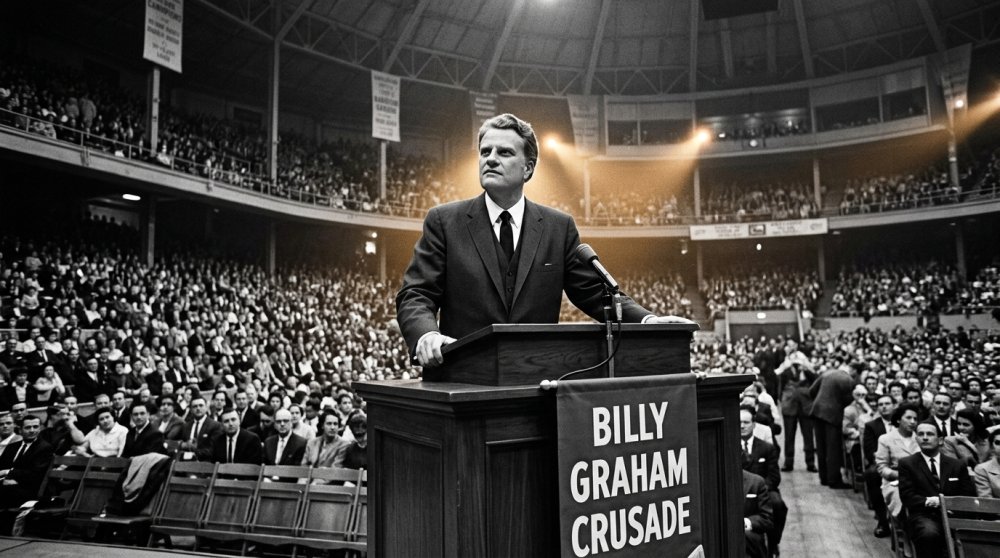
On September 1, 1957, Billy Graham concluded what would become one of the most significant evangelistic crusades in American history. For 16 weeks, Graham preached nightly at Madison Square Garden in New York City, drawing over 2.3 million people.
The crusade wasn’t without opposition. Some liberal clergy criticized Graham’s conservative message, while others questioned whether lasting spiritual fruit would come from such large gatherings. Yet the results spoke for themselves.
More than 60,000 people made decisions for Christ during the crusade, which was extended multiple times due to overwhelming public interest. The event demonstrated America’s spiritual hunger and showcased the power of bold, biblical preaching in the heart of the nation’s largest city.
Graham’s New York crusade became a template for modern mass evangelism and proved that traditional Christian values resonated with Americans across all walks of life, even in the most sophisticated urban centers.
Remembering D. James Kennedy
On September 5, 2007, Dr. D. James Kennedy passed away at age 76, leaving behind a remarkable legacy of faith and evangelism. Kennedy founded Coral Ridge Presbyterian Church in Fort Lauderdale, Florida, which grew from a handful of families to one of America’s largest Presbyterian congregations.
Kennedy’s most enduring contribution may be Evangelism Explosion, a systematic approach to sharing the Gospel that has trained millions of Christians worldwide. His question, “If you were to die today and stand before God and He were to say to you, ‘Why should I let you into My heaven?’ what would you say?” became familiar to believers across the globe.
A champion of Christian education and religious liberty, Kennedy also founded Westminster Academy and Knox Theological Seminary. He understood that preserving America’s Christian heritage required both evangelism and the training of future generations in biblical truth.
Kennedy’s television ministry, “The Coral Ridge Hour,” brought Reformed theology and conservative Christian values into millions of homes, making complex theological concepts accessible to everyday believers.
William Paley’s Baptism
William Paley, the influential English clergyman and philosopher, was baptized on September 3, 1743. Though he lived in an earlier era, Paley’s work continues to impact Christian apologetics today.
Paley is best known for his “watchmaker analogy,” which argued that the complexity and design evident in nature point to an intelligent Creator, just as a watch implies a watchmaker. This argument remains central to discussions about faith and science.
His writings defended orthodox Christian belief during the Enlightenment period, when faith faced increasing intellectual challenges. Paley demonstrated that Christianity could withstand rigorous philosophical scrutiny and rational examination.
Lessons for Today’s Church
These historical moments offer valuable lessons for contemporary Christians. Billy Graham showed that bold, uncompromising Gospel preaching can reach even the most secular environments. D. James Kennedy demonstrated the power of equipping ordinary believers to share their faith effectively.
William Paley’s intellectual defense of Christianity reminds us that faith and reason are not enemies but allies in proclaiming truth.
As we face challenges to religious liberty and traditional values today, these examples from Christian history encourage us to remain faithful, speak boldly, and trust God’s providence. The same Spirit that empowered these men continues to work through believers who commit themselves to the Great Commission.
The impact of faithful Christian witness extends far beyond individual lifetimes, shaping nations and cultures for generations to come.
Let us know what you think, please share your thoughts in the comments below.


-

 Self-Reliance1 year ago
Trump’s Bold Move Uncovers Massive Social Security Fraud
-

 Faith1 year ago
New Clues Emerge in Noah’s Ark Mystery
-

 News1 year ago
Governor Walz’s Rhetoric Sparks National Controversy
-

 News1 year ago
Mel Gibson’s ‘The Passion of the Christ’ Sequel Title Announced
-

 Family1 year ago
Texas Lawmaker Targets Furries in Schools
-

 Freedom1 year ago
Maine Lawmaker Challenges Sports Fairness Controversy
-

 Family1 year ago
Canada’s Controversial Policy Sparks Ethical Debate
-
Faith9 months ago
Congress Hears Pleas for Nigerian Christians