
Faith
Pastor Who Lost Everything Rebuilds Church From the Ashes

Faith Facts
- Former megachurch pastor Tavner Smith is raising funds for a new building for Hope House Church in Georgia, four years after losing his Tennessee church.
- Smith stepped down from Venue Church in Chattanooga in 2021 following an adulterous affair with a staff member, leading to foreclosure and bankruptcy.
- The pastor has publicly addressed his past moral failures while working to rebuild his ministry and serve a growing congregation.
Redemption stories have always been central to the Christian faith, and one pastor’s journey from public scandal to spiritual rebuilding is raising both eyebrows and questions about restoration in church leadership.
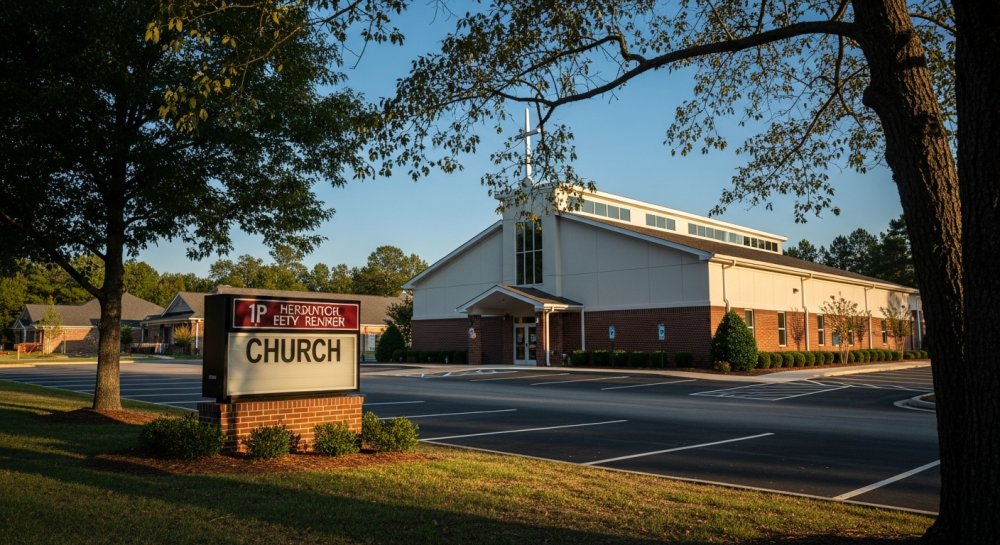
Tavner Smith, who once led a thriving megachurch in Tennessee, is now fundraising to secure a permanent home for his Georgia-based Hope House Church. The effort comes four years after his moral failure cost him his previous ministry, his building, and nearly his calling.
In 2021, Smith resigned from Venue Church in Chattanooga after admitting to an adulterous relationship with a member of his staff. The scandal triggered a cascade of consequences: the church lost its building to foreclosure, filed for bankruptcy, and Smith’s reputation lay in ruins. For many pastors, such a fall would mark the end of public ministry.
But Smith chose a different path—one marked by confession, counseling, and what he describes as genuine repentance. Rather than disappearing from ministry entirely, he relocated to Georgia and began Hope House Church, starting small with a handful of believers willing to give him another chance.
Now, that small gathering has grown, and Smith is actively seeking financial support to purchase a dedicated church building. The fundraising campaign has reignited debate within Christian circles about the biblical standards for pastoral restoration and whether certain moral failures should permanently disqualify someone from leadership.
Supporters of Smith point to the Christian doctrine of grace and redemption, emphasizing that no sin is beyond God’s forgiveness. They argue that after appropriate accountability, counseling, and demonstrated fruit of repentance, fallen leaders can be restored to ministry—particularly in new contexts where proper boundaries and oversight exist.
Critics, however, reference scriptural passages that establish high moral standards for church elders, particularly regarding family faithfulness and public reputation. They question whether someone who violated trust in such a significant way can ever fully regain the moral authority required for pastoral leadership, regardless of genuine repentance.
The situation highlights broader concerns about accountability structures in independent churches, where pastors often operate with limited oversight. When moral failures occur, restoration processes can vary wildly—some churches have rigorous protocols, while others lack any formal guidelines.
For traditional Christians who value both grace and accountability, cases like Smith’s present a challenging tension. Scripture clearly teaches that God forgives repentant sinners completely. Yet it also establishes that church leaders are held to higher standards precisely because their influence is so significant and the potential for harm so great.
The question isn’t whether Smith deserves God’s forgiveness—that’s already available through Christ. The question is whether return to pastoral leadership is appropriate, or whether other forms of Christian service might better honor both biblical standards and the protection of God’s people.
As Hope House Church grows and Smith pursues this new building, the Christian community watches to see what kind of accountability structures surround this restoration effort. True redemption stories include not just forgiveness, but also wisdom, humility, and safeguards that protect both the restored leader and those he serves.
Churches considering how to handle leadership failures would do well to establish clear restoration processes before crisis hits—processes that honor grace without compromising the biblical qualifications for shepherding God’s flock. The path forward requires both compassion and conviction, extending mercy while maintaining the high standards scripture demands of those who would lead.
Let us know what you think, please share your thoughts in the comments below.

Faith Facts
- Church members often struggle when pastoral leadership doesn’t respond to their sincere counsel or concerns
- Biblical wisdom teaches that submission to spiritual authority requires discernment, prayer, and trust in God’s sovereign plan
- Understanding the proper relationship between congregation members and pastoral leadership strengthens church unity and spiritual growth
Every faithful church member has faced this difficult moment. You’ve brought a concern before your pastor with genuine care, bathed it in prayer, and offered thoughtful counsel. Yet weeks pass, and nothing changes. The advice goes unheeded, the concern unaddressed. What does this mean for your relationship with church leadership, and how should a believer respond?
This common experience touches on fundamental questions about authority, humility, and the nature of the local church. It can test our patience, challenge our understanding of leadership, and even threaten our commitment to the body of believers we call home.
The Bible provides clear guidance about spiritual authority within the church. Hebrews 13:17 instructs believers to “obey your leaders and submit to them, for they are keeping watch over your souls, as those who will have to give an account.” This doesn’t mean pastors are infallible or that every decision they make is beyond question. Rather, it establishes a structure where leadership carries both authority and accountability before God.
When your counsel goes unheeded, the first response should be self-examination and prayer. Consider whether your advice was truly biblical, whether it was offered in the right spirit, and whether it aligned with the church’s mission and values. Sometimes what we perceive as wisdom may simply reflect personal preference rather than scriptural mandate.
Pastors bear tremendous responsibility for the spiritual welfare of their congregations. They must weigh countless voices, discern God’s direction, and make decisions that affect the entire body. Your perspective, while valuable, represents one voice among many that leadership must consider in prayer and consultation with fellow elders or pastoral staff.
There are, however, legitimate times when pastoral decisions warrant further action. If the issue involves clear biblical error, moral compromise, or abuse of authority, Scripture provides pathways for accountability. Matthew 18 outlines a process for addressing sin within the church that can apply to leadership when necessary. Many churches also have elder boards, denominational structures, or congregational governance that provides checks on pastoral authority.
Yet in most cases, when counsel goes unheeded on matters of preference or strategy, the godly response is trust and patience. God sovereignly places leaders in their positions, and He is fully capable of directing them without our intervention. Our role is to pray faithfully for our pastors, support their ministry, and trust that God will guide His church.
This doesn’t mean suppressing genuine concerns or abandoning critical thinking. Rather, it means submitting our wisdom to God’s providence and recognizing that church leadership often involves information and considerations we may not fully understand. Pastors wrestle with personnel issues, financial constraints, theological nuances, and timing factors that may not be apparent to the broader congregation.
If you find yourself consistently at odds with your church’s direction, it may indicate either a need for deeper conversation with leadership or possibly that God is redirecting you to another fellowship. Not every disagreement signals departure, but persistent, fundamental conflicts over doctrine or direction sometimes reflect genuine incompatibility rather than simple misunderstanding.
The unity of the church remains paramount. Paul’s letters repeatedly emphasize the importance of believers maintaining peace and pursuing common purpose. When we’ve offered counsel in good faith and it’s been declined, we honor God by maintaining unity, continuing to serve, and entrusting outcomes to His sovereign care.
Remember that your pastors face spiritual warfare, carry heavy burdens, and need your prayers more than your correction. Behind every leadership decision lies hours of prayer, study, and counsel that congregation members rarely witness. The grace we hope to receive in our own areas of responsibility is the same grace we should extend to those who shepherd God’s flock.
Ultimately, Jesus Christ is the head of His church, and He builds it according to His purposes. When our wisdom goes unheeded by human leaders, we can trust that our perfect Leader sees all, knows all, and works all things together for the good of those who love Him and are called according to His purpose.
Let us know what you think, please share your thoughts in the comments below.
Faith Facts
- Rebel militants backed by Islamic extremist groups killed a Christian pastor in Sudan’s South Kordofan state on July 24
- The attack occurred in the Nuba Mountains region, an area known for ongoing persecution of Christians
- Additional church members were abducted during the same militant raid
Islamic extremist-backed militants executed a Christian pastor and abducted several others in a violent raid in Sudan’s Nuba Mountains region. The attack, which took place in South Kordofan state, represents the latest assault on religious freedom in a region where Christians have faced systematic persecution.
Local church sources confirmed the martyrdom of the pastor, whose faithfulness to the Gospel cost him his life at the hands of rebel forces aligned with radical Islamic groups. The brutal killing underscores the dangerous reality facing Christian communities throughout Sudan, where believers continue to worship despite threats to their safety and lives.
The Nuba Mountains have long been a battleground where Christians face violence and oppression from forces seeking to impose Islamic law and eliminate Christian presence. Believers in the region demonstrate extraordinary courage, maintaining their witness for Christ even as they endure kidnappings, executions, and forced displacement.
This attack follows a pattern of religious persecution that has plagued Sudan for decades, with Christian pastors and church leaders frequently targeted for their refusal to abandon their faith. The abduction of additional church members during the raid raises urgent concerns about their welfare and the need for international intervention to protect religious minorities.
The persecution of Christians in Sudan demands the attention and prayers of believers worldwide. American Christians must remain vigilant in advocating for our brothers and sisters facing martyrdom and standing firm in support of religious freedom as a fundamental human right that transcends borders.
Let us know what you think, please share your thoughts in the comments below.

Faith Facts
- An evangelical pastor in Ceuta, Spain is calling on Christians worldwide to intercede in prayer as a migration crisis unfolds in the Spanish enclave
- Thousands of migrants surged into the city, creating chaos for residents and overwhelming local authorities before many were turned back
- The death toll continues to rise as the city works to restore order and address humanitarian concerns at its border
A Christian leader in the Spanish city of Ceuta is mobilizing the global Church to pray as his community grapples with the aftermath of a massive migrant surge. The evangelical pastor’s call comes as the enclave slowly returns to normalcy following days of upheaval that left residents shaken and authorities scrambling to respond.
The crisis in Ceuta highlights the ongoing challenges facing border communities and the need for wisdom, compassion, and divine intervention. The pastor is asking believers to lift up not only the migrants who made the dangerous journey, but also the local residents whose lives were disrupted and the officials tasked with managing an impossible situation.
As families in Ceuta work to rebuild their sense of security and normalcy, the Christian community is being reminded of its calling to pray for those in authority and for the vulnerable. The pastor’s appeal reflects a biblical approach to crisis — one that acknowledges both the rule of law and the dignity of every human life.
The death toll from the incident continues to climb, underscoring the human cost of border chaos and failed migration policies. Many migrants who entered the city have since been turned back, but the impact on the community remains significant.
Christian leaders emphasize that prayer is not a passive response but a powerful tool for change. They are calling on believers to pray for governmental wisdom, protection for vulnerable populations, and lasting solutions that honor both national sovereignty and human dignity.
The situation in Ceuta serves as a reminder that border security and humanitarian concerns are not mutually exclusive. Faith communities have a unique opportunity to model compassionate engagement while supporting lawful immigration processes and the safety of citizens.
Let us know what you think, please share your thoughts in the comments below.


-

 Self-Reliance1 year ago
Trump’s Bold Move Uncovers Massive Social Security Fraud
-

 Faith1 year ago
New Clues Emerge in Noah’s Ark Mystery
-

 News1 year ago
Governor Walz’s Rhetoric Sparks National Controversy
-

 News1 year ago
Mel Gibson’s ‘The Passion of the Christ’ Sequel Title Announced
-

 Family1 year ago
Texas Lawmaker Targets Furries in Schools
-

 Freedom1 year ago
Maine Lawmaker Challenges Sports Fairness Controversy
-

 Family1 year ago
Canada’s Controversial Policy Sparks Ethical Debate
-
Faith8 months ago
Congress Hears Pleas for Nigerian Christians