
Faith
When Your Pastor Ignores Your Counsel

Faith Facts
- Church members often struggle when pastoral leadership doesn’t respond to their sincere counsel or concerns
- Biblical wisdom teaches that submission to spiritual authority requires discernment, prayer, and trust in God’s sovereign plan
- Understanding the proper relationship between congregation members and pastoral leadership strengthens church unity and spiritual growth
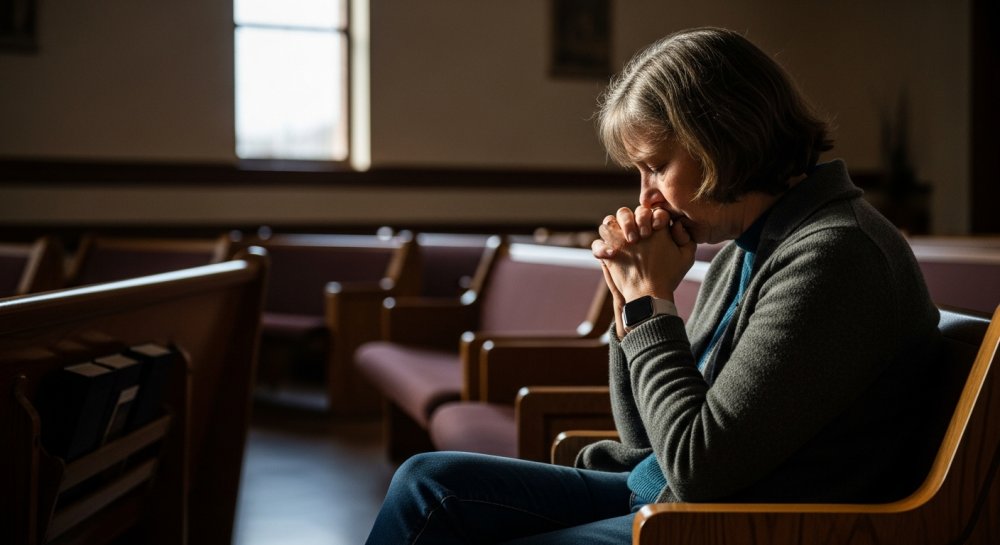
Every faithful church member has faced this difficult moment. You’ve brought a concern before your pastor with genuine care, bathed it in prayer, and offered thoughtful counsel. Yet weeks pass, and nothing changes. The advice goes unheeded, the concern unaddressed. What does this mean for your relationship with church leadership, and how should a believer respond?
This common experience touches on fundamental questions about authority, humility, and the nature of the local church. It can test our patience, challenge our understanding of leadership, and even threaten our commitment to the body of believers we call home.
The Bible provides clear guidance about spiritual authority within the church. Hebrews 13:17 instructs believers to “obey your leaders and submit to them, for they are keeping watch over your souls, as those who will have to give an account.” This doesn’t mean pastors are infallible or that every decision they make is beyond question. Rather, it establishes a structure where leadership carries both authority and accountability before God.
When your counsel goes unheeded, the first response should be self-examination and prayer. Consider whether your advice was truly biblical, whether it was offered in the right spirit, and whether it aligned with the church’s mission and values. Sometimes what we perceive as wisdom may simply reflect personal preference rather than scriptural mandate.
Pastors bear tremendous responsibility for the spiritual welfare of their congregations. They must weigh countless voices, discern God’s direction, and make decisions that affect the entire body. Your perspective, while valuable, represents one voice among many that leadership must consider in prayer and consultation with fellow elders or pastoral staff.
There are, however, legitimate times when pastoral decisions warrant further action. If the issue involves clear biblical error, moral compromise, or abuse of authority, Scripture provides pathways for accountability. Matthew 18 outlines a process for addressing sin within the church that can apply to leadership when necessary. Many churches also have elder boards, denominational structures, or congregational governance that provides checks on pastoral authority.
Yet in most cases, when counsel goes unheeded on matters of preference or strategy, the godly response is trust and patience. God sovereignly places leaders in their positions, and He is fully capable of directing them without our intervention. Our role is to pray faithfully for our pastors, support their ministry, and trust that God will guide His church.
This doesn’t mean suppressing genuine concerns or abandoning critical thinking. Rather, it means submitting our wisdom to God’s providence and recognizing that church leadership often involves information and considerations we may not fully understand. Pastors wrestle with personnel issues, financial constraints, theological nuances, and timing factors that may not be apparent to the broader congregation.
If you find yourself consistently at odds with your church’s direction, it may indicate either a need for deeper conversation with leadership or possibly that God is redirecting you to another fellowship. Not every disagreement signals departure, but persistent, fundamental conflicts over doctrine or direction sometimes reflect genuine incompatibility rather than simple misunderstanding.
The unity of the church remains paramount. Paul’s letters repeatedly emphasize the importance of believers maintaining peace and pursuing common purpose. When we’ve offered counsel in good faith and it’s been declined, we honor God by maintaining unity, continuing to serve, and entrusting outcomes to His sovereign care.
Remember that your pastors face spiritual warfare, carry heavy burdens, and need your prayers more than your correction. Behind every leadership decision lies hours of prayer, study, and counsel that congregation members rarely witness. The grace we hope to receive in our own areas of responsibility is the same grace we should extend to those who shepherd God’s flock.
Ultimately, Jesus Christ is the head of His church, and He builds it according to His purposes. When our wisdom goes unheeded by human leaders, we can trust that our perfect Leader sees all, knows all, and works all things together for the good of those who love Him and are called according to His purpose.
Let us know what you think, please share your thoughts in the comments below.

Faith Facts
- Bank of America closed a Christian ministry’s account in 2020 citing internal policies against certain business types.
- Multiple ministries and faith-based organizations have reported similar account closures from major financial institutions.
- Faith-based groups are increasingly facing challenges accessing traditional banking services across the United States.
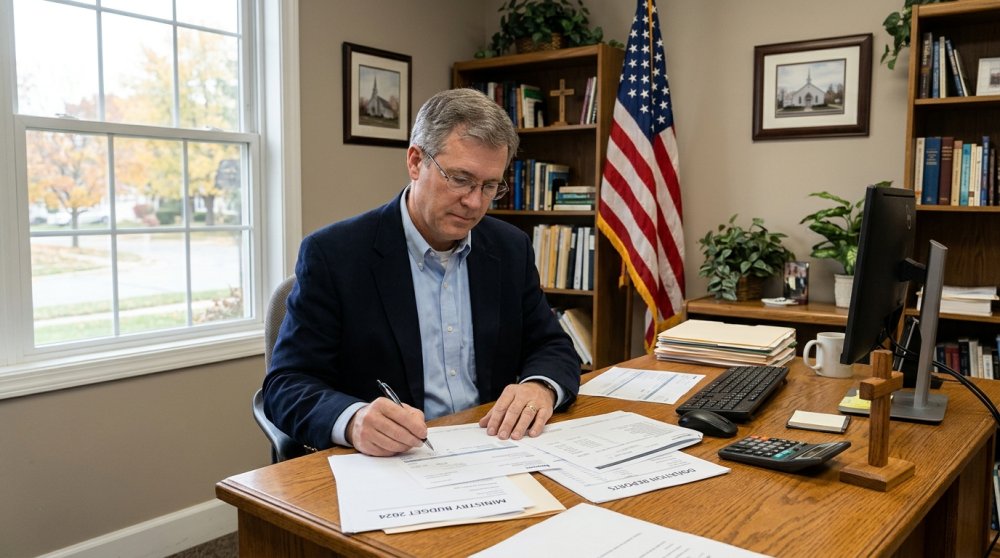
In 2020, Bank of America informed a Christian ministry that its account was being closed because the institution had chosen not to service certain types of businesses. The ministry initially believed this decision was isolated to their organization alone.
Further investigation revealed that other faith-based groups had encountered the same treatment from the same financial institution. The pattern suggests a broader policy affecting religious organizations seeking banking services.
“I thought we were the only ones. We weren’t.”
This experience highlights growing concerns among Christian ministries about access to essential financial services. Many traditional banks appear to be reevaluating their relationships with faith-based organizations.
The closure of accounts for religious ministries raises questions about religious liberty and equal access to financial services. Christian organizations across the country are exploring alternative banking options that align with their values and mission.
Let us know what you think, please share your thoughts in the comments below.
Faith Facts
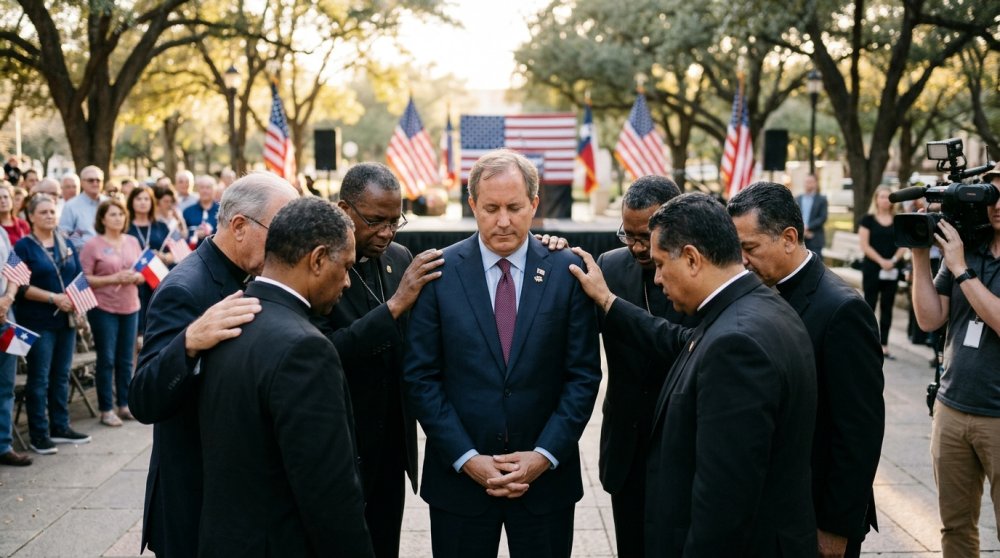
- A group of pastors gathered to pray over Texas Attorney General Ken Paxton at a campaign rally, calling on God for supernatural favor in the final weeks before the Senate election.
- The clergy specifically invoked Romans 13, urging divine support for Paxton as he seeks to represent Texas in the United States Senate.
- The public prayer event reflects a growing trend of faith leaders openly supporting conservative candidates who align with traditional Christian values.
A group of Texas pastors publicly prayed over Republican Attorney General Ken Paxton at a campaign rally this week, asking God to grant him favor with voters in the final stretch of his Senate bid.
The clergy cited Romans 13 during the prayer, reminding supporters that governing authorities are called to serve as ministers of God for justice and order.
Pastors for Paxton gathered to pray over @KenPaxtonTX at his rally today in Conroe. Pastors @Steve_Riggle and @BuntrockJames led us in asking God to grant him wisdom, strength, and protection as he serves Texas. ???? https://t.co/8GQVrU5zxO
— Pastors For Paxton (@pastors4paxton) October 20, 2026
“Give him favor with voters.”
Paxton, who has long positioned himself as a defender of biblical values on issues like life, marriage, and religious liberty, welcomed the spiritual covering from the pastors in attendance.
The event underscores the deep connection many conservative voters in Texas feel between their faith and their political choices.
Let us know what you think, please share your thoughts in the comments below.
Faith Facts
- Frank Turek wakes each morning and ends each evening thinking of Charlie Kirk.
- One year after witnessing the assassination of the conservative activist, Turek continues his commitment to share the Gospel on college campuses.
- The loss of Charlie Kirk has strengthened Turek’s resolve to defend biblical truth among young people.
Christian apologist Frank Turek has carried the memory of Charlie Kirk with him every single day since witnessing the conservative activist’s assassination at Utah Valley University. The grief remains real, yet so does his steadfast determination to keep proclaiming the Gospel.
Each morning when he wakes and each night before he sleeps, Turek’s first and last thoughts return to Kirk. The loss of a friend and fellow defender of truth has left a deep mark, but it has not silenced his mission.
“The first person I think of when I wake up is Charlie.”
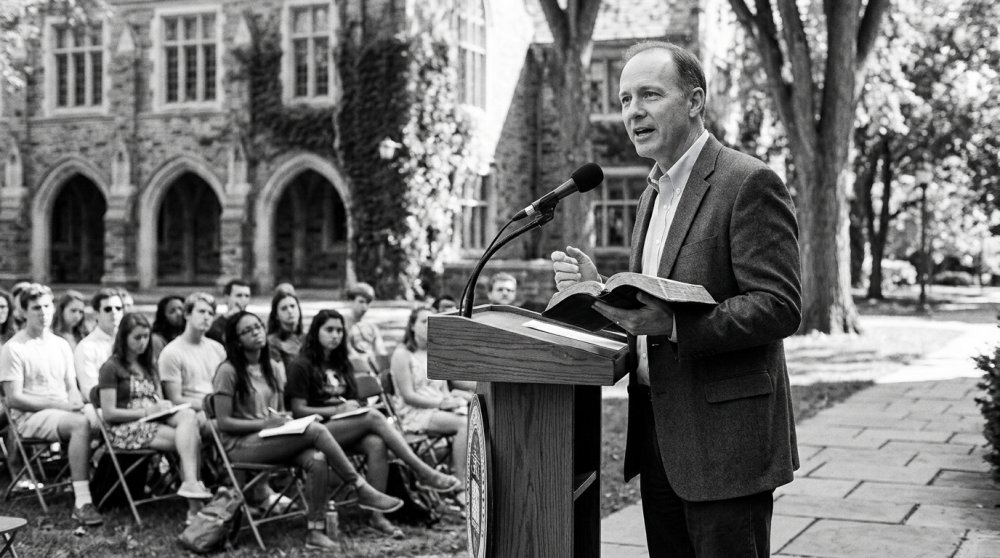
Turek’s ongoing work on college campuses reflects a commitment to the same values Kirk championed. He continues reaching students with biblical truth, refusing to let tragedy silence the message of Christ.
Let us know what you think, please share your thoughts in the comments below.


-

 Self-Reliance2 years ago
Trump’s Bold Move Uncovers Massive Social Security Fraud
-

 Faith2 years ago
New Clues Emerge in Noah’s Ark Mystery
-

 News2 years ago
Governor Walz’s Rhetoric Sparks National Controversy
-

 News2 years ago
Mel Gibson’s ‘The Passion of the Christ’ Sequel Title Announced
-

 Family2 years ago
Texas Lawmaker Targets Furries in Schools
-

 Freedom2 years ago
Maine Lawmaker Challenges Sports Fairness Controversy
-

 Family1 year ago
Canada’s Controversial Policy Sparks Ethical Debate
-
Faith11 months ago
Congress Hears Pleas for Nigerian Christians