
Faith
A Life of Unwavering Faith: Remembering Ann Widdecombe’s Courageous Stand for Christian Values

Faith Facts
- Former British MP Ann Widdecombe has passed away at age 78, leaving behind a legacy of principled Christian conservative leadership
- Widdecombe converted to Catholicism in 1993 and never compromised her faith-based convictions, even when it cost her career advancement
- Throughout her political career, she stood firm on traditional values including pro-life positions and opposition to social liberalism
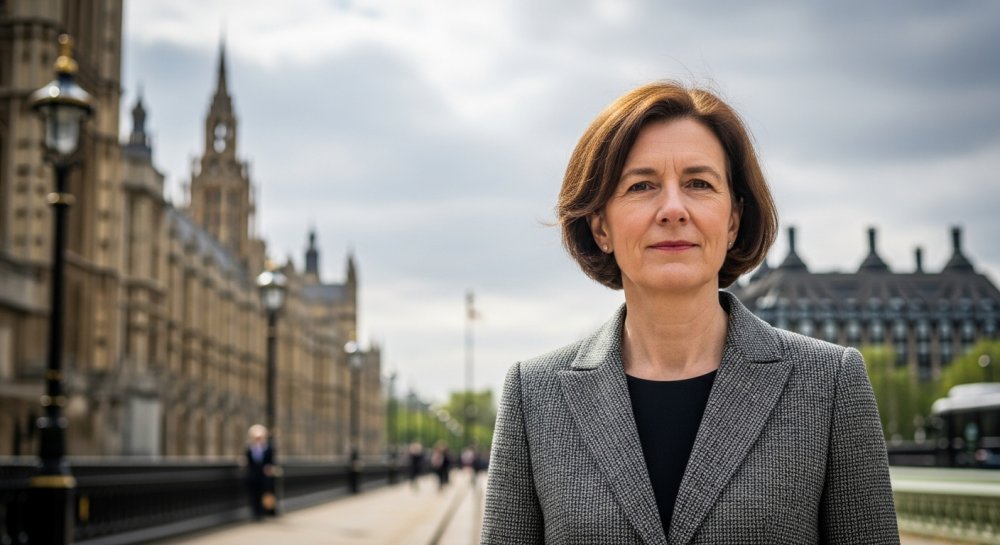
The Christian conservative movement has lost one of its most courageous voices. Ann Widdecombe, former British Member of Parliament and unwavering defender of traditional Christian values, has died at the age of 78. Her passing marks the end of an era when politicians were willing to sacrifice career advancement for the sake of deeply held convictions rooted in faith.
Widdecombe’s political career was defined by a rare quality in modern politics: the willingness to stand alone when principle demanded it. In an age when so many public figures bend to the prevailing cultural winds, she remained steadfast in her Christian beliefs, regardless of the personal or professional cost.
Her conversion to Catholicism in 1993 was not a quiet, private affair but a public declaration of faith that would shape every subsequent decision in her political life. This conversion came after the Church of England’s decision to ordain women priests, a move Widdecombe could not reconcile with her understanding of Scripture and tradition.
Throughout her time in Parliament, Widdecombe championed causes that reflected her Christian worldview. She was uncompromising in her defense of the unborn, consistently voting for pro-life measures and speaking out against the culture of death that has claimed millions of innocent lives. Her voice was a beacon of hope for those who believe in the sanctity of human life from conception to natural death.
What set Widdecombe apart from many of her political contemporaries was her refusal to moderate her views for the sake of popularity or advancement. While others calculated their positions based on polling data and focus groups, she calculated hers based on Scripture, tradition, and conscience. This approach earned her respect even from those who disagreed with her.
Her courage extended beyond the abortion issue. Widdecombe stood firm against the erosion of traditional marriage and family values, understanding that these institutions are the bedrock of a healthy society. She recognized that when we abandon God’s design for marriage and family, we don’t just harm individuals—we undermine the very foundations of civilization.
In later years, Widdecombe became a vocal critic of the European Union, seeing it as a threat to national sovereignty and traditional British values. Her support for Brexit was consistent with her lifelong commitment to self-determination and the preservation of Christian heritage in public life.
Critics often labeled her as “controversial” or “divisive,” but these terms merely revealed the discomfort that secularists feel when confronted with someone who takes Christian teaching seriously. Widdecombe understood that being salt and light in a darkening culture means being willing to be unpopular, misunderstood, and sometimes ridiculed.
Her television appearances in later years introduced her to a new generation of Britons who may not have followed her parliamentary career. Whether on reality shows or political commentary programs, she never shed her convictions or compromised her witness. She demonstrated that it’s possible to engage popular culture without being absorbed by it.
Widdecombe’s legacy challenges contemporary Christians in politics and public life. How many of us are willing to sacrifice advancement for principle? How many would choose conviction over career? In an era of calculated political positioning, her example of courage and consistency stands as a rebuke to the compromising spirit that has infected both church and state.
The tributes pouring in from across the political spectrum testify to the respect she commanded, even from ideological opponents. This respect was earned not through compromise or triangulation, but through the consistent application of Christian principles to public policy, regardless of the personal cost.
As we remember Ann Widdecombe, we should not merely celebrate her courage—we should be inspired to emulate it. The challenges facing Christians in the public square today are greater than ever. Religious liberty is under assault, traditional values are scorned, and faith is increasingly marginalized in public discourse.
We need more Ann Widdecombes—men and women who will stand firm in their faith, speak truth to power, and refuse to compromise on matters of conscience. We need leaders who fear God more than they fear public opinion, who value eternal truth more than temporal approval.
Her life reminds us that faithful Christian witness in the political arena is possible. It may not lead to the highest offices or the warmest press coverage, but it leads to something far more valuable: the ability to look in the mirror each morning knowing you have remained faithful to the One who called you.
As we mourn her passing, we should also celebrate a life well-lived in service to God and country. Ann Widdecombe fought the good fight, finished the race, and kept the faith. May her example inspire a new generation of Christian conservatives to stand firm in their convictions, no matter the cost.
Let us know what you think, please share your thoughts in the comments below.

Faith Facts
- Dylan Mandell, a Christian social media influencer, has received his fourth cancer diagnosis in four years.
- Mandell publicly declares he is standing on God’s promise of long life despite the repeated health trials.
- The influencer’s testimony highlights unwavering faith and reliance on Scripture amid suffering.
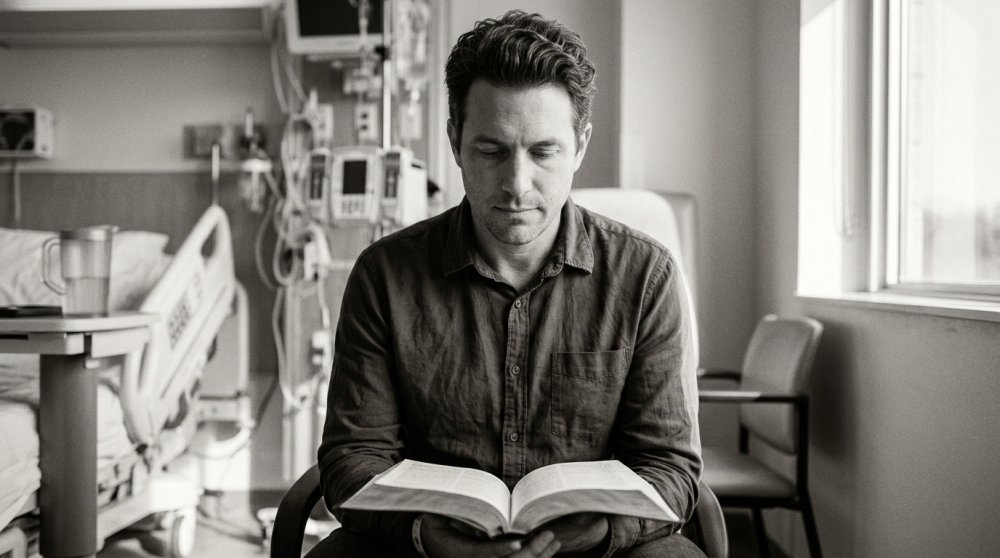
Christian social media influencer Dylan Mandell has been diagnosed with cancer for the fourth time in four years. Yet he refuses to let fear define his story. Instead, he is clinging to the biblical promise of long life.
“I am holding on to God’s promise of long life,” Mandell said. The statement reflects his determination to trust Scripture even when circumstances appear grim.
Family, friends, and followers have rallied around Mandell as he faces this latest battle. His transparency about his health has encouraged many believers to strengthen their own faith during trials.
Through every diagnosis, Mandell has pointed others back to the Word of God. He continues to share messages of hope grounded in Scripture rather than statistics.
Let us know what you think, please share your thoughts in the comments below.
Faith Facts
- Frank Turek continues sharing the Gospel on college campuses despite the trauma of witnessing Charlie Kirk’s assassination.
- Turek credits his faith in Christ for helping him process the violence and remain committed to truth.
- The Christian apologist warns that America is engaged in a spiritual battle over reality itself.
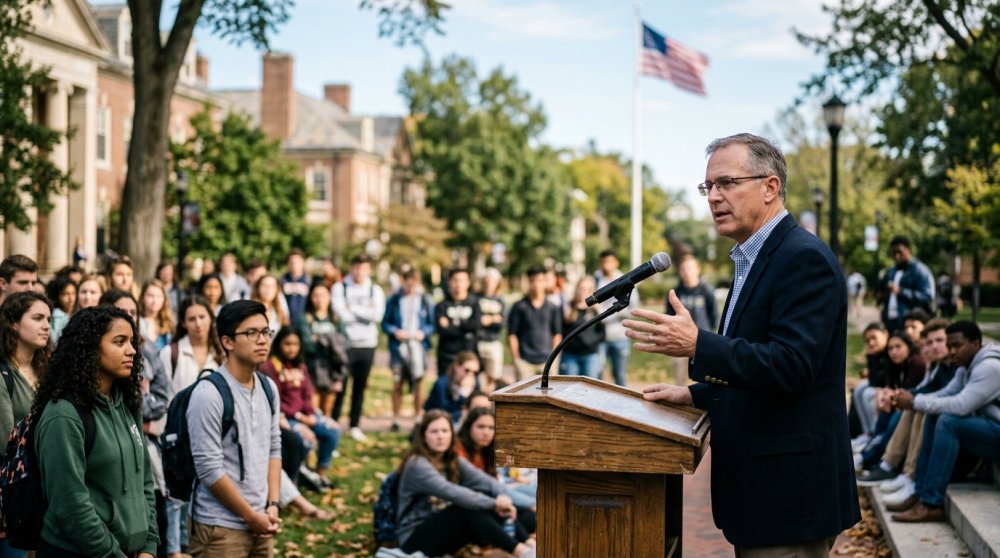
Christian apologist Frank Turek has spoken candidly about the profound effect of watching Charlie Kirk’s assassination unfold before his eyes. The shocking act of violence has not silenced his message. Instead, it has strengthened his resolve to continue proclaiming the Gospel on university campuses across the nation.
Turek explained that his faith has been the anchor keeping him steady through the aftermath of the tragedy. He described turning to Scripture and prayer as he grappled with the reality of what he witnessed. That same faith now fuels his determination to keep engaging students with biblical truth.
“The war on reality is real, and it is spiritual,” Turek stated.
He emphasized that the same cultural forces celebrating the murder of Charlie Kirk are the forces actively opposing biblical Christianity on campuses and in the public square. Turek refused to retreat in the face of such hostility, insisting that the Gospel must still be proclaimed even when the cost is high.
“I refuse to back down,” he declared.
Turek’s commitment reflects a broader pattern among Christian leaders who view current cultural battles as part of an ongoing spiritual conflict. He continues to equip believers with apologetics while urging them to stand firm in the face of increasing opposition to traditional values and religious liberty.
Let us know what you think, please share your thoughts in the comments below.
Faith Facts
- Parents in Connecticut challenged a state law that removed religious exemptions for school vaccine requirements.
- The lawsuit was dismissed after a judge ruled the exemptions are not protected under existing religious freedom statutes.
- The decision leaves families with no legal recourse when their sincerely held beliefs conflict with state mandates.
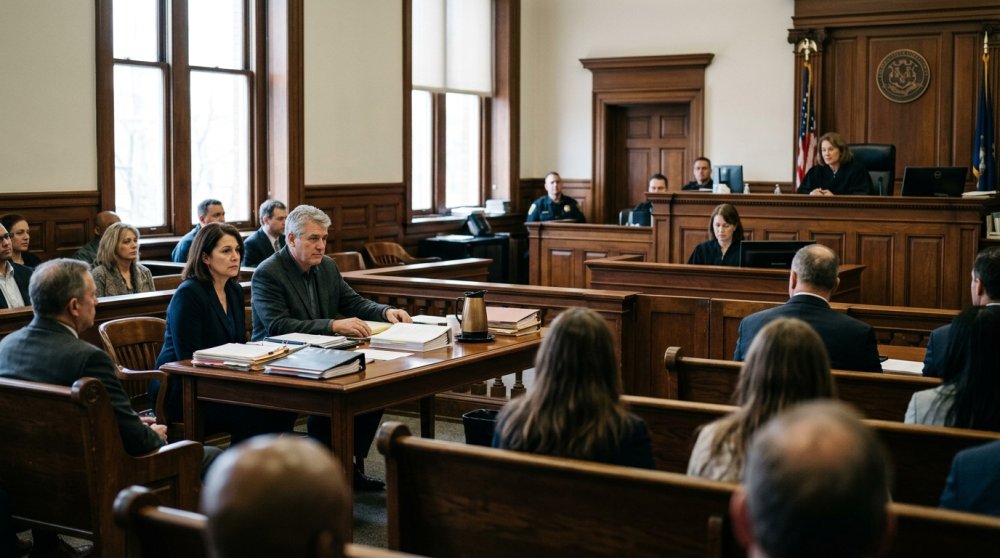
Parents who filed suit to protect their right to decline vaccines on religious grounds saw their case dismissed by a Connecticut judge. The court ruled that the state law eliminating religious exemptions does not violate the state’s religious freedom protections.
The decision means children whose parents hold sincere religious objections to certain vaccines will still be required to receive them in order to attend public school. Families who believe vaccination conflicts with their faith now face limited options within the state.
“The plaintiffs have failed to demonstrate that the religious exemptions are protected under the state religious freedom law,” the ruling stated.
Advocates for parental rights argue the ruling prioritizes government mandates over deeply held beliefs. They warn that similar efforts to remove religious exemptions could spread to other states if left unchallenged.
Critics of the original law contend it undermines the principle that parents, not the state, hold primary responsibility for medical decisions involving their children. They say the ruling sets a troubling precedent that could erode other conscience protections.
Let us know what you think, please share your thoughts in the comments below.


-

 Self-Reliance1 year ago
Trump’s Bold Move Uncovers Massive Social Security Fraud
-

 Faith1 year ago
New Clues Emerge in Noah’s Ark Mystery
-

 News2 years ago
Governor Walz’s Rhetoric Sparks National Controversy
-

 News1 year ago
Mel Gibson’s ‘The Passion of the Christ’ Sequel Title Announced
-

 Family2 years ago
Texas Lawmaker Targets Furries in Schools
-

 Freedom2 years ago
Maine Lawmaker Challenges Sports Fairness Controversy
-

 Family1 year ago
Canada’s Controversial Policy Sparks Ethical Debate
-
Faith10 months ago
Congress Hears Pleas for Nigerian Christians