
Faith
What Eric Metaxas Just Said About Cultural Attacks on Christianity Will Wake You Up


Faith Facts
- Christian author Eric Metaxas addressed multiple cultural controversies affecting American Christians, including AI-generated imagery and public debates over religious truth
- The discussion touches on the controversial depiction of President Trump in religious iconography and recent theological debates in mainstream media
- Metaxas identifies these controversies as part of a larger pattern of what he calls ‘satanic inversion’ targeting Christian values in American culture
Christian author and radio host Eric Metaxas is sounding the alarm on what he sees as coordinated cultural attacks against biblical Christianity. In his recent commentary, Metaxas tackled several explosive topics that have divided Americans and sparked fierce debate across social media platforms.
The controversies range from AI-generated images depicting President Donald Trump in saint-like poses to Tucker Carlson’s recent statements about Christianity, Islam, and the Bible. For Metaxas, these aren’t isolated incidents but symptoms of a deeper spiritual battle.
The viral image showing Trump in religious iconography has drawn sharp criticism from Christians across denominational lines. Many believers have expressed concern that such depictions cross a dangerous line, mixing political loyalty with religious devotion in ways that Scripture explicitly warns against. The AI-generated nature of the image adds another layer of concern about technology being weaponized to blur sacred boundaries.
Metaxas also addressed the growing conversation around Tucker Carlson’s recent theological commentary. Carlson has made headlines with statements comparing Christianity and Islam, sparking responses from Christian leaders including Franklin Graham. The debate centers on fundamental questions about religious truth, biblical authority, and how Christians should engage with other faith systems.
According to Metaxas, what connects these disparate controversies is what he terms “satanic inversion” — a deliberate effort to turn truth upside down, confuse believers, and undermine the foundations of Christian faith. This concept suggests that cultural forces are actively working to invert biblical values, making good appear evil and evil appear good.
The discussions come at a time when American Christians are increasingly navigating complex cultural terrain. Traditional biblical teachings on morality, gender, family, and religious exclusivity face mounting pressure from secular institutions and even some within church walls.
Metaxas has built a reputation for unflinching commentary on cultural Christianity. His books, including bestselling biographies of Dietrich Bonhoeffer and Martin Luther, have explored how believers maintained faith under hostile conditions. He now applies those historical lessons to contemporary American challenges.
The debate over religious imagery and political figures isn’t new to American Christianity. Throughout history, believers have wrestled with how to honor civic leaders without crossing into idolatry. The Second Commandment’s prohibition against graven images has guided orthodox Christianity for millennia, making AI-generated saint-like depictions of any living person deeply problematic for many believers.
Franklin Graham’s involvement in the Tucker Carlson discussion adds weight to the theological concerns being raised. As the son of Billy Graham and leader of the Billy Graham Evangelistic Association, Graham’s perspective carries significant influence among evangelical Christians who value doctrinal clarity.
The intersection of technology, politics, and faith presents unique challenges for this generation of Christians. AI-generated content can spread faster than ever before, shaping perceptions and potentially leading believers astray if they’re not grounded in Scripture and sound doctrine.
Metaxas emphasizes that Christians must remain vigilant, testing everything against the Word of God. In an era of information overload and technological manipulation, discernment has become more critical than ever for those seeking to follow Christ faithfully.
These controversies ultimately point to fundamental questions: What is truth? Where does authority reside? And how should Christians engage a culture increasingly hostile to biblical values? For Metaxas and many conservative Christians, the answer remains anchored in Scripture, traditional Christian teaching, and unwavering commitment to Gospel truth.
Let us know what you think, please share your thoughts in the comments below.

Faith Facts
- The Assemblies of God is restoring its original publishing name, Gospel Publishing House, after more than a decade under the My Healthy Church brand.
- The move returns the ministry to its historic identity rooted in the denomination’s founding vision and mission.
- Christian publishers continue to serve churches and families by providing resources that strengthen faith and uphold biblical values.
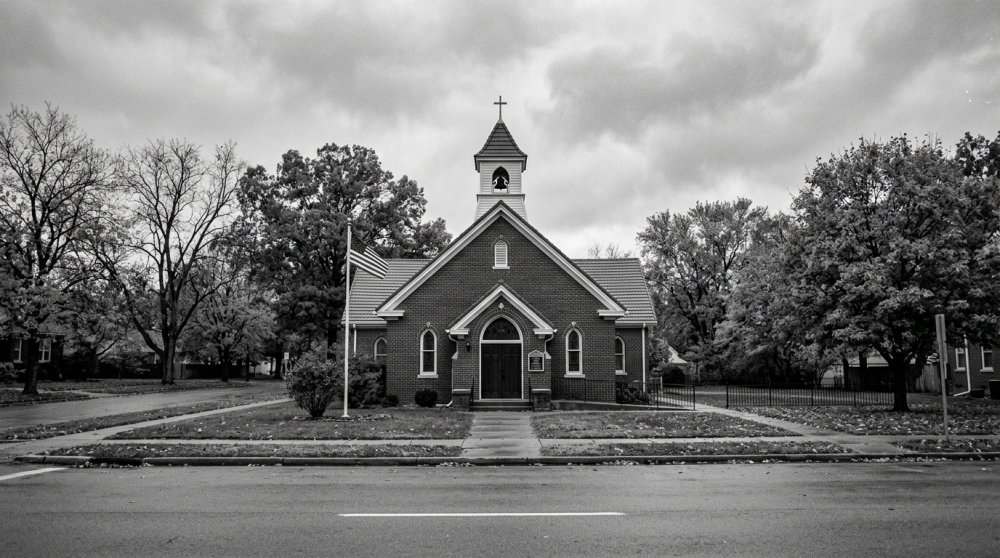
The Assemblies of God has announced that its publishing ministry will once again operate under the name Gospel Publishing House. The decision ends the My Healthy Church branding that was adopted in 2010.
The restoration of the historic name reflects a deliberate return to the ministry’s founding purpose and identity within the denomination.
Leaders emphasized that the change reconnects the publishing arm with its long-standing role in equipping churches and believers across the nation.
Church leaders across the country have welcomed the move, noting that the original name carries deep spiritual meaning and heritage for Assemblies of God congregations.
Let us know what you think, please share your thoughts in the comments below.
Faith Facts
- Christians believe every unborn child bears the image of God and deserves protection under law.
- Virginia voters will decide this November whether to enshrine abortion as a constitutional right.
- Scripture teaches believers to speak for those who cannot speak for themselves.
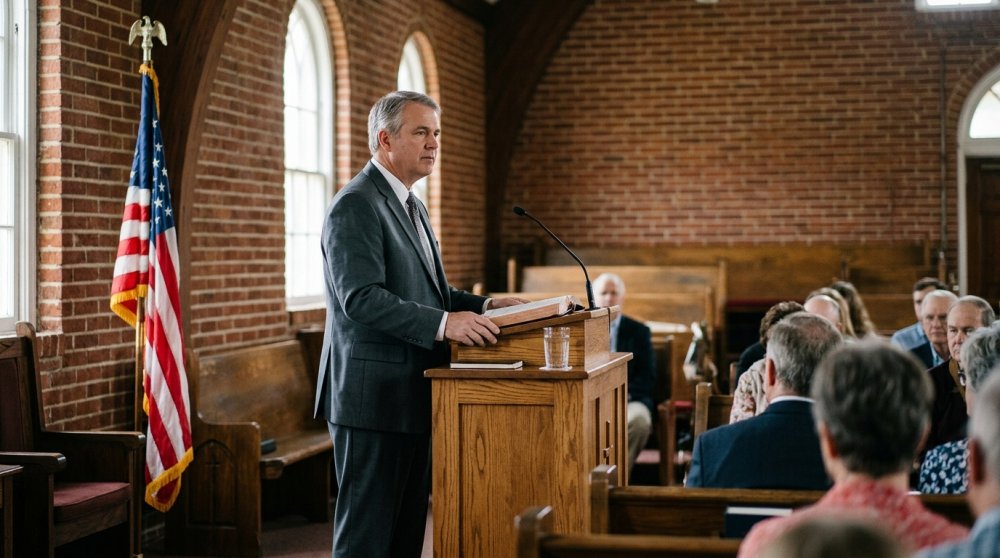
Virginia voters face a pivotal November decision on whether to place abortion in the state constitution. Pastors across the commonwealth are being urged to speak clearly from the pulpit rather than remain silent on the issue.
Christian leaders emphasize that the measure would permanently enshrine abortion as a constitutional right. They argue that such a change would remove protections for unborn children and limit future legislative efforts to safeguard life.
“For Christians who believe the unborn child bears the image of God, silence is not neutrality.”
Many pastors are preparing messages that connect biblical teaching on the sanctity of life with the upcoming ballot question. Churches are also organizing voter education efforts to ensure congregants understand the amendment’s potential consequences.
Let us know what you think, please share your thoughts in the comments below.
Faith Facts
- Southern Baptist Convention President Willy Rice has requested the SBC Executive Committee consider adding an article on gender and human sexuality to the Baptist Faith & Message 2000.
- Richard Land, who served on the original drafting committee, affirms that Rice’s proposal aligns with longstanding Baptist tradition.
- The Baptist Faith & Message 2000 serves as the doctrinal statement guiding Southern Baptist churches nationwide.
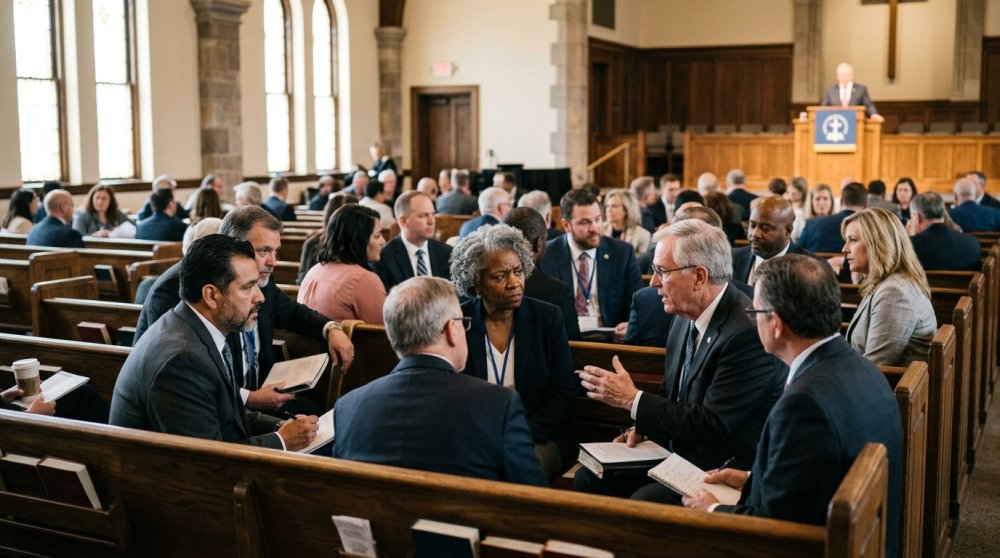
The Southern Baptist Convention is weighing an important doctrinal update that would clarify its position on gender and human sexuality. President Willy Rice has formally asked the SBC Executive Committee to recommend adding a specific article addressing these issues to the Baptist Faith & Message 2000. This proposal comes as cultural debates over gender identity continue to intensify across American society.
Richard Land, who helped draft the current confession, believes Rice’s request stands firmly within Baptist tradition. Land emphasized that Southern Baptists have historically maintained clear biblical positions on matters of human sexuality and identity. The current statement addresses marriage and sexuality but lacks specific language on gender distinctions.
“The Baptist Faith & Message has always sought to articulate what the Bible teaches about the fundamental issues facing God’s people,” Land noted in his assessment of Rice’s proposal. The timing reflects growing concern among conservative Christians about the rapid cultural shifts regarding gender ideology in schools, sports, and medical settings.
Many Southern Baptist leaders see this potential addition as necessary protection for biblical truth. Churches across the denomination have increasingly faced questions about gender identity from members and the surrounding culture. A clear confessional statement would provide guidance for pastors, parents, and educators navigating these challenging issues.
The proposal will now move through the Executive Committee review process before potentially coming before messengers at a future annual meeting. Southern Baptists have historically amended their confessional statement when cultural challenges demanded clearer biblical articulation. This process ensures that the denomination’s doctrinal commitments remain both faithful to Scripture and relevant to contemporary challenges.
Let us know what you think, please share your thoughts in the comments below.


-

 Self-Reliance1 year ago
Trump’s Bold Move Uncovers Massive Social Security Fraud
-

 Faith1 year ago
New Clues Emerge in Noah’s Ark Mystery
-

 News2 years ago
Governor Walz’s Rhetoric Sparks National Controversy
-

 News1 year ago
Mel Gibson’s ‘The Passion of the Christ’ Sequel Title Announced
-

 Family2 years ago
Texas Lawmaker Targets Furries in Schools
-

 Freedom2 years ago
Maine Lawmaker Challenges Sports Fairness Controversy
-

 Family1 year ago
Canada’s Controversial Policy Sparks Ethical Debate
-
Faith10 months ago
Congress Hears Pleas for Nigerian Christians