
Freedom
Uganda Rushes Vote on Sharia Courts as Religious Freedom Advocates Sound Alarm

Faith Facts
- Uganda’s Parliament is attempting to fast-track legislation establishing a nationwide Sharia court system before dissolving later this month
- Religious freedom advocates warn the bill threatens constitutional protections and could set a dangerous precedent for sectarian judicial systems
- The proposed law would create Islamic courts operating under Sharia law parallel to Uganda’s existing legal system
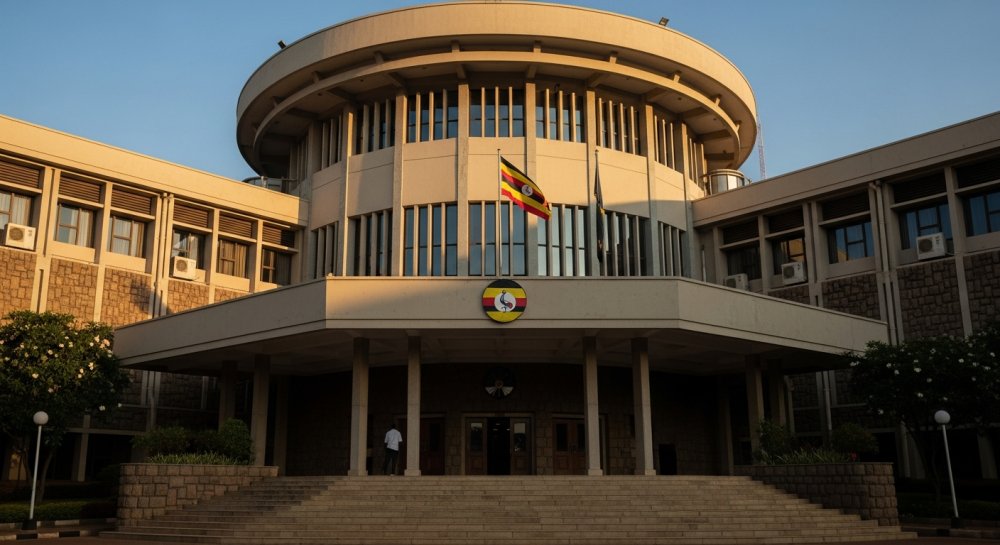
International religious freedom organizations are raising urgent concerns over a bill rapidly advancing through Uganda’s Parliament that would establish Sharia courts across the nation. Advocacy groups warn that lawmakers are attempting to push the legislation through before the current parliamentary session ends, leaving little time for proper scrutiny or public debate.
The proposed legislation would create a parallel judicial system based on Islamic law, operating alongside Uganda’s existing court structure. Critics argue this move threatens the constitutional principle of equality before the law and could create a two-tiered justice system that undermines religious freedom for all Ugandans.
Religious freedom advocates, both within Uganda and internationally, have expressed alarm at the speed with which the bill is being advanced. The rushed timeline has limited opportunities for religious leaders, legal experts, and citizens to fully examine the implications of such a significant change to the nation’s judicial framework.
The establishment of Sharia courts would mark a dramatic shift in Uganda’s legal landscape, raising questions about how disputes involving individuals of different faiths would be adjudicated. Concerns have been raised about potential conflicts between Islamic law and Uganda’s constitution, particularly regarding issues of women’s rights, freedom of religion, and equal protection under the law.
International observers note that similar systems in other nations have sometimes resulted in religious minorities facing discrimination or being pressured to submit to religious courts rather than civil courts. The precedent of establishing religious courts for one faith community could also open the door to demands for similar systems from other religious groups, further fragmenting the nation’s unified legal system.
Uganda’s constitution guarantees freedom of religion and equal protection under the law for all citizens, regardless of their faith background. Critics of the Sharia courts bill argue that creating separate judicial systems based on religious affiliation fundamentally contradicts these constitutional protections and could marginalize those who do not wish to be governed by religious law.
The timing of the vote has become a critical factor, with advocates calling for a delay to allow for comprehensive review and public input. However, proponents within Parliament appear determined to secure passage before the session concludes, raising concerns about whether proper legislative procedures are being followed.
The situation in Uganda reflects broader global tensions between religious law and secular governance, particularly in nations with diverse religious populations. How Uganda resolves this issue could have implications for religious freedom and rule of law across East Africa and beyond.
Faith communities worldwide are watching closely as this legislation moves forward, recognizing that the outcome will affect not only Muslims in Uganda but the principle of equal justice and religious freedom for all citizens.
Let us know what you think, please share your thoughts in the comments below.


Faith Facts
- A Colorado high school granted a religious accommodation to a student identifying as a Satanist, exempting her from using the school’s digital hall pass system for restroom breaks
- The accommodation was made after the student claimed the tracking system violated her religious beliefs as a member of The Satanic Temple
- The decision raises concerns among Christian families about religious freedom being exploited to undermine school safety and order
A Colorado school district has granted a controversial religious accommodation to a high school student who identifies as a member of The Satanic Temple. The accommodation exempts the student from using the school’s digital hall pass system when accessing restrooms during class time.
The decision has sparked debate among parents and faith leaders about the boundaries of religious freedom in public schools and whether such accommodations serve genuine religious convictions or undermine common-sense school policies designed to maintain order and safety.
The digital hall pass system was implemented to track student movement throughout the school building during instructional time, a practice many schools have adopted to enhance campus security and accountability. The student reportedly objected to the tracking component of the system, claiming it violated her religious beliefs.
The Satanic Temple, which the student claims to represent, has increasingly positioned itself as a religious organization in recent years, despite its origins as an activist group promoting secular values. The organization has pursued various legal challenges and accommodations in schools across the country, often targeting policies and practices rooted in traditional values.
Christian parents and conservative advocates have expressed concern that such accommodations create a double standard. While Christian students often face restrictions on prayer, religious expression, and Bible clubs in public schools, alternative belief systems appear to receive favorable treatment from school administrators fearful of legal challenges.
The accommodation specifically applies to restroom access, allowing the student to leave class without logging her movement through the digital system that other students must use. Critics argue this creates an unfair exemption that could be exploited by students seeking to avoid accountability measures designed to keep all students safe.
Religious freedom advocates from a Christian perspective maintain that true religious liberty protects sincere faith practices, not ideological opposition to reasonable school policies. They argue that digital hall passes serve a legitimate educational and safety purpose that does not burden any authentic religious exercise.
The decision by the Colorado school district reflects a broader trend in which school administrators appear increasingly willing to accommodate non-traditional belief systems while remaining restrictive toward Christian expression. This imbalance has fueled ongoing concerns about viewpoint discrimination in public education.
As public schools navigate complex religious freedom questions, many Christian families are calling for consistent application of constitutional principles that protect genuine religious practice without allowing bad-faith exploitation of religious liberty protections.
Let us know what you think, please share your thoughts in the comments below.
Faith Facts
- The abortion industry rapidly transformed its operations following the Dobbs decision, leveraging new distribution methods and legal strategies
- Pro-life advocates must recognize that the fight to protect unborn life requires sustained commitment beyond legislative victories
- Crisis pregnancy centers and grassroots ministries remain essential in offering compassionate alternatives to women facing unexpected pregnancies
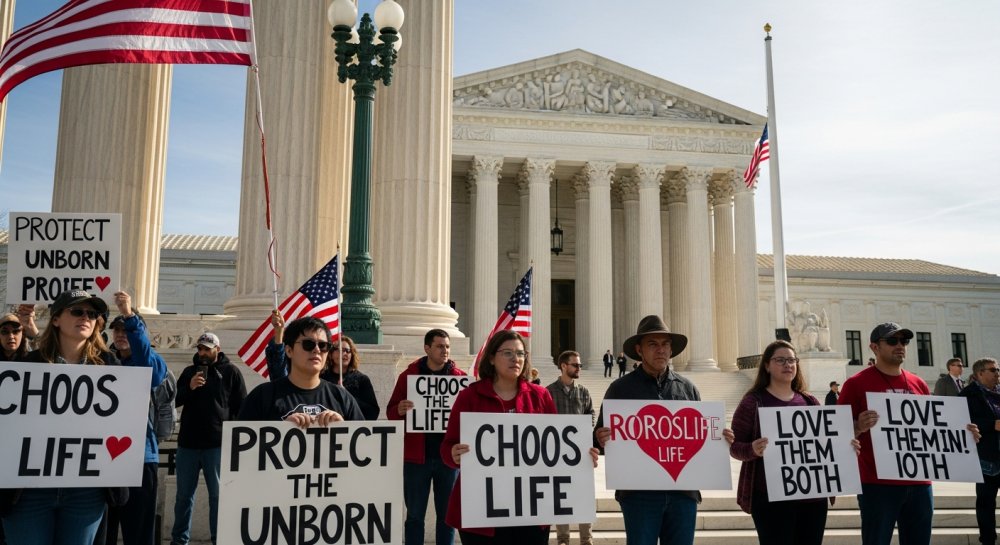
The historic overturning of Roe v. Wade marked a watershed moment for the pro-life movement, but the battle to protect the unborn is far from over. In the aftermath of the Dobbs decision, the abortion industry has proven remarkably resilient, adapting quickly to the new legal landscape with innovative tactics that continue to threaten innocent lives.
Rather than retreating, abortion providers have pivoted to chemical abortion pills distributed through mail-order services, telemedicine consultations across state lines, and mobile clinics positioned near state borders. These evolving strategies demonstrate that legal victories alone cannot end the culture of death that has taken root in America.
The pro-life movement must respond with equal determination and creativity. This means strengthening the network of crisis pregnancy centers that provide material support, medical care, and emotional counseling to women in difficult circumstances. It means advocating for policies that protect women from the physical and psychological harms of abortion while offering real alternatives.
Churches and faith communities have a vital role to play in this new phase of the fight for life. Congregations must move beyond political activism to create cultures of life within their own communities—supporting single mothers, facilitating adoptions, and demonstrating Christ’s love for both mother and child.
The post-Roe era demands sustained engagement, not victory celebrations. State-level battles over abortion policy continue to rage, with pro-abortion activists pushing ballot initiatives and legislative efforts to enshrine abortion access in state constitutions. Each of these fights requires prayer, financial resources, and boots on the ground.
Education remains critical as well. Many Americans, including many Christians, still harbor misconceptions about fetal development, the abortion process, and the support available to women facing crisis pregnancies. Truth-telling about the humanity of the unborn and the realities of abortion must continue in pulpits, schools, and public squares.
Technology has also transformed the landscape. Ultrasound imaging that reveals the unmistakable humanity of unborn children has proven powerful in changing hearts and minds. Pro-life organizations must leverage these tools while countering the misinformation spread through social media and activist networks.
The fundamental truth remains unchanged: every human life, from conception to natural death, bears the image of God and deserves protection. The Dobbs decision restored to the American people the right to enact that protection through democratic means, but it did not automatically create a culture of life.
Building that culture requires the Church to lead with both conviction and compassion. It demands that believers not only oppose abortion but actively support women and families, creating communities where choosing life is not just morally right but practically feasible.
The end of Roe was a beginning, not a conclusion—the beginning of a long-term commitment to replace the culture of death with a culture of life, one heart, one law, and one community at a time.
Let us know what you think, please share your thoughts in the comments below.
Faith Facts
- The Scottish National Party’s proposed ‘conversion therapy’ ban has been condemned as ‘fundamentally illiberal’ by critics who warn it threatens religious freedom and parental rights.
- Despite declining public support, the SNP remains the leading party heading into next month’s Scottish Parliament elections.
- Faith leaders and conservative groups have raised concerns that the broadly-worded legislation could criminalize prayer, pastoral counseling, and traditional Christian teaching on sexuality and gender.
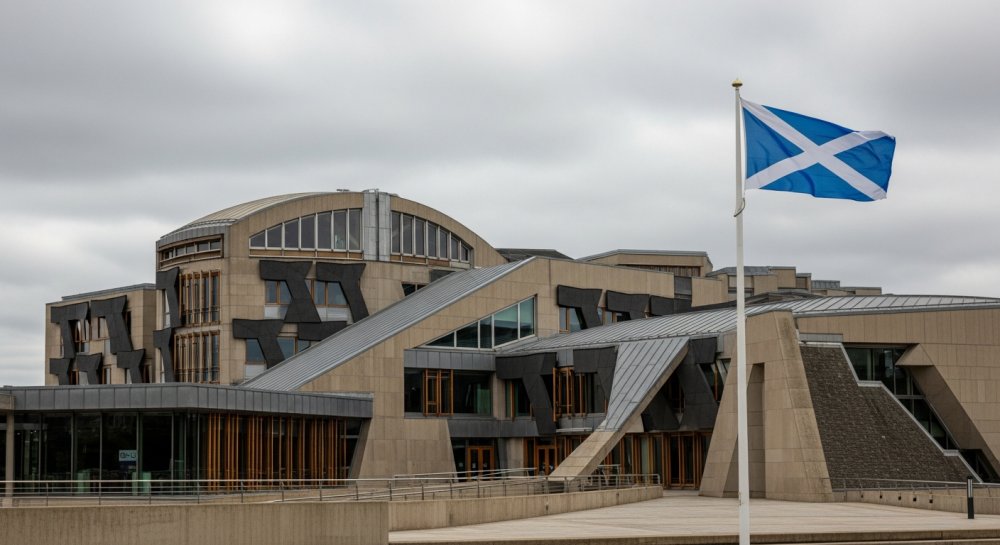
As Scotland prepares for crucial elections next month, the Scottish National Party faces mounting criticism over its controversial proposal to ban so-called ‘conversion therapy.’ The measure has ignited fierce debate about the boundaries between protecting individuals and preserving fundamental freedoms of religion, speech, and conscience.
Critics have labeled the SNP’s approach as ‘fundamentally illiberal,’ warning that the sweeping language of the proposed ban could ensnare pastors, counselors, and even parents who hold traditional Christian views on human sexuality and gender identity. The controversy highlights a growing tension across Western democracies between LGBT activism and religious liberty.
The proposed legislation goes far beyond addressing coercive or abusive practices. Instead, opponents argue, it threatens to criminalize prayer, Biblical counseling, and affirming conversations between parents and their children. Such measures could effectively make it illegal for Christians to share their faith’s teachings on marriage, sexuality, and gender in certain contexts.
Traditional Christian doctrine holds that marriage is between one man and one woman, and that biological sex is God-given and immutable. These beliefs, held for millennia and rooted in Scripture, are increasingly under legal attack in nations that once championed religious freedom. The SNP proposal represents another front in this cultural battle.
Despite the controversy surrounding this and other progressive policies, the SNP remains the frontrunner in polls ahead of next month’s Scottish Parliament elections, though their support has declined in recent months. The party has dominated Scottish politics for over a decade, but faces growing challenges from both left and right over issues ranging from economic management to social policy.
Conservative and Christian advocacy groups have mobilized to oppose the ban, arguing that it represents government overreach into areas that should remain matters of personal conscience and religious conviction. They point out that genuinely coercive or abusive practices are already illegal under existing laws, making this new measure unnecessary and dangerously broad.
The debate in Scotland mirrors similar controversies in other parts of the United Kingdom and across the Western world. Canada, several U.S. states, and other jurisdictions have enacted or proposed similar bans, often with language so vague that legal experts warn of serious risks to civil liberties. Christian organizations have successfully challenged some of these laws in court, arguing they violate constitutional protections for religious freedom and free speech.
At stake is not merely the right of individuals to seek counsel consistent with their religious beliefs, but the fundamental question of whether governments can dictate what constitutes acceptable religious teaching and practice. For American Christians watching developments abroad, the Scottish debate serves as a cautionary tale about the fragility of religious liberty when cultural winds shift.
The outcome of Scotland’s election and the fate of this controversial proposal will be closely watched by believers and liberty advocates on both sides of the Atlantic. As governments increasingly attempt to regulate matters of faith and conscience, the need for vigilant defense of First Amendment-style protections becomes ever more apparent.
Let us know what you think, please share your thoughts in the comments below.


-

 Self-Reliance1 year ago
Trump’s Bold Move Uncovers Massive Social Security Fraud
-

 Faith1 year ago
New Clues Emerge in Noah’s Ark Mystery
-

 News1 year ago
Governor Walz’s Rhetoric Sparks National Controversy
-

 News1 year ago
Mel Gibson’s ‘The Passion of the Christ’ Sequel Title Announced
-

 Family1 year ago
Texas Lawmaker Targets Furries in Schools
-

 Freedom1 year ago
Maine Lawmaker Challenges Sports Fairness Controversy
-

 Family11 months ago
Canada’s Controversial Policy Sparks Ethical Debate
-
Faith5 months ago
Congress Hears Pleas for Nigerian Christians