
Faith
Your Church May Not Survive What’s Coming Next


Faith Facts
- AI is fundamentally transforming ministry capacity beyond simple search tools, creating an existential challenge for unprepared churches and Christian organizations
- Donor engagement is already shifting toward ministries that leverage AI technology, potentially leaving traditional organizations behind
- Christian leaders who fail to adapt to AI-driven ministry may face organizational collapse as donor dollars flow to more technologically equipped ministries
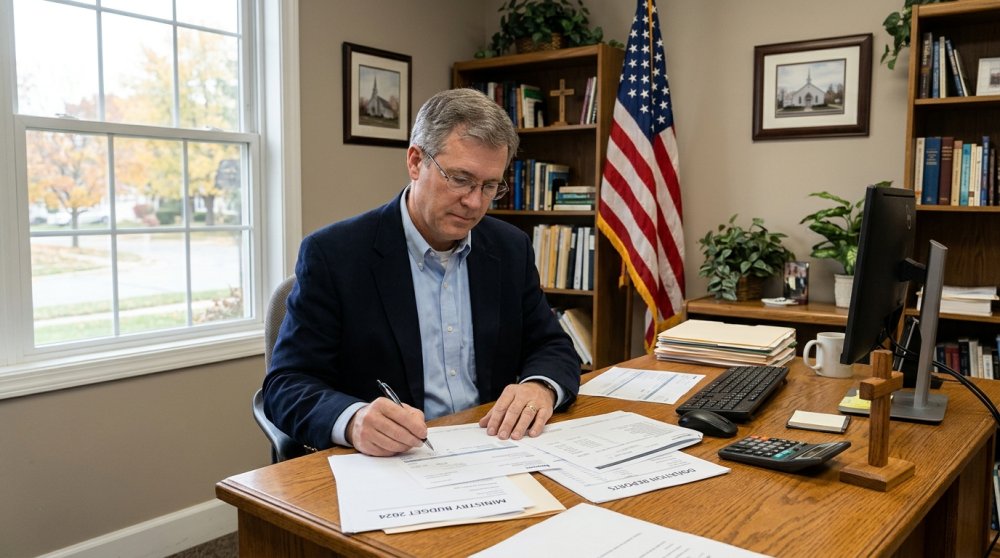
American churches and Christian ministries stand at a crossroads that many leaders have yet to recognize. The rise of artificial intelligence represents far more than a technological upgrade—it’s a fundamental shift in how ministries can reach souls, steward resources, and fulfill the Great Commission. Yet countless organizations remain unprepared for what’s already here.
AI is not simply a better search engine or a novelty tool for writing emails. It functions as a force multiplier for organizational capacity, enabling even small ministries to accomplish work that previously required large staffs and substantial budgets. The technology amplifies human effort in ways that transform what’s possible for kingdom work.
The real crisis facing unprepared ministries isn’t about keeping up with trends—it’s about survival. Christian donors, particularly younger generations raised in a digital world, increasingly expect the organizations they support to demonstrate wise stewardship through technological competence. They want to see their dollars maximized for gospel impact, not spent on inefficient processes that AI could streamline.
Ministries already leveraging AI are reaching new types of donors in ways traditional organizations cannot match. These forward-thinking groups can personalize outreach, respond instantly to inquiries, analyze giving patterns to improve stewardship, and communicate their mission with unprecedented clarity and reach. The donor dollar is indeed at stake, and it’s flowing toward organizations that demonstrate both spiritual faithfulness and practical wisdom.
The stakes extend beyond fundraising. Churches and ministries that fail to adapt face something more serious than falling behind—they risk erasure. As AI-equipped organizations expand their capacity to serve, disciple, and evangelize, those clinging to outdated methods may find themselves increasingly irrelevant in a rapidly changing landscape.
This isn’t a call to abandon biblical principles or chase every technological fad. Rather, it’s a recognition that faithfulness requires wisdom—and wisdom means using the tools God has allowed humanity to develop for maximum kingdom impact. The printing press revolutionized Bible distribution; radio and television expanded evangelistic reach; the internet created global connections. AI represents the next frontier.
Christian leaders must understand that embracing AI doesn’t mean replacing human ministry or diminishing the power of personal relationships. It means equipping God’s people to do more with the resources entrusted to them. It means reaching people who might never walk through a church door but will engage through digital channels. It means stewarding donor contributions with excellence that honors both the giver and the God we serve.
The window for preparation is closing. Ministries that wait too long may find the gap unbridgeable, their capacity permanently diminished compared to organizations that moved decisively. The question facing every Christian leader is simple: Will you steward the opportunities of this moment, or will you watch from the sidelines as others advance the gospel with tools you refused to embrace?
This is not fear-mongering—it’s a sober assessment of the reality facing American Christianity. The Great Commission remains unchanged, but the tools available to fulfill it have expanded dramatically. Wise stewards will recognize this moment for what it is: an opportunity to multiply ministry impact in ways previous generations could only imagine.
Let us know what you think, please share your thoughts in the comments below.

Faith Facts
- Bank of America closed a Christian ministry’s account in 2020 citing internal policies against certain business types.
- Multiple ministries and faith-based organizations have reported similar account closures from major financial institutions.
- Faith-based groups are increasingly facing challenges accessing traditional banking services across the United States.
In 2020, Bank of America informed a Christian ministry that its account was being closed because the institution had chosen not to service certain types of businesses. The ministry initially believed this decision was isolated to their organization alone.
Further investigation revealed that other faith-based groups had encountered the same treatment from the same financial institution. The pattern suggests a broader policy affecting religious organizations seeking banking services.
“I thought we were the only ones. We weren’t.”
This experience highlights growing concerns among Christian ministries about access to essential financial services. Many traditional banks appear to be reevaluating their relationships with faith-based organizations.
The closure of accounts for religious ministries raises questions about religious liberty and equal access to financial services. Christian organizations across the country are exploring alternative banking options that align with their values and mission.
Let us know what you think, please share your thoughts in the comments below.
Faith Facts
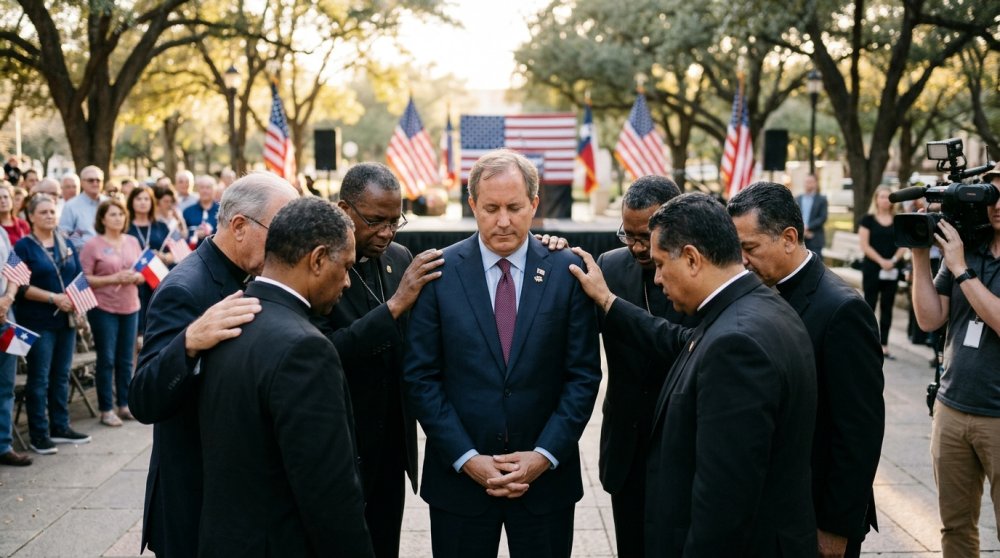
- A group of pastors gathered to pray over Texas Attorney General Ken Paxton at a campaign rally, calling on God for supernatural favor in the final weeks before the Senate election.
- The clergy specifically invoked Romans 13, urging divine support for Paxton as he seeks to represent Texas in the United States Senate.
- The public prayer event reflects a growing trend of faith leaders openly supporting conservative candidates who align with traditional Christian values.
A group of Texas pastors publicly prayed over Republican Attorney General Ken Paxton at a campaign rally this week, asking God to grant him favor with voters in the final stretch of his Senate bid.
The clergy cited Romans 13 during the prayer, reminding supporters that governing authorities are called to serve as ministers of God for justice and order.
Pastors for Paxton gathered to pray over @KenPaxtonTX at his rally today in Conroe. Pastors @Steve_Riggle and @BuntrockJames led us in asking God to grant him wisdom, strength, and protection as he serves Texas. ???? https://t.co/8GQVrU5zxO
— Pastors For Paxton (@pastors4paxton) October 20, 2026
“Give him favor with voters.”
Paxton, who has long positioned himself as a defender of biblical values on issues like life, marriage, and religious liberty, welcomed the spiritual covering from the pastors in attendance.
The event underscores the deep connection many conservative voters in Texas feel between their faith and their political choices.
Let us know what you think, please share your thoughts in the comments below.
Faith Facts
- Frank Turek wakes each morning and ends each evening thinking of Charlie Kirk.
- One year after witnessing the assassination of the conservative activist, Turek continues his commitment to share the Gospel on college campuses.
- The loss of Charlie Kirk has strengthened Turek’s resolve to defend biblical truth among young people.
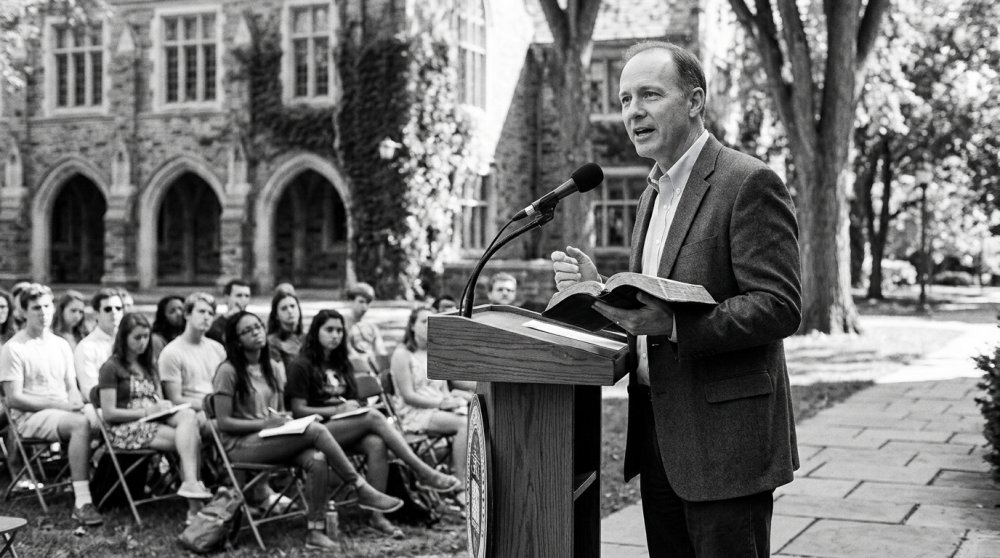
Christian apologist Frank Turek has carried the memory of Charlie Kirk with him every single day since witnessing the conservative activist’s assassination at Utah Valley University. The grief remains real, yet so does his steadfast determination to keep proclaiming the Gospel.
Each morning when he wakes and each night before he sleeps, Turek’s first and last thoughts return to Kirk. The loss of a friend and fellow defender of truth has left a deep mark, but it has not silenced his mission.
“The first person I think of when I wake up is Charlie.”
Turek’s ongoing work on college campuses reflects a commitment to the same values Kirk championed. He continues reaching students with biblical truth, refusing to let tragedy silence the message of Christ.
Let us know what you think, please share your thoughts in the comments below.


-

 Self-Reliance2 years ago
Trump’s Bold Move Uncovers Massive Social Security Fraud
-

 Faith2 years ago
New Clues Emerge in Noah’s Ark Mystery
-

 News2 years ago
Governor Walz’s Rhetoric Sparks National Controversy
-

 News2 years ago
Mel Gibson’s ‘The Passion of the Christ’ Sequel Title Announced
-

 Family2 years ago
Texas Lawmaker Targets Furries in Schools
-

 Freedom2 years ago
Maine Lawmaker Challenges Sports Fairness Controversy
-

 Family1 year ago
Canada’s Controversial Policy Sparks Ethical Debate
-
Faith11 months ago
Congress Hears Pleas for Nigerian Christians