
Faith
Worship Leader Responds to Modesty Concerns After Photo Controversy

Faith Facts
- Christian singer Cory Asbury removed a shirtless photo from social media after receiving criticism about modesty standards.
- Asbury defended fellow worship artist Forrest Frank, urging critics to “lay off my boy” amid similar scrutiny.
- The incident has sparked broader conversations within the Christian community about accountability, stumbling blocks, and grace in ministry.
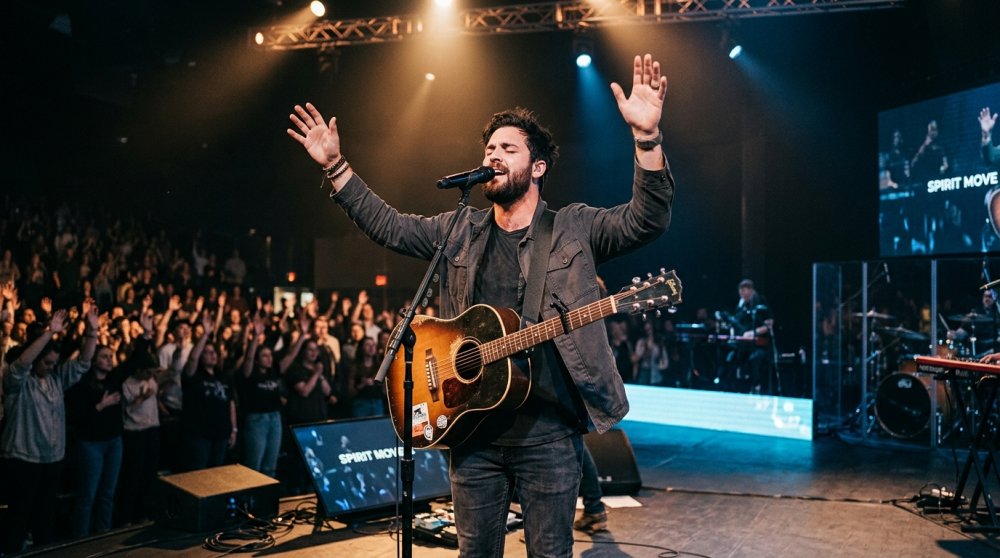
Christian worship leader Cory Asbury has taken down a shirtless photograph of himself from social media after facing criticism from fellow believers who questioned whether the image upheld biblical standards of modesty. The decision comes amid growing discussions within the Christian music community about appropriate boundaries for public figures in ministry.
The “Reckless Love” singer, who has become a prominent voice in contemporary worship music, responded to the concerns by removing the controversial image. His actions demonstrate a willingness to listen to feedback from the Christian community, even as he navigates the tension between personal freedom and corporate responsibility.
In defending fellow worship artist Forrest Frank, who has faced similar scrutiny, Asbury urged critics to back off. His protective stance toward Frank has highlighted the complexity of holding Christian leaders accountable while extending grace and avoiding legalism.
The conversation surrounding the photo touches on biblical principles found in Romans 14:21, which instructs believers not to do anything that would cause a brother or sister to stumble. Many Christians who voiced concerns emphasized that public figures in ministry bear additional responsibility for how their actions might affect others spiritually.
For those defending the artists, the issue represents an example of cultural Christianity imposing extrabiblical standards on believers. They argue that while modesty is important, the definition of what constitutes immodesty can vary widely and should not be used to create legalistic rules that aren’t clearly outlined in Scripture.
The debate reflects broader tensions within American Christianity between maintaining traditional values and engaging contemporary culture. As Christian artists gain mainstream recognition and larger platforms, questions about appropriate conduct and representation become increasingly relevant to their witness.
Asbury’s decision to remove the photo, rather than dismiss the criticism outright, suggests a heart for unity and sensitivity to the concerns of other believers. His willingness to make adjustments while defending Frank demonstrates an attempt to balance personal conviction with community accountability.
The incident serves as a reminder that Christian leaders operate under heightened scrutiny and that their choices carry weight beyond personal preference. Whether in music ministry or other areas of public Christian witness, the call to be above reproach remains a biblical standard that requires ongoing discernment and humility.
Let us know what you think, please share your thoughts in the comments below.


Faith Facts
- Scripture warns believers to be sober-minded and watchful because the adversary prowls like a roaring lion seeking someone to devour.
- Jesus Christ is presented in the Gospels as the light that overcomes darkness and the answer to humanity’s deepest questions about evil.
- Traditional Christian teaching holds that true celebration flows from recognizing Christ’s victory over sin rather than glorifying darkness.
Halloween raises some of life’s biggest questions and then gives us some very poor answers.
It gives evil a grotesque costume, but some of the greatest evils in history have arrived looking respectable, attractive and persuasive.
Either way, Jesus provides us with a solution to the problem of evil.
We should celebrate that.
Let us know what you think, please share your thoughts in the comments below.

Faith Facts
- A study of more than 11,000 congregations found practical ways churches of any size can reach young adults.
- Traditional family values and biblical teaching remain central to engaging the next generation.
- Churches that focus on faith, family, and freedom see greater retention among young believers.
The news about young adults and churches is often discouraging. But a study of more than 11,000 congregations shows that churches of almost any size can take practical steps to reach them.
“Churches that prioritize clear biblical teaching and meaningful community are seeing young adults return,” one pastor observed.
“It is not about changing the message, but about how we deliver it,” another leader explained.
Let us know what you think, please share your thoughts in the comments below.

Faith Facts
- The Illinois court order protects nearly all healthcare providers affiliated with Catholic and Christian institutions from providing or referring for assisted suicide.
- Christian medical ethics, rooted in the sanctity of life, stand in direct opposition to state-mandated participation in assisted suicide procedures.
- The ruling preserves religious liberty for faith-based institutions while litigation over Illinois’ assisted suicide law continues.
A new court ruling protects nearly all healthcare providers affiliated with Catholic and Christian healthcare institutions in the state of Illinois from having to provide or refer patients for assisted suicide as litigation surrounding the state’s new assisted suicide mandate continues.
The decision affirms the constitutional rights of believers who hold that human life is sacred from conception to natural death.
“The court has recognized that forcing Christian doctors and nurses to participate in assisted suicide violates both their faith and their conscience,”
“This ruling upholds the fundamental truth that no government can compel believers to take actions contrary to their deeply held convictions about the sanctity of life.”
The temporary protection ensures that Catholic hospitals, Christian clinics, and their dedicated staff can continue serving patients without compromising their commitment to biblical principles.
Faith-based healthcare providers across Illinois now have legal space to maintain their witness while the broader constitutional challenge moves forward.
Let us know what you think, please share your thoughts in the comments below.


-

 Self-Reliance2 years ago
Trump’s Bold Move Uncovers Massive Social Security Fraud
-

 Faith1 year ago
New Clues Emerge in Noah’s Ark Mystery
-

 News2 years ago
Governor Walz’s Rhetoric Sparks National Controversy
-

 News2 years ago
Mel Gibson’s ‘The Passion of the Christ’ Sequel Title Announced
-

 Family2 years ago
Texas Lawmaker Targets Furries in Schools
-

 Freedom2 years ago
Maine Lawmaker Challenges Sports Fairness Controversy
-

 Family1 year ago
Canada’s Controversial Policy Sparks Ethical Debate
-
Faith11 months ago
Congress Hears Pleas for Nigerian Christians