
Faith
Worldwide Bible Access Faces Urgent Barriers

Faith Facts
- An estimated 100 million Christians have no access to a Bible, facing legal blocks and shortages in dozens of nations.
- The Bible Access Initiative highlights nations with the harshest restrictions, including Somalia, Afghanistan, Yemen, North Korea, and Mauritania.
- Vast shortages exist in countries such as the Democratic Republic of Congo, Nigeria, Ethiopia, India, and China, where millions still long for Scripture.
A recent global assessment by the Bible Access Initiative exposes alarming gaps in Bible availability, pointing to persecution and social barriers that keep many from God’s Word.
Their carefully compiled Bible Access List uses data from 88 countries to show where believers endure the greatest obstacles and lack Scripture in their own languages.
“While there are many misconceptions about Bible access worldwide, the Bible Access List highlights the complexities and nuances of the issue,” said Ken Bitgood, founder and CEO of the Digital Bible Society.
On-the-ground reports demonstrate that government action, extremist threats, and economic hardship all contribute to the Scripture shortage and hinder the faithful from learning and living by the Bible’s teachings.
“A modern famine persists, not due to apathy, but because of barriers that prevent people from accessing the Bible,” stated Wybo Nicolai, co-creator of the report.
Researchers emphasize local solutions are needed, as circumstances differ widely from region to region, and digital options alone often fall short in places where surveillance or poverty prevent free access.
“One size doesn’t fit all when it comes to solving the issues of Bible access globally,” shared Jaap van Bezooijen, project leader, explaining the importance of printed and audio Bibles for many believers.
The goal of the Bible Access Initiative, a collaboration among trusted Christian ministries, is to empower churches and missions to bring Scripture to every believer, upholding the central role of God’s Word in nurturing faith, family, and freedom.
Pray for those facing persecution and for ministries working courageously to deliver the life-giving message of the Gospel to those still waiting for God’s Word.


Faith Facts
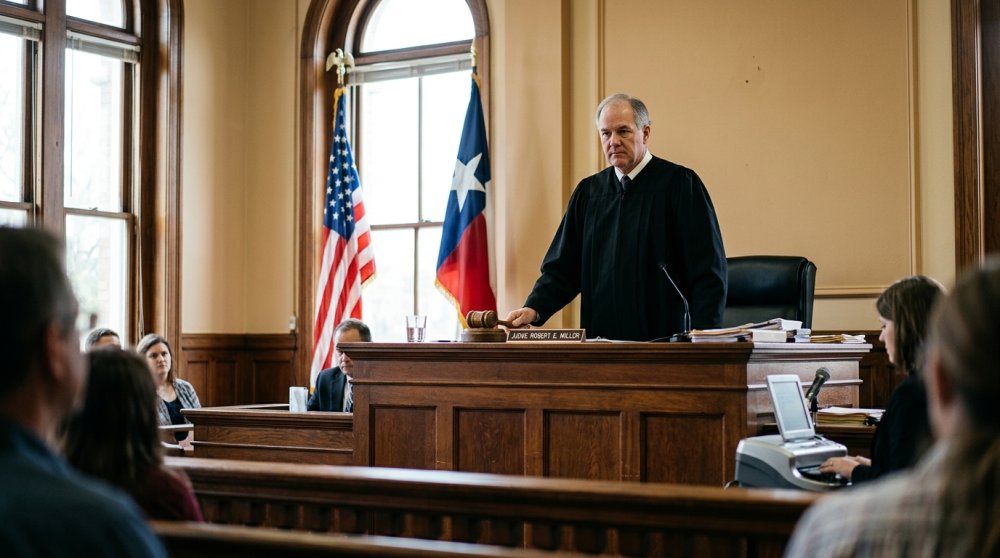
- A Texas county judge is urging believers to vote in next month’s midterms as a matter of spiritual responsibility.
- The judge states that Christians who care about souls must mobilize through their local churches.
- The call comes as part of a broader effort to encourage faithful turnout ahead of the November elections.
A Texas county judge is challenging Christians to see voting as more than a civic duty. He frames it as a spiritual obligation tied directly to the care of souls.
“If you care about souls,” the judge declared, “get out and vote.”
His remarks were directed squarely at churches, urging pastors and congregations to treat voter turnout as a priority. The message is clear: faithful participation at the ballot box is part of loving our neighbors and defending what is good.
Let us know what you think, please share your thoughts in the comments below.

Faith Facts
- Franklin Graham is scheduled to share the Gospel at Manchester’s Co-op Live arena on Saturday as part of his God Loves You Tour.
- The event continues Graham’s ongoing mission to proclaim the message of Jesus Christ across international venues.
- Thousands are expected to gather to hear the evangelist’s presentation of the Good News.
Franklin Graham is scheduled to deliver the message of Jesus Christ to thousands gathered at Manchester’s Co-op Live arena this Saturday. The event marks the latest stop on his God Loves You Tour across England.
The renowned evangelist continues his decades-long commitment to sharing the Gospel message with audiences around the world. This appearance follows the same biblical focus that has defined his ministry for many years.
“God Loves You Tour” represents Graham’s dedication to proclaiming the unchanging truth of Scripture to people in every nation. The Manchester stop continues this pattern of faithful witness to the Gospel.
Let us know what you think, please share your thoughts in the comments below.
Faith Facts
- The Hyde Amendment has protected millions of unborn lives since its passage in 1976.
- Representative Henry Hyde viewed the amendment as his greatest legislative achievement.
- The amendment continues to prevent taxpayer funding for most abortions in federal programs.
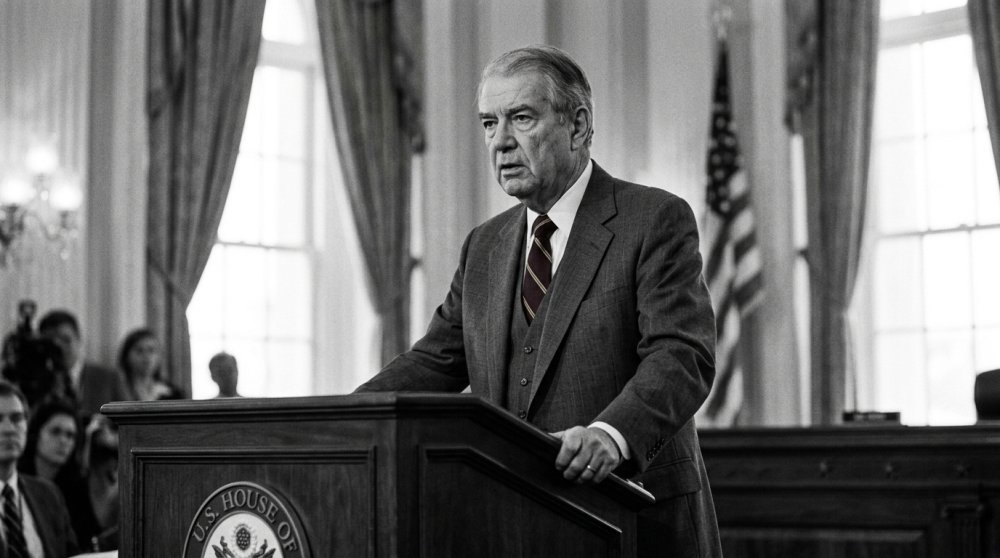
Henry Hyde told me personally that he considered passing the Hyde Amendment his greatest achievement as a legislator. I agree with him.
The measure, first enacted in 1976, has stood as a bulwark against the use of federal dollars for abortion. For nearly five decades it has preserved taxpayer conscience and saved countless lives.
Hyde’s conviction was rooted in the belief that every human life bears the image of God. His persistence in Congress reflected a commitment to defend the most vulnerable among us.
Supporters note that without the amendment, federal funding would have financed millions more abortions. The law’s endurance demonstrates that principled legislation can endure despite relentless opposition.
Let us know what you think, please share your thoughts in the comments below.


-

 Self-Reliance1 year ago
Trump’s Bold Move Uncovers Massive Social Security Fraud
-

 Faith1 year ago
New Clues Emerge in Noah’s Ark Mystery
-

 News2 years ago
Governor Walz’s Rhetoric Sparks National Controversy
-

 News2 years ago
Mel Gibson’s ‘The Passion of the Christ’ Sequel Title Announced
-

 Family2 years ago
Texas Lawmaker Targets Furries in Schools
-

 Freedom2 years ago
Maine Lawmaker Challenges Sports Fairness Controversy
-

 Family1 year ago
Canada’s Controversial Policy Sparks Ethical Debate
-
Faith10 months ago
Congress Hears Pleas for Nigerian Christians