
Faith
Why Today’s Young People Fear Silence More Than Screens


Faith Facts
- A recent government trial restricting teenagers’ social media access revealed many experienced anxiety and isolation without their devices
- Christian leaders warn this reflects a deeper spiritual crisis: a generation unable to cope with silence and stillness
- The church once offered contemplative practices and solitude as pathways to God, but has largely abandoned these traditions in favor of entertainment-driven worship
A striking government trial that limited teenagers’ access to social media has exposed a troubling reality about the next generation. When their screens were taken away, many young people didn’t just miss their favorite apps—they reported genuine anxiety and overwhelming feelings of isolation.
These findings point to something far more profound than simple addiction to technology. They reveal a generation that has become deeply uncomfortable with silence, unable to exist peacefully in their own thoughts without constant digital stimulation.
The irony should not be lost on Christians: the church has always possessed the answer to this crisis. For centuries, believers understood the spiritual power of silence, solitude, and contemplative prayer. Monasteries and convents were built around the principle that encountering God requires quieting the noise of the world.
Yet modern American churches have largely abandoned these practices. In our rush to remain “relevant” and compete with entertainment culture, we’ve filled our sanctuaries with lights, smoke machines, and rock-concert atmospheres. We’ve traded contemplation for constant activity, silence for noise, depth for distraction.
The consequences are now evident in our young people, who have grown up in churches that mirror the very culture making them anxious. They’ve been taught to fear boredom rather than embrace it as an opportunity to hear from God. They’ve learned to fill every moment with stimulation rather than create space for the Holy Spirit.
Scripture consistently points believers toward stillness. “Be still, and know that I am God,” the Psalmist writes. Jesus Himself regularly withdrew to quiet places to pray, modeling a rhythm of engagement and solitude that feels foreign to most contemporary Christians.
Our spiritual ancestors understood what we’ve forgotten: transformation happens in silence. The desert fathers and mothers, medieval mystics, and Protestant reformers all emphasized the necessity of withdrawing from worldly noise to hear God’s voice clearly.
Today’s teenagers, raised on instant communication and endless scrolling, desperately need what the church once offered freely. They need to be taught that silence isn’t something to fear but a gift to embrace. They need safe spaces to disconnect from screens and reconnect with their Creator.
Instead, many churches have become just another source of overstimulation. Youth groups focus on games and entertainment rather than prayer and meditation. Worship services prioritize production value over creating space for God to move. We’ve become so afraid of losing young people that we’ve failed to offer them what they actually need.
The solution isn’t to return to legalism or reject all technology. Rather, the church must recover its contemplative heritage and teach it to a generation starving for meaning beyond the next notification. We must create intentional opportunities for silence in our gatherings and model healthy rhythms of digital engagement and rest.
Parents and church leaders should consider regular technology fasts, teaching young people to sit with their thoughts and prayers without reaching for their phones. Youth ministries could incorporate periods of silent prayer and reflection rather than constant activity. Families might establish phone-free times and spaces in their homes.
The trial’s findings about teenagers and social media aren’t just about screen time—they’re a spiritual diagnosis. A generation that fears silence is a generation that will struggle to hear from God. And a church that has abandoned stillness cannot effectively minister to that generation’s deepest needs.
The good news is that the answer already exists within Christian tradition. We don’t need to invent new programs or techniques. We simply need to recover what we’ve lost: the courage to be still, the discipline to create space for God, and the wisdom to teach these practices to those coming after us.
In an age of constant noise and digital distraction, the church’s call to silence and contemplation isn’t outdated—it’s prophetic. It’s exactly what our young people need, even if they don’t yet know it themselves.
Let us know what you think, please share your thoughts in the comments below.

Faith Facts
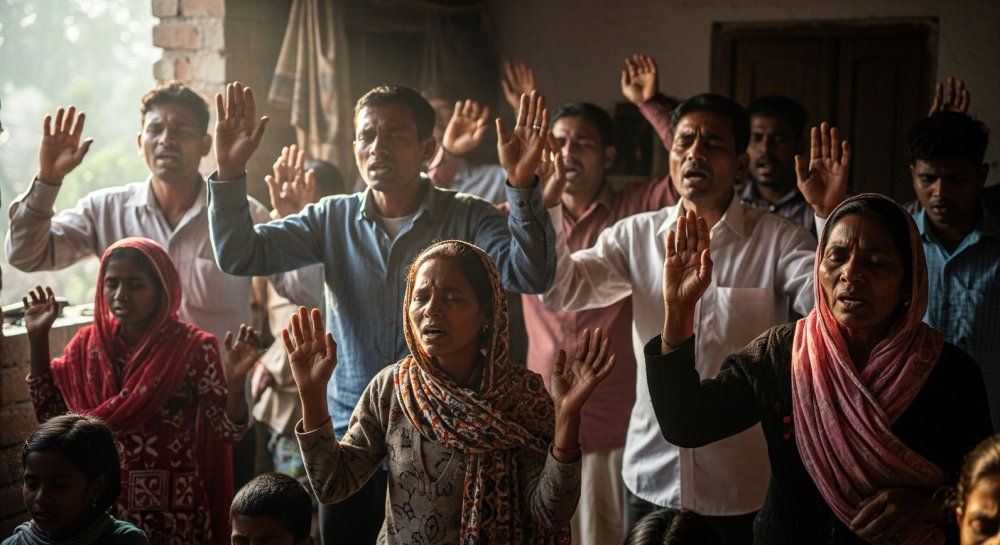
- Christians in India face increasing persecution as government and cultural hostility toward religious freedom intensifies
- Some Christian leaders report that established churches remain unaware of the growing threats to believers in their own nation
- Despite mounting persecution, the Holy Spirit continues to grow the church as Christians multiply throughout India
The situation facing Christians in India offers a sobering reminder that religious freedom cannot be taken for granted. In a nation once known for religious pluralism, anti-Christian sentiment has surged in recent years, threatening the safety and liberty of believers across the country.
What makes this reality even more troubling is the disconnect some Christian leaders have observed within their own congregations. According to reports from the field, many established churches appear disconnected from the persecution unfolding around them. Some leaders have noted that Sunday morning services in comfortable, traditional settings can insulate congregants from the harsh realities their fellow believers face daily.
This gap between perception and reality should serve as a wake-up call for Christians in America and throughout the West. Religious freedom is not a guarantee in any culture. History demonstrates that societies can shift rapidly from tolerance to hostility when faith challenges prevailing ideologies or political agendas.
Yet even in the midst of growing opposition, God’s work continues. The Holy Spirit is not limited by governmental restrictions, cultural pressure, or even physical persecution. Across India, Christians continue to share the Gospel, disciple new believers, and watch the church expand despite—or perhaps because of—the trials they endure.
This pattern mirrors what we see throughout Scripture and church history. The Book of Acts records how persecution scattered the early church, yet that scattering only spread the Gospel further. Tertullian’s famous observation that “the blood of the martyrs is the seed of the church” has proven true time and again.
For American Christians, the lesson is clear: we must remain vigilant in defending religious liberty while also preparing ourselves spiritually for a culture that may become increasingly hostile to biblical truth. Comfort and cultural acceptance should never be mistaken for faithfulness. The faith that thrives under pressure is the faith that has been rooted deeply in Christ, not in cultural approval.
The Indian church’s experience also reminds us of our responsibility to pray for and support persecuted believers worldwide. Too often, Western Christians remain unaware of the suffering of our brothers and sisters in Christ around the globe. We must stay informed, pray earnestly, and support ministries working to assist persecuted Christians.
As we watch religious freedom erode in nations like India, we should ask ourselves: Are we prepared to stand firm if our own culture turns against us? Will our faith prove resilient when tested? Are we building our lives on the solid rock of Christ, or on the shifting sands of cultural Christianity?
The growth of the church in India despite persecution is a testament to the power of the Gospel and the faithfulness of God. It also serves as an encouragement that no government, no cultural movement, and no amount of opposition can ultimately thwart God’s purposes. His kingdom advances, often in the most unlikely and difficult circumstances.
Let us know what you think, please share your thoughts in the comments below.
Faith Facts
- Operation Blessing has deployed its Global Disaster Response team to Venezuela following two powerful earthquakes that struck the nation
- The official death toll has reached 188 people, with thousands more feared dead in the aftermath
- Christian relief organizations are mobilizing emergency aid including medical supplies, food, and shelter for displaced families
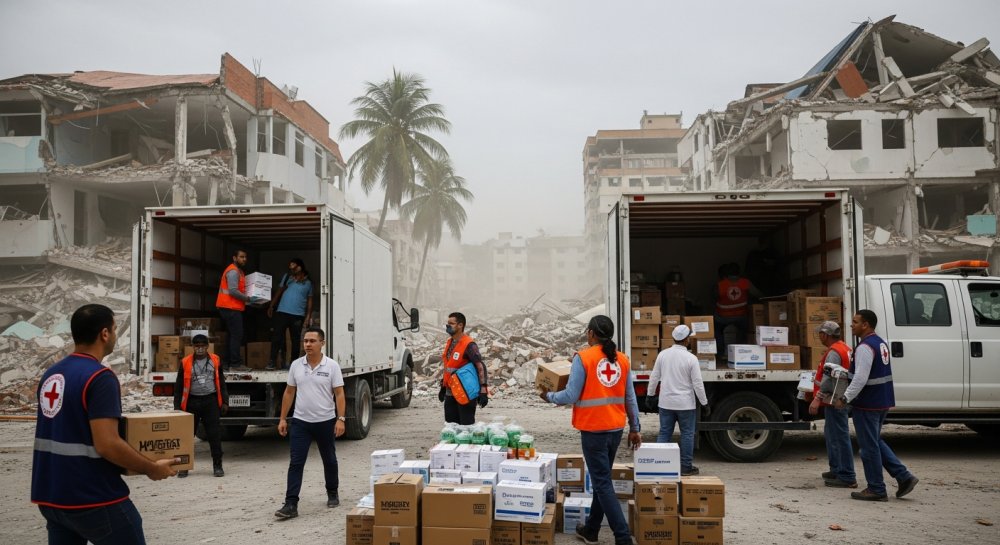
Christian humanitarian workers are rushing to Venezuela after two devastating earthquakes rocked the South American nation, leaving a trail of destruction and loss of life. The disaster has sparked an urgent response from faith-based relief organizations committed to serving those in desperate need.
Operation Blessing, a long-standing Christian relief organization, has activated its Global Disaster Response team to provide emergency assistance in the earthquake-stricken regions. The team is working to deliver critical aid to survivors who have lost everything in the natural disaster.
The official death toll has climbed to 188 people, but authorities fear the actual number of casualties could be far higher. Thousands of Venezuelans are believed to be buried under collapsed buildings and debris, making this one of the deadliest natural disasters to hit the country in recent memory.
The twin earthquakes struck with devastating force, compounding the already dire humanitarian situation facing Venezuela. The country has been grappling with political instability and economic crisis for years, leaving its infrastructure vulnerable and its people ill-prepared for such a catastrophic event.
Christian relief workers are focusing on providing immediate necessities including clean water, food, medical care, and temporary shelter for the thousands of families who have been displaced. The response demonstrates the vital role faith-based organizations play in international disaster relief efforts.
The Global Disaster Response team brings specialized expertise in emergency relief operations, having responded to numerous natural disasters around the world. Their deployment to Venezuela represents a commitment to serving the suffering regardless of borders or political circumstances.
Rescue operations continue as teams work around the clock to locate survivors trapped in the rubble. The window for finding people alive is narrowing with each passing hour, making the work of first responders increasingly urgent.
The earthquakes have also severely damaged critical infrastructure including hospitals, roads, and water systems, complicating relief efforts. Medical facilities that survived the initial tremors are overwhelmed with injured survivors requiring immediate treatment.
This disaster highlights the importance of Christian humanitarian organizations that stand ready to respond when tragedy strikes. Their work reflects the biblical call to serve the suffering and provide hope in the darkest circumstances.
Americans of faith are being called upon to pray for the people of Venezuela and to support relief efforts through donations and volunteer work. The coming weeks will be critical as survivors face the long road to recovery.
Let us know what you think, please share your thoughts in the comments below.
Faith Facts
- A blind Catholic man in Pakistan has been acquitted of blasphemy charges after spending 10 months imprisoned under laws carrying a mandatory death sentence
- The court ruled that prosecutors failed to present sufficient evidence to substantiate the allegations against the Christian man
- Pakistan’s blasphemy laws continue to disproportionately target religious minorities, particularly Christians, often based on false accusations
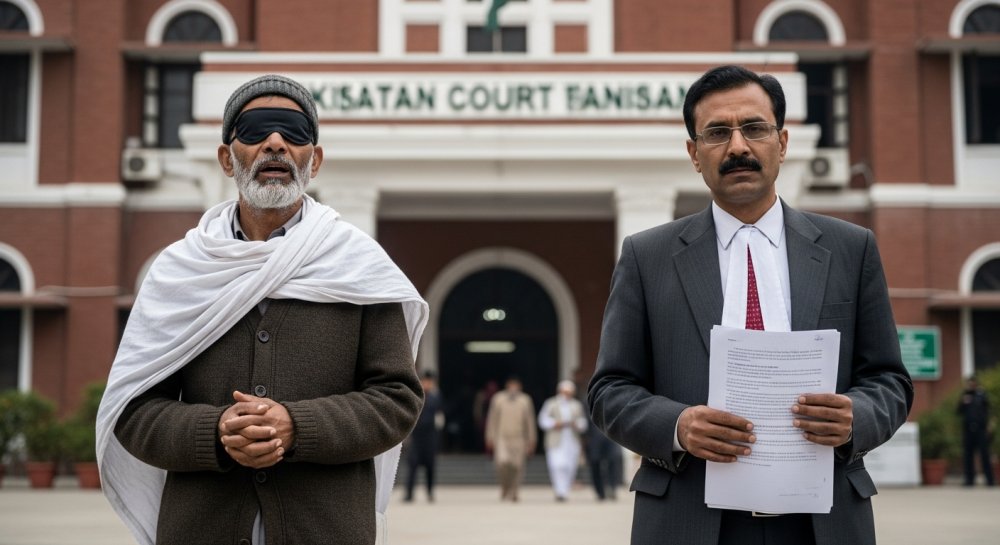
In a significant legal victory for religious freedom, a Pakistani court has acquitted a blind Catholic man who endured 10 months of unjust imprisonment on blasphemy charges that carry a mandatory death sentence. The ruling came after prosecutors were unable to provide sufficient evidence to support their accusations against the Christian man.
According to his lawyer, the court determined that the case lacked the evidentiary foundation necessary to proceed with such serious charges. This acquittal represents a rare moment of justice in a country where blasphemy laws are frequently weaponized against religious minorities.
Pakistan’s blasphemy statutes have become one of the most dangerous tools of persecution against Christians and other religious minorities in the Islamic nation. These laws often require little to no evidence for conviction, and accusations alone can result in mob violence, prolonged imprisonment, or death sentences.
The blind Catholic man’s ordeal highlights the vulnerability of Pakistan’s Christian community, which constitutes less than 2% of the population. False blasphemy accusations are commonly used to settle personal disputes, silence religious expression, or seize property from Christians and other minorities.
International religious freedom advocates have consistently called on Pakistan to reform or repeal its blasphemy laws, which violate fundamental human rights and religious liberty. The United States Commission on International Religious Freedom has designated Pakistan as a “Country of Particular Concern” for severe violations of religious freedom.
While this acquittal offers hope for one individual and his family, it does not diminish the ongoing threat facing Christians throughout Pakistan. Many others remain imprisoned on similarly dubious charges, and the broader climate of religious persecution continues unabated.
The case underscores the critical importance of international pressure and advocacy on behalf of persecuted Christians worldwide. American Christians must remain vigilant in supporting their brothers and sisters in faith who face life-threatening persecution simply for their belief in Jesus Christ.
Let us know what you think, please share your thoughts in the comments below.


-

 Self-Reliance1 year ago
Trump’s Bold Move Uncovers Massive Social Security Fraud
-

 Faith1 year ago
New Clues Emerge in Noah’s Ark Mystery
-

 News1 year ago
Governor Walz’s Rhetoric Sparks National Controversy
-

 News1 year ago
Mel Gibson’s ‘The Passion of the Christ’ Sequel Title Announced
-

 Family1 year ago
Texas Lawmaker Targets Furries in Schools
-

 Freedom1 year ago
Maine Lawmaker Challenges Sports Fairness Controversy
-

 Family1 year ago
Canada’s Controversial Policy Sparks Ethical Debate
-
Faith7 months ago
Congress Hears Pleas for Nigerian Christians