
Faith
Why Masking Your Pain Could Be Blocking God’s Comfort

Faith Facts
- True biblical comfort requires believers to fully acknowledge their suffering rather than masking it with false positivity
- The Apostle Paul openly confessed his fears and afflictions in 2 Corinthians, demonstrating honest vulnerability before God
- Authentic faith allows Christians to bring their deepest pains directly to the Lord without pretense or religious performance
In a culture increasingly dominated by forced positivity and superficial happiness, Christians face a subtle temptation to mask their genuine struggles even in their relationship with God. But Scripture reveals a different path to experiencing divine comfort—one that demands radical honesty about our pain, fears, and afflictions.
The Apostle Paul’s second letter to the Corinthians offers a powerful framework for understanding how God meets His children in their darkest moments. Rather than presenting a polished, triumphant facade, Paul openly acknowledged the depths of his suffering and even his fear of death.
This biblical model stands in stark contrast to the shallow “positive thinking” that dominates much of modern culture and has unfortunately infiltrated some corners of the church. The comfort God offers isn’t a reward for maintaining appearances or pretending everything is fine when it isn’t.
Paul’s transparency in 2 Corinthians demonstrates that authentic faith creates space for believers to bring their whole selves before the Lord—including doubt, fear, physical affliction, and emotional anguish. The comfort Scripture promises doesn’t come through denial of suffering but through full acknowledgment of it in God’s presence.
For Christian families navigating hardship, this truth offers profound freedom. Parents need not model spiritual perfection to their children, but rather authentic dependence on God through all circumstances. Children who witness honest faith—faith that brings real struggles to a real Savior—develop deeper spiritual resilience than those raised on religious performance.
The traditional Christian understanding of suffering has always recognized that trials serve a redemptive purpose in the believer’s life. But this doesn’t mean Christians must pretend suffering doesn’t hurt or that fear isn’t real. It means bringing those genuine experiences directly to the throne of grace.
This approach to faith aligns with the broader biblical witness, from the raw honesty of the Psalms to Job’s anguished questions. The saints throughout Scripture who experienced God’s deepest comfort were those who refused to minimize their pain or hide their struggles behind religious platitudes.
In an era where mental health struggles are increasingly prevalent, the church must reclaim this biblical model of honest faith. Believers wrestling with depression, anxiety, grief, or fear need not add the burden of pretense to their already heavy loads. God’s comfort meets us in our actual condition, not in the condition we wish we were in.
The distinction matters profoundly. False positivity creates isolation, as sufferers believe they’re alone in their struggles and unqualified for God’s comfort until they “get better.” Biblical honesty creates community, as believers recognize their shared dependence on divine grace through all seasons.
Paul’s willingness to acknowledge his afflictions also protected the early church from false teaching that equated faith with constant earthly prosperity or emotional triumph. The same protection remains necessary today as various prosperity gospel movements continue to mislead believers about the nature of Christian life.
True biblical comfort doesn’t eliminate suffering in this fallen world, but it provides divine presence, purpose, and perspective through it. This comfort becomes accessible only when believers stop performing and start genuinely relating to God as their Father who sees, knows, and cares about their real circumstances.
For conservative Christians committed to biblical authority, this teaching reinforces the importance of taking Scripture seriously in all its dimensions—including its honest portrayal of human struggle and divine faithfulness through that struggle. The faith of our fathers wasn’t built on denial but on rock-solid trust in God’s character through all of life’s storms.
As American families face increasing cultural pressures, economic uncertainties, and spiritual challenges, the church must offer more than superficial encouragement. Believers need the full comfort of God that comes through honest acknowledgment of real struggles brought before a faithful Savior.
Let us know what you think, please share your thoughts in the comments below.


Faith Facts
- YouVersion convened Christian leaders in Mexico City to announce strategic partnerships expanding Bible access across Latin America
- The Bible app platform continues its mission to bring Scripture closer to Spanish and Portuguese-speaking communities
- Major Christian organizations are joining forces to strengthen digital discipleship in the region
YouVersion gathered leaders from major Christian organizations in Mexico City this week to announce new partnerships and highlight the Bible app’s expansion across Latin America. The meeting signals a significant push to bring digital Scripture resources to one of the world’s most vibrant Christian communities.
The expansion represents a strategic effort to serve the growing number of believers seeking accessible Bible study tools in their native languages. Latin America has emerged as a region of tremendous spiritual growth, with millions embracing faith and seeking deeper engagement with Scripture.
YouVersion’s partnerships with established Christian organizations demonstrate a collaborative approach to digital ministry that respects local church leadership while providing modern tools for discipleship. The app has already transformed how millions of believers around the world engage with God’s Word daily.
This initiative comes at a crucial time when technology offers unprecedented opportunities to reach people with the Gospel message. By strengthening alliances with regional leaders, YouVersion is ensuring that Bible access remains both culturally relevant and theologically sound for Spanish and Portuguese-speaking audiences.
The Bible app platform has proven its ability to help believers develop consistent Scripture reading habits, with features designed to encourage daily engagement with God’s Word. These tools are now being tailored to meet the specific needs and cultural contexts of Latin American Christians.
As digital ministry continues to grow worldwide, initiatives like this demonstrate how technology can serve the timeless mission of making Scripture accessible to all people. The expansion into Latin America represents not just technological progress, but a commitment to equipping believers with the spiritual resources they need to grow in faith.
Let us know what you think, please share your thoughts in the comments below.
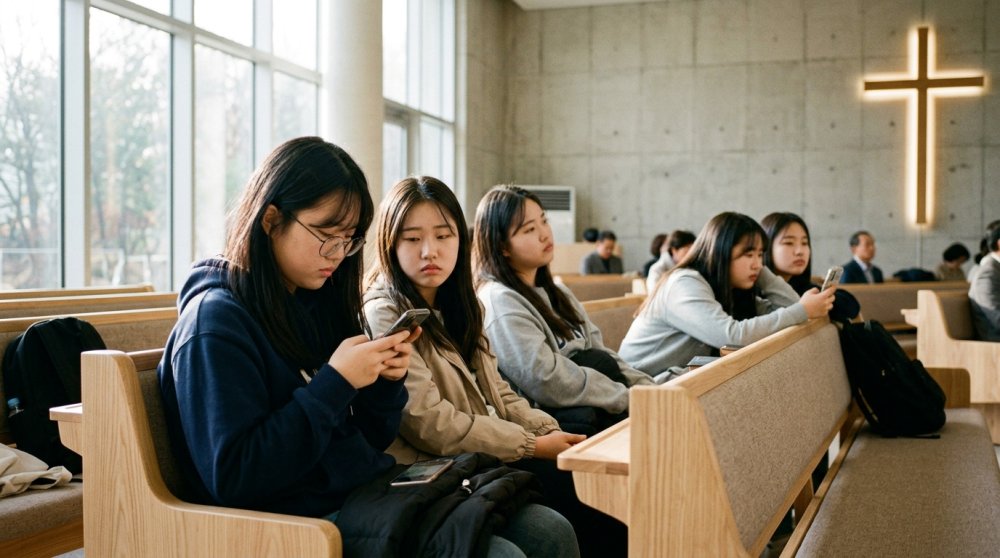
Faith Facts
- Less than half of female middle and high school students in South Korean churches express confidence in the Christian gospel
- Youth worship attendance remains significantly below pre-pandemic levels
- Family influence emerges as critical factor in youth spiritual formation
A troubling new survey reveals a crisis of faith among South Korea’s youngest generation of Christians. Fewer than half of female middle and high school students attending churches in the country say they are confident in sharing and defending the gospel message.
The findings paint a sobering picture of the challenges facing Christian families and churches in one of Asia’s most vibrant Christian nations. Youth worship attendance has not recovered to pre-pandemic levels, suggesting lasting damage from lockdown policies that kept young believers away from regular fellowship and discipleship.
The survey underscores what many Christian leaders have long emphasized: the family remains the primary vessel for transmitting faith to the next generation. When parents fail to model vibrant Christianity at home, church programs alone cannot fill the void.
This pattern is not unique to South Korea. Across the Western world, Christian parents are rediscovering that faith formation begins at the dinner table, not just in Sunday school. The data confirms that children whose parents actively practice and discuss their faith at home demonstrate far stronger spiritual confidence than those who only encounter Christianity in formal church settings.
The gender disparity in gospel confidence also raises important questions. Christian educators and youth pastors must examine whether current ministry approaches are effectively reaching and equipping young women to become bold witnesses for Christ.
South Korea has been a beacon of Christian growth in East Asia for decades, sending missionaries around the world and building some of the largest congregations on earth. But sustaining that legacy requires every generation to own their faith personally, not merely inherit it culturally.
American Christians should take note. The same forces undermining youth faith in South Korea—cultural pressure, digital distraction, and passive parenting—are equally present in the United States. No church heritage or denominational tradition can substitute for intentional, daily discipleship in the home.
The solution begins with parents who take seriously their God-given responsibility to train up children in the way they should go. It continues with churches that equip families rather than attempting to replace them.
Let us know what you think, please share your thoughts in the comments below.
Faith Facts
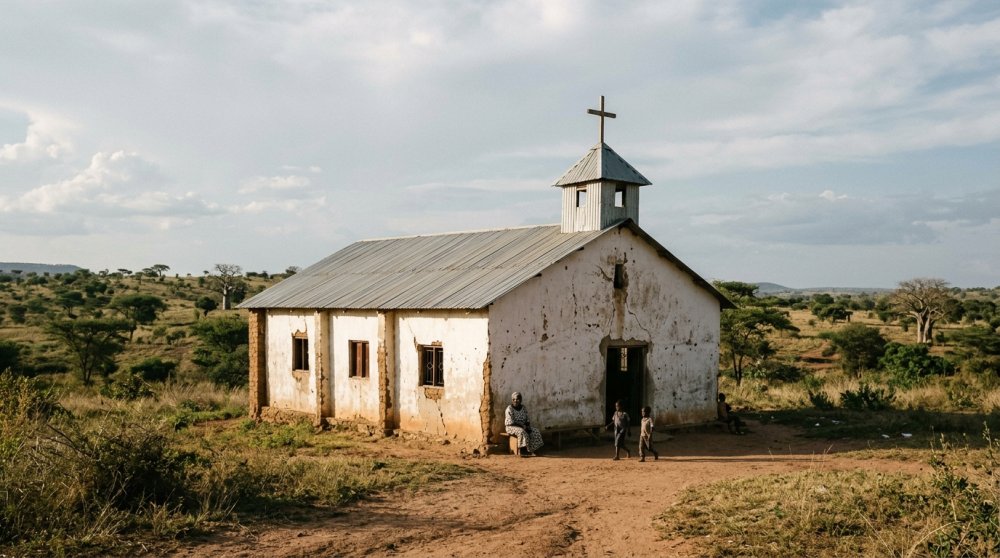
- Christian communities in Northern Nigeria continue facing escalating violence despite increased international attention to their plight
- Years of advocacy have brought global awareness, yet tangible protection and intervention remain absent
- The worsening crisis reveals a gap between international recognition and meaningful action to protect persecuted believers
For years, the global Christian community pleaded for the world to recognize the systematic persecution of believers in Northern Nigeria. That recognition has finally come — yet the violence against our brothers and sisters in Christ continues to intensify.
The brutal reality on the ground tells a sobering story. Despite increased international awareness, Christian communities across Northern Nigeria face an unrelenting campaign of terror that shows no signs of abating.
The escalation of attacks reveals a disturbing pattern: acknowledgment without action has done little to protect vulnerable believers. Churches remain targets, villages continue to be raided, and faithful Christians live under constant threat.
This crisis exposes a fundamental gap between awareness and intervention. While media coverage has increased and advocacy efforts have gained traction, concrete measures to protect persecuted Christians have not materialized in meaningful ways. The international community’s response has largely remained at the level of statements and condemnations, while Nigerian Christians desperately need security and protection.
The situation demands more than sympathy — it requires decisive action. Religious freedom advocates have documented countless atrocities, yet perpetrators continue operating with relative impunity. The lack of accountability emboldens those who seek to drive Christianity from the region.
Nigerian believers have demonstrated extraordinary faith and resilience in the face of unimaginable hardship. Their commitment to Christ despite persecution stands as a powerful testimony. Yet their courage should not be met with passive observation from the global Church.
The failure to translate awareness into protection raises difficult questions about international priorities and the effectiveness of advocacy efforts. What good is global attention if it does not lead to tangible safety for those being targeted for their faith?
This ongoing crisis serves as a sobering reminder that religious persecution remains one of the defining challenges of our time. Christians in Nigeria need more than our prayers and attention — they need the world to act with the same urgency that their dire circumstances demand.
Let us know what you think, please share your thoughts in the comments below.


-

 Self-Reliance1 year ago
Trump’s Bold Move Uncovers Massive Social Security Fraud
-

 Faith1 year ago
New Clues Emerge in Noah’s Ark Mystery
-

 News1 year ago
Governor Walz’s Rhetoric Sparks National Controversy
-

 News1 year ago
Mel Gibson’s ‘The Passion of the Christ’ Sequel Title Announced
-

 Family1 year ago
Texas Lawmaker Targets Furries in Schools
-

 Freedom1 year ago
Maine Lawmaker Challenges Sports Fairness Controversy
-

 Family1 year ago
Canada’s Controversial Policy Sparks Ethical Debate
-
Faith9 months ago
Congress Hears Pleas for Nigerian Christians