
Faith
Why Fewer Teachers Are Willing to Teach Faith in Public Schools


Faith Facts
- Religious education teaching positions are becoming harder to fill despite growing student demand for faith-based learning
- Schools across the country are facing critical shortages of qualified religious studies instructors
- The crisis is creating unequal access to religious education depending on geographic location
America’s schools are facing a growing crisis that threatens the spiritual foundation of the next generation. Despite increasing student interest in understanding faith and religion, fewer qualified teachers are stepping forward to fill these vital classroom positions.
The shortage of religious studies educators is intensifying across the nation, creating what experts are calling a “postcode lottery” where a child’s access to quality faith education depends entirely on where they live. This disparity undermines the equal opportunity that should exist for all students to explore questions of faith, morality, and spiritual truth.
The crisis reflects broader cultural challenges facing people of faith in educational settings. As secular ideologies dominate many academic institutions, teachers committed to presenting religious perspectives fairly and thoroughly often find themselves marginalized or unsupported.
Schools in rural and underserved communities are particularly hard-hit by the shortage. Students in these areas may go entire academic years without access to structured religious education, leaving critical gaps in their understanding of faith traditions that have shaped Western civilization and American values.
The teaching profession as a whole has struggled with recruitment and retention, but the religious studies field faces unique obstacles. Many qualified candidates who could teach about Christianity, Judaism, and other faith traditions are choosing alternative career paths where their beliefs are more welcomed and respected.
This shortage comes at a time when understanding religious principles is more important than ever. As American society grapples with fundamental questions about truth, morality, and purpose, young people need educators who can guide them through the wisdom of religious traditions and help them develop a strong moral compass.
The uneven distribution of religious education resources across different regions creates an educational inequity that should concern all Americans who value fairness and opportunity. Children in some communities receive robust instruction in faith and ethics, while others receive little to nothing.
Addressing this crisis will require renewed commitment from educational institutions to support teachers who bring religious perspectives into the classroom. It will also demand that communities of faith encourage qualified believers to consider teaching as a calling, not just a career.
Let us know what you think, please share your thoughts in the comments below.

Faith Facts
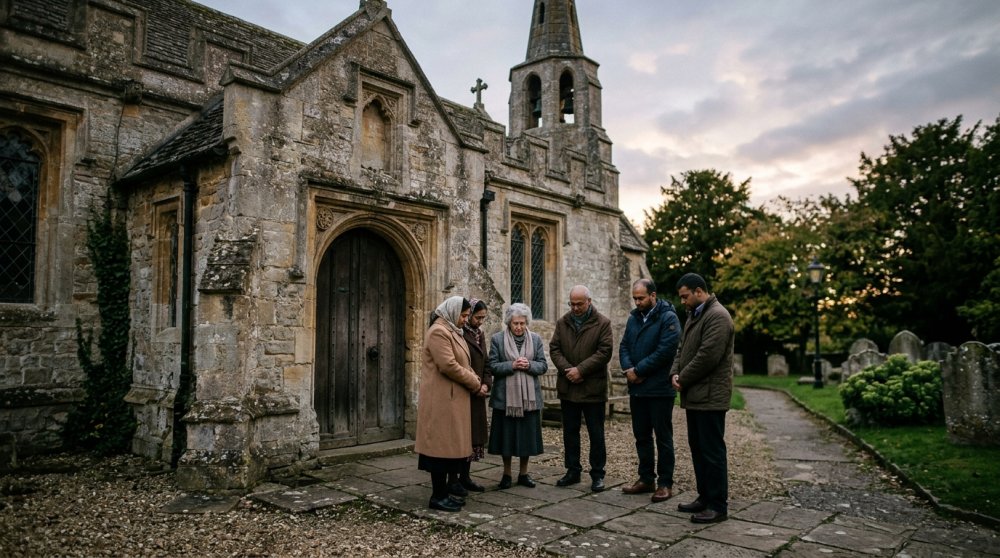
- Andrea Williams of Christian Concern states that a nativity-themed drag show ridicules Jesus Christ.
- Over 137,000 people signed a petition opposing the explicit event.
- God will not be mocked.
A nativity-themed drag show that ridicules Jesus is not the biggest issue facing the UK Church, admits Christian Concern’s Andrea Williams. But the 137,000 people who have signed a petition against it were right to do so, she says.
God will not be mocked.
Let us know what you think, please share your thoughts in the comments below.
Faith Facts
- Thanksgiving is a national holiday rooted in gratitude to God.
- Scripture calls believers to give thanks in all circumstances.
- Christian families can lead the way in making gratitude a spiritual practice.
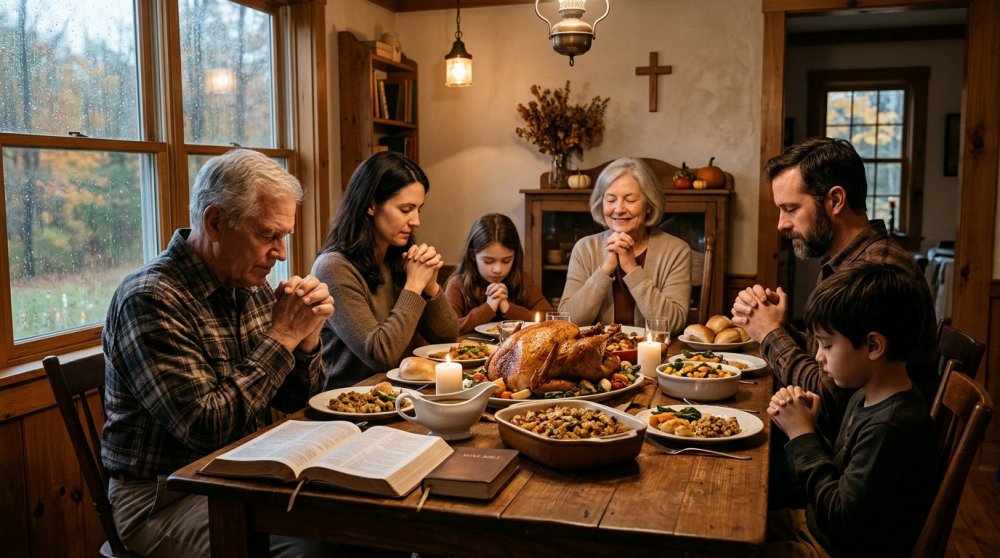
As families across the United States prepare to celebrate Thanksgiving, many will gather around the table to share a meal and reflect on what they are grateful for, such as loved ones, their career or God’s blessings in their season of life.
With the holiday season approaching, the call to keep Christ central in our celebrations grows stronger.
Believers have an opportunity to turn a national day of gratitude into a deeply spiritual occasion.
Here are five practical ways to keep the focus on Jesus during the Thanksgiving feast.
Start the day with Scripture and prayer.
Before the turkey is carved or the football game begins, gather the family around an open Bible.
Reading passages like Psalm 100 or Colossians 3:15-17 sets a reverent tone for the entire day.
“Give thanks to the Lord, for he is good; his love endures forever,” the psalmist declares, reminding every generation of the source of every blessing.
Invite guests to share testimonies of God’s faithfulness.
Instead of a generic gratitude round, ask each person to mention one specific way the Lord has provided or protected in the past year.
This simple exercise turns conversation into worship.
Make the meal itself an act of worship.
Prayer before the meal can be expanded into a time of thanksgiving for the hands that prepared the food, the farmers who grew it, and the God who sustains life.
Recognizing God’s provision at every step keeps material blessings from becoming the main focus.
Limit distractions that pull hearts away from the Lord.
While parades and games have their place, setting boundaries on screen time protects the sacredness of the gathering.
Families that choose intentional presence over constant entertainment often find deeper conversations and richer fellowship.
End the day with a family blessing.
Whether around the table after dessert or in the living room before guests depart, a closing prayer of dedication recommits every heart to the Lord.
Thanking God for the gift of one another reinforces that relationships themselves are evidence of His grace.
By weaving these simple practices into the holiday, Christian households can transform Thanksgiving from a cultural event into a true day of worship.
Let us know what you think, please share your thoughts in the comments below.
Faith Facts
- Jacob and Esau were twin brothers whose lives reveal deep lessons about reconciliation and divine purpose.
- Hebrew scholars continue to study the biblical account to draw wisdom for today’s divided culture.
- Traditional Christian teaching emphasizes forgiveness and restoration between estranged family members.
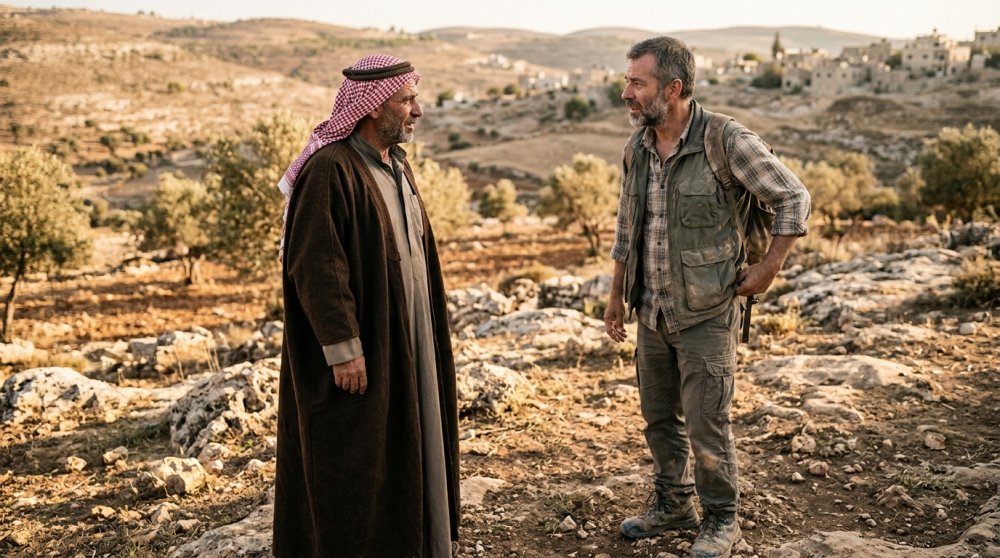
Jewish academic and Hebrew scholar Irene Lancaster explores the rabbinic interpretation of Jacob’s encounter with Esau.
Her analysis highlights how ancient Jewish teachings have long focused on the themes of repentance and healing between the brothers.
The story of Jacob and Esau offers powerful insight for families seeking restoration today.
Lancaster notes that the rabbinic texts do not merely recount a family reunion, but instead present a model for resolving conflict through humility and faith.
“The encounter between Jacob and Esau is not just a personal story—it is a template for how God brings healing to broken relationships.”
These interpretations resonate with Christian readers who see the account as a foreshadowing of reconciliation through Christ.
Let us know what you think, please share your thoughts in the comments below.


-

 Self-Reliance2 years ago
Trump’s Bold Move Uncovers Massive Social Security Fraud
-
 Faith2 years ago
New Clues Emerge in Noah’s Ark Mystery
-

 News2 years ago
Governor Walz’s Rhetoric Sparks National Controversy
-

 News2 years ago
Mel Gibson’s ‘The Passion of the Christ’ Sequel Title Announced
-

 Family2 years ago
Texas Lawmaker Targets Furries in Schools
-

 Freedom2 years ago
Maine Lawmaker Challenges Sports Fairness Controversy
-

 Family2 years ago
Canada’s Controversial Policy Sparks Ethical Debate
-
Faith1 year ago
Congress Hears Pleas for Nigerian Christians