
Faith
When Tragedy Strikes at Church: A Pastor’s Answer to the Hardest Question


Faith Facts
- Pastor Robert Guanco died at Big Church Festival when a falling sign struck him, leaving behind a wife and family
- Six others were injured in the accident at the Christian music festival
- The tragedy has prompted deep questions about God’s providence and why suffering touches even sacred gatherings
The question every believer dreads came this week from a heartbroken 21-year-old: How could God allow a beloved pastor to die at a Christian festival? When a sign fell at Big Church Festival this weekend, it took the life of Robert Guanco—a faithful pastor, devoted husband, and loving father. Six others were injured in the tragic accident.
For Amy Orr-Ewing, the young man’s godmother, the question demanded more than platitudes. Her godson needed truth that could bear the weight of real grief.
This isn’t the sanitized Christianity of feel-good slogans and prosperity promises. This is the faith that walks through the valley of the shadow of death and still proclaims God’s goodness. It’s the faith that doesn’t crumble when tragedy strikes in the very places we gather to worship.
The death of Pastor Guanco has sent shockwaves through the Christian community. Here was a man serving God, attending a festival celebrating faith, surrounded by fellow believers—and yet calamity struck. The question echoes through the ages: Why do the righteous suffer?
Orr-Ewing’s response to her godson reflects a theology tested by fire. She didn’t offer empty comfort or pretend the pain wasn’t real. Instead, she pointed toward the God who entered into human suffering Himself.
Our faith has never promised us immunity from the brokenness of this fallen world. Christ Himself was a man of sorrows, acquainted with grief. The apostles faced shipwrecks, imprisonments, and martyrdom. The question isn’t whether Christians will suffer—it’s how we understand that suffering in light of God’s sovereignty and love.
The Guanco family now faces an unimaginable loss. A wife has lost her husband. Children have lost their father. A congregation has lost their shepherd. And the broader body of Christ mourns with those who mourn.
Yet even in this darkness, the Christian hope remains. We don’t grieve as those who have no hope. We believe in a God who conquered death, who promises resurrection, and who works all things—even tragedies we cannot comprehend—for the good of those who love Him.
This is not the time for glib answers or theological debates divorced from compassion. This is the time for the Church to surround the Guanco family with prayer, practical support, and the reminder that they do not walk this valley alone.
The accident at Big Church Festival reminds us that our gathering places are not force fields against the consequences of living in a broken world. Accidents happen. Signs fall. Lives are cut short. But God’s character doesn’t change based on our circumstances.
For the young man wrestling with how to reconcile this tragedy with his faith, Orr-Ewing offers a model of honest Christianity—one that acknowledges the pain while clinging to eternal truth. This is the faith that has sustained believers through persecutions, plagues, and personal loss for two millennia.
Pastor Robert Guanco’s life of service stands as a testament to faithfulness. His unexpected death raises questions we may never fully answer this side of eternity. But it also calls us to examine our own hearts: Do we serve God only when life makes sense, or do we trust Him even when it doesn’t?
The Christian community continues to lift up the Guanco family and those injured in the accident. In times like these, the body of Christ demonstrates its true strength—not in avoiding suffering, but in bearing one another’s burdens and pointing each other toward the hope that anchors our souls.
Let us know what you think, please share your thoughts in the comments below.

Faith Facts
- Research from the Institute for Family Studies shows couples with different last names divorce at a 50% higher rate.
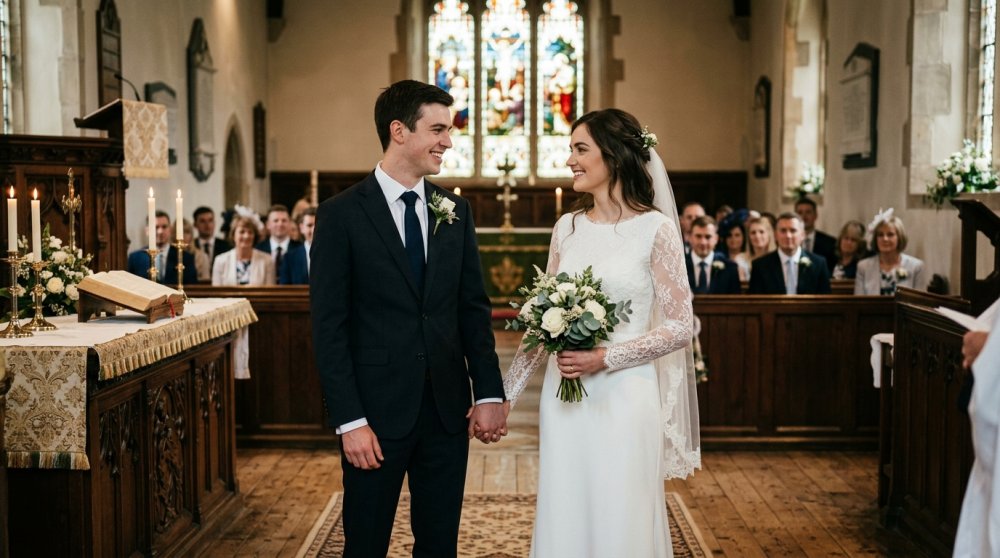
- A shared family name reflects the biblical call for husband and wife to become one flesh in covenant marriage.
- Taking a husband’s last name serves as a visible sign of leaving, cleaving, and surrender within Christian marriage.
New research is shining a light on a simple yet profound tradition many Christian couples continue to embrace.
Couples who choose to keep separate last names after marriage face a divorce rate 50% higher than those who share one name, according to findings from the Institute for Family Studies.
“A shared name is an outward sign of the leaving, cleaving and covenantal surrender at the heart of biblical marriage,” the report notes.
This practice aligns with Scripture’s description of marriage as a lifelong union where two become one, both in spirit and in name.
Christian wives who adopt their husband’s surname often see it as an act of unity and humility that strengthens their household witness.
Let us know what you think, please share your thoughts in the comments below.
Faith Facts
- The Message Bible paraphrase author Eugene Peterson passed away this week in Christian history.
- The Edict of Nantes, which granted religious freedom to French Protestants, was revoked in the seventeenth century.
- Christian history continues to record both faithful perseverance and grave setbacks for believers.
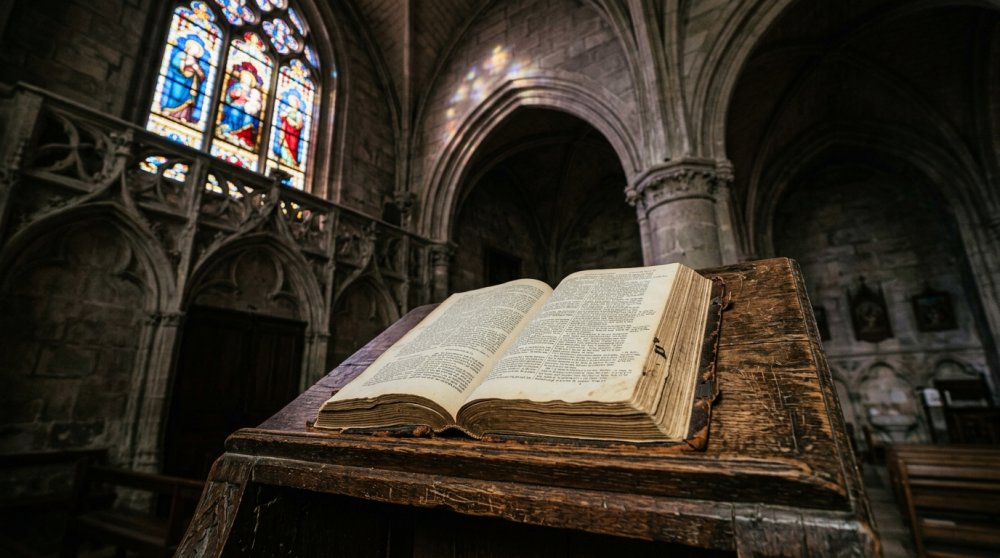
Christian history is filled with moments that shaped the Church, from milestones and triumphs to tragedies and controversies, as well as the lasting impact of influential believers. These events remind believers of the enduring cost of standing for the faith once delivered to the saints.
Each week brings fresh reminders that the Church has weathered storms and celebrated victories for centuries. Remembering these milestones helps strengthen the resolve of Christians today to hold fast to biblical truth.
Let us know what you think, please share your thoughts in the comments below.
Faith Facts
- Tony Dungy has consistently spoken about his Christian faith throughout his NFL coaching career and broadcasting work.
- Dungy has been a vocal advocate for pro-life causes, aligning with traditional Christian teachings on the sanctity of life.
- His commitment to living out biblical principles publicly has been a hallmark of his career in professional sports.
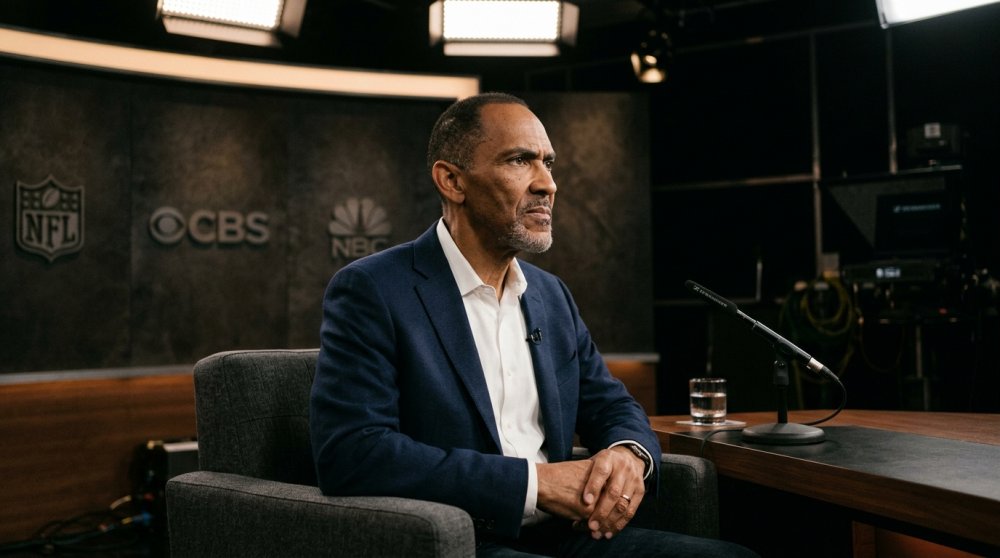
Former NFL coach and longtime sportscaster Tony Dungy suggested his pro-life activism and willingness to speak publicly about his Christian faith may have contributed to his departure from NBC Sports, though he said he cannot be certain.
Though Dungy did not accuse NBC of discrimination, his comments raised questions about how networks value employees who openly share their faith. He indicated that networks sometimes prefer commentators who keep their beliefs private.
“They don’t always appreciate you speaking about your faith,” Dungy said.
His departure comes as more Christian athletes and coaches face pressure to remain silent about their beliefs in mainstream media. Dungy’s experience highlights the tension between personal conviction and corporate expectations in today’s sports broadcasting landscape.
“It’s something that I’ve always tried to do,” he added, referring to his habit of sharing his faith when opportunities arise.
Let us know what you think, please share your thoughts in the comments below.


-

 Self-Reliance2 years ago
Trump’s Bold Move Uncovers Massive Social Security Fraud
-

 Faith2 years ago
New Clues Emerge in Noah’s Ark Mystery
-

 News2 years ago
Governor Walz’s Rhetoric Sparks National Controversy
-

 News2 years ago
Mel Gibson’s ‘The Passion of the Christ’ Sequel Title Announced
-

 Family2 years ago
Texas Lawmaker Targets Furries in Schools
-

 Freedom2 years ago
Maine Lawmaker Challenges Sports Fairness Controversy
-

 Family1 year ago
Canada’s Controversial Policy Sparks Ethical Debate
-
Faith11 months ago
Congress Hears Pleas for Nigerian Christians