Faith
When the Camera Demands Your Soul

Faith Facts
- Christian content creator JiDion announced he is quitting livestreaming after being arrested during a broadcast, citing how streaming brings out the worst in him
- The incident highlights growing concerns about how online platforms reward escalation and spectacle over Christian virtue and self-restraint
- Faith leaders warn that the attention economy creates powerful incentives that can compromise spiritual integrity for believers trying to die to self
The arrest of a Christian content creator during a livestream has ignited an important conversation about the spiritual dangers lurking in our attention-driven digital culture. JiDion, a popular Christian influencer, made headlines not just for his arrest, but for his candid admission that followed: streaming brings out the worst in him.
His decision to step away from livestreaming altogether should serve as a wake-up call for Christian content creators navigating an online world that seems designed to reward our basest impulses. When platforms profit from controversy and algorithms favor outrage, how can believers maintain their witness?

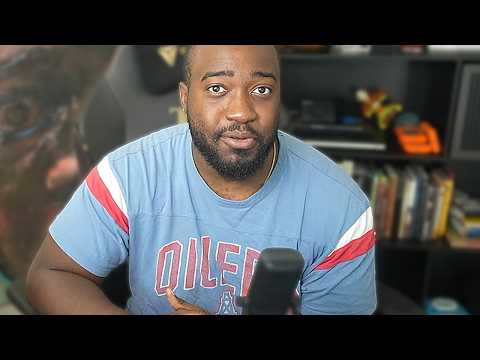
The arrest itself became part of the spectacle—captured in real time, broadcast to thousands, instantly viral. It was the very nature of livestreaming that contributed to the situation, creating pressure to entertain, to escalate, to keep viewers engaged at any cost.
JiDion’s reflection reveals a mature spiritual awareness that many influencers lack. Recognizing that a particular medium or platform consistently draws out sinful tendencies is biblical wisdom in action. Scripture calls believers to flee temptation, not to flirt with it for clicks and views.
Streaming brings out the worst in me,
JiDion acknowledged, according to reports about his decision.
This honest assessment stands in stark contrast to the prevailing culture of online ministry, where success is measured in subscribers, engagement rates, and virality. The attention economy operates on a simple principle: whatever provokes the strongest reaction wins. Outrage, shock, and spectacle consistently outperform nuance, wisdom, and restraint.
For Christians, this creates a fundamental conflict. We are called to die to self, to take up our cross daily, to decrease so that Christ might increase. But the livestream demands we become larger than life, more provocative, more entertaining. It rewards the very impulses Scripture tells us to crucify.
The apostle Paul warned believers to make no provision for the flesh, to gratify its desires. Yet modern content creation often requires constant engagement with triggers and temptations. The line between being in the world but not of it
becomes dangerously blurred when your livelihood depends on keeping an audience entertained.
Christian content creators face unique pressures. They want to reach people with the Gospel, to have influence for good, to support themselves and their families through their online work. These are legitimate desires. But when the platform itself rewards compromise, when the algorithm favors controversy over character, believers must honestly assess whether they can maintain their witness.
JiDion’s decision to quit livestreaming—potentially sacrificing significant income and influence—demonstrates the kind of radical obedience Scripture commends. Jesus told his followers that if their hand or eye caused them to sin, they should cut it off. He wasn’t speaking literally, but he was making a point about the seriousness of removing occasions for sin from our lives.
If livestreaming is the hand that causes you to stumble, cut it off. If the pursuit of viral moments is the eye that leads you astray, pluck it out. Better to enter the kingdom with a smaller platform than to compromise your soul for a million followers.
The incident raises broader questions about Christian presence in digital spaces. How do we engage online in ways that edify rather than exploit? How do we use social media without being used by it? How do we resist the pull toward performance and spectacle that these platforms naturally create?
There are no easy answers, but JiDion’s example offers a starting point: brutal honesty about our own weaknesses and vulnerabilities. Not every Christian is called to quit livestreaming or social media entirely. But every Christian is called to examine whether their online activity is producing the fruit of the Spirit or feeding the flesh.
The attention economy thrives on our addiction to being seen, to being validated, to mattering in the eyes of others. This is the ancient temptation dressed in digital clothing—the pride of life that the apostle John warned against. Social media didn’t create human pride, but it has certainly monetized it.
For Christian content creators, the challenge is to operate within systems designed to exploit our worst impulses while somehow maintaining spiritual integrity. It’s walking through a minefield of ego, comparison, and compromise every single day. Some will navigate it successfully. Others, like JiDion, will recognize they cannot and will make the hard choice to walk away.
His decision should be respected, not dismissed as weakness or failure. In a culture that celebrates platform and influence above all else, choosing to decrease is a countercultural act of worship. It’s a recognition that our identity isn’t found in our follower count, that our worth isn’t measured by engagement metrics, that faithfulness sometimes means obscurity.
The Church would do well to pay attention to this moment. As ministry increasingly moves online, as churches chase relevance through social media, as Christian leaders build personal brands, we must ask hard questions about what we’re actually building. Are we making disciples or collecting followers? Are we pointing people to Christ or to ourselves?
JiDion’s arrest and subsequent decision to quit livestreaming is ultimately a story about stewardship—the stewardship of our gifts, our influence, and most importantly, our souls. Not every platform is meant for every person. Not every opportunity should be seized. Sometimes the most spiritually mature decision is to walk away from something that brings worldly success but spiritual compromise.
The livestream will always demand more—more content, more controversy, more of yourself. The question for Christian content creators is whether they’re willing to give it. JiDion has given his answer. Other believers navigating these digital waters should carefully consider their own.
Let us know what you think, please share your thoughts in the comments below.