
Faith
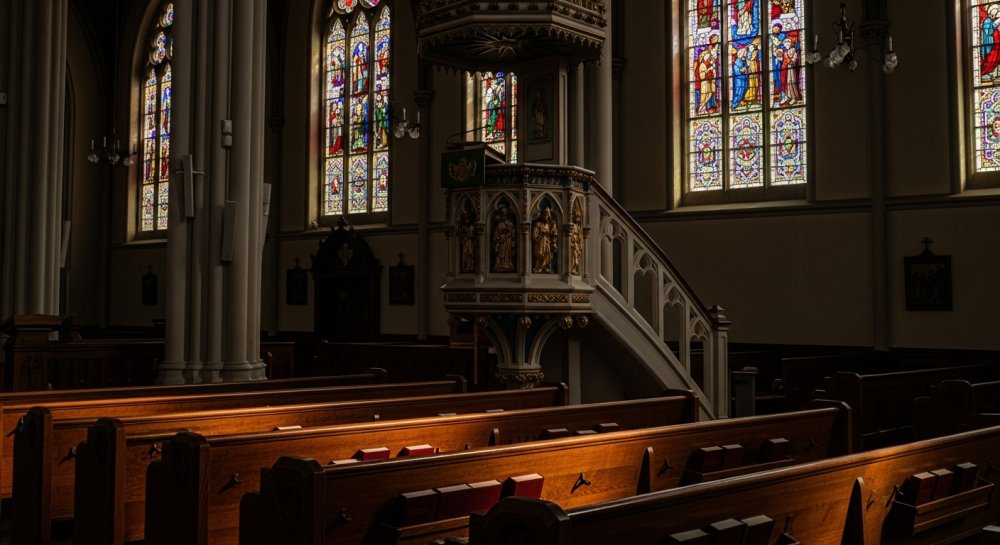
When Leaders Claim God’s Endorsement for Their Own Agendas

Faith Facts
- Throughout history, tyrants and false leaders have manipulated religious language to legitimize their personal agendas and consolidate power over believers
- Scripture provides clear warnings about wolves in sheep’s clothing and leaders who use God’s name in vain to advance their own interests
- Discerning Christians must test every message against the full counsel of God’s Word, not just accept claims of divine endorsement at face value
Have you ever sat through a sermon, devotion, or leadership address where the speaker confidently declared that God’s will perfectly aligns with their personal agenda? If so, you’ve witnessed one of the oldest tactics in the tyrant’s playbook.
This manipulation of faith for political gain isn’t new. Throughout history, corrupt leaders have wrapped themselves in religious language to give their ambitions a divine seal of approval. They speak as though they have a direct hotline to heaven, and anyone who questions them is questioning God Himself.
The danger lies not just in what these leaders say, but in how they use Scripture selectively. They cherry-pick verses that support their position while ignoring the full counsel of God’s Word. They claim prophetic insight while exhibiting none of the fruit of the Spirit that genuine prophets display.
Scripture itself warns us about this very pattern. Jesus cautioned His followers about false prophets who come in sheep’s clothing but inwardly are ravenous wolves. The Apostle Paul urged believers to test everything and hold fast to what is good. These weren’t casual suggestions—they were urgent warnings for God’s people across all generations.
The Bible shows us that true servants of God don’t need to constantly remind people of their authority or claim divine endorsement for every decision. Moses was called the most humble man on earth. David, though anointed king, waited on God’s timing rather than seizing power. Even Jesus, who had every right to demand allegiance, came as a servant.
In contrast, Scripture exposes the characteristics of those who abuse religious authority. They love the praise of men more than the praise of God. They place heavy burdens on others while exempting themselves. They use their position to accumulate wealth and influence rather than serve sacrificially.
When leaders claim that questioning them equals questioning God, that’s a red flag. When they suggest that their critics are enemies of the faith, that’s another warning sign. True biblical leadership invites accountability, welcomes examination, and points people to Christ rather than to themselves.
The remedy for this kind of spiritual manipulation is biblical literacy. Believers who know God’s Word can recognize when it’s being twisted. They understand that God’s character—His love, justice, mercy, and truth—provides the standard by which all teaching must be measured.
We must also cultivate discernment through prayer and community. The Holy Spirit guides believers into all truth, and the body of Christ provides accountability. When we isolate ourselves or rely solely on one voice, we become vulnerable to deception.
History proves that mixing divine claims with earthly power often leads to tyranny. From ancient empires to modern dictatorships, leaders who claim to speak for God while crushing dissent reveal their true nature. Their fruit exposes them, no matter how pious their words.
As American Christians committed to both faith and freedom, we must be especially vigilant. Our founding fathers understood the danger of religious authority merged with governmental power. They designed our system with checks and balances precisely because they knew human nature’s tendency toward corruption.
This doesn’t mean faith has no place in public life—quite the opposite. Biblical values should inform our citizenship and advocacy. But we must distinguish between leaders who humbly apply biblical principles and those who claim divine authority to silence opposition and advance their agenda.
The question we must ask isn’t whether a leader uses religious language, but whether their life and leadership align with biblical truth. Do they demonstrate humility or arrogance? Do they serve or demand service? Do they point to Scripture or to themselves?
God’s Word gives us everything we need to recognize both authentic and counterfeit spiritual leadership. We don’t need to be biblical scholars to spot the difference—we simply need to know our Bibles and trust the Holy Spirit’s guidance.
In an age of information overload and competing voices, the unchanging truth of Scripture remains our anchor. When leaders claim to speak for God, we have both the right and the responsibility to measure their words against His revealed Word.
Let us know what you think, please share your thoughts in the comments below.


Faith Facts
- Actress Danica McKellar credits Candace Cameron Bure with leading her to a personal relationship with Jesus Christ.
- McKellar is best known for her childhood role as Winnie Cooper on the beloved family series “The Wonder Years.”
- Bure, a committed believer, has consistently used her platform to point others toward faith and traditional values.
Danica McKellar opened up about the meaningful influence of her longtime friend Candace Cameron Bure in her journey toward faith. The two former child stars developed a friendship that extended far beyond their early careers in Hollywood.
McKellar explained that Bure was the one who introduced her to Jesus in a personal way. Their shared history in the entertainment industry gave McKellar a trusted voice to hear when spiritual matters came up.
“Wonder Years” actress Danica McKellar shares how fellow child star Candace Cameron Bure helped bring her to Jesus.
McKellar has spoken openly about her growing faith and the importance of surrounding herself with fellow believers. She has described how that friendship helped anchor her during seasons of change and uncertainty.
The story reflects a pattern seen among many in Hollywood who quietly seek truth and community outside the spotlight. For McKellar, that path led her straight to the feet of Jesus through the faithful witness of a friend.
Let us know what you think, please share your thoughts in the comments below.

Faith Facts
- Danica McKellar credits Candace Cameron Bure with leading her to Christ four years ago.
- McKellar now views her acting career through a faith-centered lens.
- She seeks roles that reflect her Christian values and convictions.
Actress Danica McKellar has opened up about the moment she found faith in Christ. She credits longtime friend and fellow former child star Candace Cameron Bure for guiding her on that journey four years ago.
McKellar shared that her new relationship with Jesus has transformed the way she sees her career and the projects she now chooses to pursue. Instead of simply chasing roles for fame or success, she is now more intentional about the stories she tells on screen.
“It’s been Jesus this whole time”
McKellar’s transformation reflects a deeper commitment to living out her faith both on and off the screen. She has expressed gratitude for the spiritual mentorship she received from Bure, whose own public witness as a believer has long been a steady presence in Hollywood.
The actress says her faith has redefined her purpose, helping her to focus on projects that align with her Christian convictions rather than simply accepting work based on popularity or financial gain.
Let us know what you think, please share your thoughts in the comments below.
Faith Facts
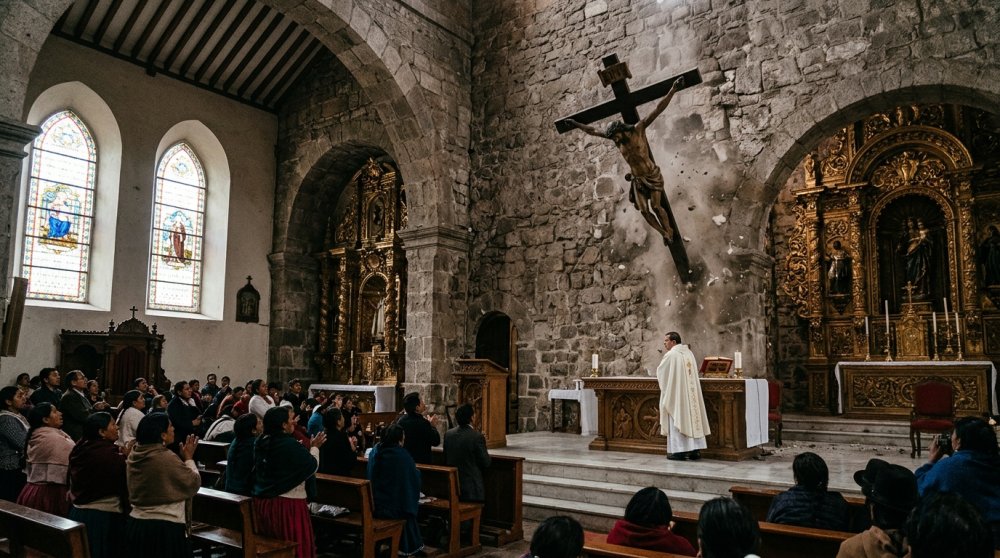
- A priest in Ecuador died during a church service when a large crucifix fell from the wall.
- Kenny Kinglesmith addresses unbelieving friends in an open letter about hope in Jesus amid suffering.
- Christian believers continue to place their trust in Christ even when tragedy strikes inside the sanctuary.
The sudden death of a priest while leading worship has shaken believers across Ecuador. Questions about suffering and divine purpose are rising again.
Kenny Kinglesmith has written an open letter to friends who do not believe. He explains why his hope in Jesus remains firm despite the pain.
“In the face of inexplicable suffering, I still choose to place my hope in Jesus.”
Many Christians are wrestling with how a loving God could allow such a loss inside His house. The event has prompted renewed reflection on the mystery of suffering.
Kinglesmith does not offer easy answers. Instead he points to the cross itself, where Christ endured the ultimate injustice yet brought redemption.
“I still choose to place my hope in Jesus.”
The tragedy has become a moment for believers to examine their own trust in God. It is also an opportunity to demonstrate compassion to those who question.
Kinglesmith urges Christians to live out their faith openly. He believes the witness of steadfast hope can speak louder than arguments.
“In the face of inexplicable suffering, I still choose to place my hope in Jesus.”
Let us know what you think, please share your thoughts in the comments below.


-

 Self-Reliance2 years ago
Trump’s Bold Move Uncovers Massive Social Security Fraud
-

 Faith2 years ago
New Clues Emerge in Noah’s Ark Mystery
-

 News2 years ago
Governor Walz’s Rhetoric Sparks National Controversy
-

 News2 years ago
Mel Gibson’s ‘The Passion of the Christ’ Sequel Title Announced
-

 Family2 years ago
Texas Lawmaker Targets Furries in Schools
-

 Freedom2 years ago
Maine Lawmaker Challenges Sports Fairness Controversy
-

 Family1 year ago
Canada’s Controversial Policy Sparks Ethical Debate
-
Faith11 months ago
Congress Hears Pleas for Nigerian Christians