
News
When Killers Become Icons: America’s Dangerous New Normal

Faith Facts
- Luigi Mangione, accused of murdering UnitedHealthcare CEO Brian Thompson, has attracted disturbing fan worship from Americans celebrating violence
- Cultural critics warn of an emerging ‘assassination culture’ where murder is glamorized and political violence is normalized
- The breakdown of shared moral values rooted in the sanctity of life threatens the foundation of civil society and democratic governance
The troubling case of Luigi Mangione has exposed a dark undercurrent in American culture that should alarm every person of faith and conscience. Accused of the cold-blooded murder of UnitedHealthcare CEO Brian Thompson in Manhattan, Mangione has inexplicably become a folk hero to a disturbing number of Americans who celebrate his alleged act of violence.
What some commentators are calling an “assassination culture” has emerged, where murder is not condemned but glorified. Fans have dubbed themselves “Ghouls Next Door,” creating merchandise, social media fan pages, and even romantic fantasies about the accused killer.
This represents more than poor taste or misguided sympathy. It signals a fundamental breakdown in the moral framework that has historically united Americans across political differences—the sacred belief that human life, created in the image of God, is inherently valuable and must be protected.
The rise of this disturbing phenomenon makes genuine political dialogue nearly impossible. How can a society function when segments of the population celebrate extrajudicial killing as a legitimate form of political expression? The answer is simple: it cannot.
“It’s hard to create any kind of compromise or carry on ‘normal’ politics with people who have such a mentality,” observers note, highlighting the civilizational stakes of this cultural moment.
For Christians and conservatives who believe in the rule of law, due process, and the biblical command “thou shalt not murder,” this trend represents an existential threat to ordered liberty. When violence becomes entertainment and killers become celebrities, the guardrails that protect civilization from descending into chaos are removed.
The Mangione case is not occurring in isolation. It follows years of increasing political violence and rhetoric that dehumanizes opponents and justifies extreme action. Whether directed at corporate executives, political figures, or ordinary citizens with differing views, the normalization of violence corrodes the civic trust necessary for a free society to function.
America’s founders understood that self-government requires a moral people. John Adams famously wrote that the Constitution was “made only for a moral and religious people” and is “wholly inadequate to the government of any other.” When the moral consensus that condemns murder dissolves, constitutional government itself is imperiled.
The solution must begin with a renewed commitment to the inherent dignity of every human life and the principle that differences—even profound ones—must be resolved through peaceful, lawful means. Churches, families, and communities must actively teach these foundational truths to a generation increasingly disconnected from them.
Justice for Brian Thompson and his family requires a legal system that functions properly, not mob adulation for his alleged killer. The future of American democracy depends on rejecting assassination culture and reaffirming the timeless moral truths that make civilization possible.
Let us know what you think, please share your thoughts in the comments below.


Faith Facts
- The Bible calls leaders to seek wise and godly counsel in every decision.
- Proverbs 11:14 reminds us that where there is no guidance, a nation falls, but in an abundance of counselors there is safety.
- Christian citizens are commanded to pray for those in authority so that we may live peaceful and quiet lives.
White House Press Secretary Katie Zacharia has stepped down from her role just days after former President Donald Trump named her to the position.
The abrupt change comes as the incoming administration works to finalize its communications team ahead of the transition.
Officials have not yet released details on the circumstances surrounding her departure or the name of a replacement.
Let us know what you think, please share your thoughts in the comments below.
Faith Facts
- The United Methodist Church has seen thousands of congregations disaffiliate over the past three years following changes to its traditional stance on marriage and sexuality.
- Scripture affirms that marriage is between one man and one woman, as stated in Genesis 2:24 and affirmed by Jesus in Matthew 19:4-6.
- Local church autonomy and biblical fidelity remain central concerns for congregations seeking to preserve doctrinal integrity.
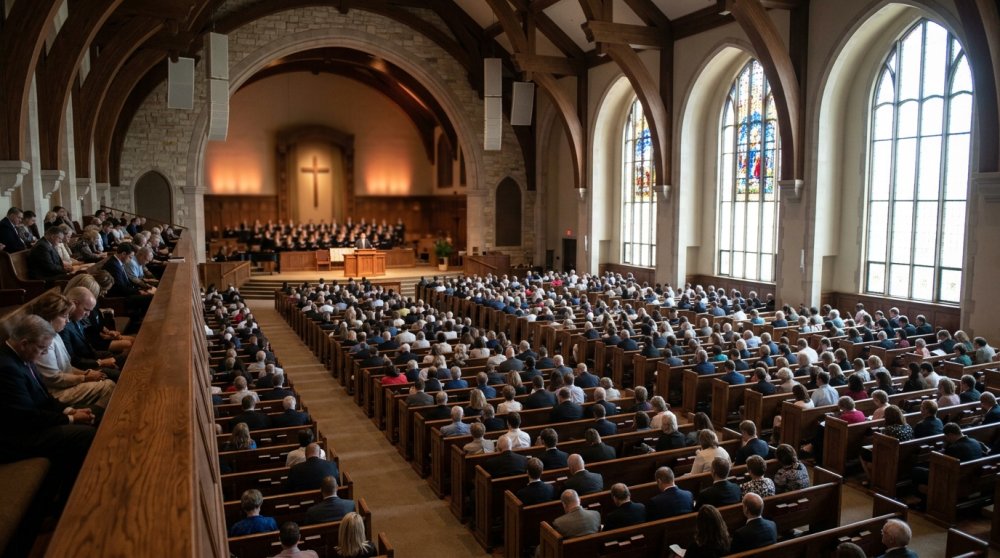
Leaders at one of the largest United Methodist congregations in Texas are urging members to formally separate from the denomination. The proposed vote will take place later this month.
The decision follows years of internal division over the denomination’s shifting positions on marriage and human sexuality. Church leadership has cited a desire to remain faithful to biblical teaching.
“We believe it is time for our church to take a clear stand on the authority of Scripture and the historic Christian understanding of marriage,” said one senior pastor in a statement to members.
“Our congregation has been in prayerful discernment, and we feel led to protect the doctrinal foundation that has guided this body for generations.”
Let us know what you think, please share your thoughts in the comments below.
Faith Facts
- A Calvary Chapel pastor and his wife were shot and killed outside their home in Irapuato, Mexico.
- The pastor had just officiated a funeral hours before the attack.
- Local police quickly detained a suspect in the murders.
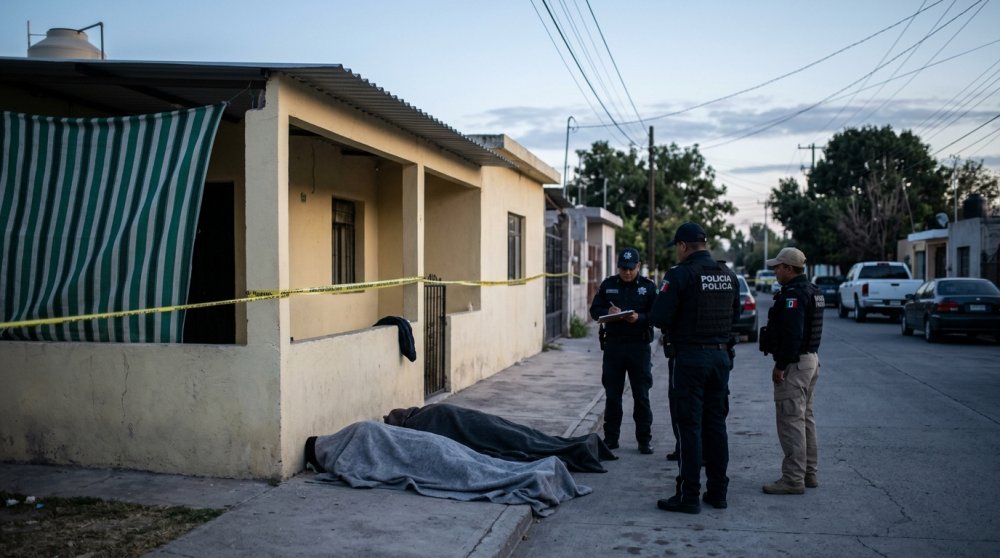
A pastor and his wife were shot and killed outside their home in Irapuato, Mexico, early Thursday, shortly after he officiated at a funeral.
The couple served faithfully in their community, sharing the gospel and ministering to families in need.
Authorities report the attack occurred in the early morning hours, leaving the congregation in shock.
Let us know what you think, please share your thoughts in the comments below.


-

 Self-Reliance2 years ago
Trump’s Bold Move Uncovers Massive Social Security Fraud
-

 Faith2 years ago
New Clues Emerge in Noah’s Ark Mystery
-

 News2 years ago
Governor Walz’s Rhetoric Sparks National Controversy
-

 News2 years ago
Mel Gibson’s ‘The Passion of the Christ’ Sequel Title Announced
-

 Family2 years ago
Texas Lawmaker Targets Furries in Schools
-

 Freedom2 years ago
Maine Lawmaker Challenges Sports Fairness Controversy
-

 Family1 year ago
Canada’s Controversial Policy Sparks Ethical Debate
-
Faith11 months ago
Congress Hears Pleas for Nigerian Christians