
Faith
When Faith Meets Politics: Understanding the Latest Trump Controversy

Faith Facts
- A digitally altered image portraying former President Trump in religious imagery sparked widespread debate about faith and political leadership
- Christian leaders emphasize the importance of distinguishing between political support and spiritual worship
- The controversy highlights ongoing tensions between secular media portrayals and conservative Christian values
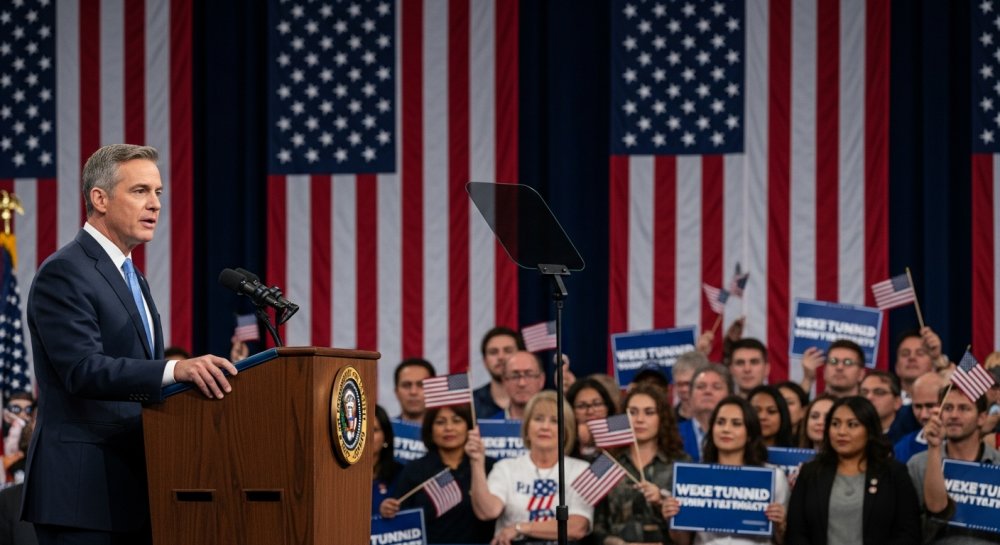
A recent social media controversy erupted when an AI-generated image depicting former President Donald Trump in Christ-like imagery circulated online, drawing sharp criticism from various quarters. Yet beneath the surface outrage lies a deeper question: are critics applying unrealistic spiritual expectations to political figures, or is this a legitimate concern about the boundaries of faith and politics?
The image in question, which appeared to show Trump in a religious pose reminiscent of traditional Christian iconography, quickly became a lightning rod for debate. Secular media outlets seized upon it as evidence of supposed idolatry among conservative Christians. However, many Christian conservatives argue that the reaction reveals more about media bias than about the faith community itself.
It’s worth noting that no serious Christian leader or mainstream conservative organization endorsed or promoted such imagery. In fact, faithful believers understand that comparing any human leader to Christ crosses a clear theological line. The confusion seems to stem from critics conflating political support with religious devotion—a distinction that most conservative Christians navigate carefully.
Throughout American history, presidents have been supported by people of faith without being elevated to divine status. From George Washington to Abraham Lincoln to Ronald Reagan, Christian voters have backed leaders they believed would advance policies aligned with biblical values—without confusing those leaders with the Savior Himself.
The real story here may be how quickly misinformation spreads and how readily some assume the worst about their political opponents. A single AI-generated image, likely created by an unknown individual with unclear motives, became the basis for sweeping generalizations about millions of Christian conservatives.
Conservative Christians have consistently maintained that their support for Trump stems from his policies on religious freedom, protection of the unborn, appointment of constitutional judges, and defense of traditional values. This is fundamentally different from spiritual worship. Supporters appreciate his willingness to defend Christian values in the public square—something that has become increasingly rare in modern politics.
The incident also raises important questions about AI-generated content and digital manipulation in our social media age. How many controversies are manufactured or amplified by technology that can create realistic-looking images that never actually happened? How quickly do we rush to judgment based on what we see online?
For Christian conservatives, the path forward remains clear: continue to engage in the political process while keeping Christ at the center of worship. Support leaders who defend biblical values without elevating any human to a position that belongs to God alone. And recognize that secular critics often misunderstand or misrepresent the nature of faith-informed political engagement.
This controversy ultimately serves as a reminder that the American church must be discerning—both about the leaders we support and about the accusations leveled against us. We can appreciate political leaders who defend our freedoms without compromising our theology. We can participate fully in civic life without replacing the worship due to Christ alone.
Let us know what you think, please share your thoughts in the comments below.

Faith Facts
- Pastor Michael Todd serves as lead pastor of Transformation Church in Tulsa, Oklahoma.
- Todd was recently elevated to the rank of apostle in a public service at his church.
- Scripture teaches that believers should guard the biblical qualifications for spiritual leadership outlined in the New Testament.
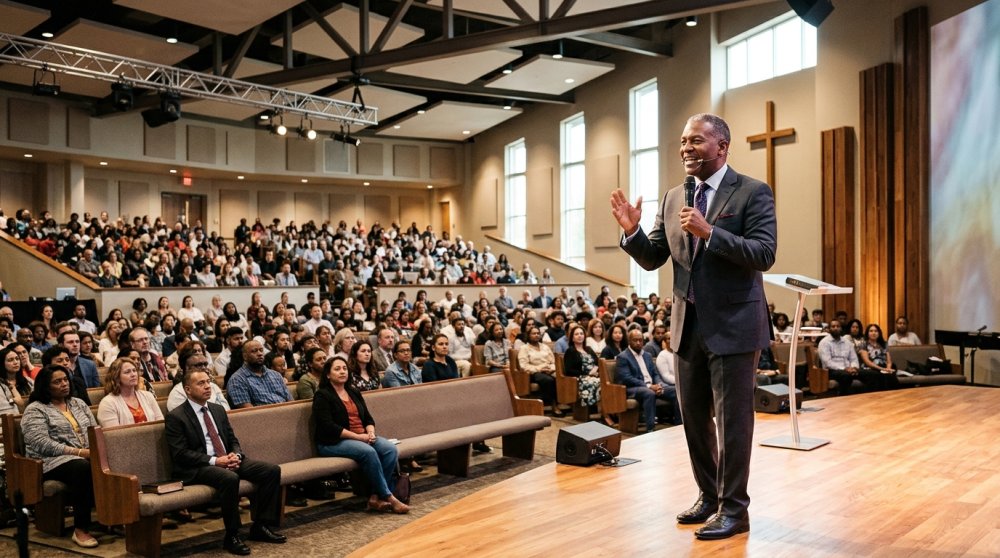
Pastor Michael Todd of Transformation Church in Tulsa, Oklahoma, says he “could care less” about what people think about his recent elevation to the rank of “apostle” in an elaborate service Sunday, which has been drawing significant criticism online.
The remarks were made after Todd’s church held a ceremony that formally recognized him with the apostolic title. The move has sparked debate among Christians online about the use of biblical titles in modern ministry.
“I could care less,” Todd stated in response to those questioning the decision.
Let us know what you think, please share your thoughts in the comments below.

Faith Facts
- Jon Rush believes Christians should skip the single-player story in Grand Theft Auto VI but remain present in the online world.
- The gaming evangelist is planting a church within the immersive digital environment of the highly anticipated release.
- Rush encourages believers to engage with the virtual world in a way that upholds traditional Christian values.
Gaming evangelist Jon Rush is sparking conversation about how Christians can respond to one of the most controversial video game releases in history.
Grand Theft Auto VI continues to generate headlines for its violent content and moral themes. Rush believes believers should approach the game with caution.
“Christians should skip the single-player story, but still engage with the immersive digital world that’s been created.”
Rather than abandon the platform entirely, Rush has chosen to plant a church inside the online version of the game.
His approach aims to bring the message of Jesus into a space where many young people spend significant time.
“He’s even planting a church there.”
This unconventional ministry highlights the growing intersection between faith and digital culture.
Rush’s decision reflects a desire to reach gamers where they are while upholding biblical principles.
Let us know what you think, please share your thoughts in the comments below.
Faith Facts
- The word “just” often appears in Christian prayers without much thought.
- Gemma Hunt suggests that this small word may reveal deeper attitudes toward God.
- Prayer is presented as an opportunity to approach the Lord with confidence and reverence.
It’s a tiny word that slips into almost every prayer: “Lord, I just want to thank you.”
But Gemma Hunt says your seemingly innocent use of ‘just’ may be revealing something significant about how you see yourself before God.
“Lord, I just want to thank you.”
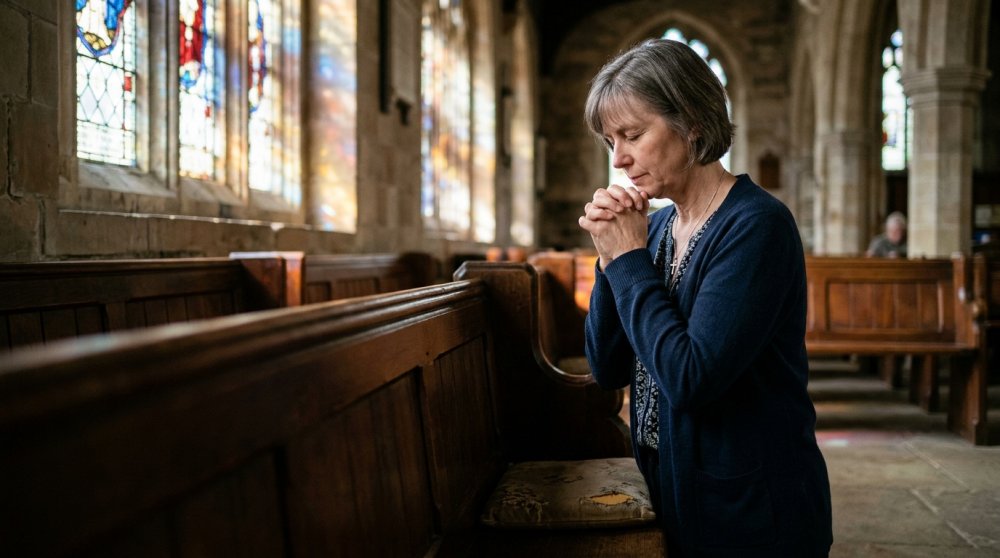
Hunt argues that repeatedly using the word “just” can unintentionally diminish the boldness and reverence believers are called to bring into prayer.
She encourages Christians to examine whether this habit reflects a lack of confidence in approaching the throne of grace.
“It may be revealing something significant about how you see yourself before God.”
Let us know what you think, please share your thoughts in the comments below.


-

 Self-Reliance2 years ago
Trump’s Bold Move Uncovers Massive Social Security Fraud
-
 Faith2 years ago
New Clues Emerge in Noah’s Ark Mystery
-

 News2 years ago
Governor Walz’s Rhetoric Sparks National Controversy
-

 News2 years ago
Mel Gibson’s ‘The Passion of the Christ’ Sequel Title Announced
-

 Family2 years ago
Texas Lawmaker Targets Furries in Schools
-

 Freedom2 years ago
Maine Lawmaker Challenges Sports Fairness Controversy
-

 Family1 year ago
Canada’s Controversial Policy Sparks Ethical Debate
-
Faith12 months ago
Congress Hears Pleas for Nigerian Christians