
News
When Faith Changed the Nation: Three Pivotal Christian History Moments

Faith Facts
- The first official Mother’s Day church service was held in West Virginia in 1908, honoring motherhood and Christian family values
- In 1521, England’s religious authorities publicly burned Martin Luther’s books in a failed attempt to suppress the Protestant Reformation
- The Supreme Court’s 1972 Wisconsin v. Yoder decision protected Amish families’ religious freedom to direct their children’s education according to their faith
This week marks the anniversary of three transformative moments in Christian history that shaped religious liberty, family values, and the faith as we know it today. These events — spanning centuries and continents — demonstrate how courage, conviction, and commitment to biblical principles have guided believers through persecution and cultural change.
The Birth of Mother’s Day: Honoring Christian Motherhood
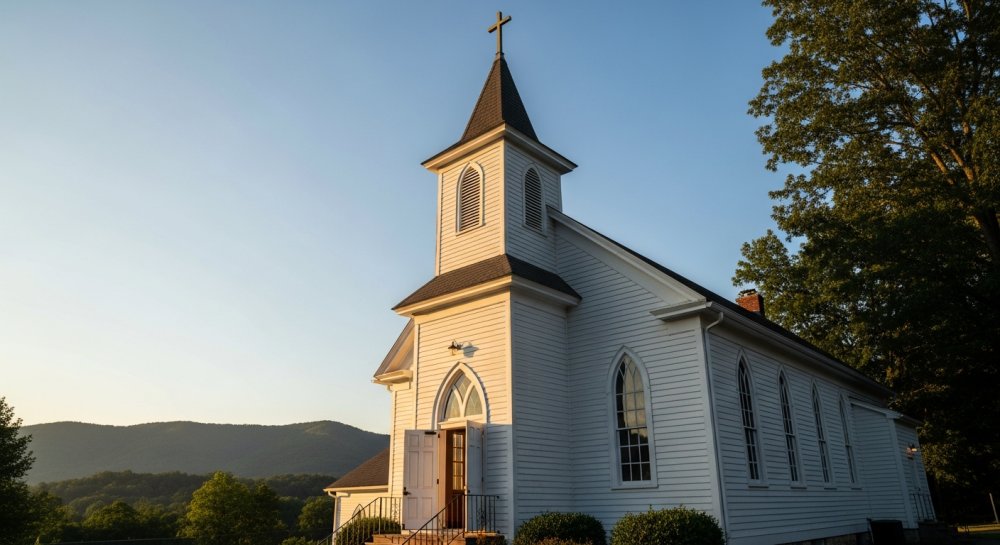
On May 10, 1908, Anna Jarvis organized the first official Mother’s Day service at Andrews Methodist Episcopal Church in Grafton, West Virginia. The service honored her own mother, Ann Reeves Jarvis, a devout Christian who had worked tirelessly to improve sanitary conditions and reduce infant mortality in her community. This inaugural celebration would eventually lead to Mother’s Day becoming a national holiday recognizing the irreplaceable role of mothers in building strong Christian families.
The observance was rooted in biblical reverence for motherhood and the commandment to honor one’s parents. Anna Jarvis believed that America needed a day dedicated to honoring mothers for their sacrifices and spiritual influence on children.
The tradition grew rapidly across American churches before President Woodrow Wilson officially established Mother’s Day as a national holiday in 1914. The day remains a testament to the Christian understanding of motherhood as a sacred calling and the family as the foundation of a moral society.
Martin Luther’s Books Burned in England
On May 12, 1521, Cardinal Thomas Wolsey presided over a public burning of Martin Luther’s books outside St. Paul’s Cathedral in London. This dramatic act of censorship came just weeks after Luther refused to recant his teachings at the Diet of Worms, where he famously declared his conscience was captive to the Word of God.
The book burning represented the Catholic Church’s desperate attempt to contain the spread of Reformation ideas in England. Luther’s writings challenged papal authority and emphasized salvation by faith alone, doctrines that threatened the religious establishment’s power.
Rather than silencing Luther’s message, the public spectacle drew more attention to his ideas. Within decades, England would break from Rome, and the Protestant Reformation would transform Christianity across Europe and eventually America. The failed censorship attempt reminds us that truth rooted in Scripture cannot be destroyed by human opposition.
Wisconsin v. Yoder: Protecting Religious Freedom in Education
On May 15, 1972, the U.S. Supreme Court issued its landmark decision in Wisconsin v. Yoder, ruling 7-0 that Amish families could not be forced to send their children to public high school against their religious convictions. The case arose when Wisconsin prosecuted Amish parents for removing their children from school after eighth grade to continue their faith-based education at home.
Chief Justice Warren Burger wrote that compulsory school attendance beyond eighth grade violated the Free Exercise Clause of the First Amendment. The Court recognized that the Amish way of life was inseparable from their religious faith and that forcing their children into a modern high school environment would undermine their ability to practice their religion.
The decision established important precedent for parental rights and religious liberty in education. It affirmed that parents, not the state, have the primary authority to direct the upbringing and education of their children according to their faith. This principle continues to support homeschooling families and religious education rights today.
These three events from Christian history illustrate the enduring importance of faith, family, and freedom. From honoring godly motherhood to defending biblical truth against persecution to protecting parental rights, Christians throughout history have stood firm on the principles that continue to guide believers today.
Let us know what you think, please share your thoughts in the comments below.

Faith Facts
- A pastor was killed while traveling to lead worship in Nigeria’s Plateau State, underscoring the ongoing persecution of Christians in the region.
- At least nine believers lost their lives in coordinated attacks on rural communities over the weekend, highlighting the need for prayer and protection for the Church.
- Local Christians continue to gather for worship despite the violence, demonstrating steadfast faith in the face of persecution.
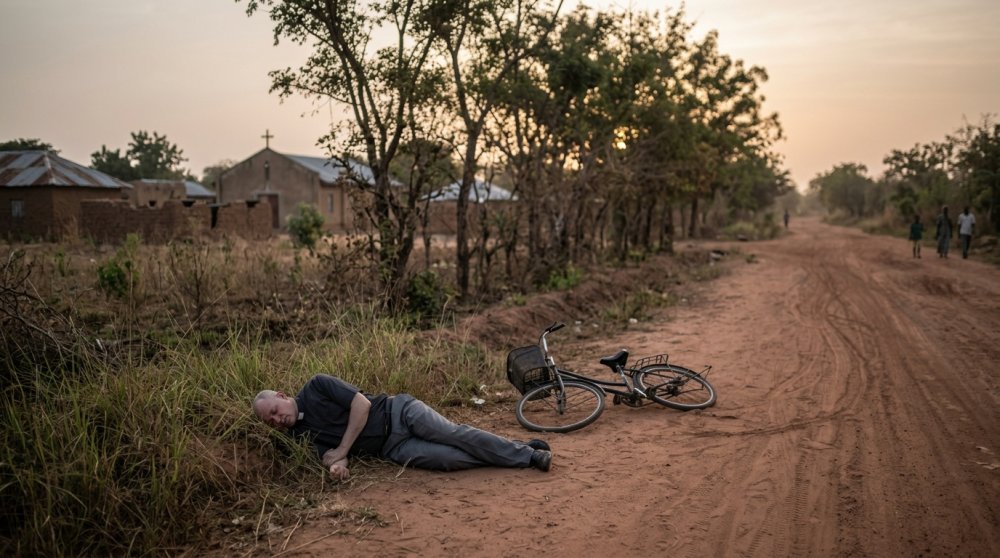
A pastor was shot and killed while traveling to a church service in Nigeria’s Plateau State on Sunday morning.
He was among at least nine people murdered in a series of attacks on rural communities over the weekend.
“This is a tragic reminder that our brothers and sisters in Nigeria are facing daily threats simply because of their faith in Christ,” local church leaders said.
The violence has left families devastated and congregations mourning faithful servants of the Lord.
“We call on the international community and all people of faith to stand with us in prayer and advocacy for peace and justice,” community representatives stated.
Let us know what you think, please share your thoughts in the comments below.
Faith Facts
- September 11, 2001, claimed nearly three thousand innocent lives and united Americans in prayer and resolve.
- Scripture calls believers to remember God’s deliverance and to stand firm in truth and righteousness.
- Patriotism rooted in faith honors the fallen and defends the freedoms they protected.
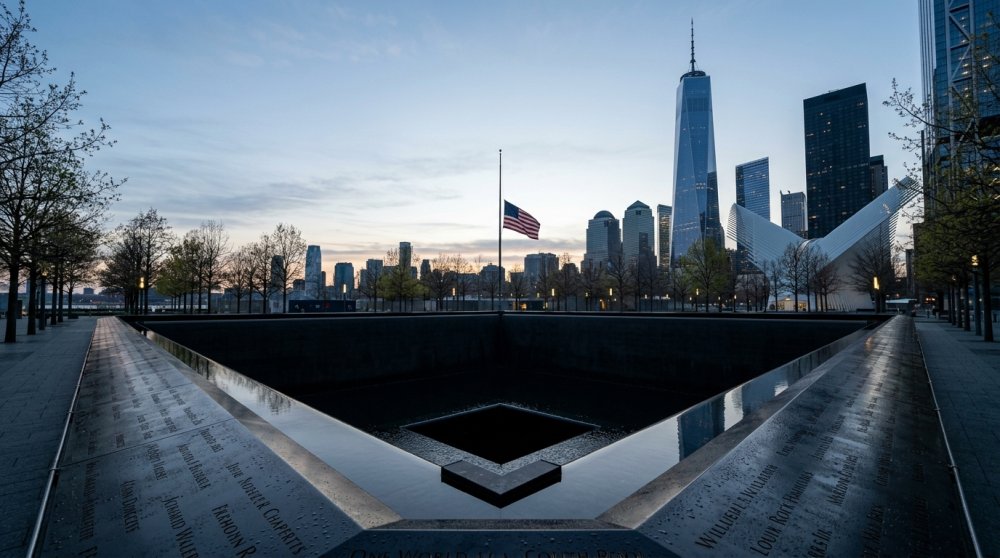
Two decades after the deadliest terror attack on American soil, the national pledge to “never forget” is fading from the public square. Schools once paused for solemn ceremonies now treat the anniversary as an ordinary day on the calendar.
Patriotic symbols that once lined every street have grown sparse, while classrooms emphasize global citizenship over American heritage. The result is a generation increasingly detached from the sacrifice and unity that defined the aftermath of 9/11.
“The Lord is close to the brokenhearted and saves those who are crushed in spirit,”
Psalm 34:18 reminds us, yet public remembrances of that brokenhearted day are growing quieter each year.
Many families who lost loved ones continue to mark the anniversary with private grief and public witness. Their steadfast example challenges a culture that prefers comfort over costly remembrance.
“Greater love has no one than this: to lay down one’s life for one’s friends,”
Jesus declared in John 15:13, a truth vividly displayed by first responders who rushed into danger on that September morning.
Churches across the nation still gather to pray for the families, to thank God for the freedoms secured by those who serve, and to ask for continued protection over the land. Such gatherings keep the memory alive when national institutions fall silent.
As cultural voices urge Americans to move on, Scripture and history both warn against forgetting the cost of freedom. A people that forgets its story risks repeating its tragedies.
Let us know what you think, please share your thoughts in the comments below.
Faith Facts
- Millions of dollars have been invested to help Church of England parishes improve energy efficiency across Britain.
- Many congregations are actively moving away from oil and gas heating systems in their church buildings.
- These changes reflect the stewardship responsibility Christians hold toward God’s creation.
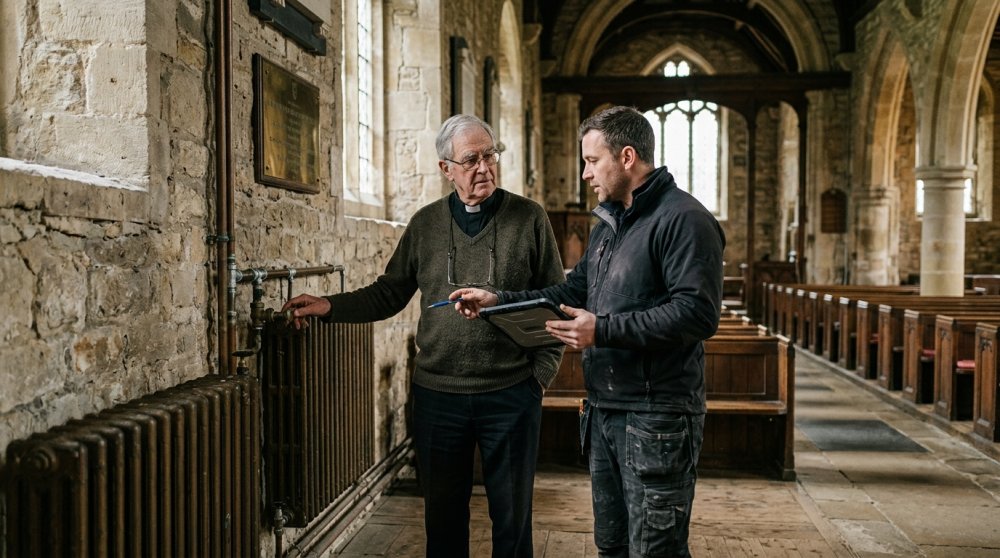
The Church of England is witnessing a growing number of parishes transitioning away from traditional oil and gas heating systems. Significant financial resources have been dedicated to this transformation across the denomination.
Energy efficiency upgrades are becoming a priority for church leaders seeking to reduce dependence on fossil fuels. The investment demonstrates a commitment to responsible stewardship of church resources.
Let us know what you think, please share your thoughts in the comments below.


-

 Self-Reliance1 year ago
Trump’s Bold Move Uncovers Massive Social Security Fraud
-

 Faith1 year ago
New Clues Emerge in Noah’s Ark Mystery
-

 News2 years ago
Governor Walz’s Rhetoric Sparks National Controversy
-

 News1 year ago
Mel Gibson’s ‘The Passion of the Christ’ Sequel Title Announced
-

 Family1 year ago
Texas Lawmaker Targets Furries in Schools
-

 Freedom2 years ago
Maine Lawmaker Challenges Sports Fairness Controversy
-

 Family1 year ago
Canada’s Controversial Policy Sparks Ethical Debate
-
Faith10 months ago
Congress Hears Pleas for Nigerian Christians