
Faith
When Death Knocks: A Father’s Answer to the Hardest Question Christians Face

Faith Facts
- A Christian father shares profound lessons learned after losing his 23-year-old firefighter son to a sudden tragedy
- The article challenges believers to find eternal purpose in suffering and to view trials through the lens of God’s sovereignty
- Pastors and church leaders are reminded that genuine hope in Christ provides the only lasting comfort when tragedy strikes families
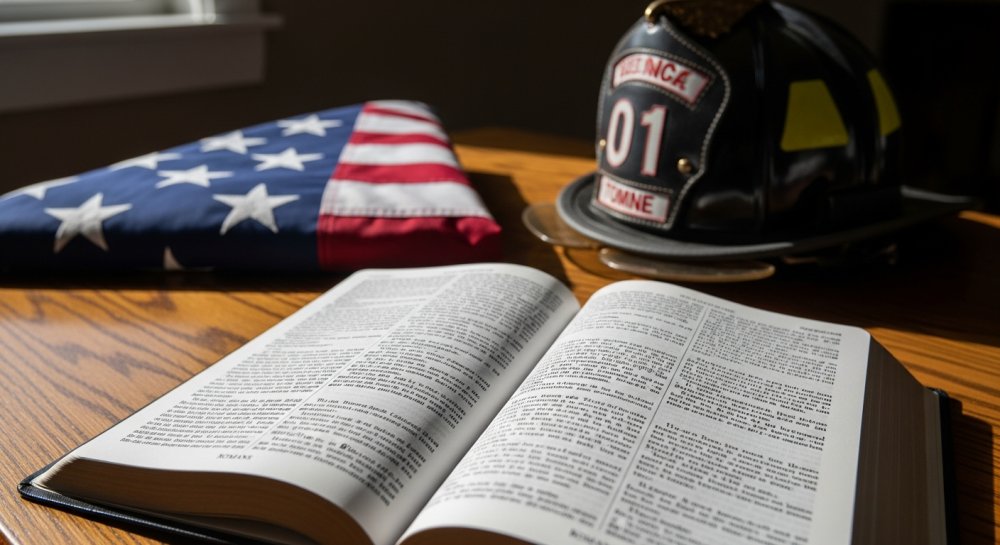
The knock at the door changed everything. For one Christian family, it brought news no parent should ever hear: their 23-year-old firstborn son, a firefighter and paramedic who dedicated his life to serving others, had just died.
In the wake of unimaginable loss, a fundamental question confronts every believer: What should Christians remember amid tragedy?
The answer reveals the core of Christian faith itself—not a shallow optimism or empty platitudes, but a deep trust in God’s sovereignty even when circumstances devastate us. When death visits a Christian home, the truths we claim to believe are put to their ultimate test.
For families serving in ministry or raising children to love the Lord, these moments define whether faith is merely intellectual assent or genuine trust in the character of God. The tragedy of losing a child who lived to serve others—who ran toward danger to save lives—forces believers to confront whether we truly believe God’s purposes transcend our understanding.
Scripture provides clear guidance for these darkest valleys. Romans 8:28 promises that God works all things together for good for those who love Him, not that all things feel good or make sense in the moment. Job’s response to catastrophic loss—”The Lord gave, and the Lord has taken away; blessed be the name of the Lord”—demonstrates faith that worships even in anguish.
The Christian response to tragedy differs fundamentally from the world’s approach. Where secular grief counseling offers only techniques for coping with loss, biblical faith offers genuine hope rooted in the resurrection of Jesus Christ. The promise of eternal life transforms grief from despair into sacred sorrow—painful yet purposeful, devastating yet not destroying.
Church communities play a vital role in supporting families through tragedy. The body of Christ must resist the temptation to offer easy answers or minimize pain. Instead, believers should embody the “weep with those who weep” mandate of Romans 12:15, providing practical support while pointing grieving families toward the only true source of comfort.
Parents who lose children face unique spiritual battles. The natural order feels violated when a child dies before a parent. Yet even here, Christian faith provides anchor points: the certainty that God loves that child more than we ever could, the promise of reunion in heaven, and the confidence that not even death can separate believers from God’s love.
For young Christians who served faithfully—like firefighters, missionaries, or others called to dangerous vocations—their deaths raise hard questions about divine protection and purpose. The truth Christians must remember is that God’s primary concern isn’t our temporal safety but our eternal glory. Sometimes He ordains that His servants complete their earthly assignment far sooner than we would choose.
The testimony of how Christian families respond to tragedy speaks powerfully to a watching world. When believers demonstrate genuine peace amid genuine pain, when faith remains firm even as hearts break, the reality of God’s sustaining grace becomes undeniable. This isn’t about pretending the loss doesn’t hurt—it’s about proving that Christ’s presence matters more than our circumstances.
Tragedies also remind Christians of life’s fragility and the urgency of the Gospel. Every day is a gift, every conversation an opportunity, every moment a stewardship. When death intrudes unexpectedly, we remember that none of us are promised tomorrow—making today’s faithfulness eternally significant.
The question of what Christians should remember amid tragedy ultimately points us back to the cross. There, God Himself experienced the death of His Son—not accidentally, but purposefully, to redeem humanity from sin and death. If God didn’t spare His own Son but gave Him up for us all, then we can trust Him with our deepest losses, knowing His love for us is beyond question.
As believers navigate grief, certain truths anchor the soul: God is still sovereign. His character hasn’t changed. His promises remain true. Death is not the end for those in Christ. And one day, God will wipe away every tear from our eyes.
The Christian faith offers no immunity from suffering, but it provides invincible hope within suffering. That distinction makes all the difference when tragedy strikes.
Let us know what you think, please share your thoughts in the comments below.

Faith Facts
- Dr Michael Tang relocated from London to Yorkshire to serve rural believers after observing urban church trends.
- Smaller rural churches often rely on older faithful members who continue to uphold traditional worship and community.
- The focus on headline-grabbing urban growth can overlook the steady witness of countryside congregations.
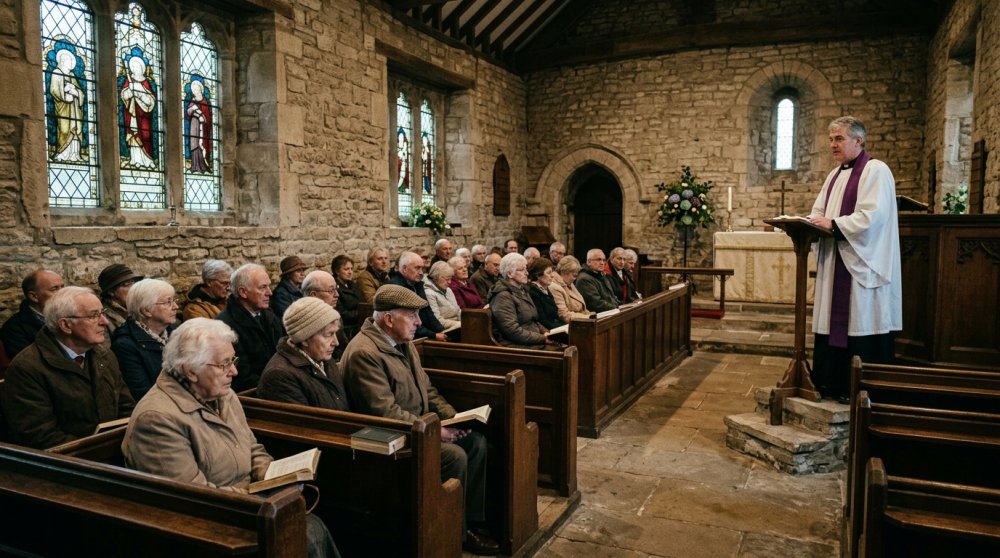
Big city churches full of young people are great, says Dr Michael Tang. But what about smaller rural ones, with their faithful older congregations?
After moving from London to Yorkshire, he’s learning to listen to the wisdom of age, not just the headline-grabbing reports of church growth.
“Big city churches full of young people are great, says Dr Michael Tang. But what about smaller rural ones, with their faithful older congregations?”
“After moving from London to Yorkshire, he’s learning to listen to the wisdom of age, not just the headline-grabbing reports of church growth.”
Let us know what you think, please share your thoughts in the comments below.
Faith Facts
- Eric Metaxas emphasizes the biblical foundation of American self-government.
- Nathan Hale, executed by the British at age 21, exemplifies early American faithfulness and courage.
- Remembering heroic figures like Hale strengthens national resolve rooted in biblical truth.
Author Eric Metaxas recently spoke with The Christian Post about the urgent need to recall the biblical principles that shaped American self-government.
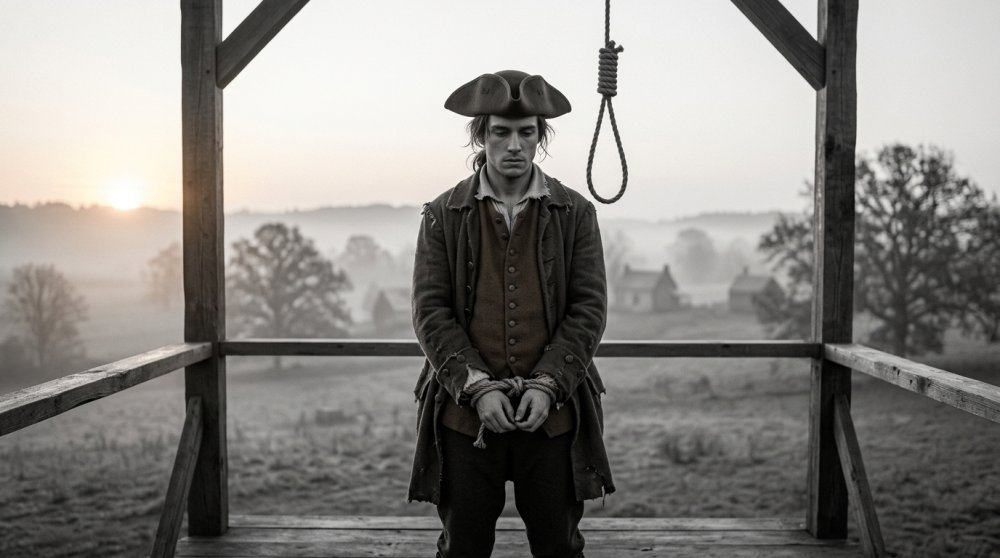
Metaxas pointed to the story of Nathan Hale, the 21-year-old patriot who was hanged by British forces 250 years ago this week, as a powerful example of sacrificial courage.
“We need to remember these heroic figures who laid down their lives for the cause of liberty,” he said.
The author stressed that such stories are not mere historical footnotes but living reminders of the Christian virtues that once defined the American experiment.
“Without these examples, we lose the moral imagination required to sustain freedom,” Metaxas added.
He urged believers and citizens alike to recover the memory of those who stood firm in faith and principle during the nation’s founding era.
Let us know what you think, please share your thoughts in the comments below.
Faith Facts
- A North Carolina church baptized 458 people in one day.
- This event marks the largest single-day baptism in the congregation’s 137-year history.
- The congregation attributes the record turnout to God at work in their community.
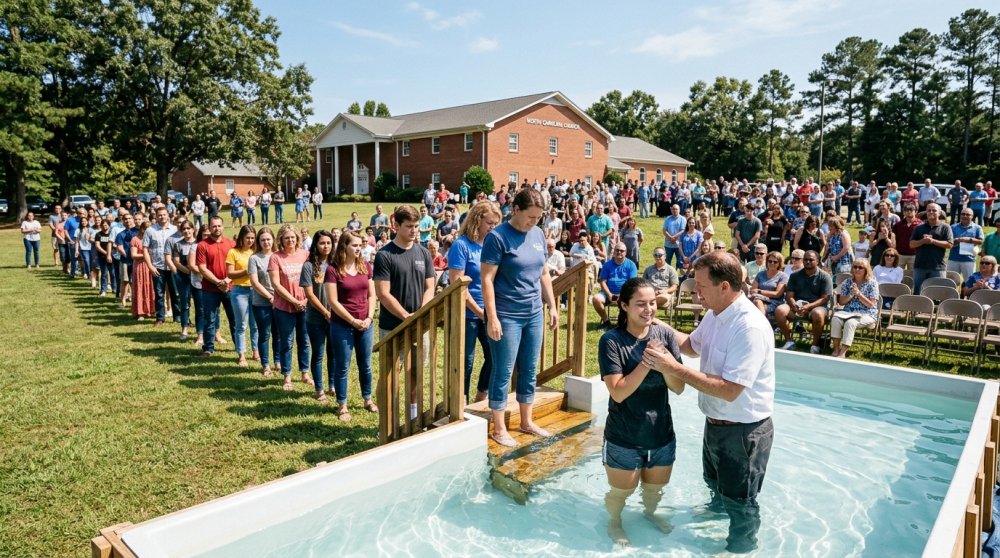
A multisite church in North Carolina baptized 458 people in a single day. This remarkable turnout set a new record for the congregation.
The milestone surpasses any previous single-day baptism in the church’s 137-year history. Church leaders say the outpouring reflects God’s active work among their members and surrounding communities.
Let us know what you think, please share your thoughts in the comments below.


-

 Self-Reliance1 year ago
Trump’s Bold Move Uncovers Massive Social Security Fraud
-

 Faith1 year ago
New Clues Emerge in Noah’s Ark Mystery
-

 News2 years ago
Governor Walz’s Rhetoric Sparks National Controversy
-

 News1 year ago
Mel Gibson’s ‘The Passion of the Christ’ Sequel Title Announced
-

 Family2 years ago
Texas Lawmaker Targets Furries in Schools
-

 Freedom2 years ago
Maine Lawmaker Challenges Sports Fairness Controversy
-

 Family1 year ago
Canada’s Controversial Policy Sparks Ethical Debate
-
Faith10 months ago
Congress Hears Pleas for Nigerian Christians