
News
When Census Day Arrives, Will It Capture the Faces Behind the Crisis?

Faith Facts
- Mission Australia is calling for improved data collection on homelessness in the 2026 Census to better address the nation’s housing crisis
- The charity organization emphasizes that better data must lead to stronger action on housing and homelessness issues
- Australia’s homelessness situation continues to worsen, prompting faith-based organizations to demand more comprehensive solutions
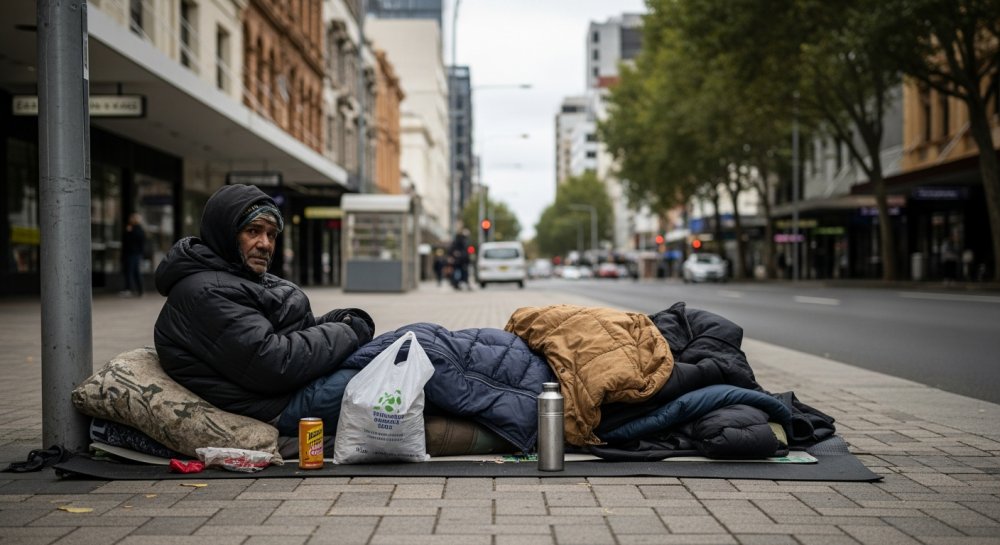
As Australia grapples with a growing homelessness crisis, a leading faith-based charity is demanding that the government take decisive action to better understand and address the problem. Mission Australia has issued a strong call for improved data collection methods in the upcoming 2026 Census, arguing that accurate information is essential for crafting effective solutions.
The organization’s appeal comes at a critical time when homelessness across Australia has reached troubling levels. Without comprehensive data, policymakers and community organizations struggle to allocate resources where they’re needed most or develop targeted interventions that truly address the root causes of housing insecurity.
Mission Australia emphasized that collecting better data is only the first step in a larger moral obligation. The charity insists that information gathered must translate into concrete action, not simply sit in government reports while families continue to sleep in cars, shelters, or on the streets.
This call to action reflects the biblical mandate to care for the vulnerable and marginalized in society. As communities of faith have long understood, addressing homelessness requires both compassion and wisdom—knowing the true scope of the problem enables churches, charities, and government agencies to work together more effectively.
The 2026 Census represents a crucial opportunity to gain a clearer picture of Australia’s housing crisis. Faith-based organizations like Mission Australia are at the forefront of providing emergency shelter, meals, and support services to those experiencing homelessness, giving them unique insight into the gaps in current data collection methods.
By pushing for enhanced census questions and methodology, Mission Australia hopes to ensure that every person affected by homelessness is counted and considered. This data-driven approach, combined with Christian compassion and commitment to human dignity, could pave the way for more effective policies that honor the worth of every individual.
The charity’s advocacy reminds us that behind every statistic is a person created in God’s image, deserving of shelter, stability, and hope. As the 2026 Census approaches, the question remains whether Australia will rise to meet this challenge with both accurate measurement and faithful action.
Let us know what you think, please share your thoughts in the comments below.

Faith Facts
- Two Christian families stood firm in their biblical convictions about parental authority and child-rearing.
- Their legal action upheld the principle that parents, not the state, bear primary responsibility for guiding their children’s moral and spiritual development.
- The settlement protects religious liberty and reinforces the traditional family structure as central to American education.
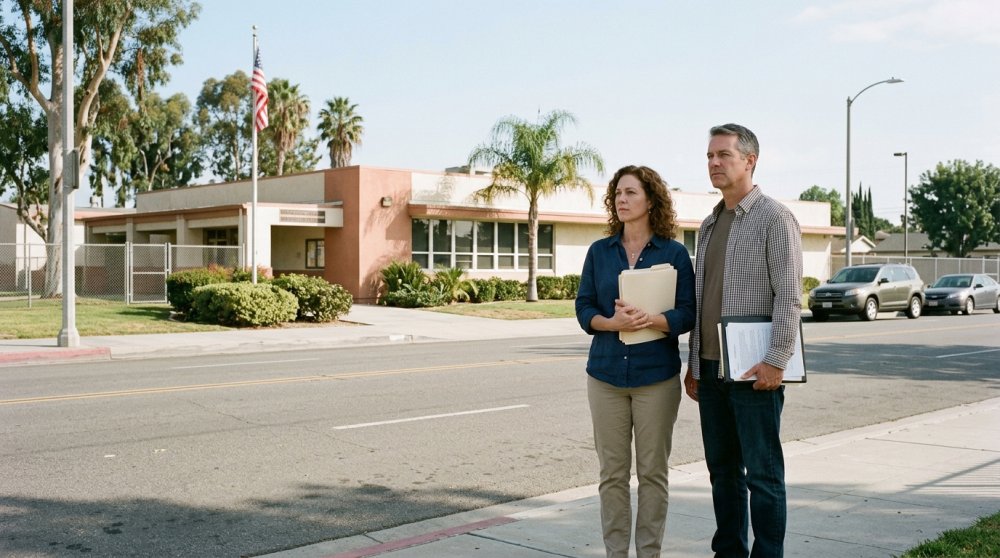
A public school district in Southern California has agreed to notify parents when lessons include LGBT-related material and allow them to opt their children out, settling a lawsuit brought by two Christian families after a book was read to their sons without their prior knowledge.
The agreement marks a significant win for families who believe that parents must have the final say in matters touching on faith and morality.
“We are grateful that our children’s school will now respect our right to guide them according to our beliefs,” one of the parents involved in the case stated.
The families had filed suit after discovering that school staff had introduced content conflicting with their Christian values without any advance notice.
Under the settlement terms, the district will implement policies requiring parental notification and opt-out options whenever LGBT-related material is part of classroom instruction.
This outcome reinforces the longstanding American principle that education should support, not undermine, the family unit.
“Parents have the God-given responsibility to raise their children in the nurture and admonition of the Lord,” another family member commented.
The district’s decision to settle demonstrates that when families unite in defense of their faith and parental rights, schools are compelled to listen.
Let us know what you think, please share your thoughts in the comments below.
Faith Facts
- A pastor was killed while traveling to lead worship in Nigeria’s Plateau State, underscoring the ongoing persecution of Christians in the region.
- At least nine believers lost their lives in coordinated attacks on rural communities over the weekend, highlighting the need for prayer and protection for the Church.
- Local Christians continue to gather for worship despite the violence, demonstrating steadfast faith in the face of persecution.
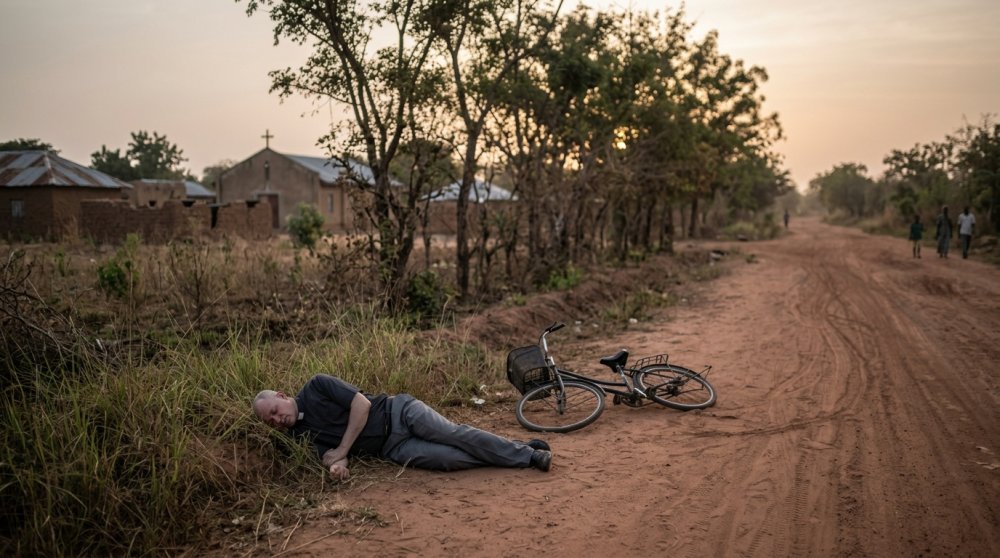
A pastor was shot and killed while traveling to a church service in Nigeria’s Plateau State on Sunday morning.
He was among at least nine people murdered in a series of attacks on rural communities over the weekend.
“This is a tragic reminder that our brothers and sisters in Nigeria are facing daily threats simply because of their faith in Christ,” local church leaders said.
The violence has left families devastated and congregations mourning faithful servants of the Lord.
“We call on the international community and all people of faith to stand with us in prayer and advocacy for peace and justice,” community representatives stated.
Let us know what you think, please share your thoughts in the comments below.
Faith Facts
- September 11, 2001, claimed nearly three thousand innocent lives and united Americans in prayer and resolve.
- Scripture calls believers to remember God’s deliverance and to stand firm in truth and righteousness.
- Patriotism rooted in faith honors the fallen and defends the freedoms they protected.
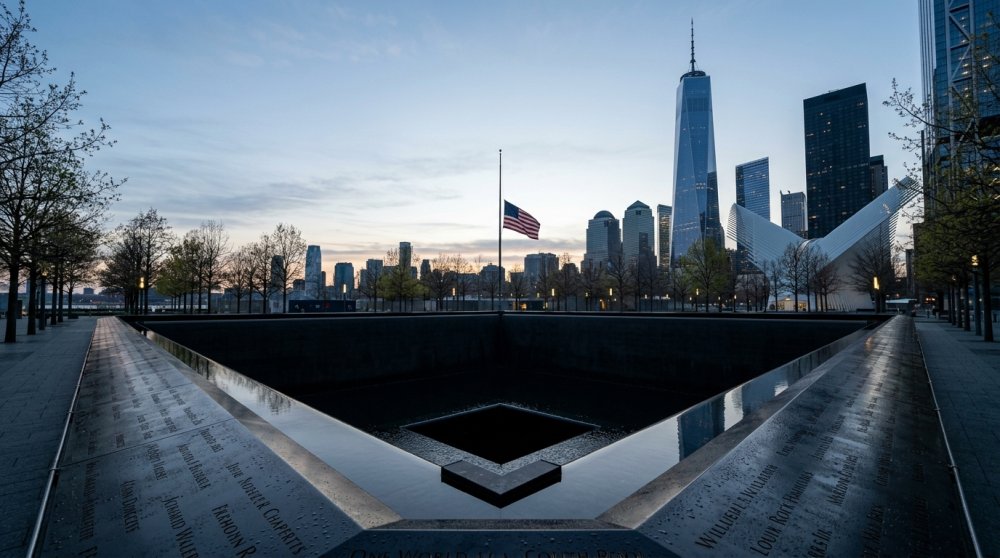
Two decades after the deadliest terror attack on American soil, the national pledge to “never forget” is fading from the public square. Schools once paused for solemn ceremonies now treat the anniversary as an ordinary day on the calendar.
Patriotic symbols that once lined every street have grown sparse, while classrooms emphasize global citizenship over American heritage. The result is a generation increasingly detached from the sacrifice and unity that defined the aftermath of 9/11.
“The Lord is close to the brokenhearted and saves those who are crushed in spirit,”
Psalm 34:18 reminds us, yet public remembrances of that brokenhearted day are growing quieter each year.
Many families who lost loved ones continue to mark the anniversary with private grief and public witness. Their steadfast example challenges a culture that prefers comfort over costly remembrance.
“Greater love has no one than this: to lay down one’s life for one’s friends,”
Jesus declared in John 15:13, a truth vividly displayed by first responders who rushed into danger on that September morning.
Churches across the nation still gather to pray for the families, to thank God for the freedoms secured by those who serve, and to ask for continued protection over the land. Such gatherings keep the memory alive when national institutions fall silent.
As cultural voices urge Americans to move on, Scripture and history both warn against forgetting the cost of freedom. A people that forgets its story risks repeating its tragedies.
Let us know what you think, please share your thoughts in the comments below.


-

 Self-Reliance1 year ago
Trump’s Bold Move Uncovers Massive Social Security Fraud
-

 Faith1 year ago
New Clues Emerge in Noah’s Ark Mystery
-

 News2 years ago
Governor Walz’s Rhetoric Sparks National Controversy
-

 News1 year ago
Mel Gibson’s ‘The Passion of the Christ’ Sequel Title Announced
-

 Family1 year ago
Texas Lawmaker Targets Furries in Schools
-

 Freedom2 years ago
Maine Lawmaker Challenges Sports Fairness Controversy
-

 Family1 year ago
Canada’s Controversial Policy Sparks Ethical Debate
-
Faith10 months ago
Congress Hears Pleas for Nigerian Christians