
News
What Happens When Rising Persecution Targets Christians in Nigeria? Faith Endures Stronger in God’s Light

Faith Facts
- ECWA leaders Rev. Samuel Adewumi and Rev. Dr. Joseph Agboluaje confirm victim was brother of church vice president Rev. Sunday Stephen Ajise.
- Ongoing attacks displace Christians, leaving pastors without flocks and crippling communities economically.
- Nigeria saw 3,490 Christians killed for faith last year, topping global persecution per Open Doors.
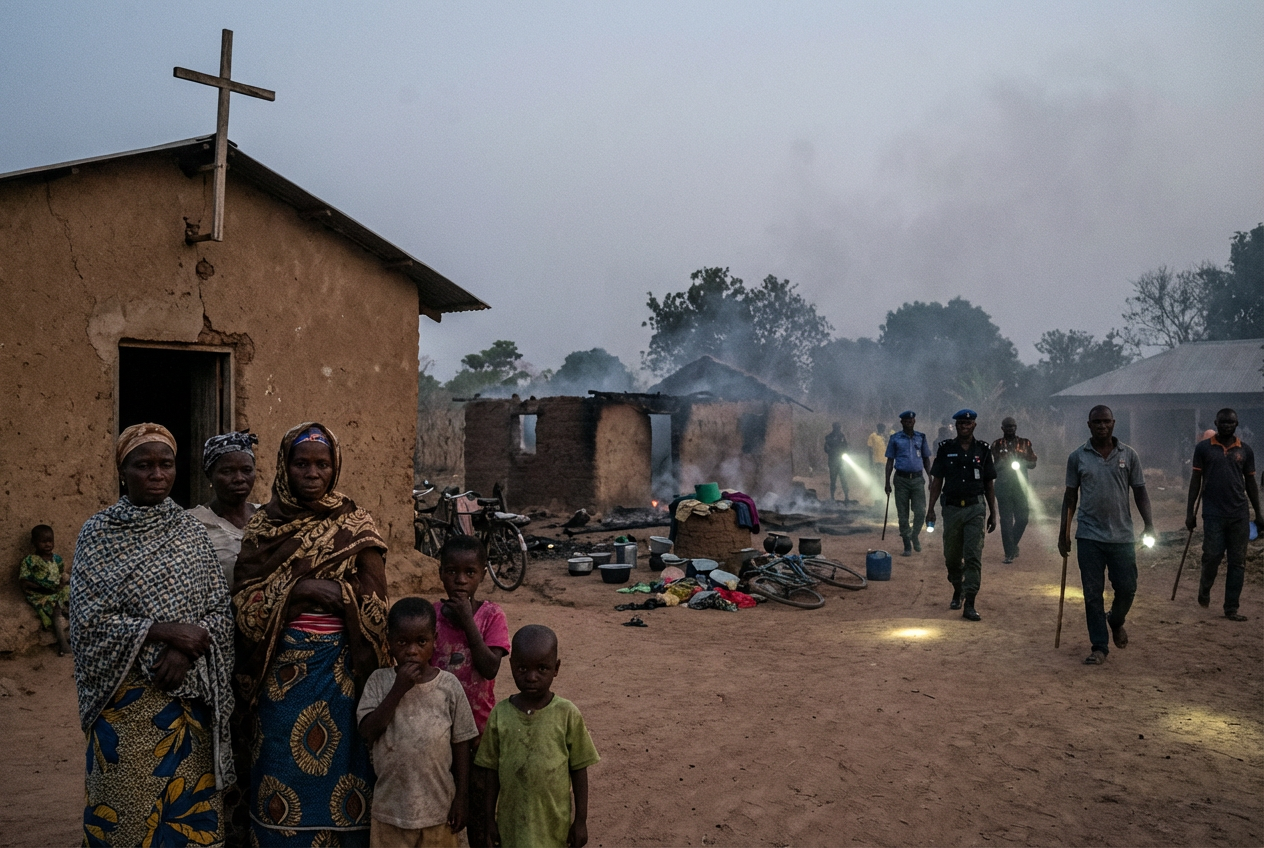
Suspected Fulani terrorists killed Christian John Omoniyi Ajise on March 11 in Oyatedo village, Kwara State, Nigeria.
His wife and four other believers were kidnapped in this brazen assault on the faithful.
Church officials cited kidnappings of Christians Dada and Ishola in nearby Ahun village.
Fulani militants, some embracing radical Islam, target Christian farmlands to seize territory and advance Sharia, defying Biblical calls to love neighbors.
“Many pastors are now without congregations, while members and residents have been compelled to flee their homes.”
The church leaders stated.
“Economic activities have been severely disrupted, and many families have been pushed into hardship.”
“They adopt a comparable strategy to Boko Haram and ISWAP and demonstrate a clear intent to target Christians and potent symbols of Christian identity.”
A UK parliamentary report notes.
Police vow action against banditry, yet our Nigerian brethren endure jihadist raids mirroring early church trials.
Believers everywhere must intercede, upholding family, faith, and freedom against such darkness.


Faith Facts
- A minister at James Talarico’s longtime Texas congregation has publicly identified the church as a “sanctuary church” that is housing an individual in the country illegally.
- Republican Texas Attorney General Ken Paxton has condemned the church’s actions, stating that the congregation “harbors illegals.”
- The revelation comes during Talarico’s campaign as the Democratic nominee for the U.S. Senate seat in Texas.
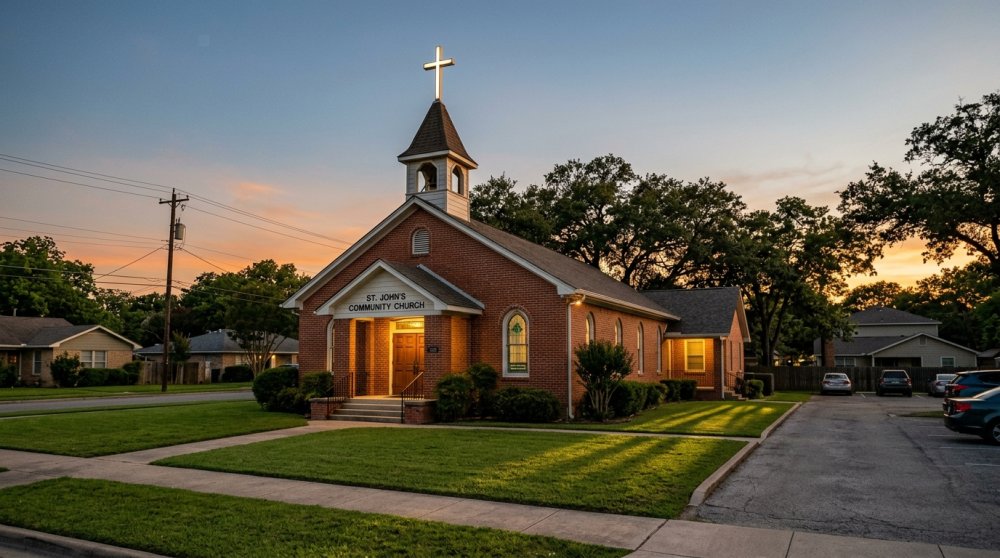
A minister at the longtime Texas congregation of Democratic U.S. Senate nominee James Talarico has confirmed that the church is operating as a “sanctuary church.”
The minister stated that the congregation is currently housing someone who is in the United States illegally.
EXCLUSIVE: Undercover footage shows a minister at James Talarico’s “Sanctuary church” admitting to harboring an illegal alien from Guatemala.
“We don’t have a lot of people who are religious here.”
“We’re not a belief-based church.” pic.twitter.com/p5zKZvItec
— Brandon Waltens (@bwaltens) September 21, 2026
Republican Texas Attorney General Ken Paxton responded to the news by claiming the church “harbors illegals.”
Let us know what you think, please share your thoughts in the comments below.

Faith Facts
- Scripture teaches believers to guard their hearts and minds with discernment when engaging cultural messages.
- Christians have the freedom to choose entertainment that aligns with biblical values and family priorities.
- Faith calls us to respond with grace rather than hostility toward those who hold different worldviews.
Celebrities using their fame to champion causes they care about is not new. George Luke points out that music has carried messages and shaped culture for generations.
Christians shouldn’t hurl hate at those whose views they don’t agree with. You can just choose not to listen. This simple approach protects families and keeps hearts focused on what is true and noble.
“Christians shouldn’t hurl hate at those whose views they don’t agree with – you can just choose not to listen.”
Traditional American values remind us that freedom includes the right to turn away from content that conflicts with our faith. Parents can guide their households with wisdom and love instead of anger.
Ed Sheeran’s desire to avoid overt political statements reflects a common tension many artists face. Yet music has always reflected the beliefs and experiences of its creators.
Choosing entertainment that strengthens rather than challenges our convictions honors God and protects our families. Discernment remains a vital Christian discipline in today’s media-saturated world.
Let us know what you think, please share your thoughts in the comments below.

Faith Facts
- Scripture calls believers to speak truth even when it brings conflict.
- Proverbs 12:17 reminds us that honest witness establishes justice.
- Christian teaching warns against shielding wrongdoing under the banner of unity.
Erick Erickson’s recent reporting on Charles Haywood’s patronage network has sparked intense pushback from some conservative circles. Critics quickly framed the disclosure as an incitement to violence, rather than an effort to shine light on influence and accountability.
The strong reaction suggests that Haywood’s reach extends beyond a single blog or commentary platform. It points to a broader network of support that some are eager to protect at any cost.
“Their overwrought reactions were telling,”
“They made it hard to argue that Haywood is just an isolated pundit with a blog.”
From a biblical standpoint, Christians are called to examine claims and weigh evidence, not reflexively shield influential figures. This episode underscores the need for discernment when political alliances intersect with questions of character and conduct.
Faithful stewardship of public trust means refusing to let slogans such as “no enemies to the right” become cover for questionable behavior. True unity among believers is built on truth, not on silence.
Let us know what you think, please share your thoughts in the comments below.


-

 Self-Reliance1 year ago
Trump’s Bold Move Uncovers Massive Social Security Fraud
-

 Faith1 year ago
New Clues Emerge in Noah’s Ark Mystery
-

 News2 years ago
Governor Walz’s Rhetoric Sparks National Controversy
-

 News1 year ago
Mel Gibson’s ‘The Passion of the Christ’ Sequel Title Announced
-

 Family2 years ago
Texas Lawmaker Targets Furries in Schools
-

 Freedom2 years ago
Maine Lawmaker Challenges Sports Fairness Controversy
-

 Family1 year ago
Canada’s Controversial Policy Sparks Ethical Debate
-
Faith10 months ago
Congress Hears Pleas for Nigerian Christians