
News
Virginia Appeals Court Reopens Church Governance Battle After Disputed Election


Faith Facts
- A Virginia appeals court has reinstated a lawsuit by longtime members of McLean Bible Church challenging a 2021 elder election they claim violated church bylaws
- The original case was dismissed under Virginia’s “ecclesiastical abstention doctrine,” but the appeals court ruled the dispute involves verifiable secular matters like election procedures
- The conflict centers on allegations that Pastor David Platt’s leadership has moved the church away from its traditional foundations
The Court of Appeals of Virginia breathed new life into a contentious legal battle this week, overturning a lower court’s dismissal of a lawsuit brought by longtime members of McLean Bible Church against Pastor David Platt and church leadership. The case revolves around a disputed 2021 elder election that has divided one of northern Virginia’s most prominent evangelical congregations.
The appeals court found that the lawsuit presents questions that can be resolved through neutral principles of law rather than theological interpretation. This decision reverses a Circuit Court ruling that had dismissed the case under Virginia’s “ecclesiastical abstention doctrine,” which typically keeps civil courts from intervening in internal church matters.
The plaintiffs—members with deep roots in the church community—argue that the 2021 election of new elders violated the church’s own bylaws and proper governance procedures. Their concerns extend beyond procedural matters to fundamental questions about the church’s direction under Platt’s leadership.
Allegations have surfaced that McLean Bible Church has drifted from its traditional conservative moorings toward more progressive positions on social and theological issues. These longtime members contend that such changes represent a betrayal of the church’s founding principles and the faith commitments that originally drew them to the congregation.
The dispute highlights broader tensions within American evangelicalism between maintaining biblical fidelity and engaging contemporary culture. For many traditional Christians, church governance isn’t merely administrative—it’s about preserving doctrinal integrity and ensuring accountability to both Scripture and the congregation.
Pastor David Platt, who gained national prominence through his bestselling book “Radical” and previous leadership roles including president of the International Mission Board, has been a polarizing figure. While some appreciate his global missions focus, others have expressed concern about his approach to social issues and church leadership.
The appellate court’s decision means the case will return to the lower court for further proceedings. The members bringing the lawsuit will now have the opportunity to present evidence supporting their claims that election procedures were not properly followed.
This case serves as a reminder that faithful stewardship of our churches requires both spiritual discernment and procedural integrity. When church leaders operate outside established bylaws and governance structures, they undermine the trust that holds Christian communities together.
The outcome could have implications for how Virginia courts handle future disputes over church governance, particularly when allegations involve violations of an organization’s own written rules rather than purely theological disagreements. Churches operate under both spiritual principles and legal frameworks, and both deserve respect.
For the congregants who have invested years or even decades in McLean Bible Church, this legal battle represents more than a procedural dispute. It’s about preserving the character and mission of a church they love and ensuring that leadership remains accountable to both God’s Word and the congregation’s covenant.
As this case moves forward, it will test whether civil courts can appropriately adjudicate disputes over election procedures and bylaw compliance without improperly entangling themselves in religious doctrine. The appeals court believes they can, setting the stage for the next chapter in this ongoing conflict.
Let us know what you think, please share your thoughts in the comments below.

Faith Facts
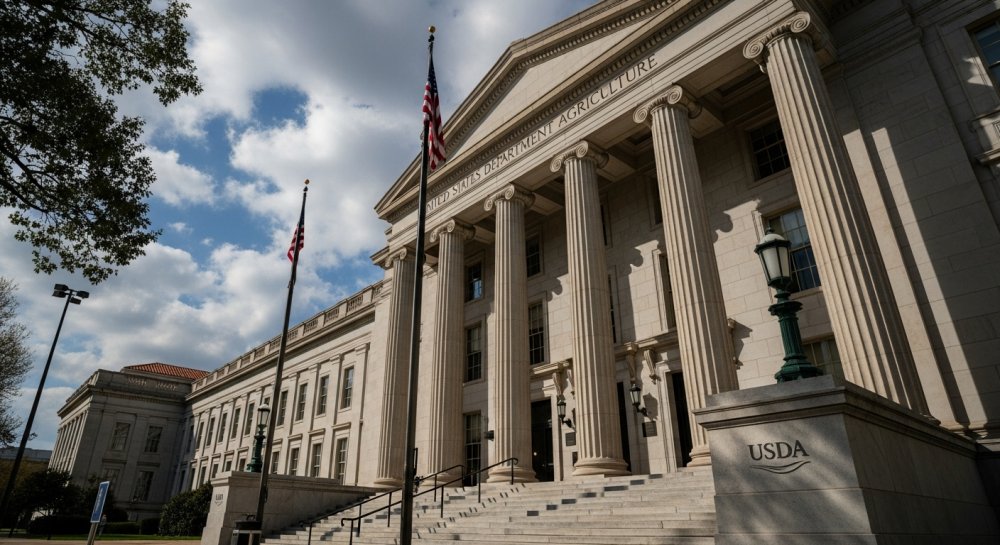
- USDA Secretary Brooke Rollins faces a lawsuit from a federal labor union and agency employees over emails containing Christian-themed content
- The plaintiffs allege violations of the Establishment Clause, claiming the messages constituted government endorsement of religion
- The case raises important questions about religious expression by public officials and the boundaries of faith in government workplaces
A federal labor union and several United States Department of Agriculture employees have filed a lawsuit against Secretary of Agriculture Brooke Rollins, challenging her practice of sending emails with Christian content to staff members. The legal action centers on constitutional questions about religious expression in federal government communications.
The plaintiffs argue that Secretary Rollins violated the Establishment Clause of the First Amendment by distributing messages they characterize as having overtly Christian themes. The lawsuit alleges these communications represent an improper government endorsement of a particular religious faith.
This legal challenge arrives at a time when Americans are engaged in broader conversations about the role of faith in public life and the proper boundaries between religious expression and government service. For many Christian conservatives, the ability of public officials to speak openly about their faith represents a fundamental aspect of religious freedom protected by the Constitution.
The case highlights ongoing tensions between competing interpretations of the Establishment Clause. While some view any religious expression by government officials as constitutionally problematic, others argue that the First Amendment protects the right of individuals—including those in public service—to express their religious beliefs without censorship.
Secretary Rollins has been a prominent figure in the current administration, known for her commitment to conservative principles and agricultural policy. The lawsuit raises questions about whether public officials can share their personal faith perspectives with employees or whether such communications cross constitutional boundaries.
Critics of the lawsuit argue that it represents an overly broad interpretation of the Establishment Clause that would effectively silence religious voices in government. They contend that the Constitution prohibits government establishment of religion but does not require the complete removal of religious expression from public discourse.
The outcome of this case could have significant implications for how federal officials communicate with employees and the extent to which personal religious beliefs can be expressed in government settings. Legal experts will be watching closely to see how courts balance religious freedom protections with concerns about government neutrality toward religion.
As this lawsuit proceeds through the federal court system, it serves as a reminder of the ongoing debate about the proper relationship between faith and government in American public life. The resolution of this case may provide important guidance for federal employees and officials navigating these complex constitutional questions.
Let us know what you think, please share your thoughts in the comments below.
Faith Facts
- Primary elections in multiple states Tuesday determined which candidates will face voters in November’s midterm elections
- Conservative and moderate Republican candidates competed in key battleground races across the nation
- The outcomes will significantly impact which values and policies are championed heading into the general election
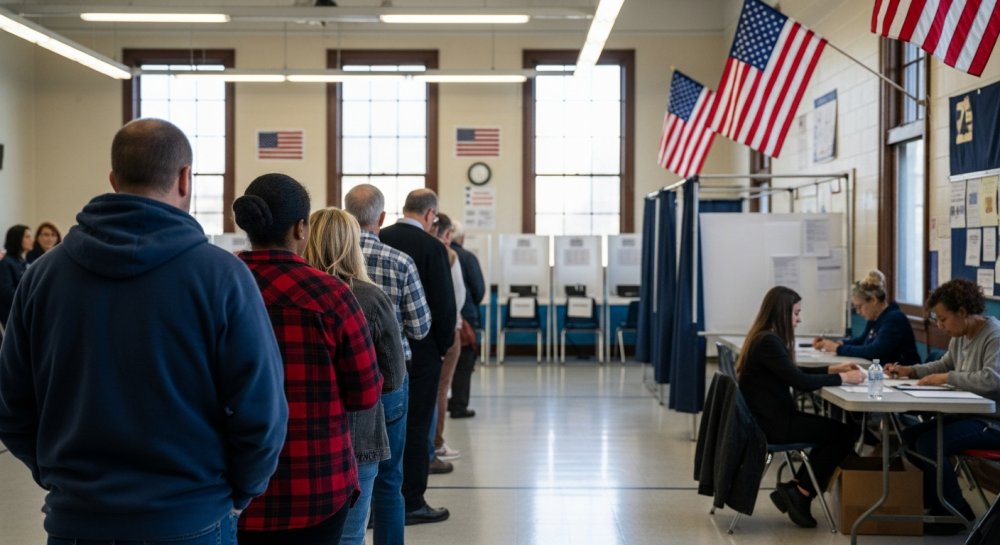
American voters exercised their constitutional right to choose candidates Tuesday in primary elections that will shape the political landscape for November’s critical midterm contests. These elections represent a vital opportunity for citizens to ensure their representatives align with their values on issues of faith, family, and freedom.
The primary results will determine which voices will carry conservative principles forward into the general election. From coast to coast, Americans cast ballots to select candidates who will champion traditional values and defend constitutional liberties.
These primary contests highlight the ongoing battle within the Republican Party between establishment figures and grassroots conservative candidates. The outcomes demonstrate where voters stand on crucial issues affecting families, religious freedom, and the preservation of American values.
In several key races, candidates backed by faith-oriented voters and those supporting traditional marriage and pro-life positions competed for their party’s nomination. The results will indicate whether the electorate prioritizes candidates with strong moral convictions or those who take more moderate stances on social issues.
The November midterm elections will serve as a referendum on policies affecting religious liberty, parental rights in education, border security, and economic freedom. Tuesday’s primaries set the stage for these consequential debates that will determine America’s direction for years to come.
Let us know what you think, please share your thoughts in the comments below.

Faith Facts
- A Texas jury ordered an insurance company to pay Southwestern Baptist Theological Seminary $7.1 million after denying coverage for a lawsuit
- The ruling represents a significant legal victory for the Fort Worth seminary in its ongoing legal challenges
- The case centered on the insurer’s attempt to deny coverage related to the Jane Roe lawsuit against the institution
A Texas jury has delivered a decisive verdict in favor of Southwestern Baptist Theological Seminary, ordering an insurance company to pay over $7 million after it attempted to deny coverage for legal expenses. The ruling marks a critical win for the Fort Worth-based institution as it navigates complex legal challenges.
The jury determined that the insurer must pay Southwestern Baptist Theological Seminary $7.1 million after the company sought to avoid its contractual obligations. The case centered on coverage related to the Jane Roe lawsuit, which had placed significant financial pressure on the seminary.
The verdict underscores the importance of contractual integrity and accountability in the insurance industry. For faith-based institutions like Southwestern Seminary, such legal protections are essential for maintaining their mission and serving their communities without being overwhelmed by litigation costs.
The seminary, one of the largest theological institutions in the United States, has faced various legal challenges in recent years. This jury decision provides crucial financial relief and validates the institution’s position that the insurance company had a duty to honor its coverage commitments.
The $7.1 million award will help offset legal expenses incurred by the seminary during its defense. For religious institutions operating on tight budgets while training the next generation of Christian leaders, such financial burdens can threaten their core educational and spiritual missions.
This case serves as a reminder that insurance companies must fulfill their obligations to policyholders, particularly when those policyholders are institutions serving the greater good. The jury’s decision sends a clear message about corporate accountability and the protection of religious organizations’ legitimate interests.
Let us know what you think, please share your thoughts in the comments below.


-

 Self-Reliance1 year ago
Trump’s Bold Move Uncovers Massive Social Security Fraud
-

 Faith1 year ago
New Clues Emerge in Noah’s Ark Mystery
-

 News1 year ago
Governor Walz’s Rhetoric Sparks National Controversy
-

 News1 year ago
Mel Gibson’s ‘The Passion of the Christ’ Sequel Title Announced
-

 Family1 year ago
Texas Lawmaker Targets Furries in Schools
-

 Freedom1 year ago
Maine Lawmaker Challenges Sports Fairness Controversy
-

 Family12 months ago
Canada’s Controversial Policy Sparks Ethical Debate
-
Faith6 months ago
Congress Hears Pleas for Nigerian Christians