
News
Unsolved 1963 Murder of Christian College Professor Remembered


Faith Facts
- Ruby Lowery Stapleton, a Harding University English professor, was abducted from a laundromat in October 1963 and murdered, her body discovered 11 days later
- The case remains unsolved after 63 years, despite extensive investigation and media attention at the time
- Harding University honors Stapleton’s memory with two campus memorials and will rename the library Writing Center in her honor
SEARCY, ARK. — A new book brings renewed attention to one of Christian higher education’s most tragic unsolved mysteries. Deana Hamby Nall and Mike S. Allen have authored “The Abduction of Mrs. Ruby Lowery Stapleton,” a comprehensive account of the 1963 disappearance and murder of a beloved Harding University professor.
Stapleton vanished from a laundromat in October 1963. Her body was discovered 11 days later, and the case has remained unsolved for more than six decades.
The 264-page independently published work opens with a vivid description of central Arkansas’ autumn landscape, setting the scene for a story that continues to haunt the Christian university community. For current students, the geographical details evoke familiar places like Petit Jean State Park and Sugarloaf Mountain, locations that remain part of student life today.
The authors’ storytelling approach draws readers into the life of the English teacher through previously unpublished anecdotes. Two stories stand out: one recounting Ruby’s memories from Mother’s Day 1963, and another depicting her husband E.R. Stapleton during the 1942 cotton harvest.
The cotton harvest story reveals a lighthearted, competitive side of E.R.’s character that contrasts with his later portrayal during the investigation. Interview transcripts and witness statements in the book present him in a different light — as a suspect in his wife’s disappearance.
Nall and Allen provide meticulous research and extensive detail about the case. Their comprehensive timeline places Stapleton’s disappearance within the broader context of 1963 America, a year of tremendous upheaval and change.
Earlier that fall semester, Harding President George Benson announced the school would desegregate. This decision reflected the challenging times facing Christian institutions as they sought to align biblical principles with the changing social landscape.
Shortly after Stapleton’s body was found, the nation’s attention shifted dramatically. President John F. Kennedy was assassinated in November 1963, and as the authors document, both media coverage and federal law enforcement resources pivoted away from the Stapleton investigation toward the presidential assassination.
This tragic timing may have contributed to why Ruby Stapleton’s murder was never solved. The case went cold as national priorities changed, leaving a faithful Christian educator’s death without justice or closure.
Today, Harding University maintains two memorials honoring Stapleton on campus: a portrait on the second floor of Brackett Library and an engraved brick on the front lawn. In August, the university will rename the Writing Center inside the library to further honor her memory and commitment to teaching English and writing.
These memorials serve as reminders to current students of the dedicated Christian educators who came before them. They also represent an unsolved tragedy that touched the entire Church of Christ university community.
“The Abduction of Mrs. Ruby Lowery Stapleton” offers a factual, engaging presentation suitable for multiple audiences. True crime enthusiasts, those familiar with the case, and readers discovering Stapleton’s story for the first time will all gain thorough knowledge of this complex investigation.
The book demonstrates how one woman’s faithful service as a Christian educator was cut short by senseless violence. It also shows how a community of faith responded to tragedy and continues to honor her memory decades later.
For the Harding University community and the broader Churches of Christ fellowship, Ruby Stapleton’s story represents both loss and lasting impact. Her dedication to teaching and her faith continue to inspire, even as questions about her death remain unanswered.
The authors deserve commendation for their exhaustive research and respectful treatment of a sensitive subject. They have preserved an important piece of Christian higher education history while honoring the memory of a woman whose life was devoted to teaching and faith.
Kenzie James, a senior multimedia journalism major at Harding University who researched the Stapleton case for the student newspaper in 2025, praised the book’s depth and previously undiscovered details.
Let us know what you think, please share your thoughts in the comments below.

Faith Facts
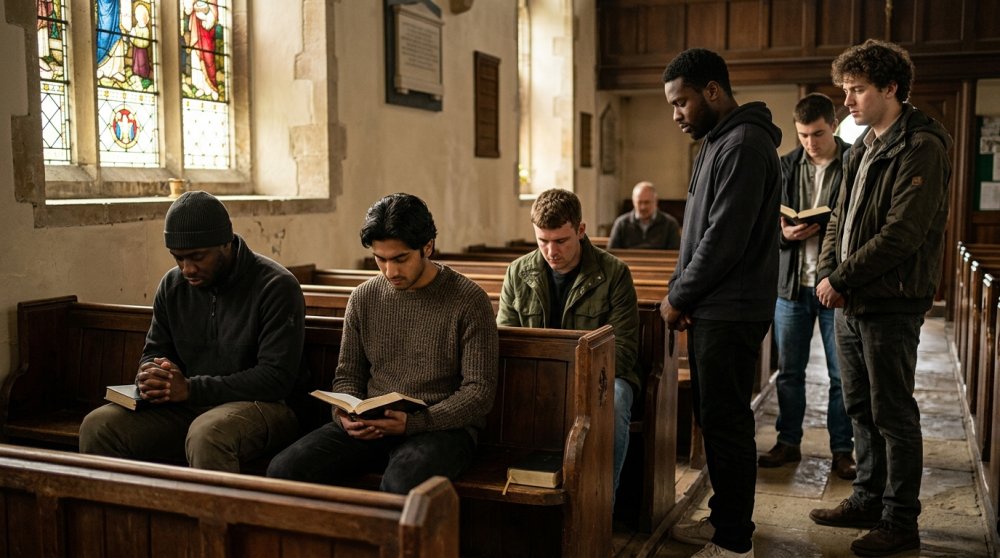
- A landmark study reveals Evangelical Christians in the United Kingdom are defying national religious decline.
- Young men are emerging as a driving force behind the growth of Evangelical faith.
- The findings highlight the continued strength of traditional Christian values in British society.
A landmark study has shed more light on the size, shape and identity of Evangelical Christians in the U.K.
Let us know what you think, please share your thoughts in the comments below.
Faith Facts
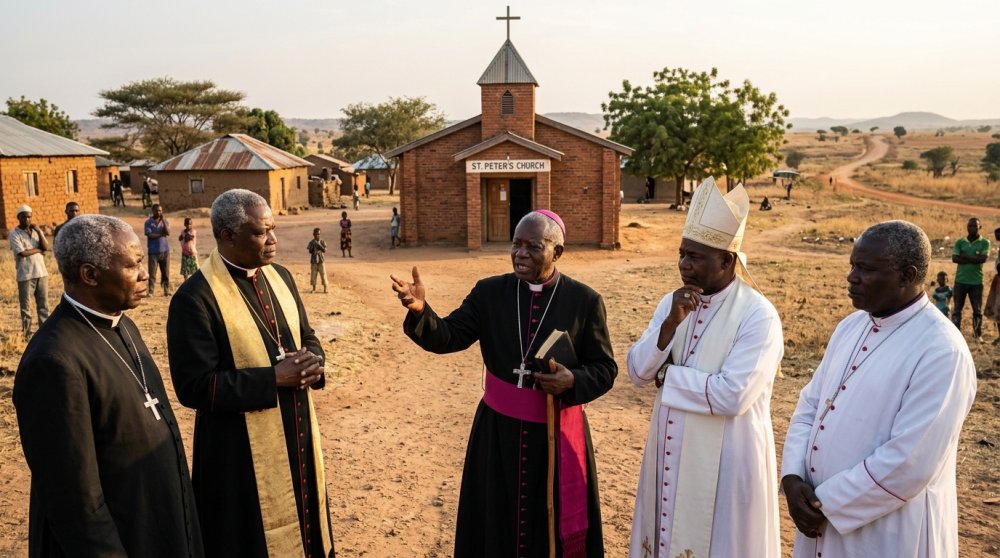
- Christian leaders from Nigeria’s major denominations are urging the creation of state-level police forces to protect citizens from violent crime.
- The call comes amid ongoing kidnappings and lawlessness that have threatened churches, families, and communities across the country.
- Faith-based advocates argue that locally controlled security aligns with biblical principles of justice and neighborly protection.
Leaders from three prominent Christian denominations in Nigeria have publicly endorsed the creation of state police forces as a necessary response to the country’s ongoing security crisis.
Persistent kidnappings and violent crime have plagued communities, leaving families and churches vulnerable in many regions.
Church leaders say a localized policing system would allow for faster response times and greater accountability to the people being protected.
They believe that centralizing all law enforcement has failed to curb the spread of insecurity that now affects worship gatherings and rural villages alike.
The call for state police reflects a growing conviction among Nigerian Christians that communities must be empowered to defend their own.
Faith leaders emphasize that protecting the innocent is a moral duty rooted in Scripture and essential to preserving religious freedom.
They argue that state-level forces, properly trained and accountable, could restore order while respecting Nigeria’s diverse cultural and regional needs.
Let us know what you think, please share your thoughts in the comments below.
Faith Facts
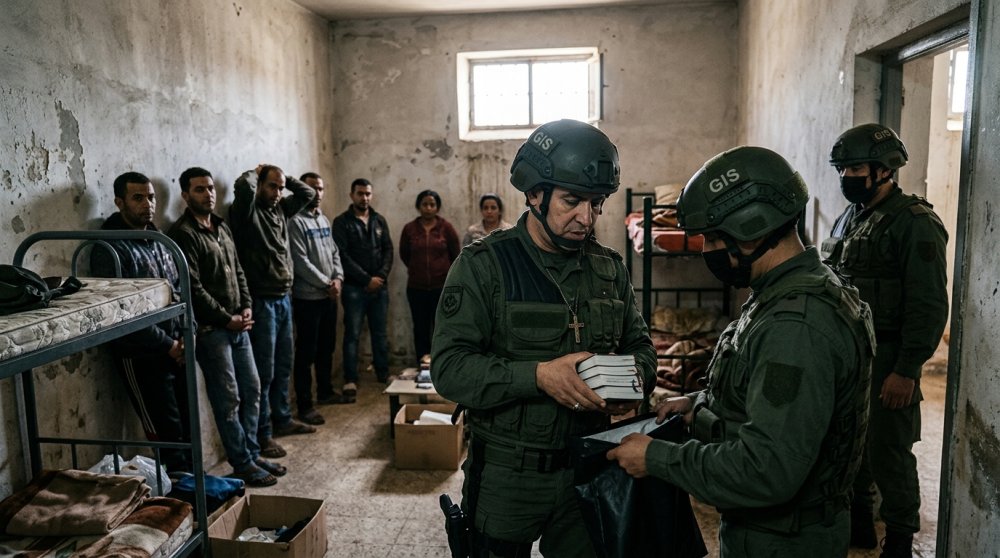
- Special forces police in Algeria raided a humanitarian shelter and arrested 12 Christians for holding a non-Muslim worship service.
- The arrests took place on September 4 during an unauthorized religious gathering.
- Algerian authorities seized Bibles during the operation targeting Christian believers.
Special forces police in Algeria raided a worship service at a humanitarian shelter on Sept. 4, arresting all 12 Christians present on suspicion of holding an unauthorized, non-Muslim religious service.
Let us know what you think, please share your thoughts in the comments below.


-

 Self-Reliance1 year ago
Trump’s Bold Move Uncovers Massive Social Security Fraud
-

 Faith1 year ago
New Clues Emerge in Noah’s Ark Mystery
-

 News2 years ago
Governor Walz’s Rhetoric Sparks National Controversy
-

 News1 year ago
Mel Gibson’s ‘The Passion of the Christ’ Sequel Title Announced
-

 Family1 year ago
Texas Lawmaker Targets Furries in Schools
-

 Freedom1 year ago
Maine Lawmaker Challenges Sports Fairness Controversy
-

 Family1 year ago
Canada’s Controversial Policy Sparks Ethical Debate
-
Faith10 months ago
Congress Hears Pleas for Nigerian Christians