
Faith
Unearthed Ancient Garden Provides Stunning Evidence Supporting Biblical Scripture

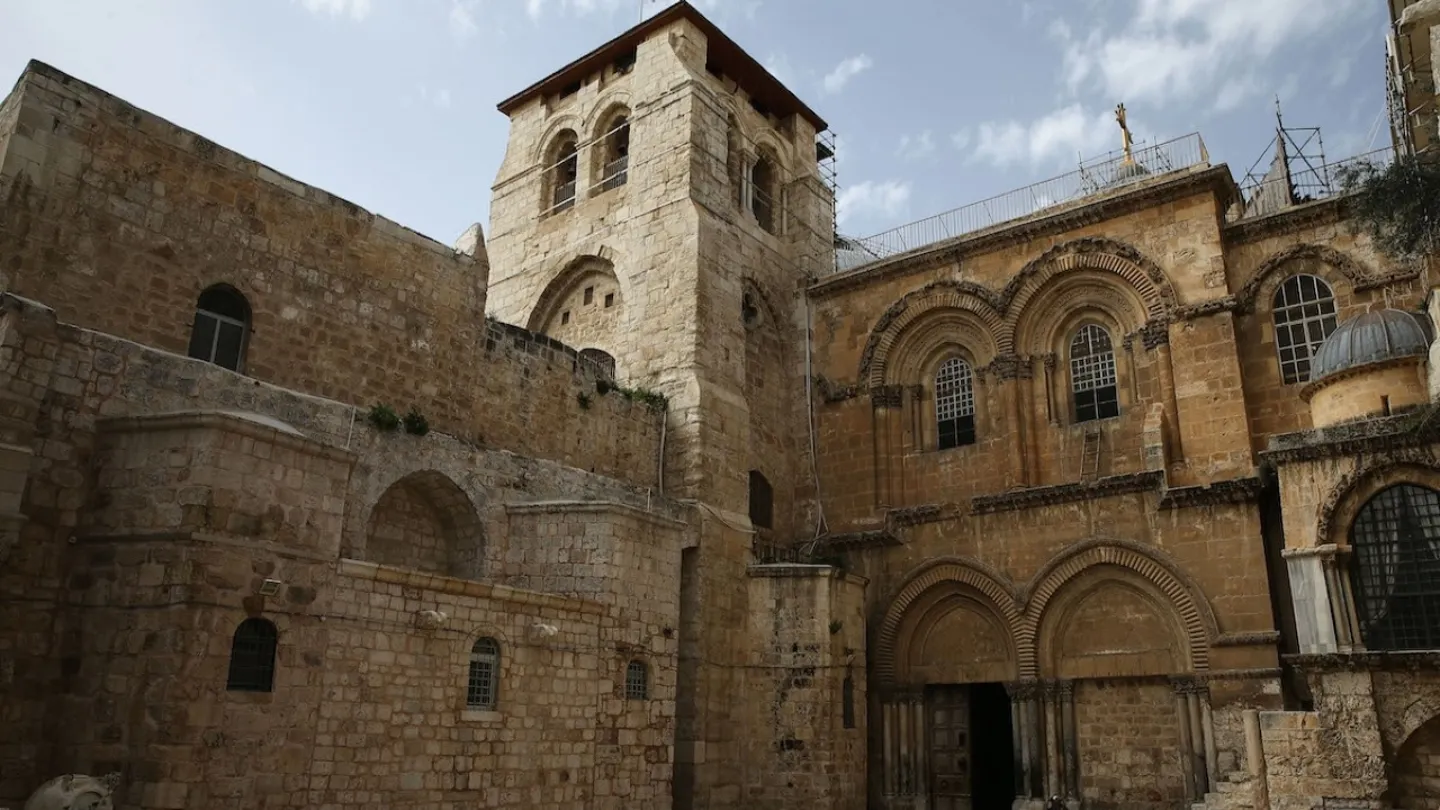
In a remarkable affirmation of biblical scripture, archaeologists have uncovered evidence of an ancient garden at the revered site of the Church of the Holy Sepulchre in Jerusalem, where Jesus Christ was crucified and buried. This discovery, which includes remnants of olive trees and grapevines dating back approximately 2,000 years, aligns with the New Testament verse John 19:41: “Now in the place where he was crucified there was a garden, and in the garden a new tomb in which no one had yet been laid.”
Francesca Stasolla, an archaeology professor at the Sapienza University of Rome, confirmed these findings, noting that seeds and pollen were instrumental in identifying the garden. This revelation not only enriches our understanding of the historical landscape but also underscores the enduring truth of biblical narratives.
The site, known as Calvary, has a storied past, serving various purposes over the centuries. Originally a quarry, it transitioned into an area of agricultural and funerary use by the 1st century A.D. Stasolla explained, “The quarry had to be gradually abandoned and as the stone extraction ended it was used for agricultural areas and tombs.”
This excavation is part of the first major restoration project at the Church of the Holy Sepulchre in nearly two centuries. The church, founded in 326 A.D., has been a focal point of Christian devotion and pilgrimage since the fourth century, despite being destroyed and rebuilt over the ages. The current structure largely reflects the work of the Christian Crusaders, who reclaimed the site in the 12th century.
Stasolla emphasized the significance of the excavation, stating, “It is certainly a strategic excavation for the knowledge of the development of the city and its process of sacralization in a Christian key.” This work promises to yield “many surprises,” as it continues to unveil the layers of history that have shaped this sacred location.
The findings at the Church of the Holy Sepulchre not only validate biblical accounts but also serve as a testament to the enduring faith and devotion of countless believers who have journeyed to this holy site over the centuries. As we reflect on these discoveries, we are reminded of the profound impact that faith, family, and freedom have in shaping our world, guided by the timeless principles found in Scripture.
As this excavation progresses, it offers a unique opportunity to deepen our understanding of the historical and spiritual significance of this sacred site, reinforcing the importance of preserving our Christian heritage and upholding the values that define our nation.
Let us know what you think, please share your thoughts in the comments below.


Faith Facts
- Florida Pastor Willy Rice was elected president of the Southern Baptist Convention on the first ballot Tuesday
- Rice succeeds Pastor Clint Pressley as leader of America’s largest Protestant denomination
- The election represents a pivotal moment for the 13-million-member convention’s future direction
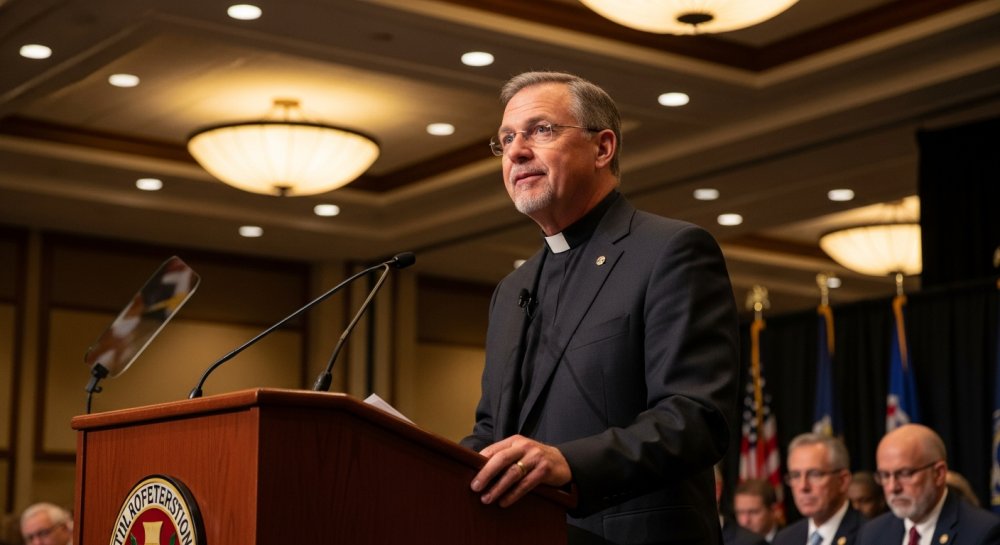
The Southern Baptist Convention witnessed a decisive leadership transition this week as Florida pastor Willy Rice was elected president on the first ballot during Tuesday’s proceedings. The election marks a new chapter for the nation’s largest Protestant denomination, which represents millions of Bible-believing Christians across America.
Rice will succeed outgoing president Clint Pressley in leading the convention, which faces important decisions about maintaining biblical fidelity and engaging with contemporary cultural challenges. The decisive first-ballot victory suggests strong unity among delegates regarding the convention’s future direction.
The Southern Baptist Convention has long served as a pillar of evangelical Christianity in America, championing traditional family values, the sanctity of life, and religious liberty. With more than 13 million members across nearly 47,000 churches, the denomination’s leadership carries significant influence in both spiritual and cultural matters affecting Christian families nationwide.
Rice’s election comes at a critical time as Christian denominations across America grapple with pressure to compromise biblical teachings on marriage, gender, and moral issues. Southern Baptists have historically maintained firm commitment to Scripture as the ultimate authority in all matters of faith and practice.
The new president will be tasked with shepherding the convention through ongoing discussions about mission priorities, theological education, and preserving the gospel message in an increasingly secular culture. His leadership will help determine how effectively the nation’s largest Protestant body can continue reaching souls for Christ while standing firm on biblical truth.
As the Southern Baptist Convention moves forward under new leadership, faithful Christians across America will be watching to see how the denomination navigates the challenges facing Bible-believing churches in the 21st century.
Let us know what you think, please share your thoughts in the comments below.

Faith Facts
- Churches of Christ trace their identity to the New Testament church, not to a denomination or sectarian movement
- The Restoration Movement sought to return Christianity to its biblical foundations by following the examples and teachings found in Scripture
- Christian unity based on Scripture remains a core value, calling believers to focus on what is true and unchanging despite cultural shifts
Churches of Christ are not meant to be a denomination — and “Church of Christ” isn’t meant to be a sectarian name, as ministers noted in a recent examination of “A divine name.” It’s simply one of the biblical descriptions of the local, autonomous churches that make up the body of Christ.
Yet the name has served — for better or worse — as a way to help identify and fellowship churches with a particular understanding of Scripture and how the church should look and function.
Likewise, Churches of Christ are not defined by the Restoration Movement, by Barton Stone or Alexander Campbell. We strive to be heirs of the first century church, following the examples we see in the New Testament.
But — again, for better or worse — Churches of Christ have an undeniable connection and influence from that movement, its leaders and its plea to restore New Testament Christianity.
As part of an ongoing series on the identity of Churches of Christ, editorial board members reflected on their individual views of why the Restoration plea is meaningful and how it fits with their connections to Churches of Christ.
“Christian friends within and beyond Churches of Christ don’t always agree on theology or practice, but we are unified by Christ and him crucified. May we make peace with all believers and let God sort out the differences. The fellowship as we know it may not endure, but I’m confident in the future of the kingdom.”
— Cheryl Mann Bacon
“Sectarianism and power are fundamental longings of fallen human hearts. Unity based upon the teachings of Jesus, and often imperfectly embodied by his earliest disciples, offers a better alternative. At our best, Churches of Christ work toward such unity, granting the liberty to embody the Gospel across diverse settings.”
— Jeremie Beller
“I value the commitment commonly held by Churches of Christ to Scripture and the examples of the New Testament. Our emulation may not be perfect, but the Restoration plea continually draws us back toward the truth and love of God and helps us resist the drift of the world.”
— Calvin Cockrell
“The issue is what do we need to be restored to. The church of our parents is different than today, and young folks can learn from the past and our older saints. Today, older people need to break down cultural boundaries. Let’s talk to people and find out what people are doing.”
— Hamil Harris
“I think the Restoration plea calls the church to focus on what is true and unchanging, despite changes we experience over time. Looking at New Testament teachings and examples, I see the fellowship of the early church. One reason I participate in Churches of Christ is because I experience that type of relationship with other members.”
— Kenzie James
“With sharp divisions taking place in America, and even within our brotherhood, it is critical for members of the Churches of Christ to remain clear-eyed regarding Jesus’ message on unity. How are we supposed to spread the Gospel if we can’t agree on what it means to be disciples?”
— Trindi Mitchell
“I love the simplicity of striving to live and love like Jesus and finding truth and meaning in the stories and teachings of the Bible. It connects me to Churches of Christ because we share a common experience of relying on the Scriptures as our ultimate how-to guide.”
— Bobby Ross Jr.
Let us know what you think, please share your thoughts in the comments below.
Faith Facts
- Pornography temptation affects Christian leaders at rates comparable to the general population, exposing a crisis of accountability in modern church leadership
- Former Hillsong leader Brian Houston has publicly denied pornography use after content appeared on his social media channels, calling the material “vile”
- Ministry experts emphasize the need for greater transparency and accountability structures to protect both leaders and their congregations from moral failures
The American church is facing an uncomfortable truth that can no longer be ignored. While allegations swirl around former Hillsong leader Brian Houston, who has publicly denied watching pornography after questionable content appeared on his social media accounts, the broader conversation demands our immediate attention.
Houston called the content “vile” and rejected any connection to it. But regardless of the specifics of any individual case, the underlying issue cuts to the heart of spiritual warfare in our time.
Cat Etherington from Naked Truth Project has stepped forward to address what many believers whisper about but few dare to confront openly. Pornography represents a genuine temptation for Christian leaders—a reality that our faith communities must acknowledge with honesty and grace.
The statistics paint a sobering picture. Men and women who stand in pulpits, lead worship, and shepherd flocks are not immune to the pervasive digital temptations that assault American families daily. The question is not whether Christian leaders face these battles, but whether our churches have created environments where struggling leaders can find help before catastrophic failure occurs.
Traditional accountability structures in many congregations have proven insufficient for the digital age. The smartphone in every pocket represents both a tool for ministry and a potential gateway to moral compromise. Without robust systems of transparency and support, even the most committed believers can find themselves ensnared.
The Hillsong situation, whatever its ultimate resolution, serves as a wake-up call. American Christians must move beyond shame-based silence and toward redemptive honesty about sexual temptation. This doesn’t mean accepting sin or lowering biblical standards—it means acknowledging reality so we can address it effectively.
Church boards and denominational leaders bear special responsibility here. Creating cultures where leaders can confess struggles before they become scandals requires intentional effort. Anonymous accountability software, regular check-ins with trusted mentors, and clear consequences for deception all play important roles.
For congregations, this means resisting two equally dangerous extremes. We must neither excuse sin in our leaders nor adopt a spirit of judgmental suspicion that assumes the worst. The balance lies in recognizing our shared humanity while maintaining high standards for those who teach and lead.
The spiritual stakes could not be higher. Every fallen leader damages the witness of the gospel and wounds those they were called to serve. Every scandal gives ammunition to those who mock Christian faith and provides cover for predators who use ministry as camouflage.
Yet there is hope. Churches across America are pioneering new approaches to leadership accountability that combine grace with truth. Small groups where leaders can be vulnerable, professional counseling resources, and clear restoration processes all demonstrate that the body of Christ can address this crisis.
Parents and families also play a crucial role. Teaching children and teenagers about sexual purity in a pornography-saturated culture prepares the next generation of leaders to resist temptations their predecessors often faced without adequate preparation or support.
The path forward requires courage—courage to have difficult conversations, courage to implement accountability even when it feels uncomfortable, and courage to extend redemption to those who fall while maintaining consequences for their actions.
Whatever emerges from the Houston situation specifically, the church universal must seize this moment. Pornography’s grip on American culture will only tighten without intentional resistance rooted in biblical truth and practical wisdom.
Christian leaders deserve our prayers, not our naive assumption that their positions somehow insulate them from temptation. They need communities that combine high expectations with genuine support, churches that take both holiness and restoration seriously.
The conversation about pornography and Christian leadership is long overdue. May American believers rise to this challenge with the grace and truth that marked Jesus himself—calling sin what it is while offering hope to all who struggle and genuinely repent.
Let us know what you think, please share your thoughts in the comments below.


-

 Self-Reliance1 year ago
Trump’s Bold Move Uncovers Massive Social Security Fraud
-

 Faith1 year ago
New Clues Emerge in Noah’s Ark Mystery
-

 News1 year ago
Governor Walz’s Rhetoric Sparks National Controversy
-

 News1 year ago
Mel Gibson’s ‘The Passion of the Christ’ Sequel Title Announced
-

 Family1 year ago
Texas Lawmaker Targets Furries in Schools
-

 Freedom1 year ago
Maine Lawmaker Challenges Sports Fairness Controversy
-

 Family1 year ago
Canada’s Controversial Policy Sparks Ethical Debate
-
Faith7 months ago
Congress Hears Pleas for Nigerian Christians