
Faith
Two Christian Leaders Reveal What Makes Great Leadership Actually Work

Faith Facts
- Oklahoma Christian University President Ken Jones and leadership expert Matt Paden have released a new faith-based leadership book centered on biblical principles from the story of Esther and Mordecai
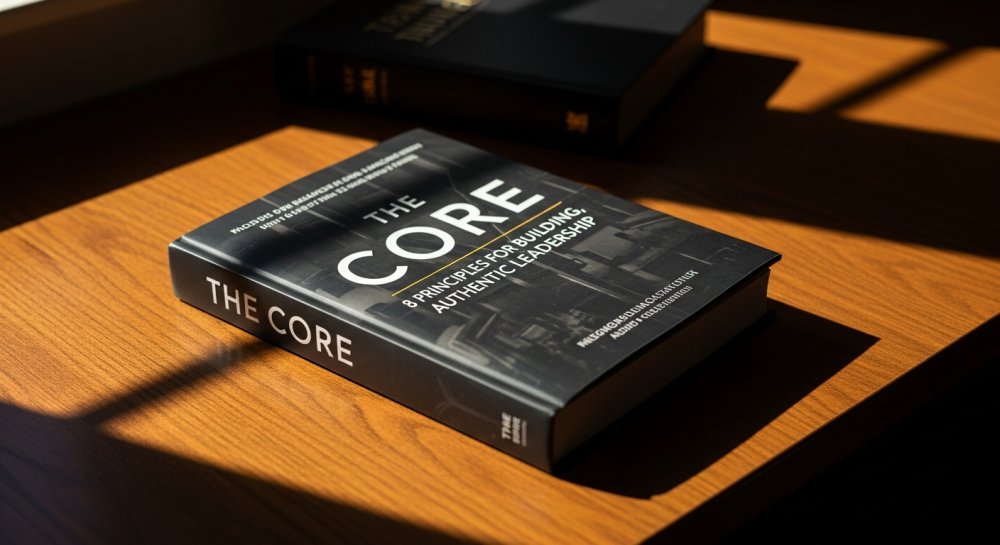
- “The Core: 8 Principles for Building Strong, Authentic Leadership” focuses on internal character and personal practices rather than external management techniques as the foundation of effective leadership
- The book uniquely combines a leadership fable with practical narrative chapters, offering Christian leaders in both church and marketplace settings a Scripture-based approach to everyday leadership challenges
True leadership isn’t just about managing people or running effective meetings. The most important leadership skills often have nothing to do with our outward interactions with others.
A groundbreaking new book is challenging conventional leadership wisdom by returning to timeless biblical principles. “The Core: 8 Principles for Building Strong, Authentic Leadership” by Matt Paden and Ken Jones offers a distinctly faith-centered approach to a topic that secular culture has tried to divorce from its spiritual roots.
Jones serves as president of Oklahoma Christian University in Oklahoma City. Paden is president of Great Days Leadership and formerly served as vice president at Lipscomb University in Nashville, Tennessee. Together, they’ve crafted a leadership resource that speaks directly to Christians seeking to lead with authenticity and biblical integrity.
The book opens with a compelling leadership fable featuring Clint, a college student interning at a local hospital, and Dr. Bill Jackson, the hospital’s longtime CEO. This narrative approach allows readers to experience leadership lessons through Clint’s eyes, making the principles both relatable and memorable.
The storytelling strategy proves particularly effective as readers witness how Jackson’s leadership directly impacts Clint as both a recipient of that leadership and a student learning to lead himself. This dual perspective reinforces how Christian leadership should simultaneously serve and teach those under our care.
Following the fable, Paden and Jones transition to detailed explanations of their eight Core principles. These aren’t just management tips—they’re foundational truths rooted in Scripture, specifically drawing from the biblical account of Esther and Mordecai.
The authors make a crucial distinction that many secular leadership books miss entirely: they focus on the “Leadership Core,” a set of internal ideas and personal practices that serve as the ultimate driver of a leader’s success or failure. Character comes before competence.
One chapter in particular stands out for its practical wisdom: “Leading with Your Ears.” This powerful reflection on the importance of listening in leadership reminds us that our greatest impact often comes not from what we say, but from the space we create for others to feel genuinely heard and valued.
The authors challenge readers to recognize that a failure to listen isn’t an ear issue—it’s a heart issue. This kind of honest, biblical assessment cuts through the superficial advice found in most secular leadership literature.
While some readers might wish for a mnemonic device or more structured progression to help memorize the Core principles, and perhaps more frequent connections between the fable and the teaching sections, these minor suggestions don’t diminish the book’s overall value.
What makes “The Core” particularly valuable isn’t necessarily that every idea is revolutionary or unprecedented. Rather, it’s the fresh presentation and creative packaging of timeless truths, enhanced by the authors’ compelling storytelling and refreshing vulnerability about their own leadership journeys.
This book is highly recommended for any Christian leader—whether serving in ministry or the marketplace—who wants to view everyday leadership through the lens of faith and Scripture. It’s especially valuable for those who share Paden and Jones’ foundational belief that leadership is fundamentally about “speaking up for others and working for the good of the people.”
In a culture that increasingly demands leaders compromise their values or separate their faith from their professional lives, “The Core” offers a much-needed alternative. It demonstrates that the most effective leadership flows from biblical principles that have guided God’s people for millennia.
“The Core: 8 Principles for Building Strong, Authentic Leadership” by Matt Paden and Ken Jones is published by Forefront Books, 240 pages, $28.
Let us know what you think, please share your thoughts in the comments below.


Faith Facts
- Christians are called to redeem every tool for God’s glory and the spread of the Gospel.
- Artificial intelligence is a human creation and remains under God’s sovereign authority.
- Believers must approach emerging technologies with wisdom rooted in Scripture.
Christians around the world are asking an important question as artificial intelligence grows more powerful. How can this technology be captured for the glory of God and the advancement of the Gospel?
Scripture teaches that every good gift comes from above. Technology itself is not evil, but its use must be directed by truth and righteousness.
AI systems are built by people and trained on data created by people. They reflect human choices and remain limited by the boundaries God has established.
Believers have a responsibility to guide these tools toward purposes that honor Christ and serve others. That includes sharing the Gospel, protecting life, and strengthening families.
“Whether therefore ye eat, or drink, or whatsoever ye do, do all to the glory of God,” 1 Corinthians 10:31 reminds us.
Churches and ministries are already exploring ways to use AI for translation, accessibility, and discipleship resources. These efforts must stay anchored in sound doctrine and prayerful discernment.
At the same time, Christians are right to raise concerns about privacy, truth, and the temptation to place ultimate trust in machines rather than in the Lord.
“Trust in the Lord with all thine heart; and lean not unto thine own understanding,” Proverbs 3:5 declares.
Ultimately, the future belongs to the One who created all things, not to any algorithm or invention of man. AI will never have the final word over humanity.
Let us know what you think, please share your thoughts in the comments below.

Faith Facts
- The little log church has stood along the historic Oregon Trail route, serving as a steadfast reminder of Christian faith amid the rugged American frontier.
- U.S. Highway 191 passes near this enduring structure, connecting modern travelers to the spiritual legacy of pioneer families who settled the West.
- The church continues to bear witness to the traditional values of faith, family, and freedom that shaped our nation’s westward expansion.
Along U.S. Highway 191 stands a little log church that looks as though it has occupied this windswept landscape since the days of wagon trains.
The humble structure serves as a tangible link to the pioneer families who carried their Bibles and their faith across the plains in search of new beginnings.
Its weathered logs and simple steeple rise against the vast Western sky, a quiet testament to the enduring strength of Christian witness in America.
Travelers passing by are reminded that the values of hard work, self-reliance, and devotion to God helped build this nation from the ground up.
Let us know what you think, please share your thoughts in the comments below.

Faith Facts
- Scripture teaches that creation groans under the weight of sin and awaits redemption
- Christian teaching holds that believers are called to reflect God’s compassion through practical help
- History shows the church has long been first on the scene after floods, fires, and storms
Every natural disaster reminds us that we live in a fallen world — that mankind’s sin irreparably marred the world’s original perfection.
We call these events “natural disasters,” but the reality is that these tragedies are anything but “natural.”
Let us know what you think, please share your thoughts in the comments below.


-

 Self-Reliance1 year ago
Trump’s Bold Move Uncovers Massive Social Security Fraud
-

 Faith1 year ago
New Clues Emerge in Noah’s Ark Mystery
-

 News2 years ago
Governor Walz’s Rhetoric Sparks National Controversy
-

 News1 year ago
Mel Gibson’s ‘The Passion of the Christ’ Sequel Title Announced
-

 Family1 year ago
Texas Lawmaker Targets Furries in Schools
-

 Freedom2 years ago
Maine Lawmaker Challenges Sports Fairness Controversy
-

 Family1 year ago
Canada’s Controversial Policy Sparks Ethical Debate
-
Faith10 months ago
Congress Hears Pleas for Nigerian Christians