
Faith
Three Words Reshape Eternity: Jesus Became Sin for Our Glory

Faith Facts
- Christ became sin to satisfy the holy requirements of God the Father.
- Righteousness means being made right with God and seen as holy in His presence.
- Confession is the essential key to embracing the freedom found in Christ’s sacrifice.
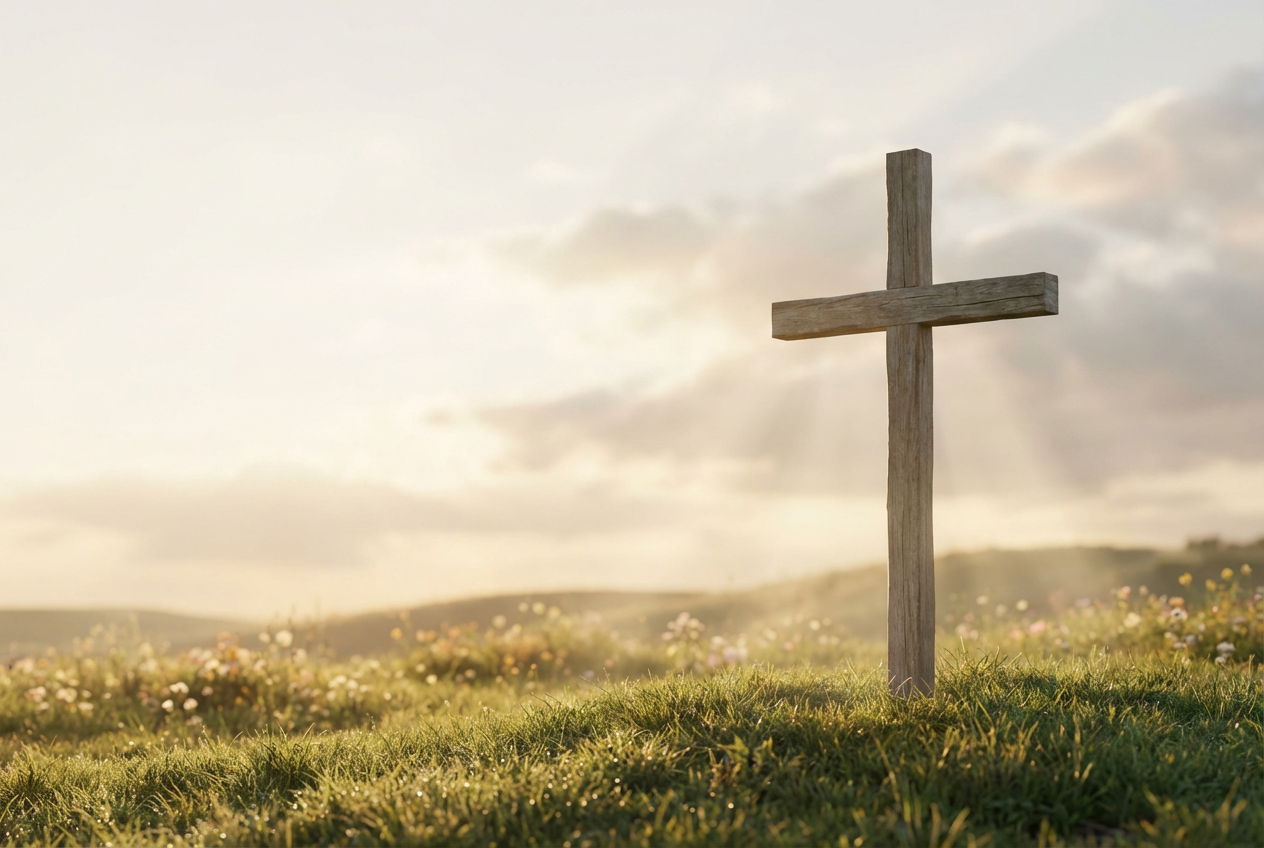
As we enter the Easter season, believers must reflect on the profound significance of Christ’s redemptive work for humanity. The Apostle Paul reminded the church at Corinth that the sinless Savior took on our debt to offer us His righteousness.
This divine exchange altered the course of history and eternity for all who embrace Christ’s sacrificial death and resurrection. While no human can live without sin for a single hour, Jesus remained perfect for thirty-three years to become the ultimate sacrifice.
“For our sake he made him to be sin who knew no sin, so that in him we might become the righteousness of God.”
The wages of sin is eternal death, creating a debt that no man can pay on his own. However, the Good News is that Jesus paid that price in full through His blood at Calvary, offering the free gift of salvation.
Believers are urged not to receive the grace of God in vain by returning to lives of disbelief or unconfessed sin. True transformation occurs when we move from the grip of death into daily life through the power of the Holy Spirit.
Jesus never tires of our confession, as He is faithful and just to forgive all our unrighteousness. We must lay aside the sins that cling so closely and walk confidently in the victory He secured for us on the cross.
May we never take for granted the five words that change every day: confess your sins to Jesus. By humbling ourselves before the Lord, we continue to become His righteousness and live for His glory until He returns.



Faith Facts
- Evangelical media may be failing to reach beyond its own community, raising concerns about effective witness in the public square
- Christian voices need both compelling content and strategic channels to influence the broader cultural conversation
- Faithful stewardship of communication platforms is essential for evangelicals to fulfill their prophetic calling in America
The question facing evangelical Christians today is not whether we have something to say, but whether anyone outside our own circles is actually listening. As believers committed to sharing truth in a culture increasingly hostile to biblical values, we must honestly assess our effectiveness in the public square.
The evangelical community has built robust media networks, publications, and platforms. Yet a troubling pattern has emerged: we may be speaking almost exclusively to ourselves. Our messages resonate within church walls and Christian households, but fail to penetrate the broader cultural conversation where hearts and minds are shaped.
This insular communication poses a serious problem for a faith community called to be salt and light. The prophetic voice that evangelicals are meant to bring to American society requires more than just sound content—it demands strategic channels and forums that actually reach beyond the choir.
From the outside looking in, how are evangelicals perceived? Are we seen as engaged citizens offering wisdom on the pressing issues of our time? Or have we become a closed community speaking our own language, disconnected from the national dialogue on family, freedom, and the future of our nation?
The challenge is clear: evangelicals must steward their communication platforms with greater intentionality. This means not only producing content grounded in biblical truth and traditional American values, but also ensuring that content reaches ears beyond our own community. The public presence of evangelical media must expand if we are to faithfully fulfill our calling.
As faithful Christians, we bear responsibility for how we engage the culture around us. The gospel message and the values it upholds—the sanctity of life, the importance of family, religious liberty, and human dignity—are too vital to remain confined within evangelical echo chambers.
Our communication must become a genuine public presence, one that speaks truth with clarity and conviction to all Americans, not just those who already share our beliefs. Only then can the evangelical voice fulfill its prophetic role in our nation’s ongoing story.
Let us know what you think, please share your thoughts in the comments below.
Faith Facts
- Pastor Elisha Kiire, 25, was killed in Uganda’s Butebo District just hours after participating in a Christian-Muslim public debate
- An imam who participated in the debate is among the prime suspects in the murder investigation
- Christians in Uganda face increasing violence and persecution, particularly when sharing their faith publicly
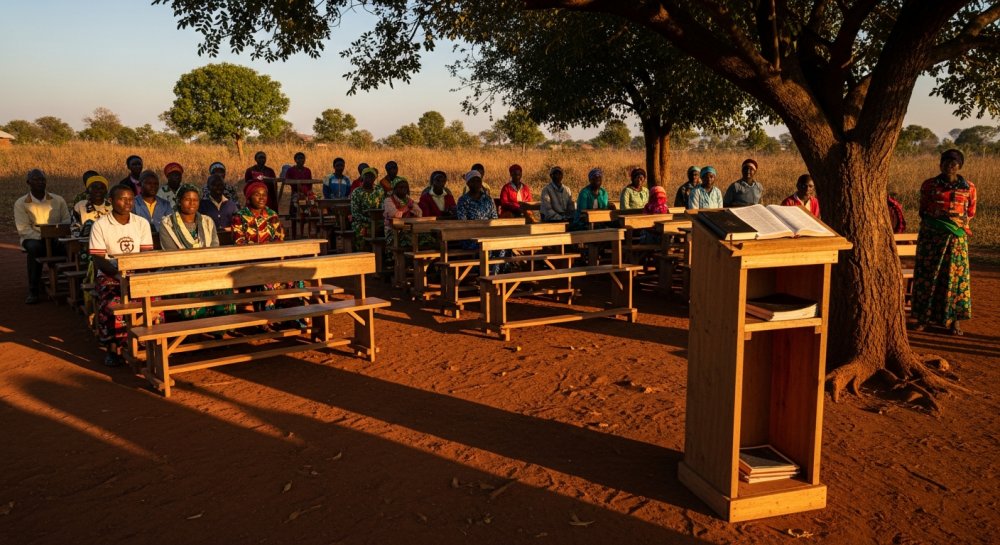
A young pastor’s commitment to defending the Christian faith cost him his life in eastern Uganda. Pastor Elisha Kiire, just 25 years old, was murdered hours after engaging in a public theological debate that drew a crowd in Butebo District.
The pastor served as a minister at New Restoration Church of Christ and was known for his willingness to engage in interfaith dialogue. His death serves as a stark reminder of the persecution Christians face in regions where sharing the Gospel can be a dangerous endeavor.
Local authorities have identified an imam who participated in the debate as one of the prime suspects in the killing. The swift timeline between the debate and the murder has raised serious concerns about religiously motivated violence in the region.
This tragic incident highlights the reality that many Christians around the world continue to face deadly consequences for their faith. While Americans enjoy religious freedom protected by the Constitution, believers in countries like Uganda regularly risk their lives simply for proclaiming biblical truth.
The young pastor’s death underscores the importance of supporting persecuted Christians globally through prayer and advocacy. His willingness to stand firm in his faith, even in the face of opposition, exemplifies the courage that has sustained the Church throughout history.
Religious tensions in Uganda have escalated in recent years as Christian evangelism has grown. Pastors and missionaries who openly share their faith often face threats, harassment, and violence from those opposed to the Gospel message.
The investigation into Pastor Kiire’s murder continues as local authorities work to bring those responsible to justice. The Christian community in Butebo District mourns the loss of a dedicated shepherd who paid the ultimate price for his commitment to Christ.
Let us know what you think, please share your thoughts in the comments below.
Faith Facts
- Mircea Cristian founded Rock of Ages prison ministry in Romania to bring the Gospel to incarcerated men and women
- His son Timotei is now preparing to take over leadership of the transformative ministry
- The ministry has pioneered Christian outreach in Romanian prisons, demonstrating the power of faith to redeem even the most broken lives
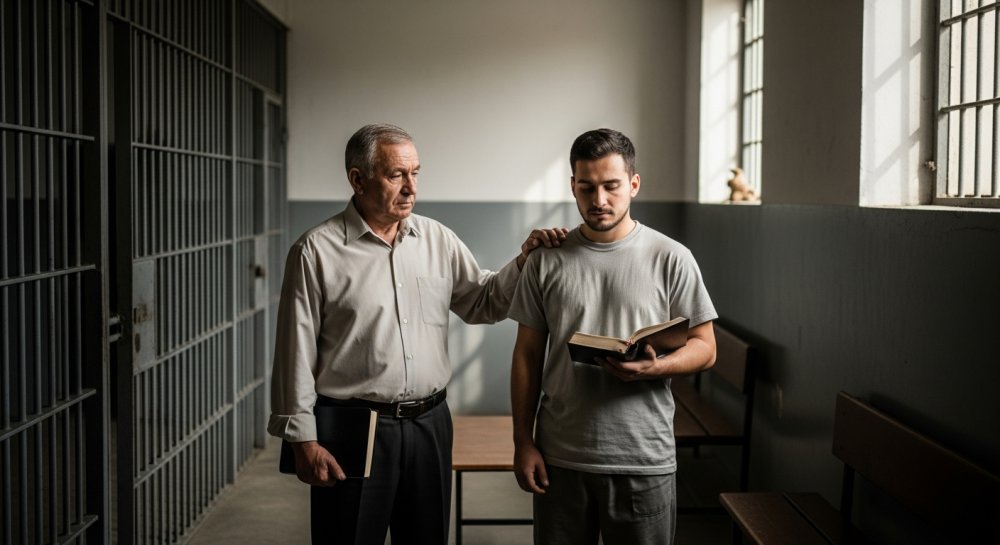
For decades, Mircea Cristian has dedicated his life to a mission many would find daunting: bringing the hope of Jesus Christ to those behind bars in Romania. Now, as he prepares to pass the torch to his son Timotei, the legacy of Rock of Ages prison ministry stands as a testament to the transformative power of faith and the importance of generational faithfulness.
In an interview with Christian Daily International, Cristian reflected on the journey that led him to pioneer this vital ministry. His vision was simple yet profound: incarcerated individuals need more than rehabilitation programs or social services—they need the Lord.
Rock of Ages has become a beacon of hope in Romania’s prison system, where volunteers regularly share the Gospel, disciple new believers, and demonstrate Christ’s love to men and women society has often written off. The ministry’s impact extends far beyond prison walls, as former inmates who encountered Jesus during their incarceration now live transformed lives in their communities.
The decision to transition leadership to Timotei represents more than just organizational succession. It embodies a biblical pattern of fathers equipping sons to carry forward the work of the Kingdom. This generational transfer ensures that the ministry’s mission will continue with fresh energy while maintaining its foundational commitment to sharing Christ with the incarcerated.
Timotei’s preparation for leadership reflects the discipleship model that Rock of Ages has employed with inmates for years. Just as prisoners are mentored in their faith journey, the younger Cristian has been mentored by his father, learning not just the operational aspects of running a ministry but the spiritual disciplines and pastoral heart required to serve this often-overlooked population.
The Romanian prison ministry serves as an example for American Christians who may question whether faith-based approaches truly work in the criminal justice system. The evidence from Rock of Ages demonstrates that when individuals encounter genuine Christian love and the life-changing message of the Gospel, transformation is not only possible—it’s probable.
In an era when secular rehabilitation programs often fall short and recidivism rates remain high, ministries like Rock of Ages prove that addressing the spiritual root of brokenness yields lasting fruit. The ministry’s approach aligns with the biblical truth that real change comes from the inside out, as hearts are renewed by the Holy Spirit.
As Mircea Cristian prepares to hand over leadership, he does so with confidence that the next generation will carry forward this crucial work. His investment in his son mirrors God’s design for passing down faith and mission from one generation to the next—a pattern seen throughout Scripture and one that strengthens the Church’s witness across time.
The work of Rock of Ages reminds believers that no one is beyond the reach of God’s grace. Prisons may confine bodies, but the Gospel sets souls free. This ministry’s continued impact under new leadership will undoubtedly bring more Romanians to saving faith in Jesus Christ.
Let us know what you think, please share your thoughts in the comments below.


-

 Self-Reliance1 year ago
Trump’s Bold Move Uncovers Massive Social Security Fraud
-

 Faith1 year ago
New Clues Emerge in Noah’s Ark Mystery
-

 News1 year ago
Governor Walz’s Rhetoric Sparks National Controversy
-

 News1 year ago
Mel Gibson’s ‘The Passion of the Christ’ Sequel Title Announced
-

 Family1 year ago
Texas Lawmaker Targets Furries in Schools
-

 Freedom1 year ago
Maine Lawmaker Challenges Sports Fairness Controversy
-

 Family1 year ago
Canada’s Controversial Policy Sparks Ethical Debate
-
Faith8 months ago
Congress Hears Pleas for Nigerian Christians