
Faith
The Worldview Battle Behind Pride Month Conversations


Faith Facts
- Christians are called to engage Pride month discussions with both truth and grace, understanding the worldview differences at stake
- Expert Andrew Bunt emphasizes the importance of recognizing foundational beliefs that shape views on sexuality
- Biblical clarity combined with compassion offers believers a path to meaningful conversations during cultural conflict
As Pride month returns each June, Christians across America face renewed cultural pressure and challenging conversations about sexuality, identity, and values. Rather than retreating into silence or reacting with hostility, believers have an opportunity to engage with both conviction and compassion—but only if they understand what’s really at stake.
Andrew Bunt, a thoughtful Christian voice on these issues, challenges believers to move beyond surface-level reactions. He invites Christians to examine the deeper worldview foundations that shape contemporary conversations about sexuality and identity.
The heart of the matter isn’t simply about specific behaviors or political positions. It’s about fundamentally different understandings of truth, human nature, and purpose. Secular culture increasingly embraces a worldview where individual self-definition reigns supreme and personal feelings determine reality. In contrast, biblical Christianity holds that God’s design and revelation define truth about human identity and flourishing.
Understanding this worldview divide equips Christians to have more substantive, loving conversations. When believers recognize that disagreements about sexuality stem from deeper philosophical differences, they can address root issues rather than just symptoms.
Bunt emphasizes that effective engagement requires both clarity and humility. Clarity means knowing what Scripture actually teaches and why those teachings reflect God’s good design for humanity. Humility means recognizing our own brokenness, listening well to others’ experiences, and speaking truth with genuine love rather than condemnation.
For many Christians, Pride month feels overwhelming—a month-long cultural celebration of values that conflict with biblical teaching. The pressure to either enthusiastically affirm or aggressively oppose can leave believers uncertain about how to respond faithfully.
The path forward involves neither compromise nor cruelty. Christians are called to hold fast to biblical truth about God’s design for sexuality and marriage while demonstrating Christ-like love toward all people, including those who identify as LGBTQ.
This means being equipped to explain why Christian sexual ethics aren’t arbitrary rules but reflections of God’s loving design. It means understanding that identity runs deeper than feelings or attractions—that our true identity is found in being image-bearers of God and, for believers, children of God through Christ.
Practical engagement during Pride month might involve conversations with neighbors, coworkers, or family members. These discussions become more fruitful when Christians avoid caricatures and genuinely seek to understand how others think and why they hold their views.
At the same time, love doesn’t require agreeing with falsehood. Christians can respect people while disagreeing with their choices and worldview. This balance—conviction without harshness, truth without compromise—reflects the character of Christ himself.
Churches have a vital role in preparing believers for these conversations. Rather than avoiding difficult topics, congregations should equip members with biblical teaching, thoughtful responses to common objections, and pastoral wisdom for navigating relationships with grace.
Parents especially need support as they guide children through a culture that often contradicts Christian values. Teaching children to think critically about worldview assumptions, not just react emotionally to cultural messages, prepares them for lifelong faithfulness.
Bunt’s call to think more deeply about worldview foundations serves as a reminder that cultural engagement requires intellectual preparation. Christians should understand not only what the Bible teaches but also how secular ideologies differ and why those differences matter.
This deeper engagement ultimately serves both truth and love. When believers understand the worldview battle at hand, they can speak with greater wisdom, answer objections more effectively, and demonstrate that Christian teaching offers true human flourishing.
The challenge of Pride month presents an opportunity for the church to demonstrate what it means to be salt and light in a confused culture. By combining biblical conviction with Christlike compassion, Christians can offer a compelling alternative to both harsh condemnation and affirming compromise.
Let us know what you think, please share your thoughts in the comments below.

Faith Facts
- Dr Michael Tang relocated from London to Yorkshire to serve rural believers after observing urban church trends.
- Smaller rural churches often rely on older faithful members who continue to uphold traditional worship and community.
- The focus on headline-grabbing urban growth can overlook the steady witness of countryside congregations.
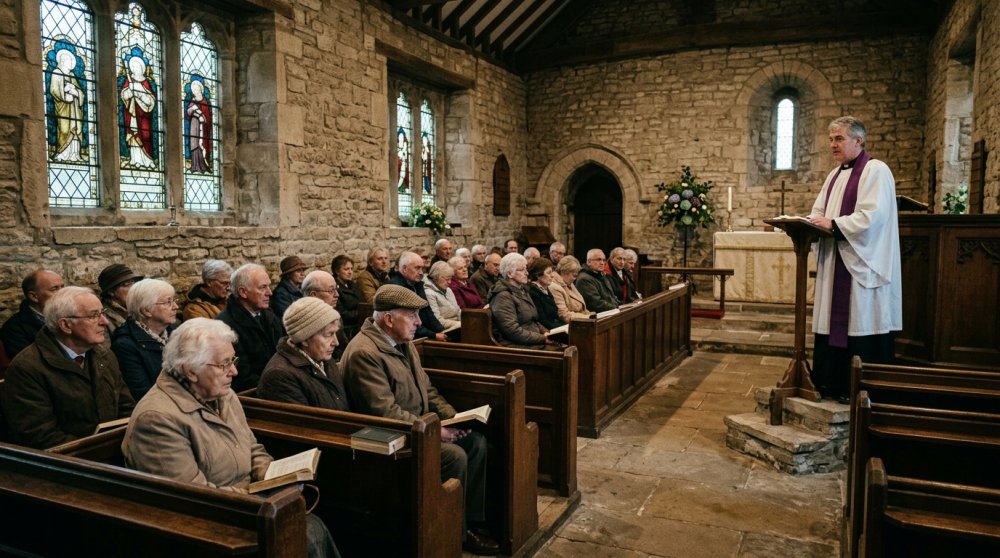
Big city churches full of young people are great, says Dr Michael Tang. But what about smaller rural ones, with their faithful older congregations?
After moving from London to Yorkshire, he’s learning to listen to the wisdom of age, not just the headline-grabbing reports of church growth.
“Big city churches full of young people are great, says Dr Michael Tang. But what about smaller rural ones, with their faithful older congregations?”
“After moving from London to Yorkshire, he’s learning to listen to the wisdom of age, not just the headline-grabbing reports of church growth.”
Let us know what you think, please share your thoughts in the comments below.

Faith Facts
- Eric Metaxas emphasizes the biblical foundation of American self-government.
- Nathan Hale, executed by the British at age 21, exemplifies early American faithfulness and courage.
- Remembering heroic figures like Hale strengthens national resolve rooted in biblical truth.
Author Eric Metaxas recently spoke with The Christian Post about the urgent need to recall the biblical principles that shaped American self-government.
Metaxas pointed to the story of Nathan Hale, the 21-year-old patriot who was hanged by British forces 250 years ago this week, as a powerful example of sacrificial courage.
“We need to remember these heroic figures who laid down their lives for the cause of liberty,” he said.
The author stressed that such stories are not mere historical footnotes but living reminders of the Christian virtues that once defined the American experiment.
“Without these examples, we lose the moral imagination required to sustain freedom,” Metaxas added.
He urged believers and citizens alike to recover the memory of those who stood firm in faith and principle during the nation’s founding era.
Let us know what you think, please share your thoughts in the comments below.
Faith Facts
- A North Carolina church baptized 458 people in one day.
- This event marks the largest single-day baptism in the congregation’s 137-year history.
- The congregation attributes the record turnout to God at work in their community.
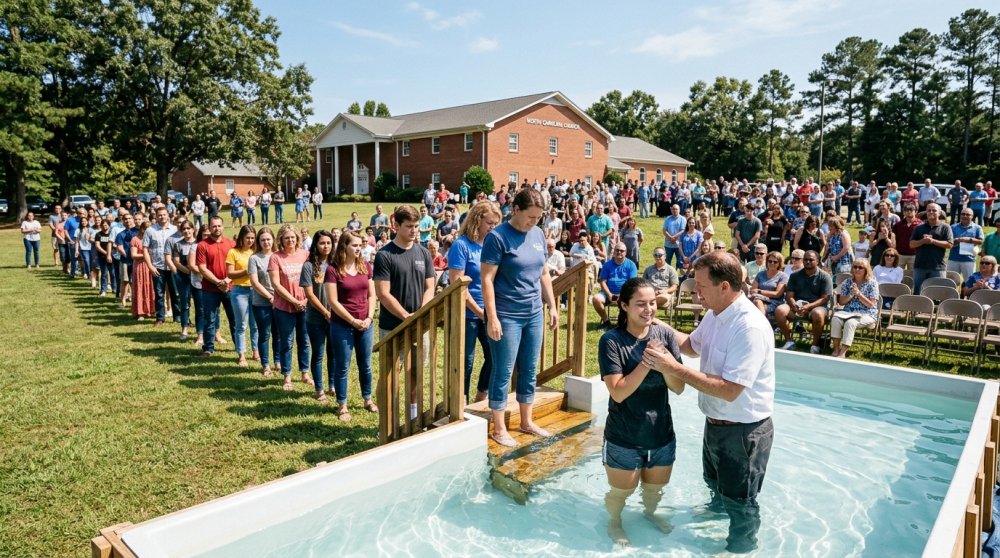
A multisite church in North Carolina baptized 458 people in a single day. This remarkable turnout set a new record for the congregation.
The milestone surpasses any previous single-day baptism in the church’s 137-year history. Church leaders say the outpouring reflects God’s active work among their members and surrounding communities.
Let us know what you think, please share your thoughts in the comments below.


-

 Self-Reliance1 year ago
Trump’s Bold Move Uncovers Massive Social Security Fraud
-

 Faith1 year ago
New Clues Emerge in Noah’s Ark Mystery
-

 News2 years ago
Governor Walz’s Rhetoric Sparks National Controversy
-

 News1 year ago
Mel Gibson’s ‘The Passion of the Christ’ Sequel Title Announced
-

 Family2 years ago
Texas Lawmaker Targets Furries in Schools
-

 Freedom2 years ago
Maine Lawmaker Challenges Sports Fairness Controversy
-

 Family1 year ago
Canada’s Controversial Policy Sparks Ethical Debate
-
Faith10 months ago
Congress Hears Pleas for Nigerian Christians