
Faith
The Word Tolkien Created to Capture Christianity’s Greatest Truth


Faith Facts
- J.R.R. Tolkien, devout Catholic and author of The Lord of the Rings, invented the term ‘eucatastrophe’ to describe the sudden joyous turn in a story that pierces the heart with hope.
- Tolkien believed the Resurrection of Jesus Christ is the ultimate eucatastrophe — the greatest sudden reversal from despair to joy in all of human history.
- The concept offers Christians a framework for understanding how God transforms suffering into redemption, providing hope that neither denies hardship nor succumbs to despair.
J.R.R. Tolkien, the beloved author of The Lord of the Rings and a devoted Catholic, gave the world more than epic tales of Middle-earth. He also contributed a profound theological insight wrapped in a single invented word: eucatastrophe.
The term, which Tolkien coined in his essay “On Fairy-Stories,” describes the sudden, joyous turn in a narrative when all seems lost but hope breaks through in an unexpected victory. It is the moment when darkness gives way to light, when despair is shattered by deliverance.
For Tolkien, this literary concept was far more than a storytelling device. It was a window into the very nature of the Gospel itself.
“The Resurrection was the greatest ‘eucatastrophe’ possible in the greatest Fairy Story — and produces that essential emotion: Christian joy which produces tears because it is qualitatively so like sorrow, because it comes from those places where Joy and Sorrow are at one, reconciled, as selfishness and altruism are lost in Love.”
Tolkien understood what many modern Christians intuitively feel but struggle to articulate: the Christian story is not one of easy optimism or blind denial of suffering. It is a story where real anguish is met with real redemption.
The Cross looked like the end. The disciples scattered, hope seemed crushed, and evil appeared triumphant. Yet on the third day, everything changed.
The empty tomb was history’s greatest eucatastrophe — a sudden, stunning reversal that transformed grief into glory and death into life. This is the heartbeat of Christian hope.
Tolkien’s insight offers believers a powerful framework for understanding their own lives. Christians face real hardships, real losses, and real suffering. The faith does not call us to pretend these trials don’t exist or to paste on artificial smiles.
Instead, eucatastrophe invites us to hold fast to the truth that God specializes in miraculous reversals. He brings beauty from ashes, strength from weakness, and resurrection from death.
In a culture increasingly characterized by cynicism on one side and toxic positivity on the other, the concept of eucatastrophe charts a different path. It acknowledges the sorrow while proclaiming the joy.
It sees the darkness but believes in the dawn. It weeps with those who weep, yet never loses sight of the God who wipes away every tear.
Tolkien’s own epic tales reflect this theology. Frodo’s journey to Mount Doom seems doomed to failure, yet grace breaks through at the crucial moment. Aragorn’s kingship appears lost forever, yet he is crowned in glory.
These fictional eucatastrophes echo the true story that gives them meaning — the story of Jesus Christ, who conquered sin and death when all seemed lost.
For American Christians navigating an increasingly hostile cultural landscape, eucatastrophe provides both comfort and courage. It reminds us that our God is not finished writing the story.
The battles we face for religious freedom, for the sanctity of life, for the protection of children, and for the preservation of biblical truth may feel overwhelming. Yet history belongs to the God of eucatastrophe.
He has turned the tables before, and He will do so again. Not through our strength, but through His grace. Not according to our timeline, but in His perfect wisdom.
Tolkien’s invented word captures something essential about Christian existence: we are people who live in the tension between the already and the not yet. Christ has won the victory, yet we still await its full consummation.
We experience real suffering in this fallen world, yet we carry unshakeable hope because we know how the story ends. The tomb is empty. Death has been defeated. And one day, every tear will be wiped away.
This is the hope that neither denies suffering nor surrenders to it. This is eucatastrophe — the joy that pierces through sorrow because it comes from the God who specializes in impossible reversals.
Let us know what you think, please share your thoughts in the comments below.

Faith Facts
- Jordan Shipley called on the Lord during a life-threatening accident that left over 20% of his body with third-degree burns.
- More than eight months later, the former NFL wide receiver described his recovery as a miracle.
- Shipley publicly credits his faith in God for sustaining him through the ordeal.
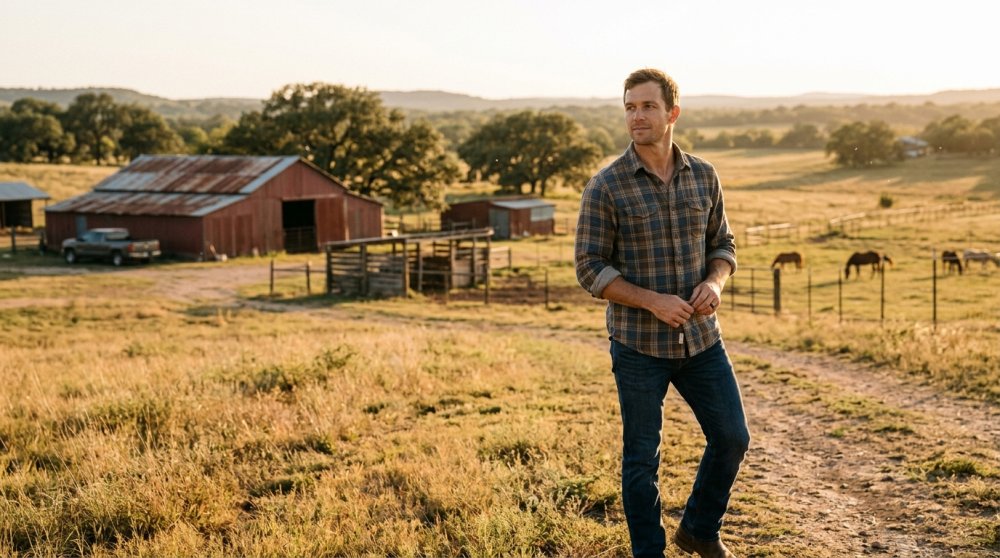
Former NFL wide receiver Jordan Shipley is sharing a powerful testimony of survival and faith. More than eight months ago, Shipley endured a devastating accident on his Texas ranch that left him with third-degree burns across more than 20 percent of his body.
In the midst of the crisis, Shipley says he turned to God with desperate prayers for help. He now describes his recovery as nothing short of miraculous.
“I desperately called on the Lord for help during the life-threatening ordeal and experienced a ‘miracle.'”
Let us know what you think, please share your thoughts in the comments below.
Faith Facts
- Dr Michael Tang relocated from London to Yorkshire to serve rural believers after observing urban church trends.
- Smaller rural churches often rely on older faithful members who continue to uphold traditional worship and community.
- The focus on headline-grabbing urban growth can overlook the steady witness of countryside congregations.
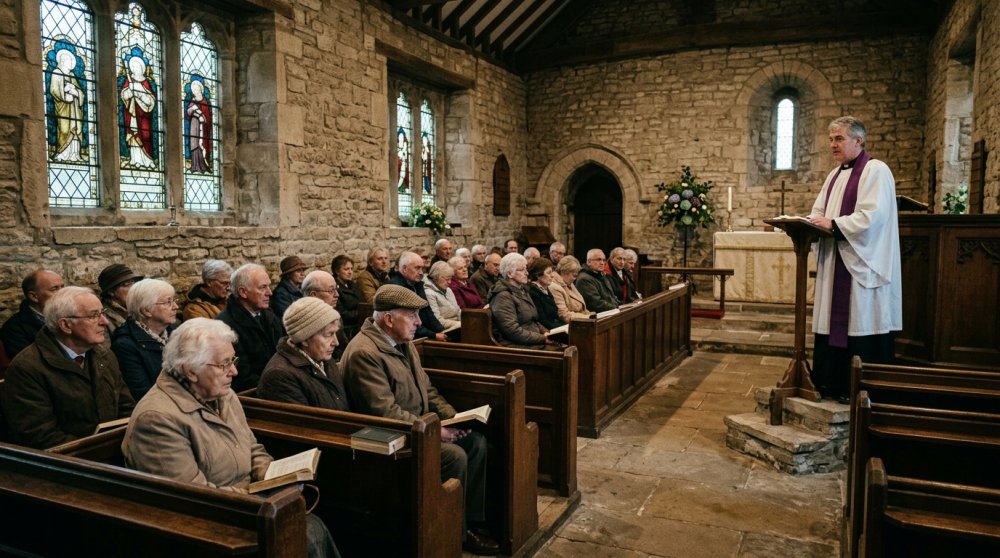
Big city churches full of young people are great, says Dr Michael Tang. But what about smaller rural ones, with their faithful older congregations?
After moving from London to Yorkshire, he’s learning to listen to the wisdom of age, not just the headline-grabbing reports of church growth.
“Big city churches full of young people are great, says Dr Michael Tang. But what about smaller rural ones, with their faithful older congregations?”
“After moving from London to Yorkshire, he’s learning to listen to the wisdom of age, not just the headline-grabbing reports of church growth.”
Let us know what you think, please share your thoughts in the comments below.
Faith Facts
- Eric Metaxas emphasizes the biblical foundation of American self-government.
- Nathan Hale, executed by the British at age 21, exemplifies early American faithfulness and courage.
- Remembering heroic figures like Hale strengthens national resolve rooted in biblical truth.
Author Eric Metaxas recently spoke with The Christian Post about the urgent need to recall the biblical principles that shaped American self-government.
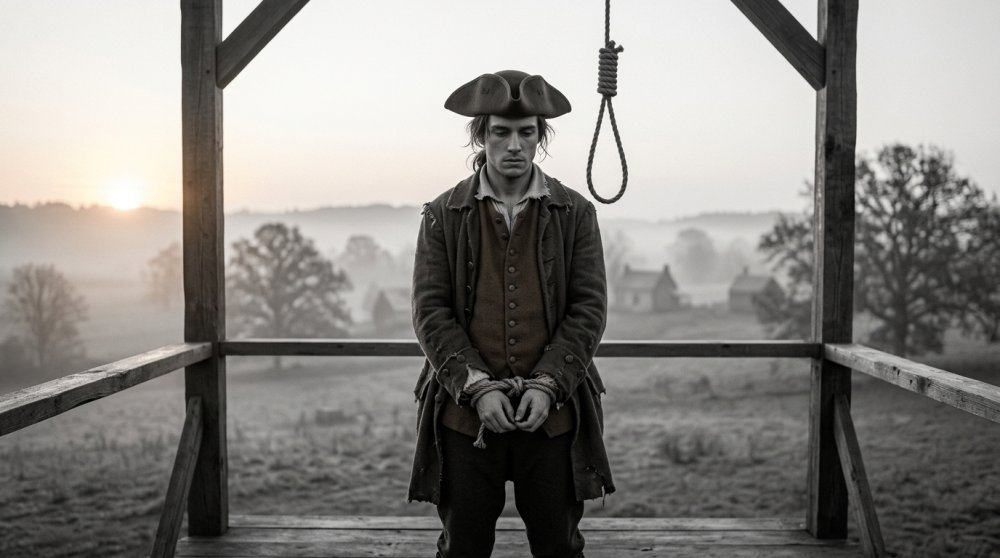
Metaxas pointed to the story of Nathan Hale, the 21-year-old patriot who was hanged by British forces 250 years ago this week, as a powerful example of sacrificial courage.
“We need to remember these heroic figures who laid down their lives for the cause of liberty,” he said.
The author stressed that such stories are not mere historical footnotes but living reminders of the Christian virtues that once defined the American experiment.
“Without these examples, we lose the moral imagination required to sustain freedom,” Metaxas added.
He urged believers and citizens alike to recover the memory of those who stood firm in faith and principle during the nation’s founding era.
Let us know what you think, please share your thoughts in the comments below.


-

 Self-Reliance1 year ago
Trump’s Bold Move Uncovers Massive Social Security Fraud
-

 Faith1 year ago
New Clues Emerge in Noah’s Ark Mystery
-

 News2 years ago
Governor Walz’s Rhetoric Sparks National Controversy
-

 News1 year ago
Mel Gibson’s ‘The Passion of the Christ’ Sequel Title Announced
-

 Family2 years ago
Texas Lawmaker Targets Furries in Schools
-

 Freedom2 years ago
Maine Lawmaker Challenges Sports Fairness Controversy
-

 Family1 year ago
Canada’s Controversial Policy Sparks Ethical Debate
-
Faith10 months ago
Congress Hears Pleas for Nigerian Christians