
News
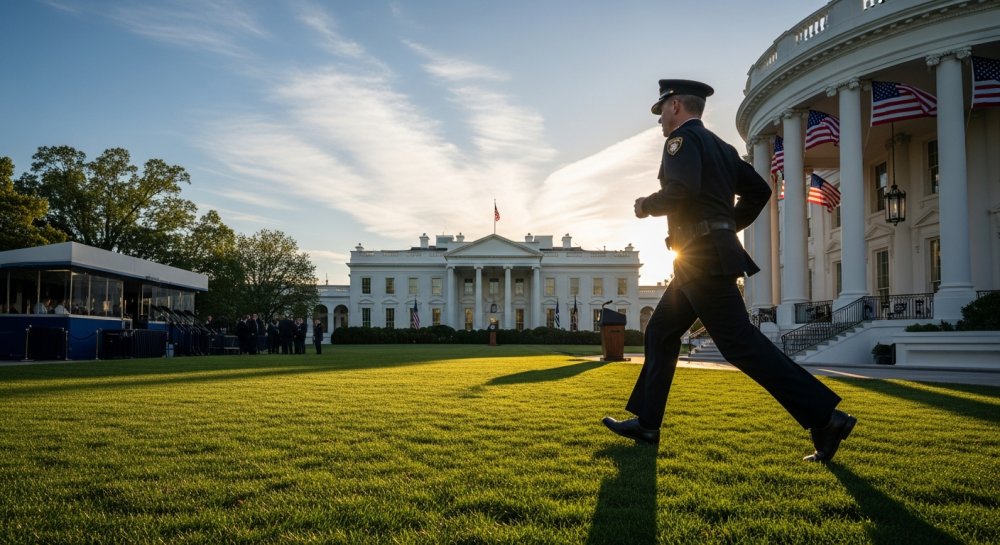
The Week That Shook Washington: Inside the Administration’s Bold New Direction

Faith Facts
- President Trump’s second term continues to reshape federal policy with decisive executive action
- Conservative priorities are advancing rapidly across multiple government agencies
- Traditional American values are being restored to the center of national policy discussions
As President Donald Trump’s second term gains momentum, this week has witnessed a flurry of executive actions that signal a determined return to America-first policies and constitutional governance. The administration has moved swiftly to implement campaign promises that resonate deeply with faith-based and conservative constituencies across the nation.
The week’s developments underscore a clear commitment to rolling back bureaucratic overreach and restoring decision-making power to the American people. From regulatory reform to appointments that prioritize traditional values, the administration is charting a course that many Christian conservatives have long advocated.
White House officials have emphasized that every action taken this week aligns with the president’s vision of strengthening families, protecting religious liberty, and ensuring that government serves the people rather than special interests. The pace of change has been remarkable, with multiple agencies receiving new directives that reflect conservative principles.
Key policy shifts have addressed concerns about government accountability, with new transparency measures being implemented across federal departments. The administration has also taken steps to ensure that taxpayer dollars are spent responsibly and in accordance with the values of hardworking American families.
Religious freedom advocates have particularly welcomed developments this week that reinforce the First Amendment protections. Several executive orders have been signed that strengthen the ability of faith-based organizations to operate without government interference, a victory that many Christian leaders have celebrated.
Economic policy has also been a focus, with initiatives aimed at reducing regulatory burdens on small businesses and families. The administration’s approach emphasizes free-market principles and the belief that Americans thrive when government gets out of the way.
National security and border protection measures have advanced as well, reflecting the administration’s commitment to sovereignty and the rule of law. These actions have been framed as essential to protecting American communities and ensuring that immigration policy serves national interests.
Appointments to key positions throughout the government have continued, with nominees who share the president’s vision for limited government and traditional American values. These selections are expected to have lasting impacts on policy implementation across numerous agencies.
The week has also seen outreach to faith communities, with administration officials participating in events that highlight the importance of religious institutions in American life. This engagement demonstrates an understanding that people of faith play a vital role in the nation’s social fabric.
As the second term progresses, the administration’s determination to fulfill its mandate has become increasingly clear. Each day brings new evidence that campaign promises are being translated into concrete action, much to the satisfaction of the voters who returned President Trump to office.
Looking ahead, there are indications that this pace of activity will continue, with additional policy initiatives expected in the coming weeks. The administration has made clear that it intends to use every available tool to advance an agenda centered on freedom, prosperity, and traditional American values.
Let us know what you think, please share your thoughts in the comments below.

News
Federal Investigation Targets Massachusetts School District Over Secret Transgender Transition and Parental Exclusion

Faith Facts
- The Department of Education is investigating a Massachusetts school district accused of socially transitioning a teenager without parental consent.
- Parents say school officials attempted to remove their daughter from their home after they objected on religious grounds.
- The case highlights growing tension between federal education policy and the rights of faith-based families.
The United States Department of Education has opened an investigation into a Massachusetts school district after reports surfaced that officials secretly socially transitioned a trans-identified girl and later sought to remove her from her Catholic parents’ custody.
The parents had objected to the school’s actions in part because of their deeply held religious beliefs.
“We are concerned that the school district may have violated federal law by interfering with parental rights and potentially discriminating against parents based on their religious beliefs,”
a Department of Education spokesperson stated.
The investigation focuses on whether the district violated Title IX and parental rights protections under federal law.
According to the complaint, school staff began using a new name and pronouns for the girl without notifying her parents and allegedly coordinated with state agencies to place her in foster care after the parents refused to affirm the transition.
Advocates for parental rights argue this case represents a dangerous overreach by public institutions into family life and religious freedom.
“No school should ever hide critical information from parents or use government power to punish families for living according to their faith,”
said a spokesperson for a national parental rights organization.
The Department of Education’s probe comes amid increasing national debate over how schools should handle gender identity issues and the role of parents in those decisions.
Let us know what you think, please share your thoughts in the comments below.
Faith Facts
- The grand jury affirmed that justice requires credible evidence before bringing charges against any person.
- The ruling protects the presumption of innocence, a principle rooted in biblical justice.
- Families and communities are encouraged to seek truth while trusting God’s ultimate judgment in all matters of life and death.
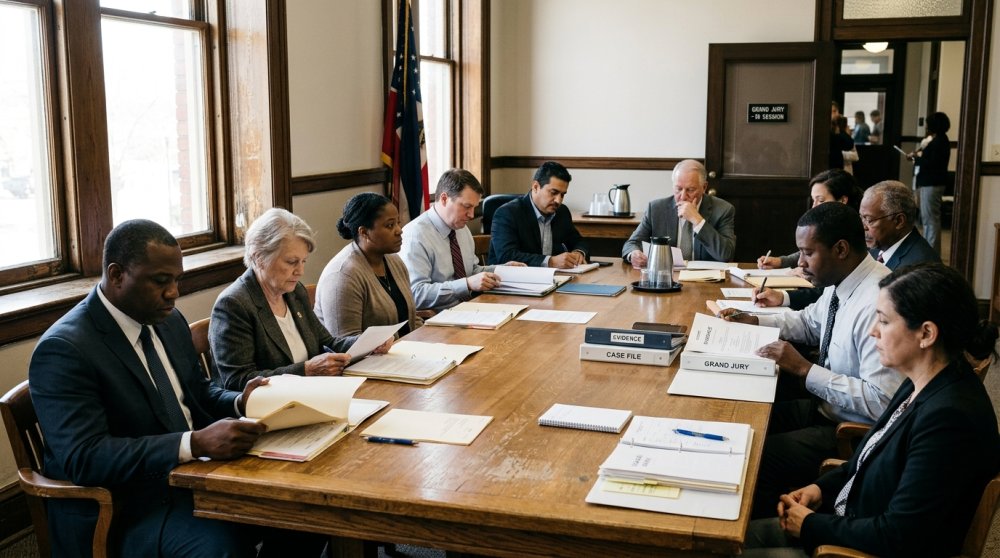
A Mississippi grand jury has determined there is not enough evidence to bring criminal charges in the death of 18-year-old Nolan Wells.
The panel, described as racially diverse, examined the circumstances surrounding the young man’s passing on Horn Island and concluded that the evidence does not support a criminal case at this time.
“If credible evidence comes to light in the future that suggests Mr. Wells’ death was non-accidental,” the grand jury stated, “the case should be revisited.”
The decision allows the family and community to grieve without the added burden of unfounded accusations.
“If credible evidence comes to light in the future that suggests Mr. Wells’ death was non-accidental,” the grand jury stated, “the case should be revisited.”
Christian teaching emphasizes the value of every human life and the necessity of truth.
The grand jury’s restraint reflects a commitment to due process and the protection of the innocent until proven guilty.
Let us know what you think, please share your thoughts in the comments below.

Faith Facts
- Liberty University in Lynchburg, Virginia, received a grant from Boeing to support construction of a public pavilion at its planned DC-8 Overlook project.
- The project will showcase a historic DC-8 aircraft donated to Samaritan’s Purse by the evangelical Christian humanitarian aid organization in December.
- The collaboration highlights Boeing’s support for Christian-led humanitarian initiatives and traditional American values of service and compassion.
Liberty University has been awarded an undisclosed grant from Boeing, the multinational aerospace corporation, to help build a public pavilion at the school’s planned DC-8 Overlook project.
The pavilion will feature the historic DC-8 aircraft that Samaritan’s Purse received from the evangelical Christian humanitarian aid organization last December.
The project aims to honor the legacy of humanitarian service and showcase the aircraft’s role in global relief efforts.
Let us know what you think, please share your thoughts in the comments below.


-

 Self-Reliance1 year ago
Trump’s Bold Move Uncovers Massive Social Security Fraud
-

 Faith1 year ago
New Clues Emerge in Noah’s Ark Mystery
-

 News2 years ago
Governor Walz’s Rhetoric Sparks National Controversy
-

 News1 year ago
Mel Gibson’s ‘The Passion of the Christ’ Sequel Title Announced
-

 Family2 years ago
Texas Lawmaker Targets Furries in Schools
-

 Freedom2 years ago
Maine Lawmaker Challenges Sports Fairness Controversy
-

 Family1 year ago
Canada’s Controversial Policy Sparks Ethical Debate
-
Faith10 months ago
Congress Hears Pleas for Nigerian Christians