
Faith
The Hidden Toll of IVF That Few Are Talking About


Faith Facts
- In vitro fertilization procedures result in more embryonic deaths annually than the nation’s largest abortion provider
- The Trump administration is currently reviewing potential new regulations for fertility treatments
- Pro-life advocates are facing complex ethical questions about IVF practices and the sanctity of life from conception
As the Trump administration weighs new guidelines for in vitro fertilization, a sobering reality is emerging that challenges Christians and pro-life advocates to examine an uncomfortable truth. The fertility industry, while helping families achieve their dreams of parenthood, operates within a framework that results in the destruction of countless human embryos.
Traditional pro-life efforts have long focused on abortion clinics, with Planned Parenthood serving as the most visible target of advocacy and protest. Yet fertility clinics across America quietly dispose of hundreds of thousands of embryos each year through standard IVF procedures. These tiny lives, created with hope but ultimately discarded, frozen indefinitely, or used for research, represent a profound moral dilemma for those who believe life begins at conception.
The IVF process typically involves creating multiple embryos, implanting several, and either destroying or indefinitely freezing those that remain. This approach has become so normalized in American medicine that few pause to consider the theological implications. For Christians who hold that each embryo carries the full dignity of human life, the math presents a troubling equation.
The Trump administration’s consideration of new IVF regulations offers a critical opportunity to reframe this conversation through a lens of faith and moral clarity. President Trump has expressed support for families seeking fertility treatments while also championing the cause of life. Finding the balance between these values requires wisdom, compassion, and a willingness to ask difficult questions about current practices.
Some pro-life ethicists argue that IVF can be conducted in ways that honor the sanctity of every embryo created. These approaches might include creating only the number of embryos intended for implantation, transferring all created embryos rather than selecting among them, and avoiding the creation of “spare” embryos destined for destruction. Such modifications would require significant changes to standard fertility clinic protocols.
The broader pro-life movement now faces a moment of reckoning. Consistency demands that if we defend the unborn in the womb, we must also defend the created embryo in the laboratory. This isn’t about denying couples the joy of children—it’s about ensuring that the path to parenthood doesn’t require sacrificing other lives along the way.
Families struggling with infertility deserve compassion and support. Their desire for children reflects God’s design for family and the natural longing He places in human hearts. Yet even righteous desires must be pursued through righteous means. The question before us is whether American medicine and law can accommodate both the dreams of hopeful parents and the rights of their tiniest potential children.
As this national conversation unfolds, Christians have an opportunity to lead with both truth and grace. Speaking honestly about the loss of embryonic life through IVF doesn’t diminish the struggles of infertile couples—it simply acknowledges that every human life, regardless of size or stage, matters to God and should matter to us.
Let us know what you think, please share your thoughts in the comments below.

Faith Facts
- Jelly Roll, whose birth name is Jason Bradley DeFord, publicly declared his willingness to leave the music industry if God directed him to do so.
- The singer has consistently tied his public testimony to faith in Christ and traditional family values.
- His statement reflects a willingness to place obedience to God above career success and worldly recognition.
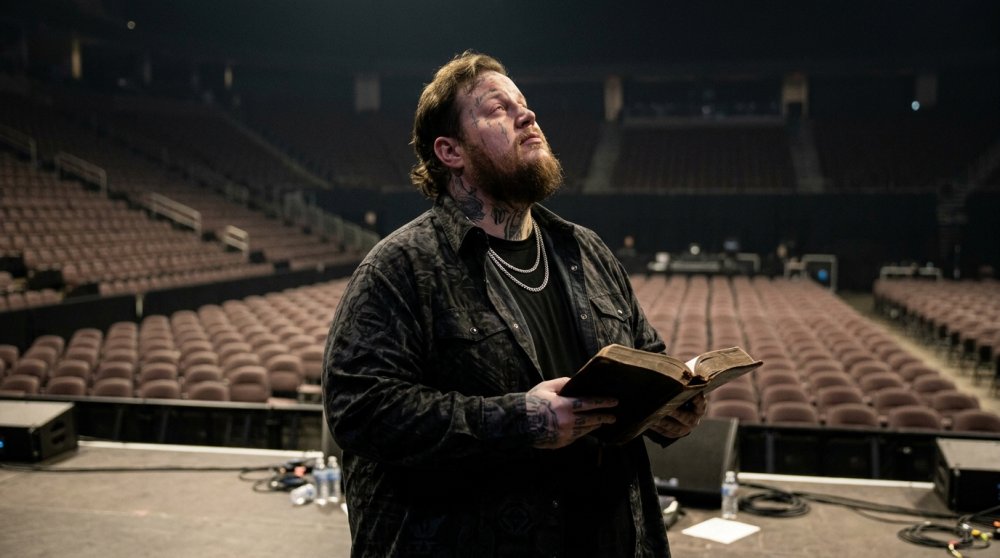
Jelly Roll, whose birth name is Jason Bradley DeFord, made the bold declaration that he would walk away from the music industry if God instructed him to do so.
The country singer’s willingness to surrender fame and fortune underscores a deep commitment to following God’s leading above all else.
“I would quit the music industry if God told me to do it.”
His remarks come as he continues to share his faith openly in a culture often hostile to biblical convictions.
Jelly Roll’s testimony highlights how Christian artists can remain steadfast in their beliefs while navigating mainstream success.
Let us know what you think, please share your thoughts in the comments below.

Faith Facts
- Christians are called to discern emerging technologies through the lens of Scripture and eternal truth.
- Warnings about artificial intelligence do not replace the unshakable hope found in Christ.
- The Church has a duty to engage cultural debates while remaining anchored in faith, family, and freedom.
A recent exchange between two AI specialists on social media has sparked fresh headlines claiming humanity faces extinction unless super-intelligent systems are quickly reined in. The discussion has once again placed the rapid advance of artificial intelligence in front of believers who seek to understand its moral and spiritual implications.
Chris Goswami, writing for Christian Today, argues that the Church cannot ignore these cautions yet must not surrender the hope secured in Christ. He stresses that believers should examine each new technology with both wisdom and courage rather than fear.
“The Church must take warnings about AI seriously, but not forget the hope we have in Christ.”
Supporters of this measured view point out that technology itself is not inherently evil; rather, it is the fallen human heart that can misuse any tool. Throughout history, Christians have welcomed inventions that ease suffering while remaining alert to abuses that undermine human dignity and the sanctity of life.
Scripture reminds believers that ultimate authority rests with God, not with any machine or algorithm devised by man. This truth provides a firm foundation for engaging the AI conversation without panic or despair.
Parents and pastors alike are encouraged to teach the next generation how to steward technology in ways that honor God and protect the family unit. Such discipleship keeps faith at the center of every decision about progress and policy.
Let us know what you think, please share your thoughts in the comments below.
Faith Facts
- Tennessee Governor Bill Lee has issued an official proclamation designating the final day of his term as a day of prayer and fasting.
- The governor is calling on residents to join him in seeking God’s grace and wisdom for the state.
- This proclamation reflects traditional Christian values of faith and dependence on divine guidance in public leadership.
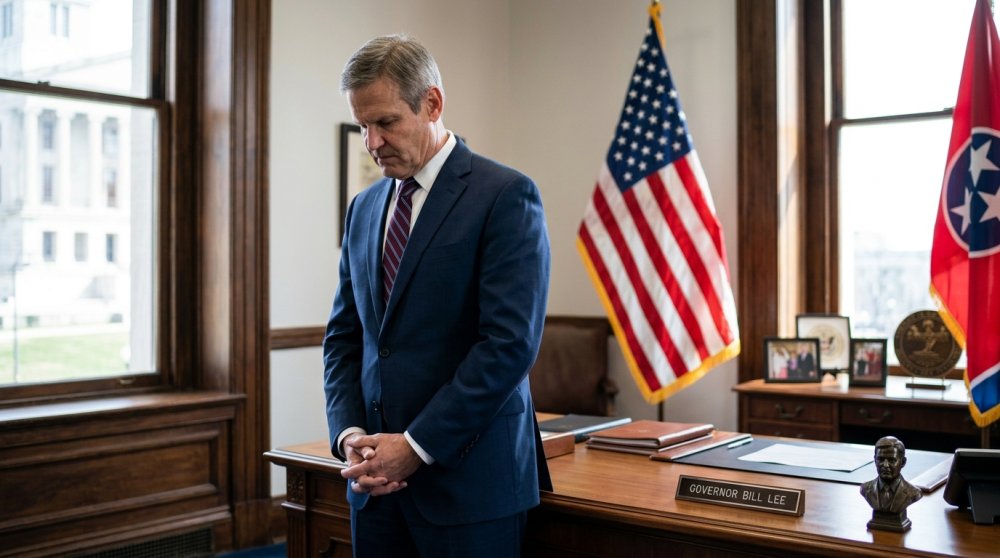
Tennessee’s Republican Governor Bill Lee has proclaimed the final day of Prayer and Fasting of his term. He is encouraging residents across the state to join him in seeking God’s grace and wisdom during this important time of transition.
The governor’s proclamation underscores the enduring importance of faith in American public life. It serves as a reminder that leaders and citizens alike can turn to prayer when facing decisions that shape the future of their communities.
Let us know what you think, please share your thoughts in the comments below.


-

 Self-Reliance1 year ago
Trump’s Bold Move Uncovers Massive Social Security Fraud
-

 Faith1 year ago
New Clues Emerge in Noah’s Ark Mystery
-

 News2 years ago
Governor Walz’s Rhetoric Sparks National Controversy
-

 News1 year ago
Mel Gibson’s ‘The Passion of the Christ’ Sequel Title Announced
-

 Family1 year ago
Texas Lawmaker Targets Furries in Schools
-

 Freedom1 year ago
Maine Lawmaker Challenges Sports Fairness Controversy
-

 Family1 year ago
Canada’s Controversial Policy Sparks Ethical Debate
-
Faith10 months ago
Congress Hears Pleas for Nigerian Christians