
Freedom
The Fatal Flaw Behind Conservative Movement Failures

Faith Facts
- The progressive left has achieved significant cultural victories through strategic institutional control over decades
- Conservative movements often adopt tactics that mirror leftist approaches, undermining their own foundational principles
- True conservative success requires grounding in timeless Christian values rather than reactionary political posturing
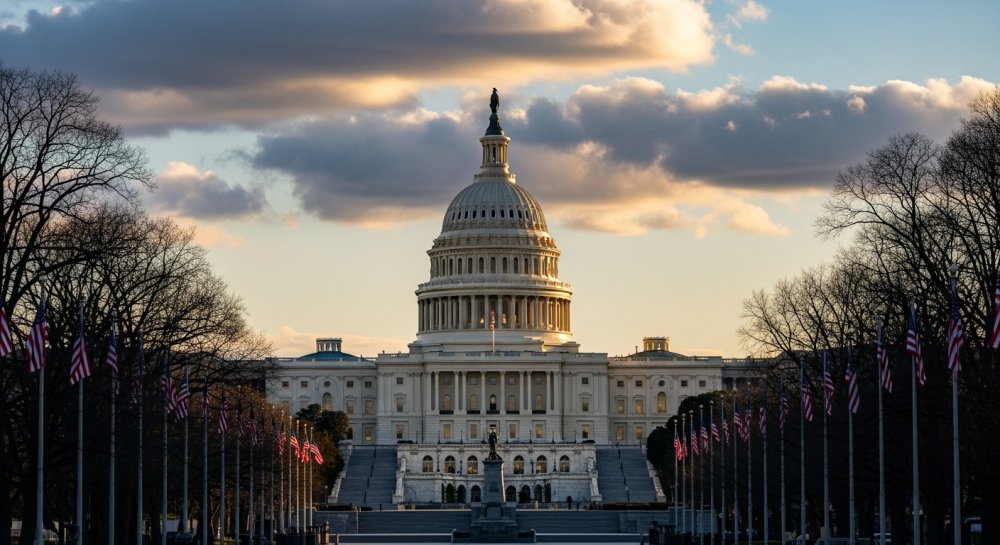
Conservatives across America have watched with growing frustration as progressive forces seem to notch victory after victory in our cultural and political landscape. From corporate boardrooms to public schools, from entertainment to academia, the left’s influence appears pervasive and entrenched. Meanwhile, conservative efforts to counter this tide often sputter and fail, leaving many to wonder why.
The answer may be more troubling than many want to acknowledge: conservatives are losing because they’re fighting the wrong war with the wrong weapons.
The progressive left didn’t capture American institutions overnight. Their success came through patient, methodical work over generations. They built power bases in universities, trained activists, created networks of organizations, and developed clear messaging that resonated with their core constituencies. Most importantly, they maintained ideological consistency even when it meant short-term losses.
In contrast, what some call the “woke right” has emerged as a reactionary force that often mirrors the very tactics it claims to oppose. Rather than standing firm on timeless principles rooted in Scripture and constitutional governance, these movements frequently embrace outrage culture, cancel culture, and identity politics—just with different targets.
This approach represents a fundamental misunderstanding of what makes conservatism powerful. Traditional American conservatism draws strength from unchanging truths: the dignity of every human life created in God’s image, the importance of family as the building block of society, individual liberty balanced with personal responsibility, and limited government that respects the proper spheres of church, family, and civic institutions.
When conservatives abandon these foundations to engage in mere political tribalism, they lose their distinctive voice. They become just another interest group fighting for power rather than advocates for principle. And principles, rooted in eternal truth, ultimately prove more durable than political expediency.
The left succeeded because they believed in their vision and built institutions to advance it systematically. They didn’t just complain about conservative control of society—they worked to change it, school board by school board, newsroom by newsroom, one HR department at a time.
For believers and conservatives who want to see genuine renewal in America, the path forward isn’t imitation of leftist tactics. It’s a return to first principles: proclaiming truth with courage, building strong families and communities, engaging civic institutions with wisdom and persistence, and trusting that God honors faithfulness more than political cleverness.
Victory in the culture war won’t come from out-woking the woke. It will come from Christians and conservatives who refuse to compromise their values, who build rather than simply tear down, and who understand that lasting change flows from changed hearts, not just changed policies.
The choice before American conservatives is clear: continue down the path of reactive political theater that mimics the opposition, or return to the solid ground of faith, family, and freedom that made this nation strong in the first place.
Let us know what you think, please share your thoughts in the comments below.


Faith Facts
- The Alliance Defending Freedom is a legal ministry defending religious liberty and free speech for Christians and other people of faith.
- Christians have faced increasing debanking due to their biblical beliefs on marriage, gender, and life issues.
- PayPal’s policy change follows years of concerns from conservatives about viewpoint discrimination by financial institutions.
PayPal has removed the terms “hate” and “intolerance” from its acceptable use policy following an objection filed by the Alliance Defending Freedom before a federal banking regulator.
The change comes after ADF raised concerns that PayPal’s previous language could be used to target Christians and conservative organizations for their biblical beliefs.
PayPal’s updated policy now focuses on illegal activities rather than vague moral judgments that critics argued opened the door to viewpoint discrimination.
Conservative leaders have long warned that financial institutions were using subjective terms like “hate” and “intolerance” to justify debanking individuals and ministries that uphold traditional values.
“We are grateful that PayPal has removed this troubling language from its rules,” said an ADF spokesperson. “Vague terms like ‘hate’ and ‘intolerance’ have been weaponized against Christians who simply believe what the Bible teaches about marriage and human sexuality.”
The policy revision represents a win for religious liberty advocates who have argued that financial service companies should not serve as arbiters of moral or political speech.
Many Christian ministries and conservative organizations have reported being denied payment processing services or having accounts frozen over their stances on life, marriage, and gender issues.
ADF’s action before the federal regulator highlighted how such policies could chill free speech and religious exercise by giving private companies broad power to define acceptable beliefs.
The change signals growing pushback against corporate attempts to enforce ideological conformity through financial gatekeeping.
Let us know what you think, please share your thoughts in the comments below.
Faith Facts
- Colorado’s universal preschool program promises a free seat to every 4-year-old yet bars the state’s 34 Catholic preschools from participation.
- Justice Brett Kavanaugh pressed state officials for a “win/win” solution during oral arguments before the Supreme Court.
- The case raises fundamental questions about religious liberty and equal treatment under the law for faith-based educational providers.
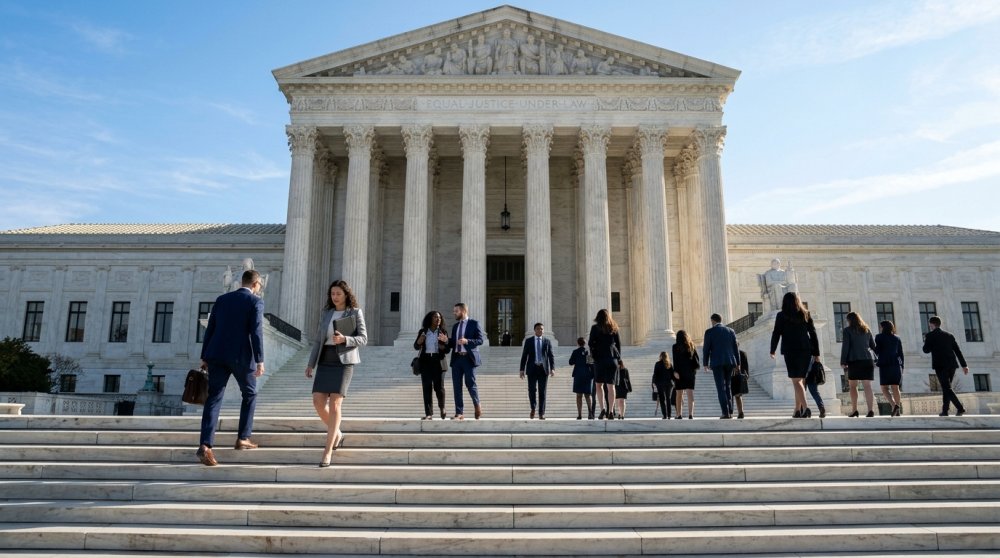
Colorado lawmakers crafted a universal preschool program that promises every four-year-old a free seat at taxpayer expense. The plan explicitly excludes the state’s 34 Catholic preschools, effectively forcing families who prefer faith-based education to forgo the benefit or leave their convictions at the door.
During oral arguments at the Supreme Court, Justice Brett Kavanaugh pressed Colorado’s attorneys to explain why the state could not accommodate religious providers. He asked whether a “win/win” arrangement was possible that would allow families to choose Catholic schools without losing the public subsidy. The state offered no answer.
Critics argue that the exclusion reflects an unconstitutional hostility toward religion that treats Catholic teaching as equivalent to racism. Supporters of the program maintain that public funds cannot flow to institutions that hold traditional beliefs on marriage, sexuality, and human life.
Christian leaders across the country see the case as another front in the ongoing struggle to preserve religious liberty in education. They note that Catholic schools have long served disadvantaged communities with strong academic and moral formation rooted in biblical principles.
Let us know what you think, please share your thoughts in the comments below.

Faith Facts
- The Bible teaches that the living cannot communicate with the dead.
- Scripture consistently portrays deceptive spirits as demons, not human souls.
- Believers are called to trust God’s Word over human experiences or feelings.
Many Christians are confused when they hear stories about loved ones appearing after death. These accounts often feel real and emotional, yet they clash with what Scripture actually teaches about the afterlife.
Author David Griffiths addresses this tension directly. He argues that the Bible makes a clear distinction between the living and the dead, warning believers not to seek contact with those who have passed on.
“The Bible is clear that the living and the dead cannot communicate,”
Griffiths writes. This teaching protects Christians from spiritual deception that can arise when grief or curiosity opens the door to experiences outside of God’s design.
Instead of viewing ghosts as harmless spirits of the departed, Griffiths presents them as demonic forces seeking to mislead people. This perspective aligns with traditional Christian understanding that places ultimate authority in Scripture rather than personal encounters.
Many families today wrestle with questions about life after death. When loved ones pass, the desire to connect can feel overwhelming, yet Griffiths encourages believers to rest in the promises of Scripture rather than chase after signs or apparitions.
“Read an alternative view here”
Griffiths notes that the culture often promotes ideas that contradict biblical truth. He urges Christians to hold fast to the Word of God as their guide, especially when emotions run high or spiritual experiences feel convincing.
By grounding discussions about the supernatural in Scripture, believers can avoid confusion and remain anchored in the truth that God has revealed. This approach strengthens faith and protects families from teachings that blur the line between good and evil.
Let us know what you think, please share your thoughts in the comments below.


-

 Self-Reliance2 years ago
Trump’s Bold Move Uncovers Massive Social Security Fraud
-

 Faith2 years ago
New Clues Emerge in Noah’s Ark Mystery
-

 News2 years ago
Governor Walz’s Rhetoric Sparks National Controversy
-

 News2 years ago
Mel Gibson’s ‘The Passion of the Christ’ Sequel Title Announced
-

 Family2 years ago
Texas Lawmaker Targets Furries in Schools
-

 Freedom2 years ago
Maine Lawmaker Challenges Sports Fairness Controversy
-

 Family1 year ago
Canada’s Controversial Policy Sparks Ethical Debate
-
Faith12 months ago
Congress Hears Pleas for Nigerian Christians