
News
The Dangerous Theology Behind Iran’s Nuclear Ambitions

Faith Facts
- Former Iranian President Mahmoud Ahmadinejad claimed he experienced a supernatural encounter during a UN speech, revealing the eschatological beliefs driving Iran’s leadership
- Iranian leaders follow a radical interpretation of Islamic prophecy centered on the return of the 12th Imam, the Mahdi
- Understanding Iran’s apocalyptic worldview is critical for American Christians as tensions escalate in the Middle East
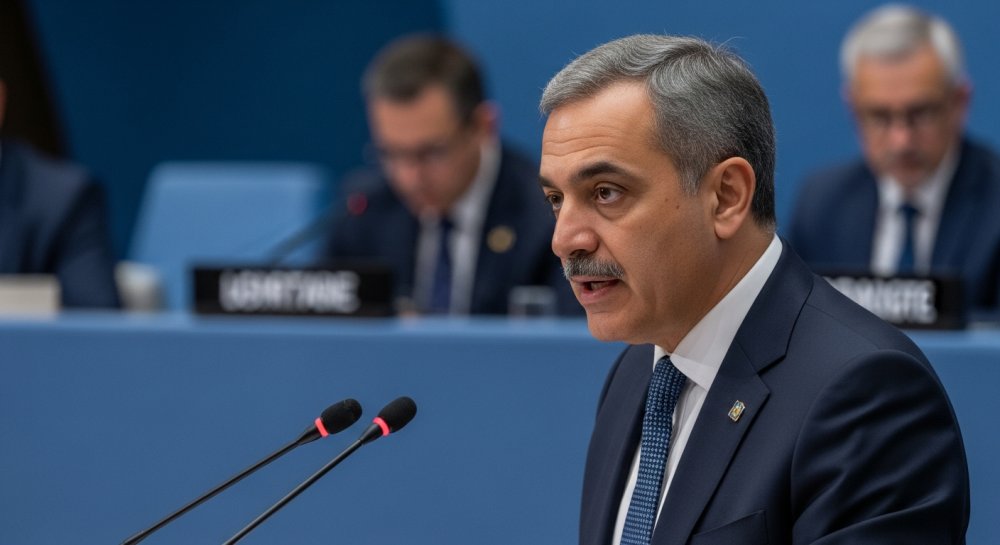
About 20 years ago, then-president of Iran, Mahmoud Ahmadinejad, stated in an interview that he experienced a supernatural experience during a speech he gave at the United Nations. This revelation offered a rare glimpse into the spiritual beliefs that animate Iran’s most powerful leaders—beliefs that have profound implications for global security and America’s national interests.
The former Iranian president described what he believed was a divine encounter, claiming he felt surrounded by an aura of light during his address to world leaders. This wasn’t merely the boastful claim of a political figure seeking attention; it reflected a deeply held theological conviction that shapes Iranian policy at the highest levels.
Iran’s leadership adheres to a radical interpretation of Shia Islamic eschatology centered on the imminent return of the 12th Imam, known as the Mahdi or the “Hidden Imam.” According to this belief system, the Mahdi disappeared in the 9th century and will return during a time of chaos and upheaval to establish global Islamic rule.
What makes this belief system particularly dangerous is the conviction held by some Iranian leaders that they can—and should—hasten the Mahdi’s return by creating the very chaos and conflict prophesied to precede his appearance. This apocalyptic worldview provides a theological justification for destabilizing actions throughout the Middle East and beyond.
For American Christians, understanding this theological framework is essential. While we await the true return of Jesus Christ, Iran’s leaders pursue a false messianic vision that fuels aggression against Israel, support for terrorist organizations, and the pursuit of nuclear weapons capabilities.
The contrast between Christian hope and Iran’s apocalyptic ambitions couldn’t be starker. Christians are called to be peacemakers, to pray for our enemies, and to trust in God’s sovereignty over human history. Iran’s radical leadership, by contrast, embraces a theology that glorifies martyrdom, celebrates conflict, and seeks to impose religious rule through violence and intimidation.
This isn’t merely an academic theological discussion—it has real-world consequences. Iran’s proxy forces operate throughout Lebanon, Syria, Iraq, Yemen, and Gaza, destabilizing the region and threatening both Israel and American interests. The regime’s pursuit of nuclear weapons takes on an even more ominous dimension when viewed through the lens of their eschatological beliefs.
American policymakers have often struggled to comprehend the religious motivations driving Iranian actions, preferring to interpret Tehran’s behavior through purely rational or geopolitical frameworks. But Iran’s leaders have repeatedly demonstrated that their apocalyptic theology is not mere rhetoric—it shapes their strategic calculations and long-term objectives.
The Islamic Republic’s continued support for terrorism, its threats against Israel, and its defiance of international norms regarding nuclear development all flow from this toxic combination of radical theology and political power. When leaders believe they are divinely appointed to usher in a new messianic age, traditional diplomatic incentives and deterrents may prove insufficient.
For Christians, this reality underscores the importance of standing with Israel, supporting a strong American defense posture, and recognizing the spiritual dimensions of conflicts that secular analysts often overlook. The battle against Iran’s revolutionary regime isn’t simply about competing national interests—it involves fundamentally incompatible visions of truth, justice, and human destiny.
Prayer remains our most powerful weapon. We must pray for the protection of Israel, for wisdom for American leaders, for the safety of Christians throughout the Middle East, and even for the Iranian people themselves, who suffer under a repressive theocratic regime that has squandered their nation’s potential in pursuit of a false messiah.
The Iranian leadership’s belief in hastening the return of their hidden imam stands in stark contrast to the Christian understanding of Christ’s return, which will happen according to God’s perfect timing, not through human manipulation or violence. Christians are called to be ready, to live righteously, and to spread the Gospel—not to create chaos in a misguided attempt to force God’s hand.
As tensions continue to simmer in the Middle East, understanding the theological convictions that drive Iran’s behavior becomes increasingly critical. The false messiah driving Iran’s revolutionary regime poses a genuine threat not only to regional stability but to the values of freedom, faith, and human dignity that Americans hold dear.
Let us know what you think, please share your thoughts in the comments below.

Faith Facts
- The Virginia Supreme Court declined to halt a lawsuit brought by longtime members of McLean Bible Church over the 2021 elder election.
- Church leaders sought to dismiss the case, arguing that civil courts lack authority over internal church governance.
- The decision allows the plaintiffs to continue their legal challenge regarding transparency and adherence to church bylaws.
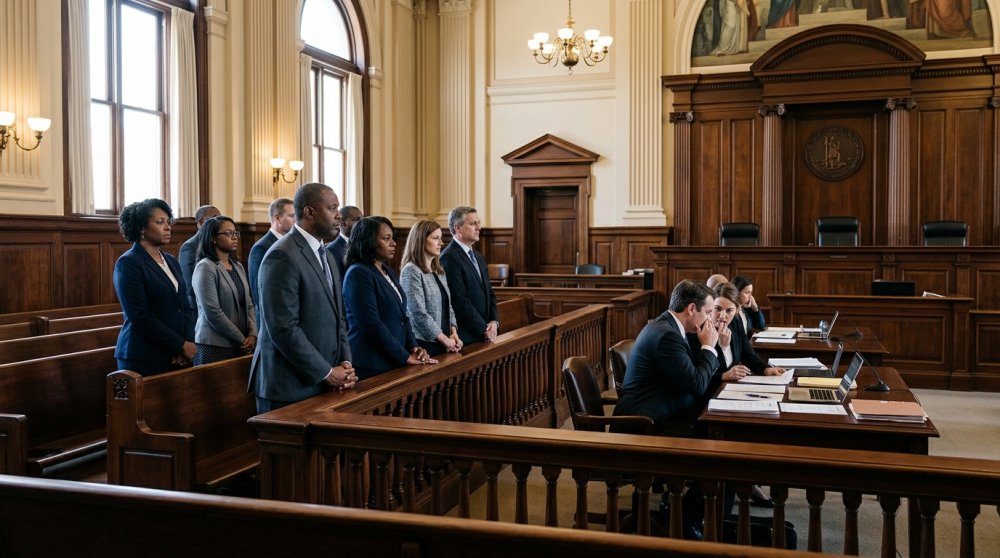
The Virginia Supreme Court has refused to end a lawsuit filed by longtime members of McLean Bible Church concerning the 2021 elder election and related governance issues.
The justices denied the church’s appeal, allowing the case to proceed in lower courts.
“We are disappointed that the Court declined to hear our appeal,” said a spokesperson for McLean Bible Church in a prepared statement. “We remain confident in our position and committed to defending the autonomy of local church governance.”
The lawsuit, brought by members who joined the congregation years earlier, questions whether the 2021 elder selection process followed the church’s own bylaws and whether proper notice and voting procedures were observed.
Legal observers note that Virginia courts have historically been reluctant to intervene in purely ecclesiastical matters, yet they will sometimes examine whether organizations have followed their own established rules.
“This ruling does not decide the merits of the case,” the court’s order stated. “It simply recognizes that the plaintiffs have stated a claim that may proceed under Virginia law.”
Church leaders maintain that the elder election was conducted lawfully and with appropriate congregational input.
Critics within the congregation argue that changes in leadership direction have shifted the church away from its historic doctrinal stance.
“Our concern has always been about fidelity to Scripture and to the church’s founding documents,” one plaintiff said in an earlier interview. “We simply want the process to be fair and transparent.”
The case now returns to the trial court, where both sides will continue to present arguments over governance and membership rights.
Let us know what you think, please share your thoughts in the comments below.

Faith Facts
- The Episcopal Church has listed its twelve-story headquarters in midtown Manhattan for sale after four months of seeking a buyer.
- The building is valued at nearly fifty-two million dollars, according to church leaders.
- Proceeds from any sale will support the denomination’s mission and ministry work nationwide.
The Episcopal Church has identified a prospective buyer for its midtown Manhattan headquarters just four months after announcing plans to sell the twelve-story property. Church leaders report the building carries an estimated value of nearly fifty-two million dollars.
The decision to divest reflects a broader effort by the denomination to align its physical assets with current ministry priorities and stewardship responsibilities. Church officials have emphasized that any proceeds would be reinvested in gospel outreach and service initiatives across the country.
Real-estate experts note that the Manhattan commercial market remains competitive, particularly for well-located institutional properties. The headquarters’ central position continues to draw interest from both nonprofit and commercial entities exploring long-term space solutions.
Let us know what you think, please share your thoughts in the comments below.

Faith Facts
- ChatGPT receives 70 million religion-related requests each week.
- Nearly half of those queries focus on Islam.
- Just over a third center on Christianity.
Artificial intelligence continues to shape how people seek answers to life’s deepest questions. OpenAI reports that its popular chatbot ChatGPT is handling tens of millions of religion-related questions every week.
Of the 70 million weekly religion-related requests, nearly half focus on Islam while just over a third concern Christianity. This pattern raises questions about the sources of information that users trust in an increasingly digital world.
Christian families and churches are being called to provide clear, biblical answers in homes and communities. The rise of AI tools makes it more important than ever for believers to ground their faith in Scripture and sound doctrine.
Let us know what you think, please share your thoughts in the comments below.


-

 Self-Reliance2 years ago
Trump’s Bold Move Uncovers Massive Social Security Fraud
-

 Faith2 years ago
New Clues Emerge in Noah’s Ark Mystery
-

 News2 years ago
Governor Walz’s Rhetoric Sparks National Controversy
-

 News2 years ago
Mel Gibson’s ‘The Passion of the Christ’ Sequel Title Announced
-

 Family2 years ago
Texas Lawmaker Targets Furries in Schools
-

 Freedom2 years ago
Maine Lawmaker Challenges Sports Fairness Controversy
-

 Family1 year ago
Canada’s Controversial Policy Sparks Ethical Debate
-
Faith11 months ago
Congress Hears Pleas for Nigerian Christians