
Faith
The Crisis Threatening America More Than Any Political Ideology

Faith Facts
- America’s founders established the nation on biblical principles and Christian values that created unprecedented prosperity and freedom
- The current cultural crisis stems from abandoning spiritual foundations rather than embracing any particular political ideology
- Restoring America’s biblical heritage is essential to preserving freedom and prosperity for future generations
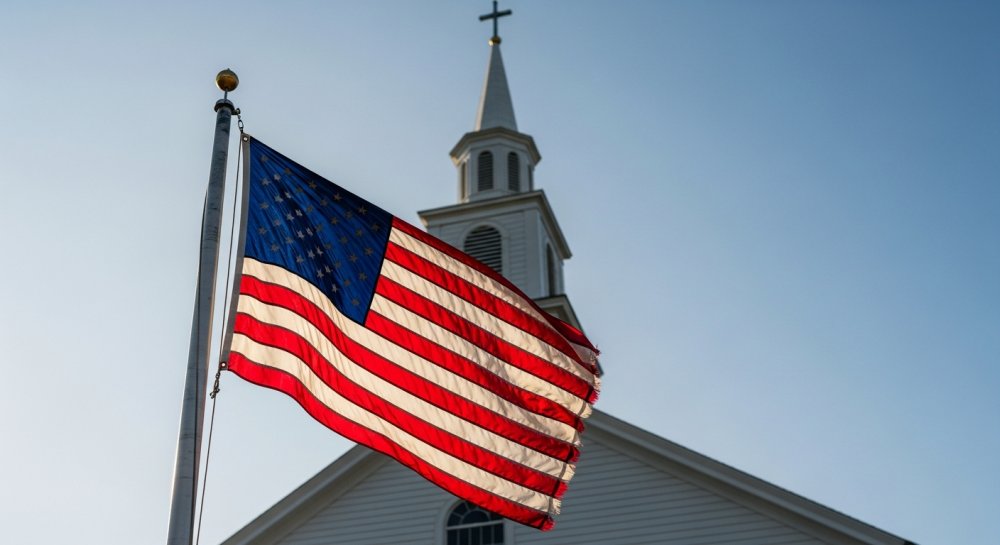
America stands at a crossroads. While political debates dominate headlines and social media feeds, a deeper crisis threatens the very foundation of our republic. The real danger facing our nation isn’t found in any political movement or economic system—it’s the spiritual decline that has steadily eroded the Christian values upon which this country was built.
Our Founding Fathers understood something that modern society has forgotten: a nation’s strength flows from its moral character, not its government programs. They established America on biblical principles, recognizing that rights come from God, not from man. This spiritual foundation created the freest, most prosperous nation in human history.
Yet today, we’ve witnessed a systematic removal of God from public life. Prayer has been banned from schools. The Ten Commandments have been stripped from courthouses. Biblical values are mocked in popular culture. This isn’t progress—it’s regression to a time when might made right and human dignity meant nothing.
The evidence of spiritual decline surrounds us. Family breakdown, rampant drug abuse, epidemic levels of depression and anxiety, rising suicide rates—these aren’t just statistics. They’re symptoms of a society that has lost its moral compass. When people abandon God, they don’t find freedom; they find chaos.
Our founders knew this truth intimately. John Adams declared that our Constitution was made only for a moral and religious people, warning it was wholly inadequate for any other. George Washington insisted that religion and morality were indispensable supports for political prosperity. Benjamin Franklin opened the Constitutional Convention with a call to prayer, recognizing divine providence as essential to their success.
These weren’t throwaway platitudes. They were fundamental convictions that shaped every aspect of American government and society. The separation of powers, checks and balances, individual rights—all reflected a biblical understanding of human nature and divine law.
Today’s problems require yesterday’s solutions. We don’t need more government programs or political reforms as much as we need spiritual renewal. America’s greatest need is a return to God—in our homes, our churches, our schools, and our public square.
This means rejecting the false gospel of secularism that promises fulfillment apart from God. It means embracing biblical truth about marriage, family, human dignity, and personal responsibility. It means teaching our children that their rights come from their Creator, not from government bureaucrats.
The path forward isn’t complicated, but it requires courage. Christians must reclaim their voice in the public square, speaking truth with love and conviction. Parents must prioritize their children’s spiritual formation over academic achievement or athletic success. Churches must preach the full counsel of God’s Word, not watered-down messages designed to avoid offense.
History proves that nations cannot survive without moral foundations. Rome fell not to barbarian armies but to internal moral decay. Every civilization that abandoned its spiritual roots eventually collapsed into tyranny or chaos. America will be no exception unless we change course.
The good news is that spiritual renewal is possible. Throughout history, God has sent revival to restore and rebuild fallen societies. America has experienced such awakenings before—powerful movements of prayer and repentance that transformed entire communities and shaped the nation’s direction.
We can experience another Great Awakening, but it must begin with individual repentance and commitment. Every Christian must ask: Am I living according to biblical values? Am I raising my children in the fear and admonition of the Lord? Am I speaking truth in my sphere of influence?
America’s future hangs in the balance. The choice before us isn’t between political parties or economic systems. It’s between the God who made us and the idols we’ve created. Between the wisdom of ages and the foolishness of the moment. Between freedom rooted in biblical truth and bondage disguised as liberation.
Our founders pledged their lives, fortunes, and sacred honor to establish a nation under God. That legacy calls us to similar commitment today. Not with muskets and minutemen, but with prayer and proclamation. Not on battlefield, but in boardrooms, classrooms, and living rooms across America.
The real problem facing America isn’t socialism, capitalism, or any other political ideology. It’s spiritual decline—the abandonment of the biblical principles that made this nation great. Until we address that fundamental issue, no political solution will provide lasting answers.
Reclaiming America’s past means returning to its spiritual roots. It means acknowledging God as the source of our rights and our hope. It means living according to His Word and teaching our children to do the same. It means putting faith first, family second, and political ideologies far behind.
Is this America’s future? That depends on whether we’re willing to reclaim our past—not a nostalgic return to some imagined golden age, but a genuine restoration of the biblical principles that made America exceptional. The choice is ours. The time is now.
Let us know what you think, please share your thoughts in the comments below.

Faith Facts
- Dylan Mandell, a Christian social media influencer, has received his fourth cancer diagnosis in four years.
- Mandell publicly declares he is standing on God’s promise of long life despite the repeated health trials.
- The influencer’s testimony highlights unwavering faith and reliance on Scripture amid suffering.
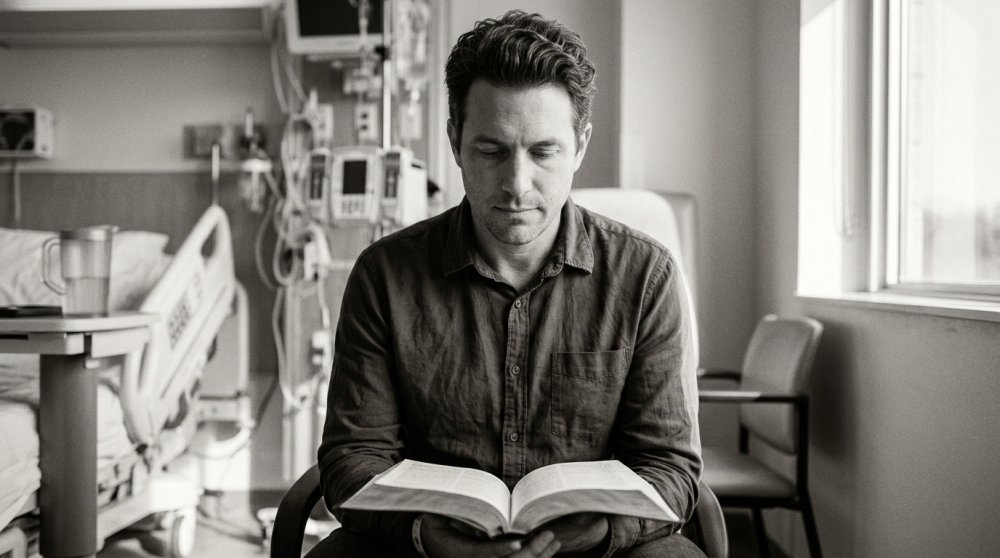
Christian social media influencer Dylan Mandell has been diagnosed with cancer for the fourth time in four years. Yet he refuses to let fear define his story. Instead, he is clinging to the biblical promise of long life.
“I am holding on to God’s promise of long life,” Mandell said. The statement reflects his determination to trust Scripture even when circumstances appear grim.
Family, friends, and followers have rallied around Mandell as he faces this latest battle. His transparency about his health has encouraged many believers to strengthen their own faith during trials.
Through every diagnosis, Mandell has pointed others back to the Word of God. He continues to share messages of hope grounded in Scripture rather than statistics.
Let us know what you think, please share your thoughts in the comments below.
Faith Facts
- Frank Turek continues sharing the Gospel on college campuses despite the trauma of witnessing Charlie Kirk’s assassination.
- Turek credits his faith in Christ for helping him process the violence and remain committed to truth.
- The Christian apologist warns that America is engaged in a spiritual battle over reality itself.
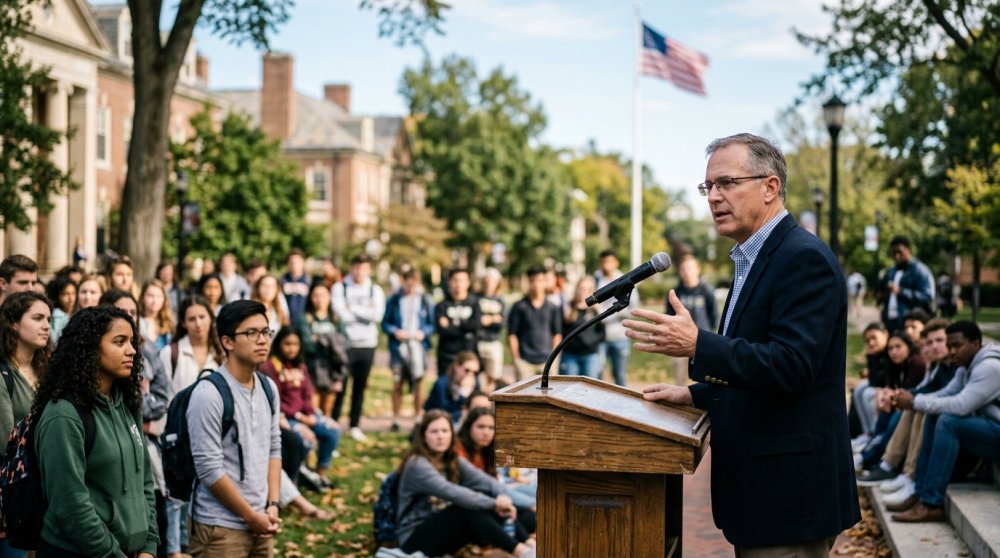
Christian apologist Frank Turek has spoken candidly about the profound effect of watching Charlie Kirk’s assassination unfold before his eyes. The shocking act of violence has not silenced his message. Instead, it has strengthened his resolve to continue proclaiming the Gospel on university campuses across the nation.
Turek explained that his faith has been the anchor keeping him steady through the aftermath of the tragedy. He described turning to Scripture and prayer as he grappled with the reality of what he witnessed. That same faith now fuels his determination to keep engaging students with biblical truth.
“The war on reality is real, and it is spiritual,” Turek stated.
He emphasized that the same cultural forces celebrating the murder of Charlie Kirk are the forces actively opposing biblical Christianity on campuses and in the public square. Turek refused to retreat in the face of such hostility, insisting that the Gospel must still be proclaimed even when the cost is high.
“I refuse to back down,” he declared.
Turek’s commitment reflects a broader pattern among Christian leaders who view current cultural battles as part of an ongoing spiritual conflict. He continues to equip believers with apologetics while urging them to stand firm in the face of increasing opposition to traditional values and religious liberty.
Let us know what you think, please share your thoughts in the comments below.
Faith Facts
- Parents in Connecticut challenged a state law that removed religious exemptions for school vaccine requirements.
- The lawsuit was dismissed after a judge ruled the exemptions are not protected under existing religious freedom statutes.
- The decision leaves families with no legal recourse when their sincerely held beliefs conflict with state mandates.
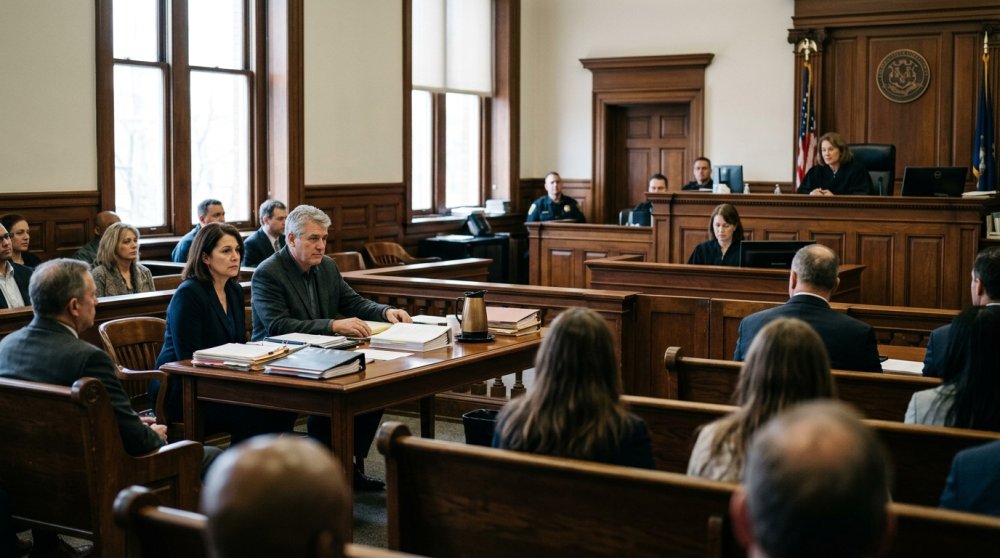
Parents who filed suit to protect their right to decline vaccines on religious grounds saw their case dismissed by a Connecticut judge. The court ruled that the state law eliminating religious exemptions does not violate the state’s religious freedom protections.
The decision means children whose parents hold sincere religious objections to certain vaccines will still be required to receive them in order to attend public school. Families who believe vaccination conflicts with their faith now face limited options within the state.
“The plaintiffs have failed to demonstrate that the religious exemptions are protected under the state religious freedom law,” the ruling stated.
Advocates for parental rights argue the ruling prioritizes government mandates over deeply held beliefs. They warn that similar efforts to remove religious exemptions could spread to other states if left unchallenged.
Critics of the original law contend it undermines the principle that parents, not the state, hold primary responsibility for medical decisions involving their children. They say the ruling sets a troubling precedent that could erode other conscience protections.
Let us know what you think, please share your thoughts in the comments below.


-

 Self-Reliance1 year ago
Trump’s Bold Move Uncovers Massive Social Security Fraud
-

 Faith1 year ago
New Clues Emerge in Noah’s Ark Mystery
-

 News2 years ago
Governor Walz’s Rhetoric Sparks National Controversy
-

 News1 year ago
Mel Gibson’s ‘The Passion of the Christ’ Sequel Title Announced
-

 Family2 years ago
Texas Lawmaker Targets Furries in Schools
-

 Freedom2 years ago
Maine Lawmaker Challenges Sports Fairness Controversy
-

 Family1 year ago
Canada’s Controversial Policy Sparks Ethical Debate
-
Faith10 months ago
Congress Hears Pleas for Nigerian Christians