
News
Texas Pastor Faces Manslaughter Charge After Baptism Turns Deadly


Faith Facts
- A Texas pastor has been charged with gross negligence manslaughter following the death of a man during a baptism ceremony in a paddling pool.
- The incident has raised serious questions about safety protocols during religious ceremonies and pastoral responsibilities.
- Legal experts note this rare case highlights the importance of proper training and precautions during water-based sacraments.
A tragic incident during what should have been a sacred celebration of faith has resulted in criminal charges against a Texas pastor. The religious leader now faces gross negligence manslaughter charges after a man died during a baptism ceremony conducted in a paddling pool.
The case has sent shockwaves through Christian communities across America, raising difficult questions about the balance between religious freedom and public safety. While baptism represents one of Christianity’s most cherished sacraments—a public declaration of faith and spiritual rebirth—this heartbreaking incident underscores the serious responsibilities pastors and church leaders bear when administering religious rites.
Details surrounding the specific circumstances of the death remain under investigation by authorities. However, the gross negligence charge suggests prosecutors believe the pastor failed to take reasonable precautions that could have prevented the fatal outcome.
Legal analysts familiar with religious liberty cases note that such prosecutions are exceptionally rare. Churches generally operate with significant autonomy in conducting worship services and sacraments, protected under the First Amendment’s guarantee of free exercise of religion. However, those protections do not extend to actions that recklessly endanger human life.
The tragedy serves as a sobering reminder to pastors and ministry leaders nationwide about the importance of proper preparation when conducting baptisms, particularly in non-traditional settings. Traditional church baptistries are designed with safety features, depth considerations, and accessibility in mind. Alternative arrangements, while sometimes necessary or preferred, require additional care and planning.
Many denominational bodies provide guidelines for safe baptism practices, including recommendations about water depth, the number of assistants present, screening participants for medical conditions, and emergency response protocols. These protocols exist precisely to prevent the kind of devastating loss that has now led to criminal charges.
Christian communities must grapple with the difficult reality that even our most sacred ceremonies require attention to physical safety alongside spiritual significance. The Great Commission calls believers to “go and make disciples of all nations, baptizing them in the name of the Father and of the Son and of the Holy Spirit,” but faithful obedience to that command includes exercising wisdom and care for those entrusted to pastoral leadership.
As this case proceeds through the legal system, it will likely prompt churches across the country to review their own safety procedures. While no pastor enters ministry expecting to face criminal liability for conducting sacraments, the responsibility to protect congregants’ physical wellbeing runs parallel to the duty of spiritual care.
The incident also highlights the vulnerability of religious leaders who may lack formal training in safety protocols despite their theological education. Many seminary programs focus extensively on doctrine, biblical interpretation, and pastoral counseling but provide limited practical instruction on managing the physical risks associated with ministry activities.
For the family of the deceased, no legal outcome can restore their loved one or erase the trauma of losing someone during what should have been a joyous spiritual milestone. The Christian community must surround grieving families with prayer, support, and compassion while also learning from this tragedy to prevent future deaths.
Let us know what you think, please share your thoughts in the comments below.


Faith Facts
- Scripture teaches that honest scales and balances are from the Lord, and dishonest weights are an abomination to Him.
- Christian voters are called to seek leaders who uphold integrity and reject schemes that undermine fair elections.
- Proverbs 29:2 reminds believers that when the righteous thrive, the people rejoice, but when the wicked rule, the people groan.
A Texas Democrat political action committee has dismissed an organizer after undercover footage showed him describing $25 payments to citizens for attending a one-hour anti-Republican Zoom class.
The organizer referred to the payments as “a roundabout way of paying people for their votes,” raising serious questions about the legality and ethics of the practice.
Conservative watchdogs argue that such tactics erode public trust in the democratic process and violate the principle of free and fair elections that Americans hold dear.
“A roundabout way of paying people for their votes.”
Faith-based leaders in the Lone Star State are calling for full transparency and swift investigation, insisting that Christian citizens deserve elections free from financial inducements.
The incident underscores the need for vigilance among voters who value traditional principles of honesty and accountability in government.
Let us know what you think, please share your thoughts in the comments below.

Faith Facts
- Brad Pitt publicly acknowledged the profound spiritual and psychological toll that military service takes on service members.
- The actor emphasized sacrificial love as a sustaining force through trauma and hardship.
- Christian conservatives affirm that true strength comes from faith, family, and the willingness to lay down one’s life for others.
Brad Pitt presented his new survival drama Heart of the Beast at its red carpet premiere, describing the film as a tribute to the men and women who serve in uniform. He noted that military personnel risk more than physical harm, stating they put their “psyches” and “souls” on the line.
The actor explained that the story also explores how sacrificial love can anchor individuals through deep trauma and adversity.
“Heart of the Beast” shows the cost of military service, sacrificial love.
Christian viewers will recognize the biblical principle that greater love has no one than this: to lay down one’s life for one’s friends.
Let us know what you think, please share your thoughts in the comments below.
Faith Facts
- The bereaved mother turned to her faith in God as she faced the unthinkable loss of her son and his bride.
- She called on lawmakers to remember the biblical command to uphold justice and protect the innocent.
- The family is trusting that truth and righteousness will prevail through prayer and faithful action.
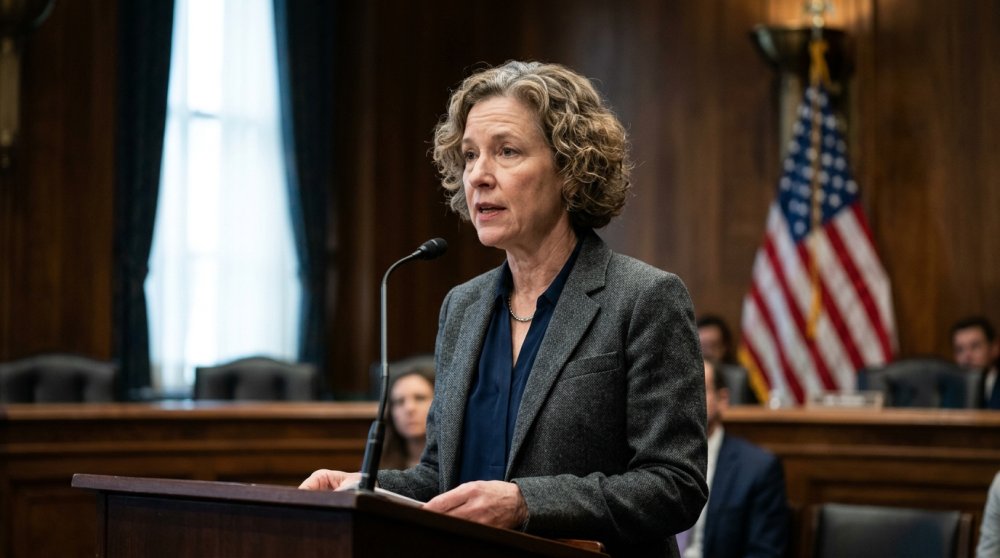
An Oregon mother stood before congressional lawmakers Tuesday to share the devastating story of losing her son and his newlywed bride in a crash caused by a commercial truck driver in the country illegally.
She described the pain of watching her children’s lives cut short by a driver who should never have been behind the wheel.
The mother pleaded for Congress to take decisive steps to close loopholes that place American families at risk.
“They’re tying our hands,” she said.
She urged representatives to remember that every lawmaker has the power to prevent future tragedies.
The grieving mother emphasized that securing the border and enforcing immigration law is not just a policy issue but a matter of protecting the sanctity of life.
She pointed to the biblical principle that government exists to punish evildoers and praise those who do good.
“They’re tying our hands,” she repeated, calling on Congress to act before more families suffer the same loss.
Let us know what you think, please share your thoughts in the comments below.


-

 Self-Reliance1 year ago
Trump’s Bold Move Uncovers Massive Social Security Fraud
-

 Faith1 year ago
New Clues Emerge in Noah’s Ark Mystery
-

 News2 years ago
Governor Walz’s Rhetoric Sparks National Controversy
-

 News1 year ago
Mel Gibson’s ‘The Passion of the Christ’ Sequel Title Announced
-

 Family1 year ago
Texas Lawmaker Targets Furries in Schools
-

 Freedom1 year ago
Maine Lawmaker Challenges Sports Fairness Controversy
-

 Family1 year ago
Canada’s Controversial Policy Sparks Ethical Debate
-
Faith10 months ago
Congress Hears Pleas for Nigerian Christians