
News
Terrorists Kidnap Children From School in Northeast Nigeria


Faith Facts
- Gunmen stormed a secondary school in northeastern Nigeria and abducted at least 36 students during exams, marking another attack by Islamist extremist groups.
- The region has suffered years of terrorism targeting children and schools, with Christian communities particularly vulnerable.
- This latest abduction echoes the 2014 Chibok kidnapping where 276 Christian schoolgirls were taken by Boko Haram terrorists.
Islamic extremists have once again targeted innocent schoolchildren in Nigeria, abducting at least 36 students from a secondary school in the country’s northeast. The attack occurred while students were taking their exams, turning what should have been a day of academic achievement into a nightmare for families across the region.
This horrific incident is the latest in a long pattern of violence by Islamist terror groups who have systematically attacked schools and kidnapped children in Nigeria’s northeast. For years, Christian communities and educational institutions have faced persecution and violence at the hands of groups like Boko Haram and Islamic State West Africa Province.
The brazen nature of this attack—carried out during daylight hours while students sat for examinations—demonstrates the ongoing threat that radical Islamic terrorism poses to religious freedom and basic human rights in the region. Nigerian families simply trying to educate their children now live in constant fear that extremists will target their schools.
This kidnapping brings back painful memories of the 2014 Chibok abduction, when Boko Haram terrorists kidnapped 276 schoolgirls, many of whom were Christians. That attack sparked international outrage and the #BringBackOurGirls campaign. Yet despite global attention, the threat to Nigerian students has persisted, with periodic attacks continuing to traumatize communities.
The Nigerian government has struggled to provide adequate security for schools in the northeast, where Islamist insurgencies have destabilized entire communities. Parents face an impossible choice: risk their children’s safety by sending them to school, or deny them an education that could provide a path to a better future.
For Christian families in particular, the situation is especially dire. Islamist groups have made clear their opposition to Western-style education and have specifically targeted Christian students and institutions. This persecution represents a direct assault on religious freedom and the right of Christian families to raise their children according to their faith values.
The international community must not remain silent while children are kidnapped and families are terrorized by radical Islamic extremists. These attacks represent a fundamental violation of human dignity and religious liberty. American Christians should pray for the safe return of these students and for protection over the vulnerable communities of northeast Nigeria.
The global church has a responsibility to stand with our persecuted brothers and sisters. These families need more than thoughts and prayers—they need concrete action, international pressure on terrorist groups, and security assistance to protect their communities from future attacks.
Let us know what you think, please share your thoughts in the comments below.


Faith Facts
- The Evangelical Press Association has formally changed its name to the Christian Communicators Network.
- The new name reflects a board-approved decision to remove the word “evangelical” from the organization’s identity.
- Some members raised concerns about the implications of dropping the term “evangelical” from the group’s title.
Members of the Evangelical Press Association recently approved a proposal to change the organization’s name to the Christian Communicators Network.
The decision was put forward by the board and passed a membership vote, though it was not without opposition from some participants.
Critics within the group expressed concern that removing the word “evangelical” could signal a shift away from the association’s historic emphasis on biblical truth and gospel-centered communication.
Supporters of the name change argued that the new title better reflects the broader scope of Christian media work today.
“We believe this name more accurately represents the mission and diversity of our members,” a board statement said.
The transition marks a significant rebranding for an organization that has long served Christian journalists, editors, and publishers across the country.
While the vote has concluded, conversations about the implications of the name change are expected to continue among members who value the term “evangelical” as central to their identity and mission.
Let us know what you think, please share your thoughts in the comments below.
Faith Facts
- 37 Maryland churches are challenging United Methodist denominational rules governing property and exit procedures.
- An appeals court panel ruled against the congregations in their latest legal effort.
- Local churches seek to retain property and autonomy while remaining faithful to traditional Christian doctrine.
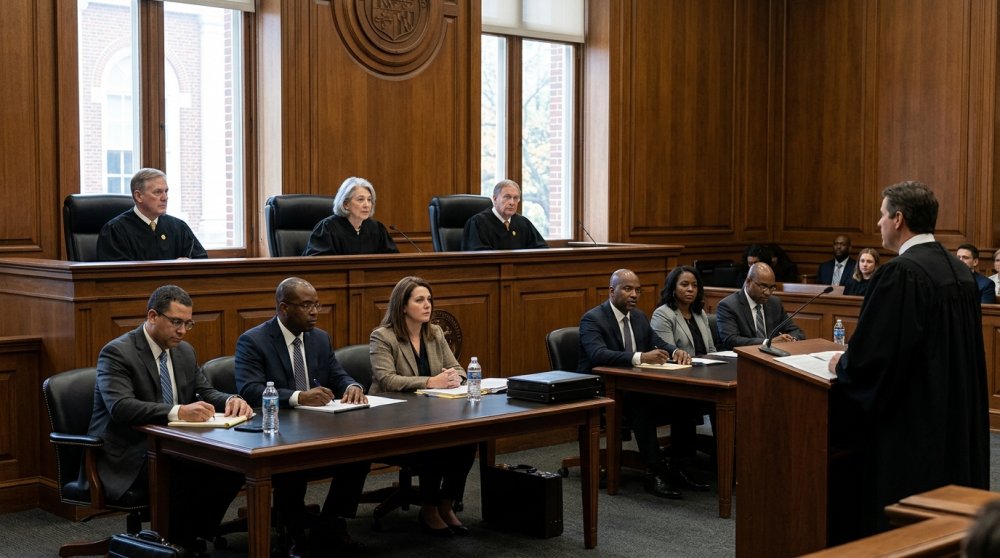
A Maryland appeals court has rejected the latest attempt by 37 congregations seeking to leave the United Methodist Church while retaining their church properties. The decision marks another setback for churches that argue the denomination’s exit rules place an unfair burden on congregations wishing to depart.
The suit centers on claims that the United Methodist Church’s trust clause and related policies make it nearly impossible for local churches to leave the denomination without losing buildings and assets they have maintained for generations. Church leaders contend these rules conflict with longstanding principles of local church autonomy.
“We are disappointed by the court’s decision and will prayerfully consider our next steps,” a representative for the congregations stated. “Our commitment to biblical truth and to serving our communities remains unchanged.”
Many of the congregations involved in the lawsuit have historically held to traditional Christian teachings on marriage and human sexuality. They maintain that their doctrinal convictions, rather than financial motives, are driving the desire to separate from the larger denomination.
The ongoing legal battle highlights growing tensions within mainline Protestant bodies over issues of doctrine, property rights, and the freedom of local congregations to govern their own affairs. Supporters of the churches argue that such disputes strike at the heart of religious liberty and the ability of faith communities to preserve their witness.
Let us know what you think, please share your thoughts in the comments below.
News
Federal Appeals Court Upholds Christian Auto Repair Chain’s Right to Franchise Exclusively to Believers
Faith Facts
- The U.S. Court of Appeals affirmed that a Christian-owned auto repair franchise may restrict ownership to professing Christians without violating federal law.
- The ruling protects the religious liberty of business owners to align their companies with their sincerely held Christian beliefs.
- The decision rejects claims that such faith-based hiring practices in franchising constitute unlawful religious discrimination.
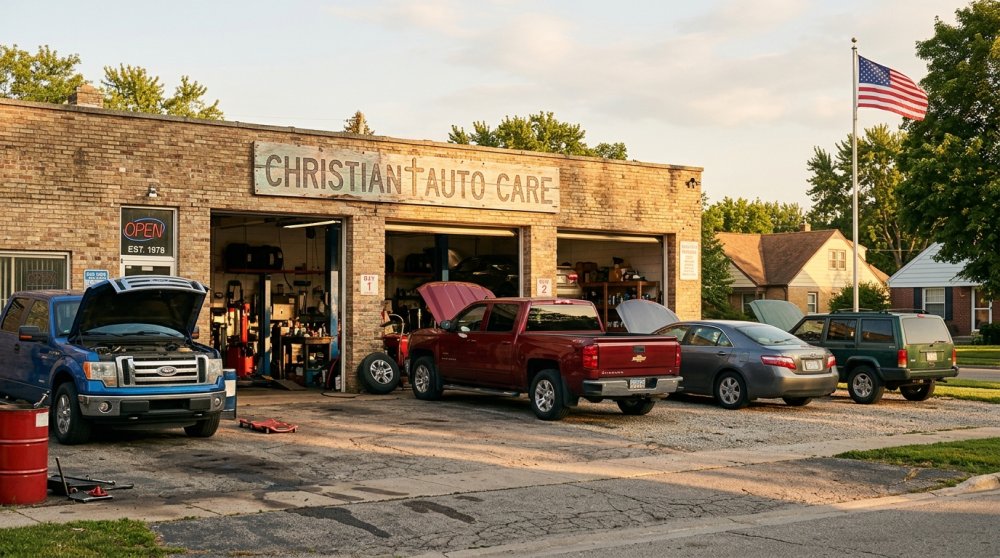
A federal appeals court has affirmed the right of a Christian-owned auto repair franchise to limit ownership to professing believers.
The unanimous panel decision dismissed a lawsuit brought by a Jewish applicant who was denied a franchise on the basis of his faith.
The court found that the company’s requirement reflects a legitimate exercise of religious freedom rather than illegal discrimination.
“We hold that the company’s policy of franchising only to Christians is protected under the First Amendment and applicable federal statutes,”
“This decision reaffirms that faith-based businesses have the constitutional right to operate according to their religious convictions,”
The ruling sends a clear message that religious liberty extends into the marketplace, allowing Christian entrepreneurs to build companies that honor their faith.
Let us know what you think, please share your thoughts in the comments below.


-

 Self-Reliance2 years ago
Trump’s Bold Move Uncovers Massive Social Security Fraud
-

 Faith1 year ago
New Clues Emerge in Noah’s Ark Mystery
-

 News2 years ago
Governor Walz’s Rhetoric Sparks National Controversy
-

 News2 years ago
Mel Gibson’s ‘The Passion of the Christ’ Sequel Title Announced
-

 Family2 years ago
Texas Lawmaker Targets Furries in Schools
-

 Freedom2 years ago
Maine Lawmaker Challenges Sports Fairness Controversy
-

 Family1 year ago
Canada’s Controversial Policy Sparks Ethical Debate
-
Faith11 months ago
Congress Hears Pleas for Nigerian Christians