
Freedom
Supreme Court Upholds Religious Freedom in Landmark Ruling

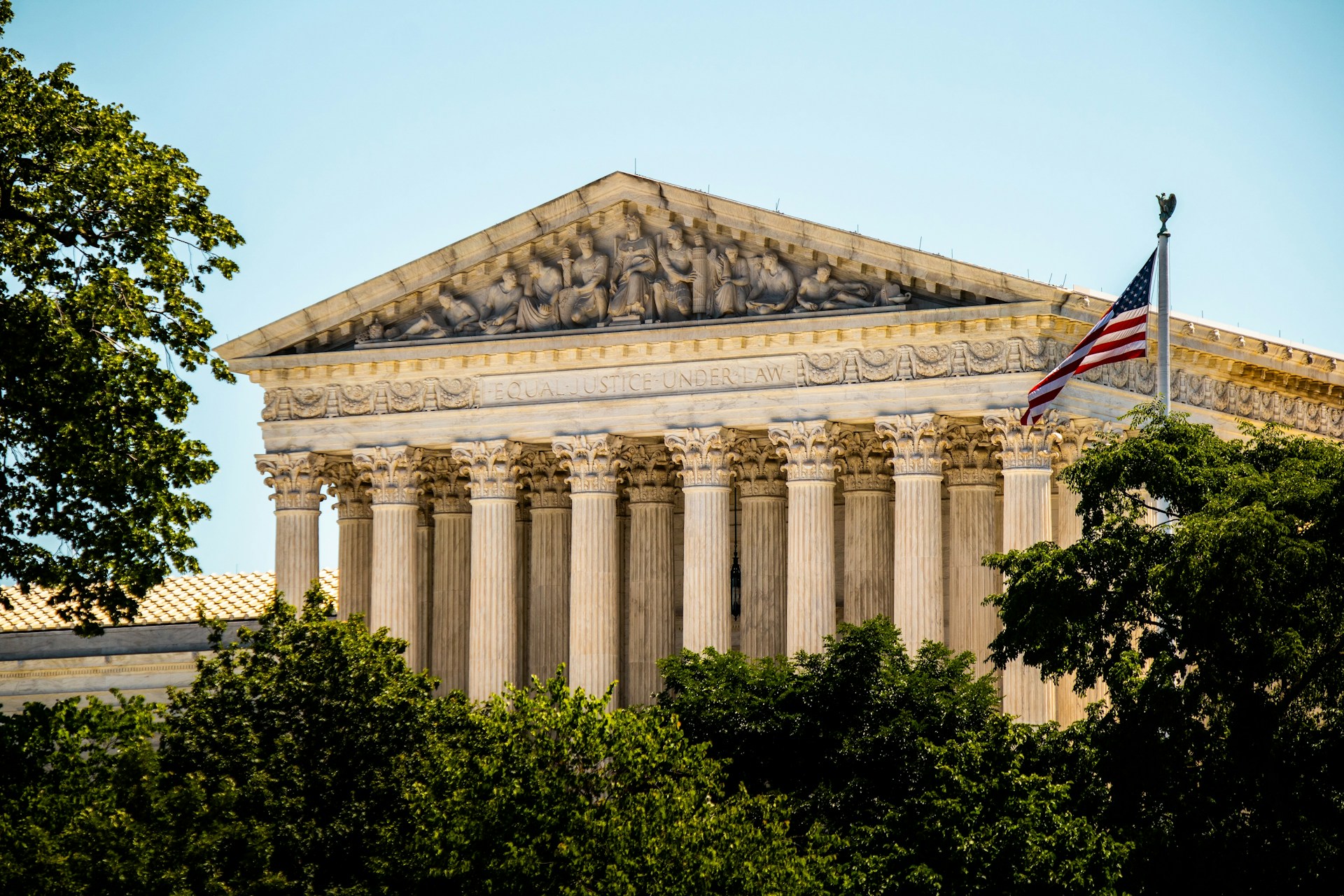
In a resounding victory for religious freedom, the Supreme Court has delivered a unanimous 9-0 decision in favor of the Catholic Charities Bureau (CCB), marking a pivotal moment for religious liberty in America. This ruling is a clear stand against government overreach into the sacred realm of religious life, affirming the foundational principles laid out by our Founding Fathers.
Tiffany Dunkin, a legal fellow and attorney with the First Liberty Institute, expressed her satisfaction with the decision, stating, “This was not a hard call.” The case centered around Wisconsin’s attempt to deny a religious tax exemption to CCB, arguing that since the organization does not exclusively serve Catholics or proselytize, it should not qualify as a religious institution.
“What Wisconsin was doing… they were saying that the Catholic Charities was not a religious institution because they did not proselytize or serve people of their own faith,” Dunkin explained. This stance was a direct challenge to the First Amendment, which prohibits the government from defining what it means to be religious.
The case, Catholic Charities Bureau Inc. v. Wisconsin Labor and Industry Review Commission, questioned whether faith-based nonprofits that provide public services are “religious enough” to receive the same benefits as churches. Catholic Charities, affiliated with the Diocese of Superior, Wisconsin, provides essential services for people with disabilities and mental health needs. Yet, Wisconsin argued these acts were not “primarily religious.”
Justice Sonia Sotomayor, in her opinion for the court, made it unequivocally clear that the government has no authority to assess or rank the religious nature of charitable work. This decision is a beacon of hope for religious organizations across the nation.
Dunkin highlighted the broader implications of the ruling, noting, “This is actually a pretty ongoing problem across the country.” She pointed out similar challenges faced by other faith-based organizations, such as Dad’s Place in Bryan, Ohio, and others in Colorado and Arizona. These organizations have been questioned for their religious status while providing food, clothing, or shelter to those in need.
“Even though there are churches doing this kind of work, the governments are saying, ‘Well, you’re not religious enough,’” Dunkin said. The court’s language in the ruling “affirms what the Supreme Court has said for nearly a century,” emphasizing that the government cannot choose which expressions of faith are valid.
“This sends a great message to people of all religions and all charitable organizations,” she said. “The government… cannot intrude into telling you exactly what you can and can’t do, whether you’re religious or not religious, in order to receive a government benefit or participate in society.”
Had the Supreme Court ruled otherwise, Dunkin warned, it would have had “grave implications” for religious charities and ministries nationwide. Such a decision would have allowed the government to meddle in religious doctrine far beyond the intentions of our nation’s founders.
“The government cannot step in and get involved in deciding and picking and choosing between one type of religious activity and another,” she asserted. For churches and ministries, this ruling is a call to action, encouraging them to continue their charitable missions with renewed vigor.
“They should feel emboldened to continue to do what they feel called to do by their religious faith… especially in a charitable sense,” Dunkin emphasized.
This decision is not just a singular legal triumph but a reaffirmation of the enduring strength of religious liberty in America. As Dunkin aptly put it, “One, an affirmance of what the First Amendment has always stood for… but of course, going forward, we do hope and we’re encouraged that religious liberty in America is alive and well.”
In these times, it is crucial to stand firm in our faith and uphold the values that have made this nation a beacon of hope and freedom. The Supreme Court’s decision is a testament to the power of faith, family, and freedom in shaping a society that honors its religious heritage.
Let us know what you think, please share your thoughts in the comments below.


Faith Facts
- Virginia State University has required Christian student organizations to submit to oversight by a single university-employed campus minister.
- Two Christian groups filed suit alleging the policy violates their religious convictions and First Amendment rights.
- The groups claim doctrinal differences with the appointed minister make compliance impossible without compromising their beliefs.
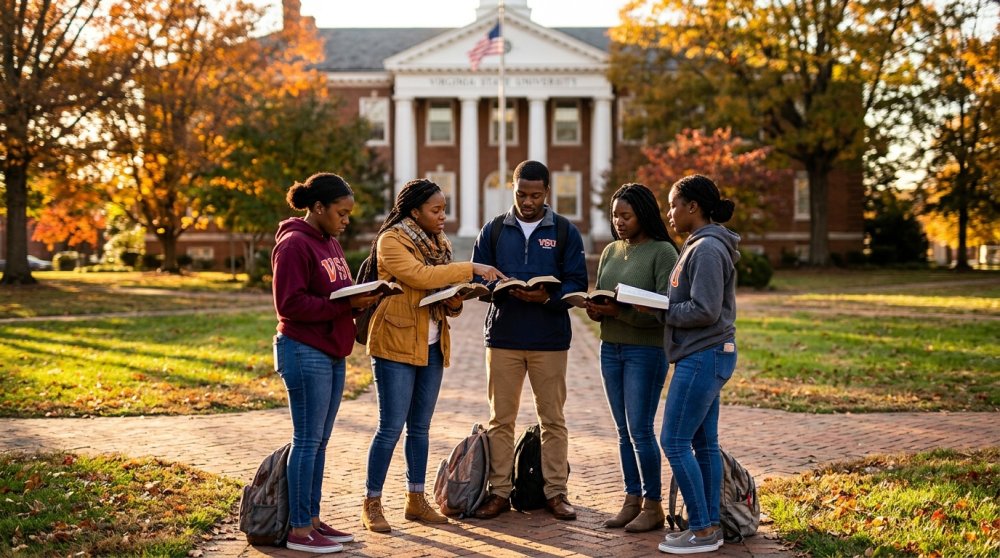
Two Christian student organizations have taken Virginia State University to court, asserting the school has violated their religious liberty by forcing them under the authority of a single campus minister.
The complaint states the policy requires all Christian clubs to operate under the governance of this university-appointed figure regardless of doctrinal alignment.
“The university is compelling these groups to accept spiritual leadership that contradicts their sincerely held beliefs,” the lawsuit argues.
The students maintain the mandate infringes on their freedom to choose leaders who share their theological convictions.
Legal observers note the case raises fresh questions about how public universities may regulate religious expression on campus.
Supporters of the plaintiffs argue that equal access should not require groups to surrender their core religious identity.
“We simply want the same rights extended to every other student organization without having our faith dictated by the state,” one plaintiff representative said.
The university has not yet issued a detailed public response beyond confirming receipt of the legal filing.
Let us know what you think, please share your thoughts in the comments below.
Faith Facts
- Parents hold the primary God-given responsibility to educate their children according to biblical principles.
- Traditional homeschooling has consistently produced graduates who serve their communities with integrity and skill.
- Local governments should respect parental authority and religious freedom rather than impose unnecessary credentialing barriers.
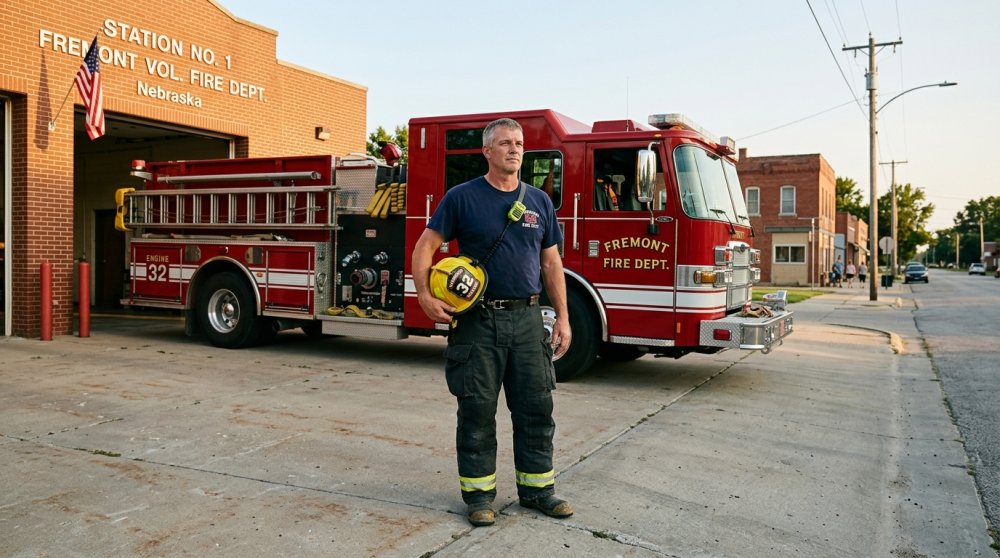
The city council of Fremont, Nebraska, has unanimously passed a resolution removing an education requirement that had prevented a homeschooled volunteer from applying for a paid firefighter position.
City leaders determined that the previous rule unfairly excluded capable individuals who had completed their education at home.
The decision came after a longtime volunteer firefighter, who graduated through homeschooling, was told he could not be considered for full-time employment because his diploma was not from an accredited institution.
“The council recognized that homeschool graduates bring the same dedication and training to the job as anyone else,” one council member stated during the meeting.
Council members agreed the change aligns with broader community values that honor parental choice in education.
Supporters of the resolution noted that many homeschool families in Nebraska choose this path for faith-based reasons and should not face employment discrimination for following their convictions.
The updated policy now allows the city to consider applicants based on their skills, certifications, and character rather than the source of their high school education.
Local firefighters and residents have welcomed the decision, viewing it as a practical step that strengthens public safety without compromising standards.
“This resolution simply removes an unnecessary obstacle so that qualified men and women can serve their neighbors,” another council member remarked.
City officials expect the change to expand the pool of dedicated candidates ready to protect Fremont families and property.
Let us know what you think, please share your thoughts in the comments below.
Faith Facts
- A Chinese pastor released from prison three months ago spoke at a religious freedom conference in Dallas, Texas.
- Speakers at the event credited public pressure and prayer with helping secure the pastor’s release.
- Believers are being called to pray and advocate for Christians still imprisoned for their faith.
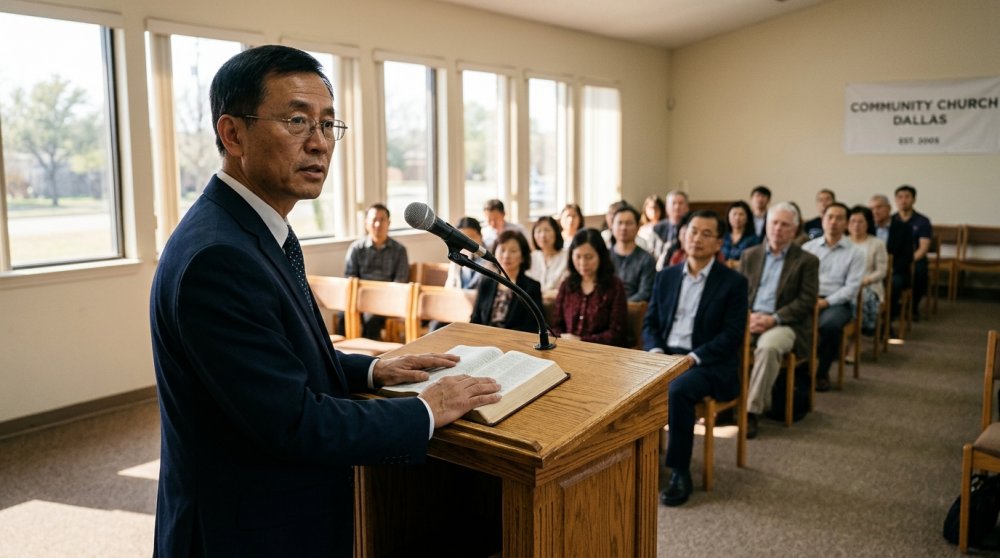
A Chinese pastor freed from prison three months ago joined advocates at a religious freedom conference in Dallas, Texas, on Monday, September 28, in urging Christians to pray and speak out for those jailed for their faith.
Speakers credited such pressure with helping win the pastor’s release.
The event highlighted the ongoing persecution faced by many believers in China.
Advocates emphasized the power of faithful prayer and public witness in the face of oppression.
“Let us know what you think, please share your thoughts in the comments below.”


-

 Self-Reliance2 years ago
Trump’s Bold Move Uncovers Massive Social Security Fraud
-

 Faith2 years ago
New Clues Emerge in Noah’s Ark Mystery
-

 News2 years ago
Governor Walz’s Rhetoric Sparks National Controversy
-

 News2 years ago
Mel Gibson’s ‘The Passion of the Christ’ Sequel Title Announced
-

 Family2 years ago
Texas Lawmaker Targets Furries in Schools
-

 Freedom2 years ago
Maine Lawmaker Challenges Sports Fairness Controversy
-

 Family1 year ago
Canada’s Controversial Policy Sparks Ethical Debate
-
Faith11 months ago
Congress Hears Pleas for Nigerian Christians