
Faith
Six Questions Every Believer Should Ask Before Hitting Send


Faith Facts
- Christians are called to be in the world but not of it, a principle that applies directly to social media engagement and digital communication.
- Every post, comment, and share reflects our witness for Christ and can either advance or hinder the Gospel message in the digital public square.
- Biblical discernment requires believers to pause and evaluate their online activity through the lens of Scripture before engaging with others on social platforms.
In an age where a single click can broadcast our thoughts to the world, Christians face a unique challenge in maintaining their witness while engaging on social media. The digital landscape has become a mission field, but it’s also a minefield where hasty words can damage our testimony and hurt others.
The timeless wisdom of Scripture remains our guide, even in this modern context. Just as we are called to be in the world but not of it, we must learn to be on social media without allowing it to conform us to its patterns of anger, division, and worldly thinking.
Before posting that comment, sharing that article, or responding to that heated thread, faithful believers should pause and ask themselves six critical questions rooted in biblical truth.
First, does this post glorify God? This foundational question should govern all our communication. Whether we’re sharing a family photo, commenting on current events, or engaging in debate, our ultimate aim should be to honor Christ and reflect His character to a watching world.
Second, is this true? In an era of misinformation and viral falsehoods, Christians must be zealous guardians of truth. Sharing unverified claims or sensational headlines without fact-checking damages our credibility and violates the biblical command against bearing false witness.
Third, is this necessary? Not every thought needs to be shared, and not every argument needs our input. Wisdom requires discernment about when to speak and when to remain silent, even when we have the platform to do otherwise.
Fourth, is this kind? The internet’s anonymity often emboldens cruelty, but followers of Christ are called to a higher standard. Even when addressing error or confronting sin, our words should be seasoned with grace and delivered with genuine love for the person on the other side of the screen.
Fifth, does this build up or tear down? Social media can be a tool for encouragement, edification, and spreading hope, or it can become a weapon of destruction. Christians should ask whether their contribution adds to the common good or merely fuels division and despair.
Sixth, would I say this face-to-face? The distance created by screens often leads us to write things we would never speak in person. If we wouldn’t say something directly to someone’s face, we probably shouldn’t type it either.
These questions aren’t meant to silence Christian voices in the digital public square. On the contrary, when believers engage thoughtfully and biblically online, they bring light to dark places and offer a compelling alternative to the world’s patterns of communication.
Our social media presence is an extension of our Christian witness. Every interaction is an opportunity to demonstrate the transforming power of the Gospel and the fruit of the Spirit in our lives.
The Apostle Paul’s words to the Ephesians ring as true today as they did two millennia ago: “Let no corrupting talk come out of your mouths, but only such as is good for building up, as fits the occasion, that it may give grace to those who hear.” In our digital age, this wisdom applies not just to our mouths, but to our fingertips as well.
By taking time to filter our online activity through these biblical questions, Christians can ensure their digital footprint reflects their faith and advances God’s kingdom rather than the kingdom of self.
Let us know what you think, please share your thoughts in the comments below.

Faith Facts
- Dr Michael Tang relocated from London to Yorkshire to serve rural believers after observing urban church trends.
- Smaller rural churches often rely on older faithful members who continue to uphold traditional worship and community.
- The focus on headline-grabbing urban growth can overlook the steady witness of countryside congregations.
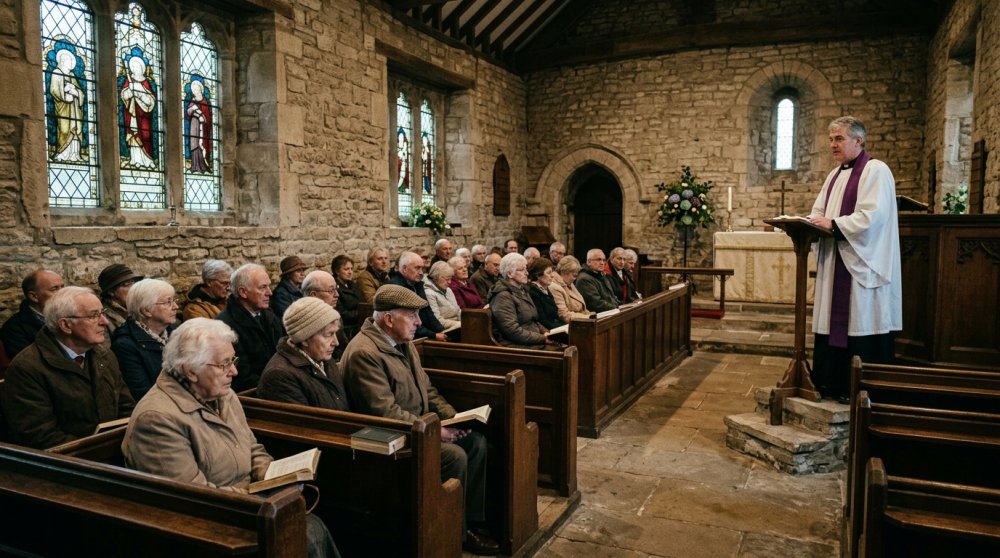
Big city churches full of young people are great, says Dr Michael Tang. But what about smaller rural ones, with their faithful older congregations?
After moving from London to Yorkshire, he’s learning to listen to the wisdom of age, not just the headline-grabbing reports of church growth.
“Big city churches full of young people are great, says Dr Michael Tang. But what about smaller rural ones, with their faithful older congregations?”
“After moving from London to Yorkshire, he’s learning to listen to the wisdom of age, not just the headline-grabbing reports of church growth.”
Let us know what you think, please share your thoughts in the comments below.
Faith Facts
- Eric Metaxas emphasizes the biblical foundation of American self-government.
- Nathan Hale, executed by the British at age 21, exemplifies early American faithfulness and courage.
- Remembering heroic figures like Hale strengthens national resolve rooted in biblical truth.
Author Eric Metaxas recently spoke with The Christian Post about the urgent need to recall the biblical principles that shaped American self-government.
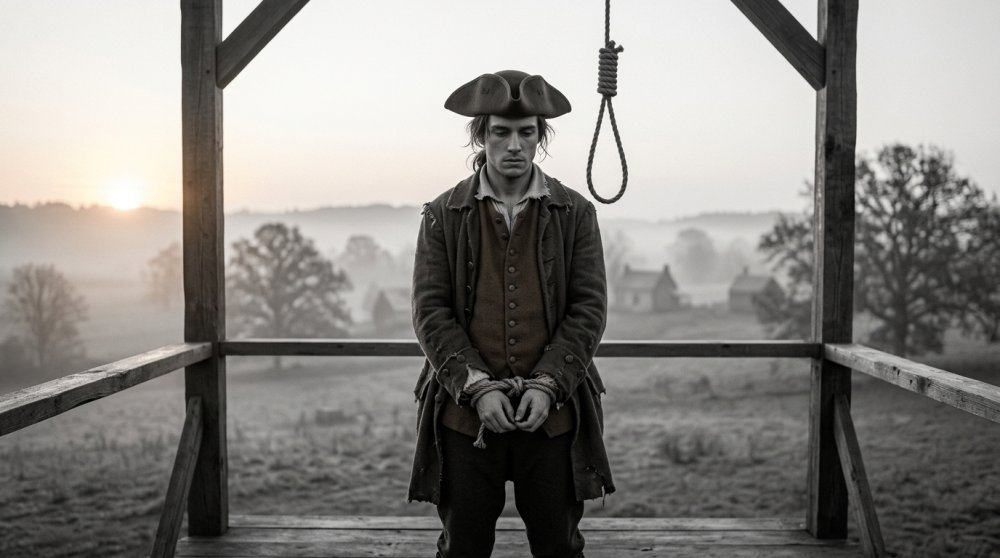
Metaxas pointed to the story of Nathan Hale, the 21-year-old patriot who was hanged by British forces 250 years ago this week, as a powerful example of sacrificial courage.
“We need to remember these heroic figures who laid down their lives for the cause of liberty,” he said.
The author stressed that such stories are not mere historical footnotes but living reminders of the Christian virtues that once defined the American experiment.
“Without these examples, we lose the moral imagination required to sustain freedom,” Metaxas added.
He urged believers and citizens alike to recover the memory of those who stood firm in faith and principle during the nation’s founding era.
Let us know what you think, please share your thoughts in the comments below.
Faith Facts
- A North Carolina church baptized 458 people in one day.
- This event marks the largest single-day baptism in the congregation’s 137-year history.
- The congregation attributes the record turnout to God at work in their community.
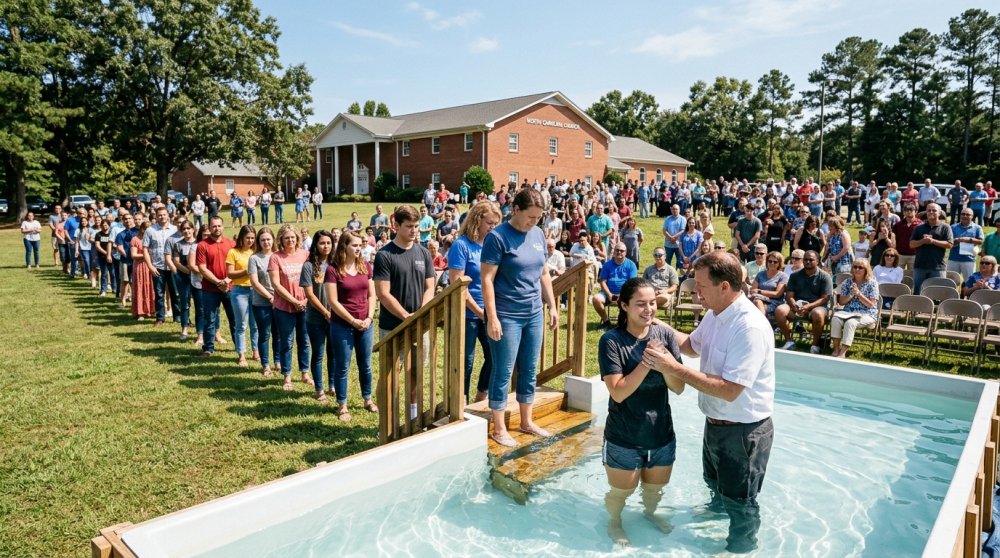
A multisite church in North Carolina baptized 458 people in a single day. This remarkable turnout set a new record for the congregation.
The milestone surpasses any previous single-day baptism in the church’s 137-year history. Church leaders say the outpouring reflects God’s active work among their members and surrounding communities.
Let us know what you think, please share your thoughts in the comments below.


-

 Self-Reliance1 year ago
Trump’s Bold Move Uncovers Massive Social Security Fraud
-

 Faith1 year ago
New Clues Emerge in Noah’s Ark Mystery
-

 News2 years ago
Governor Walz’s Rhetoric Sparks National Controversy
-

 News1 year ago
Mel Gibson’s ‘The Passion of the Christ’ Sequel Title Announced
-

 Family2 years ago
Texas Lawmaker Targets Furries in Schools
-

 Freedom2 years ago
Maine Lawmaker Challenges Sports Fairness Controversy
-

 Family1 year ago
Canada’s Controversial Policy Sparks Ethical Debate
-
Faith10 months ago
Congress Hears Pleas for Nigerian Christians