
News
Senator Dies at 71 After Defending Faith and Life Across the Globe


Faith Facts
- U.S. Senator Lindsey Graham, R-S.C., passed away unexpectedly at age 71 on Saturday following a sudden illness at his Washington home.
- Throughout his career, Graham was a steadfast advocate for the pro-life cause and stood as a defender of persecuted Christians worldwide.
- Emergency personnel responded to a call at his residence, but the senator could not be revived.
The nation mourns the loss of a devoted public servant who consistently championed the values of faith, family, and freedom. Senator Lindsey Graham of South Carolina died suddenly on Saturday at his Washington, D.C. residence after emergency responders were called to his home. He was 71 years old.
Graham’s unexpected passing has sent shockwaves through the Christian conservative community, where he was recognized as a tireless defender of traditional values. His commitment to protecting the unborn and advocating for religious liberty earned him respect among believers and faith-based organizations nationwide.
Throughout his decades of service in the United States Senate, Graham stood firm on issues that matter most to Christian Americans. His record on pro-life legislation demonstrated an unwavering commitment to the sanctity of human life from conception to natural death. He understood that every life has inherent dignity bestowed by our Creator.
Beyond domestic policy, Senator Graham was a powerful voice for persecuted Christians around the world. He recognized that religious freedom is a God-given right, not a government privilege, and he worked tirelessly to ensure that believers facing oppression received the support and advocacy they deserved from the United States government.
The circumstances surrounding his death remain under investigation, but authorities have confirmed that emergency personnel responded to a call regarding a sudden medical emergency. Despite their best efforts, the senator could not be saved.
Graham’s legacy extends far beyond legislative achievements. He served as a moral voice in the Senate, reminding his colleagues and constituents alike that America’s strength lies in its commitment to biblical principles and traditional values. His willingness to stand against the tide of cultural decay made him a beacon of hope for conservatives who believe in the foundational truths upon which this nation was built.
As a champion for life, Graham understood that protecting the most vulnerable among us—the unborn—was not merely a political position but a moral imperative. His advocacy helped shape policies that defended innocent life and provided alternatives to the tragedy of abortion.
His work on behalf of persecuted Christians demonstrated a profound understanding that faith transcends national boundaries. Graham recognized that when Christians suffer for their beliefs anywhere in the world, the American Church has a responsibility to stand with them in solidarity and action.
The senator’s sudden passing serves as a sobering reminder of life’s fragility and the importance of living each day with purpose and conviction. Graham did not waver in his commitment to the principles he held dear, even when those positions proved unpopular with the cultural elite and mainstream media.
Funeral arrangements are pending, and tributes continue to pour in from across the nation. Faith leaders, conservative colleagues, and pro-life advocates have expressed their gratitude for Graham’s faithful service and steadfast defense of Christian values in the public square.
Let us know what you think, please share your thoughts in the comments below.

Faith Facts
- Pastor Adam Hamilton is running for the U.S. Senate as a Democrat in Kansas.
- Hamilton stated that Christians do not need to believe in the virgin birth of Jesus Christ.
- The virgin birth is a foundational doctrine affirmed in Scripture and upheld by the historic Christian church.
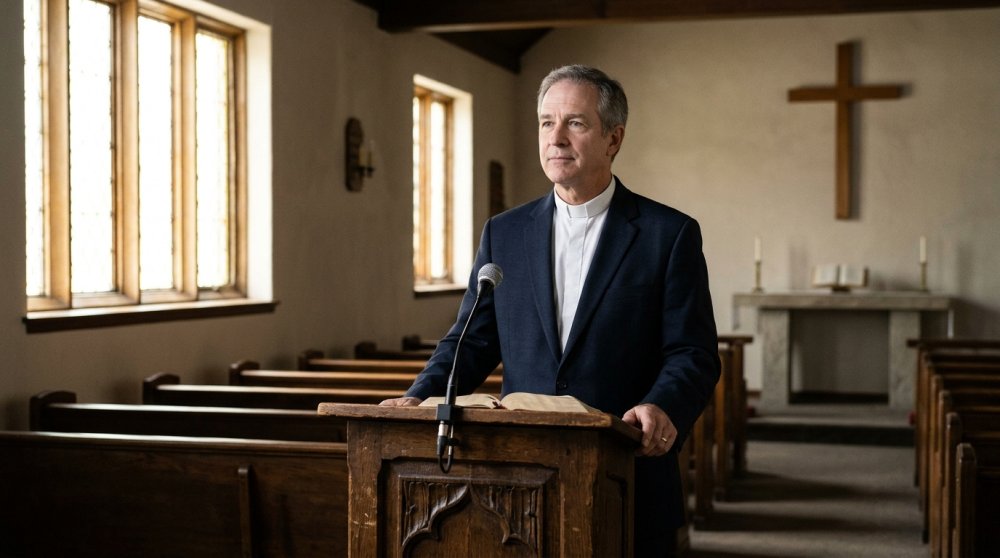
Former pastor and current Democrat Senate candidate Adam Hamilton is drawing criticism after a video interview surfaced in which he stated that belief in the virgin birth of Jesus is not required for Christians.
The remarks challenge the clear teaching of Scripture and the longstanding confessions of the Christian faith that affirm the miraculous conception of Christ by the Holy Spirit.
“Christians don’t have to believe in the virgin birth of Jesus,” Hamilton said during the interview.
Conservative believers across Kansas and the nation are expressing concern that a candidate who once served as a pastor would publicly question such a core biblical truth while seeking elected office.
Scripture is unambiguous on this matter, declaring in Isaiah 7:14 that “the virgin shall conceive and bear a son,” and in Matthew 1:23 that this prophecy was fulfilled in Mary.
Let us know what you think, please share your thoughts in the comments below.
Faith Facts
- The Virginia Supreme Court declined to halt a lawsuit brought by longtime members of McLean Bible Church over the 2021 elder election.
- Church leaders sought to dismiss the case, arguing that civil courts lack authority over internal church governance.
- The decision allows the plaintiffs to continue their legal challenge regarding transparency and adherence to church bylaws.
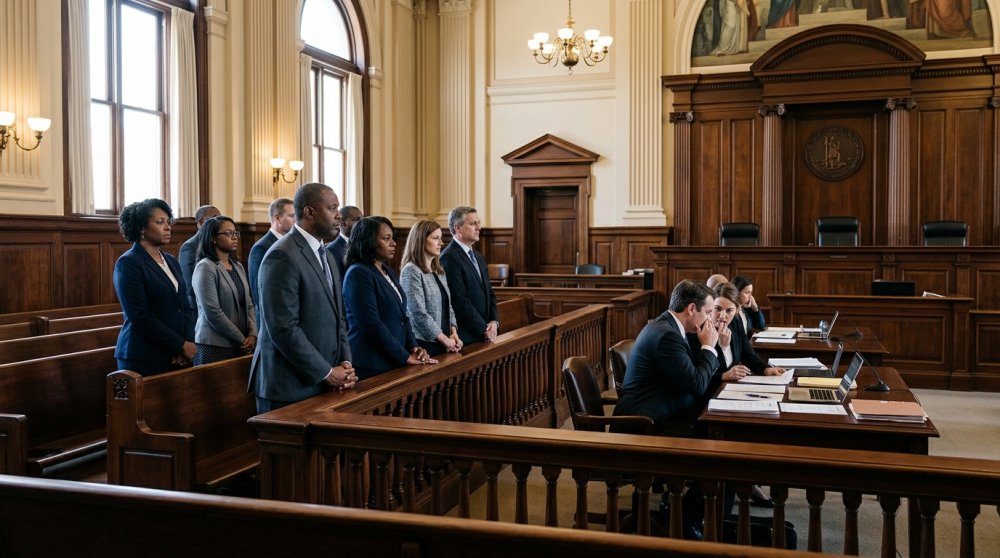
The Virginia Supreme Court has refused to end a lawsuit filed by longtime members of McLean Bible Church concerning the 2021 elder election and related governance issues.
The justices denied the church’s appeal, allowing the case to proceed in lower courts.
“We are disappointed that the Court declined to hear our appeal,” said a spokesperson for McLean Bible Church in a prepared statement. “We remain confident in our position and committed to defending the autonomy of local church governance.”
The lawsuit, brought by members who joined the congregation years earlier, questions whether the 2021 elder selection process followed the church’s own bylaws and whether proper notice and voting procedures were observed.
Legal observers note that Virginia courts have historically been reluctant to intervene in purely ecclesiastical matters, yet they will sometimes examine whether organizations have followed their own established rules.
“This ruling does not decide the merits of the case,” the court’s order stated. “It simply recognizes that the plaintiffs have stated a claim that may proceed under Virginia law.”
Church leaders maintain that the elder election was conducted lawfully and with appropriate congregational input.
Critics within the congregation argue that changes in leadership direction have shifted the church away from its historic doctrinal stance.
“Our concern has always been about fidelity to Scripture and to the church’s founding documents,” one plaintiff said in an earlier interview. “We simply want the process to be fair and transparent.”
The case now returns to the trial court, where both sides will continue to present arguments over governance and membership rights.
Let us know what you think, please share your thoughts in the comments below.

Faith Facts
- The Episcopal Church has listed its twelve-story headquarters in midtown Manhattan for sale after four months of seeking a buyer.
- The building is valued at nearly fifty-two million dollars, according to church leaders.
- Proceeds from any sale will support the denomination’s mission and ministry work nationwide.
The Episcopal Church has identified a prospective buyer for its midtown Manhattan headquarters just four months after announcing plans to sell the twelve-story property. Church leaders report the building carries an estimated value of nearly fifty-two million dollars.
The decision to divest reflects a broader effort by the denomination to align its physical assets with current ministry priorities and stewardship responsibilities. Church officials have emphasized that any proceeds would be reinvested in gospel outreach and service initiatives across the country.
Real-estate experts note that the Manhattan commercial market remains competitive, particularly for well-located institutional properties. The headquarters’ central position continues to draw interest from both nonprofit and commercial entities exploring long-term space solutions.
Let us know what you think, please share your thoughts in the comments below.


-

 Self-Reliance2 years ago
Trump’s Bold Move Uncovers Massive Social Security Fraud
-

 Faith2 years ago
New Clues Emerge in Noah’s Ark Mystery
-

 News2 years ago
Governor Walz’s Rhetoric Sparks National Controversy
-

 News2 years ago
Mel Gibson’s ‘The Passion of the Christ’ Sequel Title Announced
-

 Family2 years ago
Texas Lawmaker Targets Furries in Schools
-

 Freedom2 years ago
Maine Lawmaker Challenges Sports Fairness Controversy
-

 Family1 year ago
Canada’s Controversial Policy Sparks Ethical Debate
-
Faith11 months ago
Congress Hears Pleas for Nigerian Christians