
Faith
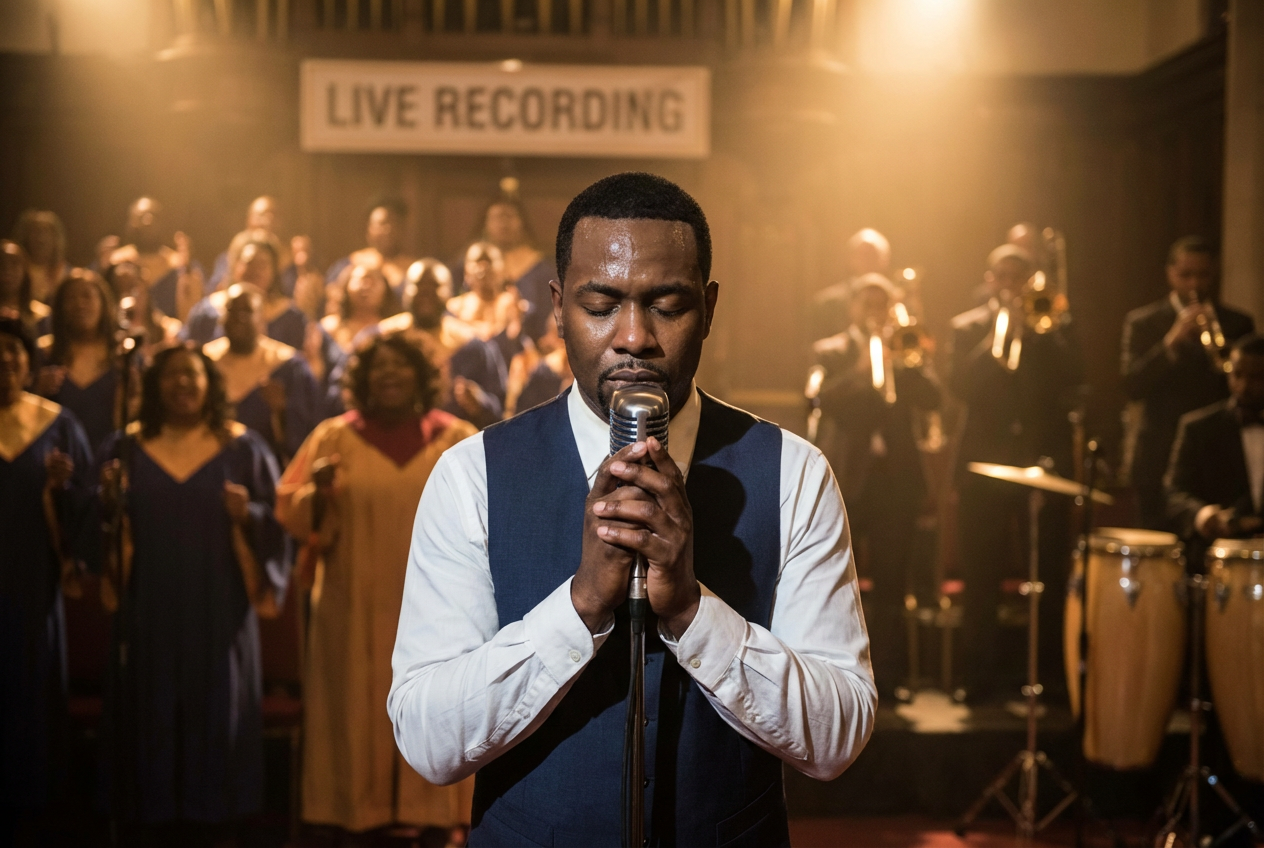
Revealed: How Sincere Prayer Fuels Jonathan McReynolds’ Spiritual Awakening

Faith Facts
- Gospel artist Jonathan McReynolds crafted album ‘Closer’ from sincere prayer and fasting.
- Title track challenges believers: change follows drawing nearer to God.
- McReynolds ensures lyrics reflect Scripture accurately through seminary training.
Gospel singer Jonathan McReynolds, a Chicago native and Grammy winner, released ‘Closer’ on March 27.
The live-recorded album mixes worship, soul, Afrobeats, and 1980s pop to unify its sound while pushing gospel boundaries.
I think that reaching is probably the best term. We can do all the churchy things, all the spiritual disciplines. But while you’re doing it, is there something from your heart that’s truly reaching for God?
The reflective title track ‘Closer’ questions, ‘How much will it take for me to change?’
My songwriting partners and I were wrestling with this question: Which comes first, the change or getting closer to God? It was like God saying, ‘Bigger isn’t going to do it. You being better isn’t going to do it. Just come closer.’
McReynolds prioritizes spiritual intimacy over perfection, deepening existing disciplines like prayer and Scripture study.
A Moody Seminary graduate and Mensa member, he vets lyrics biblically.
I never want to represent God and His Word poorly.
His music impacts daily decisions post-church, aiding discipleship for struggling loved ones.
Recording in Chicago, his ‘grandma’s house,’ reflects personal growth and God’s faithfulness.
Through Life Label Group, he mentors talents like DOE, stressing creativity to vitalize gospel.
What saves a genre is creativity.
Draw nearer to God daily through sincere faith; let His Word guide your walk and creativity.
Subscribe to Faith and Freedom Report for more uplifting stories strengthening Christian families.



Faith Facts
- At least one Christian was killed every 86 minutes in Nigeria from January through early September.
- Most victims lived in regions that receive little attention from Nigerian or U.S. security planners.
- The data comes from a U.S.-based aid agency tracking ongoing violence against believers.
Christians in Nigeria continue to face relentless violence that shows little sign of slowing. A new report from a U.S.-based aid agency documents the grim pace of persecution, with at least one believer killed every 86 minutes between January 1 and September 8. The numbers paint a stark picture of targeted attacks that have claimed the lives of faithful men and women across the nation.
Many of the killings occurred in areas that rarely receive priority attention from either Nigerian officials or American security planners. This lack of focus leaves communities vulnerable and allows violence to continue unchecked. The report underscores how strategic neglect can have deadly consequences for those simply trying to live out their faith.
The findings serve as a sobering reminder that Christians remain among the most persecuted religious groups worldwide. In Nigeria, the pattern of violence often targets believers in rural and semi-rural regions where government presence is thin and security forces are stretched thin. Families are left to mourn loved ones while the international community struggles to respond effectively.
Let us know what you think, please share your thoughts in the comments below.
Faith Facts
- Nearly half of Americans report experiencing or witnessing a miracle at least a few times a year.
- These accounts persist across a range of beliefs about organized religion and the afterlife.
- The findings reflect a continued openness to divine intervention in everyday American life.
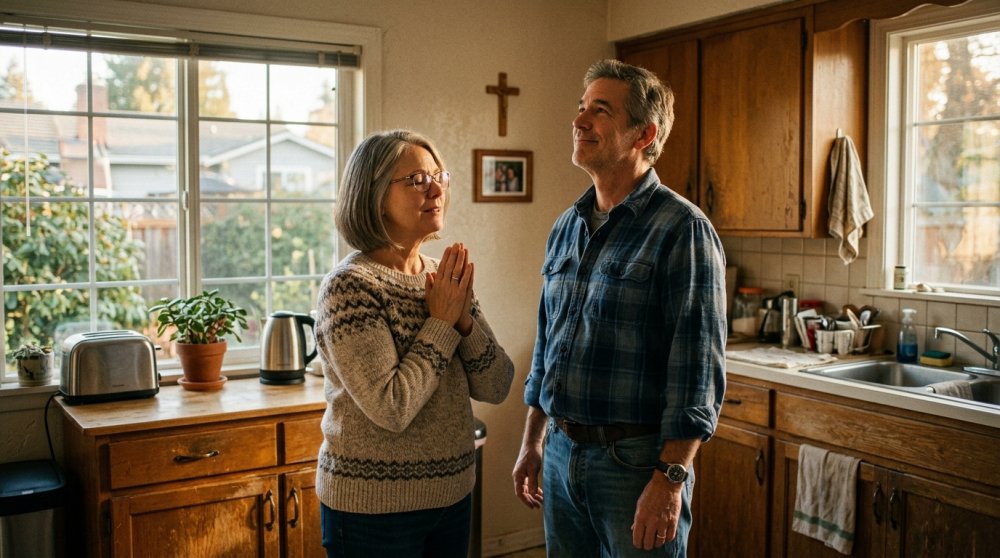
A new national study finds that nearly half of Americans say they experience or witness a miracle at least a few times a year.
The results come even as many respondents express differing opinions on organized religion and the afterlife.
“About half of Americans say they experience or witness a miracle at least a few times a year even as they hold a variety of views about organized religion and the afterlife, according to a new study.”
The data underscores a quiet but widespread conviction that God still moves in the lives of ordinary citizens.
This outlook aligns with the historic American tradition of recognizing divine providence in daily affairs.
Many believers see these reports as encouragement to remain steadfast in prayer and trust in God’s ongoing work.
Let us know what you think, please share your thoughts in the comments below.
Faith Facts
- Southern Baptist Convention President Willy Rice has proposed amending the Baptist Faith & Message to address cultural confusion over marriage and gender.
- The proposed amendment seeks to reaffirm the biblical understanding of marriage as between one man and one woman.
- Rice’s initiative reflects a commitment to upholding traditional Christian values in the face of societal changes.
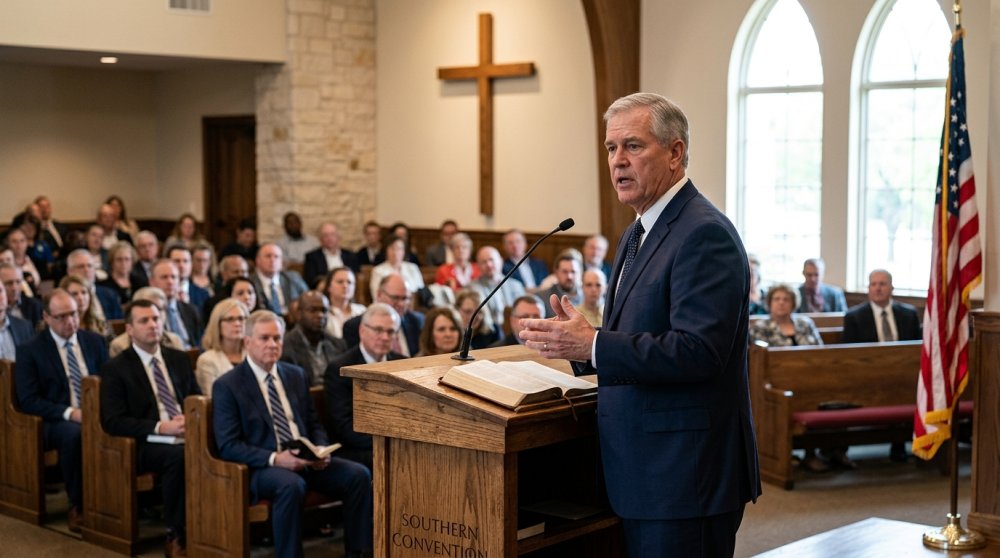
Southern Baptist Convention President Willy Rice is calling for an amendment to the Baptist Faith & Message that would strengthen the denomination’s stance on marriage and gender. The move comes amid growing cultural confusion over these foundational issues. Rice believes the change is necessary to clearly articulate biblical truth in an age of shifting definitions.
The proposal aims to protect the integrity of the faith statement that guides Southern Baptist beliefs and practices. By updating the language, Rice hopes to equip churches and members with a clearer doctrinal foundation. This effort aligns with longstanding Christian teachings on the sanctity of marriage and the created order.
“We must be clear about what Scripture teaches regarding marriage and human identity,”
Rice stated. The amendment would serve as a safeguard against progressive ideologies that challenge traditional Christian doctrine. It also reinforces the Southern Baptist commitment to the authority of Scripture in all matters of faith and practice.
Supporters of the proposal argue that such clarity is vital for maintaining unity within the denomination. They view the amendment as a proactive step to ensure that future generations understand and uphold biblical standards. Opponents may see it as unnecessary, but Rice maintains that doctrinal precision is essential in a rapidly changing world.
Let us know what you think, please share your thoughts in the comments below.


-

 Self-Reliance1 year ago
Trump’s Bold Move Uncovers Massive Social Security Fraud
-

 Faith1 year ago
New Clues Emerge in Noah’s Ark Mystery
-

 News2 years ago
Governor Walz’s Rhetoric Sparks National Controversy
-

 News1 year ago
Mel Gibson’s ‘The Passion of the Christ’ Sequel Title Announced
-

 Family2 years ago
Texas Lawmaker Targets Furries in Schools
-

 Freedom2 years ago
Maine Lawmaker Challenges Sports Fairness Controversy
-

 Family1 year ago
Canada’s Controversial Policy Sparks Ethical Debate
-
Faith10 months ago
Congress Hears Pleas for Nigerian Christians