
Family
Prison Walls Come Down as Mothers Meet Children After Years Apart


Faith Facts
- Nearly two dozen incarcerated mothers reunited with their children over Easter weekend through a partnership between the Federal Bureau of Prisons and God Behind Bars ministry.
- The Christian ministry provided a compassionate environment allowing families to celebrate Easter together after years of separation.
- The faith-based initiative demonstrates how redemption and family restoration can work within the justice system through Christian values.
In a powerful demonstration of mercy and family values, nearly two dozen incarcerated mothers experienced an Easter miracle this year — reuniting with their children for the first time in years. The heartwarming encounters took place through a collaborative effort between the Federal Bureau of Prisons and God Behind Bars, a Christian ministry dedicated to serving those behind bars.
The Easter weekend reunion allowed separated families to come together in a relaxed, supportive environment. Mothers who had been separated from their children by imprisonment were given the precious gift of time with their sons and daughters during one of Christianity’s most sacred holidays.
God Behind Bars has built its mission on the transformative power of Christ’s love reaching into America’s prisons. The ministry works to bring hope, redemption, and family restoration to those who society often forgets.
The Easter gatherings featured traditional holiday activities that many of these families had been unable to share for years. Children and mothers participated in Easter egg hunts, shared meals together, and celebrated the resurrection of Jesus Christ as a family unit.
This initiative reflects the Christian understanding that no one is beyond redemption and that maintaining family bonds serves both the incarcerated parent and the child. Research consistently shows that children who maintain connections with their incarcerated parents experience better outcomes, and mothers who preserve family relationships are more likely to successfully reintegrate into society.
The partnership between federal corrections officials and faith-based organizations represents a model that prioritizes human dignity, family preservation, and Christian compassion. These values align with the belief that the justice system should include pathways for restoration, not merely punishment.
For the mothers involved, the Easter reunion offered more than just a visit — it provided hope for restored relationships and a reminder of the love that endures even through the most difficult circumstances. Many of these women are working toward rehabilitation and eventual reunification with their families.
Programs like this demonstrate how Christian principles can be applied practically within government institutions. The Federal Bureau of Prisons’ willingness to partner with faith-based ministries shows recognition of the unique role that spiritual guidance and family support play in rehabilitation.
As communities of faith continue to minister to the incarcerated and their families, initiatives like the Easter reunion weekend serve as reminders that redemption is always possible through Christ and that no family should be forgotten.
Let us know what you think, please share your thoughts in the comments below.


Faith Facts
- Christian families face unprecedented digital threats as children encounter extreme manipulation and violence through unrestricted social media access
- Parents must equip children with critical thinking skills and biblical discernment to combat false information and harmful content online
- Fear-based parenting fails children—biblical guidance calls parents to actively shepherd their children toward truth and peace in the digital age
Christian parents across America are confronting a sobering reality: their children face digital dangers unlike anything previous generations encountered. The unrestricted flow of social media content into young minds is creating a generation paralyzed by fear of conflict, while parents themselves struggle with how to guide their children through this treacherous landscape.
The problem extends far beyond simple screen time concerns. Children today are bombarded with manipulative content, false narratives, and violent imagery that shapes their worldview in ways that contradict biblical truth and traditional American values.
Experts warn that without proper parental guidance, young people become vulnerable to ideological manipulation and moral confusion. The very platforms designed to connect people are often weaponized to divide, distort, and destroy the innocence of childhood.
The solution begins with parents reclaiming their God-given authority to shepherd their children’s minds and hearts. This means teaching critical thinking skills rooted in scriptural wisdom—helping children discern truth from lies, righteousness from wickedness, and beauty from corruption.
Media literacy has become an essential parenting tool in the 21st century. Christian families must actively engage with what their children consume online, discussing content through a biblical lens and helping young people recognize manipulation tactics employed by hostile cultural forces.
Fear-based parenting—either overprotecting children completely or allowing unrestricted access out of fear of conflict—fails to prepare the next generation for spiritual warfare in digital spaces. Instead, parents must boldly teach discernment, set appropriate boundaries, and model healthy media consumption.
The stakes could not be higher. A generation’s faith, mental health, and moral foundation hang in the balance. Christian parents cannot afford to remain passive while secular forces shape their children’s understanding of truth, identity, and purpose.
Practical steps include: monitoring content without invading reasonable privacy, having regular conversations about what children see online, teaching the difference between persuasion and manipulation, and pointing children toward Christ as the ultimate source of truth in a world of deception.
This battle for young minds requires both vigilance and wisdom. Parents must neither retreat in fear nor surrender the digital space to those who would corrupt their children’s souls. The answer lies in active, prayerful engagement—equipping children with both practical skills and spiritual armor to navigate the online world without being consumed by it.
Let us know what you think, please share your thoughts in the comments below.
Faith Facts
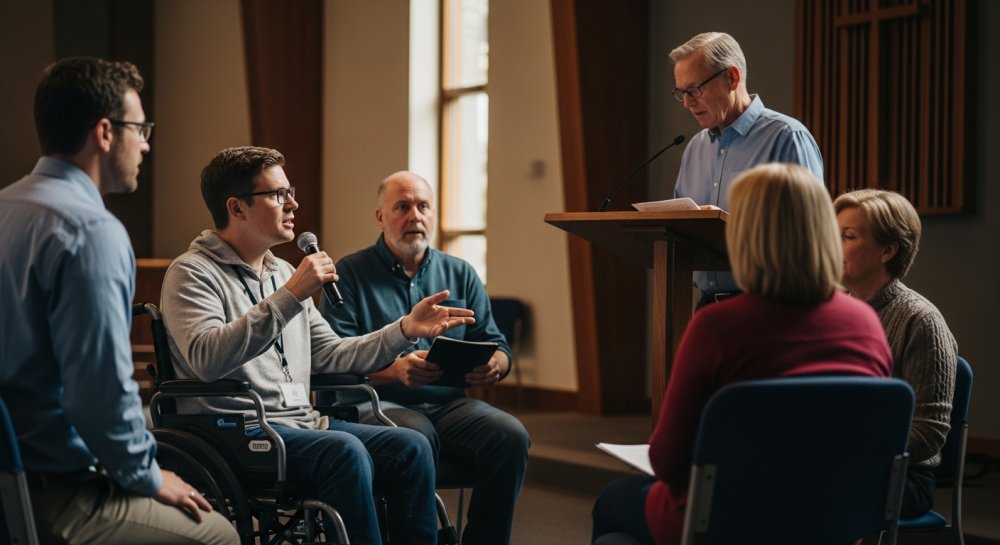
- Churches and Christian organizations are discovering new pathways to serve by creating inclusive environments for people with disabilities
- True inclusion means examining how faith communities can adapt to make room for individuals with different abilities to serve and lead
- Disability ministry is shifting from a service model to a partnership model where people with disabilities contribute their unique gifts
A powerful perspective is transforming how Christian organizations think about disability and service. The statement “Disability isn’t what someone lacks, it’s whether the world makes room for them” challenges believers to reconsider how faith communities embrace all of God’s children.
Consider what changes might be necessary in your church or ministry for someone with a disability to not just attend, but truly thrive alongside you. This kind of reflection goes beyond simple accommodation—it calls for a fundamental shift in how we understand the body of Christ.
When we imagine what barriers individuals with disabilities face in serving and leading, we begin to see opportunities for transformation. These obstacles aren’t just physical—they can be attitudinal, structural, and cultural. Removing them requires intentional commitment from leadership and congregation alike.
Perhaps even more important is imagining what people with disabilities might offer when given the opportunity to serve. Every person is created in God’s image with unique gifts, talents, and perspectives. When we exclude anyone from fully participating in ministry, the entire body suffers from their absence.
This reflection isn’t just about making buildings accessible or providing special programs. It’s about recognizing that true Christian community means creating space for everyone to contribute, lead, and serve according to their calling and abilities.
Churches across America are discovering that when they intentionally include people with disabilities in leadership and service roles, their ministries become richer and more reflective of God’s kingdom. These individuals bring perspectives and experiences that deepen everyone’s faith journey.
The question for every believer and every congregation is simple but profound: Are we making room? Are we creating environments where all people—regardless of physical or cognitive differences—can discover and fulfill their God-given purpose?
When faith communities embrace this calling, lives change on both sides of the equation. Those with disabilities find belonging and purpose. Those without disabilities discover gifts and insights they never knew they were missing. Together, they more fully represent the diverse and beautiful body of Christ.
Let us know what you think, please share your thoughts in the comments below.

Faith Facts
- Kenya is proposing a $15 million Child Welfare Fund to help move children from orphanages into family care.
- The plan aims to support relatives or foster families so children can grow up in a home environment.
- Faith leaders are urging churches to invest in family preservation, mentorship, and practical aid for struggling households.
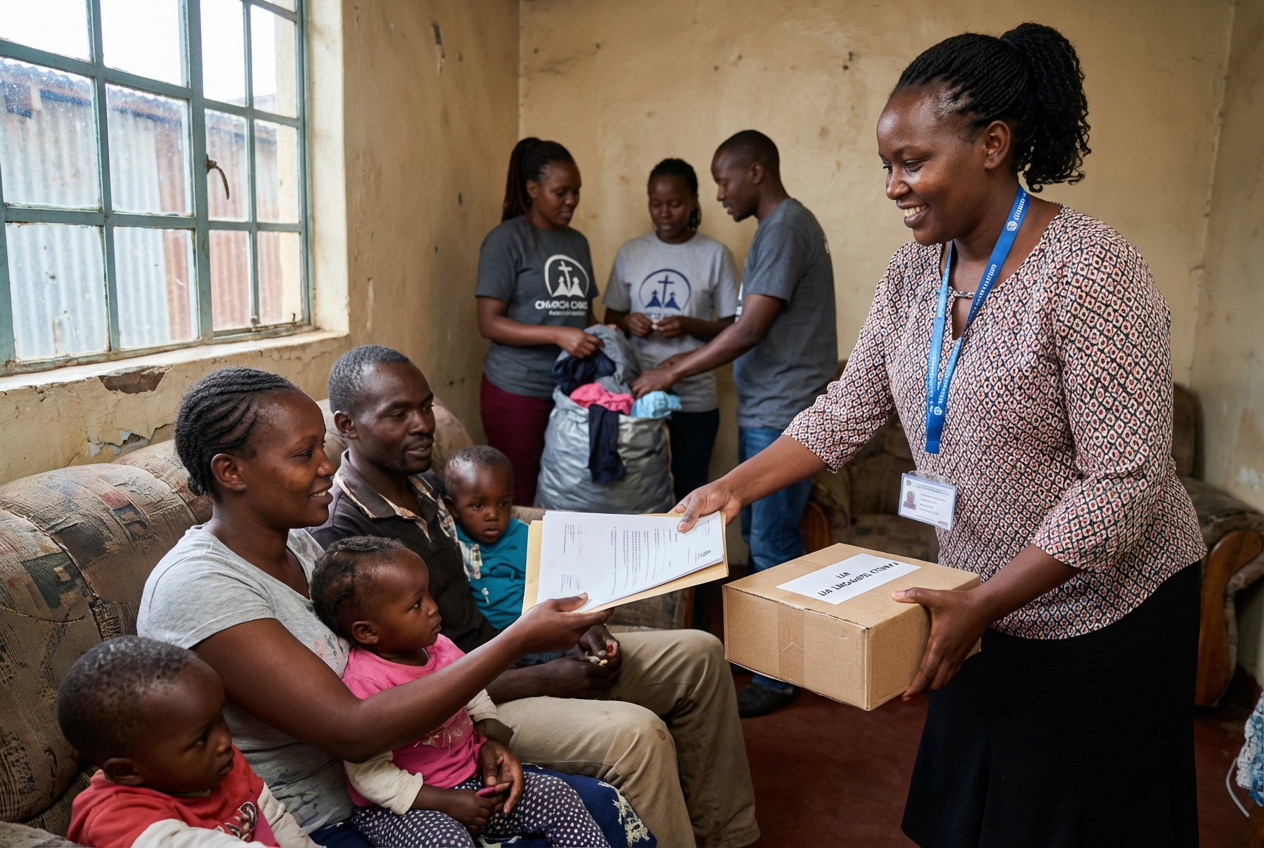
The Kenyan government is moving closer to preserving the sacred institution of the family by proposing a new $15 million Child Welfare Fund.
This initiative aims to transition children from institutional orphanages back into the loving care of relatives or foster families.
By strengthening family bonds, the program seeks to ensure every child grows up with the individual attention and moral guidance that only a family unit can provide.
This shift aligns with the Biblical principle that children are a heritage from the Lord meant to flourish in a home environment.
Christian organizations are increasingly advocating for family preservation as the gold standard for raising the next generation in faith and stability.
Groups like the Faith to Action Initiative urge churches to shift focus from funding orphanages to supporting mentorship and financial assistance for struggling families.


-

 Self-Reliance1 year ago
Trump’s Bold Move Uncovers Massive Social Security Fraud
-

 Faith1 year ago
New Clues Emerge in Noah’s Ark Mystery
-

 News1 year ago
Governor Walz’s Rhetoric Sparks National Controversy
-

 News1 year ago
Mel Gibson’s ‘The Passion of the Christ’ Sequel Title Announced
-

 Family1 year ago
Texas Lawmaker Targets Furries in Schools
-

 Freedom1 year ago
Maine Lawmaker Challenges Sports Fairness Controversy
-

 Family11 months ago
Canada’s Controversial Policy Sparks Ethical Debate
-
Faith5 months ago
Congress Hears Pleas for Nigerian Christians