
Faith
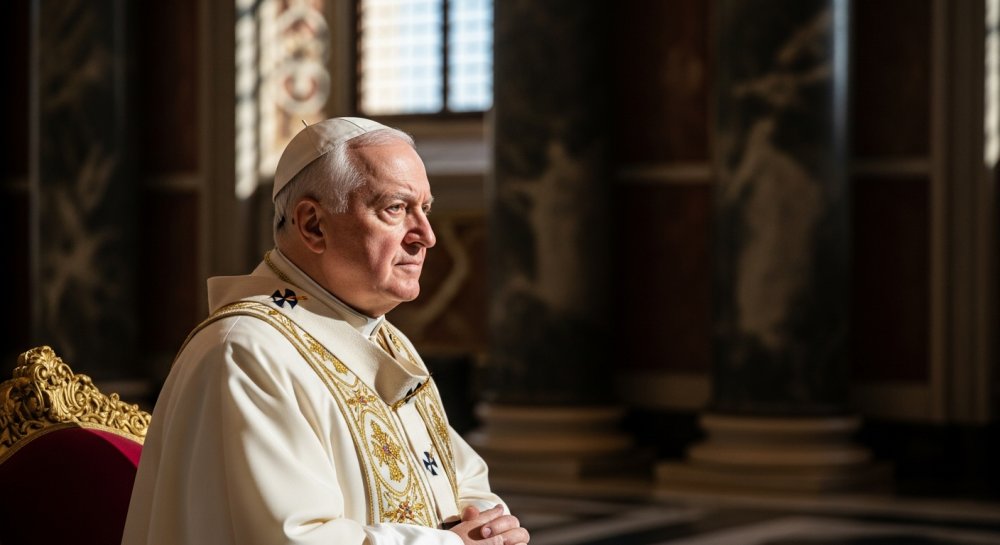
Pope Leo XIV Named to Time’s Most Influential List

Faith Facts
- Pope Leo XIV has been recognized on Time magazine’s 2025 100 most influential people list during the opening months of his papacy
- The historic recognition marks a significant milestone for the newly elected pontiff
- Time’s annual list highlights global leaders shaping world events and culture
Pope Leo XIV has received recognition from Time magazine, earning a place on the publication’s annual list of the 100 most influential people in the world. The honor arrives during the early months of his papacy, highlighting the global attention surrounding his leadership of the Catholic Church.
Time’s prestigious list has long served as a benchmark for identifying individuals who shape global affairs, culture, and public discourse. The inclusion of Pope Leo XIV underscores the continuing influence of Christian leadership on the world stage.
The recognition comes at a time when many Christians are watching closely to see how the new pontiff will navigate the challenges facing the Church and its relationship with traditional values. His inclusion on the list reflects the enduring relevance of faith-based leadership in an increasingly secular world.
For Catholic believers and Christians worldwide, the Pope’s influence extends beyond political or cultural metrics. His spiritual leadership carries weight in matters of faith, morality, and the defense of religious freedom.
The Time 100 list traditionally features leaders from various sectors including politics, business, entertainment, and religion. Pope Leo XIV’s presence among these figures demonstrates the continued importance of Christian voices in global conversations about values and human dignity.
Let us know what you think, please share your thoughts in the comments below.


Faith Facts
- St George, a Roman soldier martyred around 303 AD for refusing to renounce his Christian faith, became England’s patron saint in the 14th century
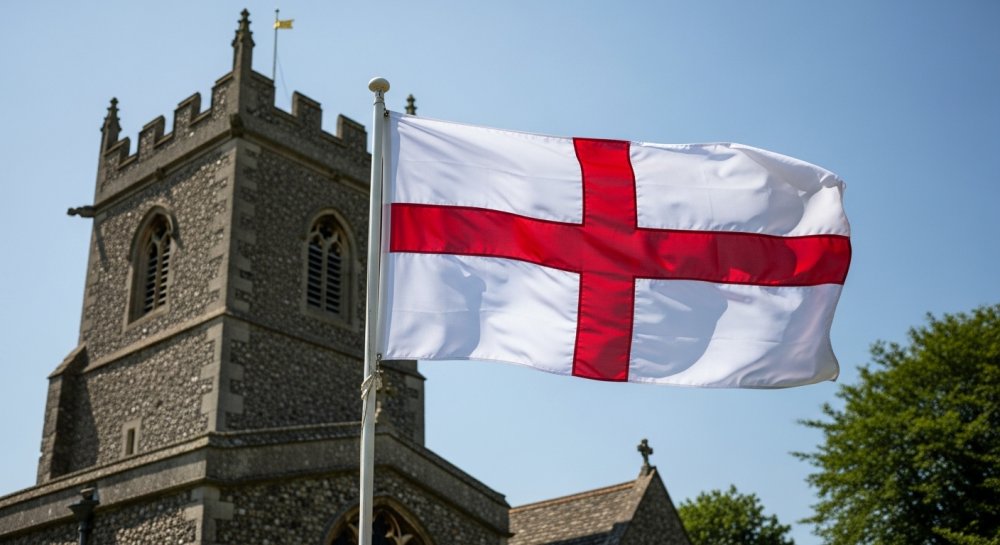
- The red cross on white background symbolizes Christian sacrifice and purity, representing the blood of martyrs and the resurrection
- St George’s Day on April 23rd has been celebrated for centuries but has seen renewed interest as England reclaims its Christian heritage through national symbols
April 23rd marks St George’s Day, a celebration that has quietly endured through centuries of English history, though many Americans might not know the remarkable story behind this Christian martyr and his iconic flag. While the red cross on white background has become a familiar sight at sporting events across England, few understand the deep Christian roots that make this symbol so powerful.
St George was a Roman soldier of Greek descent who lived during the third century. His unwavering faith would cost him everything. When Emperor Diocletian demanded that all Christian soldiers renounce their faith, George refused. His commitment to Christ led to his torture and eventual martyrdom around 303 AD, making him one of Christianity’s most celebrated saints.
The story of St George slaying the dragon, while likely symbolic rather than literal, represents the timeless Christian battle against evil. This narrative resonated deeply with medieval Christians and established George as a symbol of courage, faith, and righteousness. His example of standing firm in Christian conviction, even unto death, inspired countless believers throughout history.
England officially adopted St George as its patron saint during the reign of King Edward III in the 14th century. The red cross on white background became not just a national symbol, but a declaration of Christian identity. The red represents the blood of martyrs who died for their faith, while the white symbolizes purity and resurrection—core tenets of Christian belief.
For centuries, St George’s Day was celebrated with the same enthusiasm as Christmas in England. Churches held special services, communities gathered for feasts, and the faithful remembered the sacrifice of those who refused to compromise their beliefs. However, as secularism grew in the 20th century, these traditions faded from public life.
In recent decades, there has been a quiet resurgence of interest in St George’s Day and the flag that bears his cross. At sporting events, cultural gatherings, and national celebrations, the flag has returned to prominence. This revival represents more than patriotism—it’s a reconnection with England’s Christian heritage at a time when traditional values face unprecedented challenges.
The St George’s Cross stands as a reminder that Western civilization was built on Christian principles and the sacrifices of faithful believers. In an era where religious freedom faces new threats and Christian symbols are often marginalized, the story of St George resonates powerfully. He represents believers who refuse to bow to cultural pressure or government demands that contradict their faith.
For American Christians, the story offers valuable lessons about maintaining faith in hostile environments. St George faced the full power of the Roman Empire, yet he chose eternal truth over temporal comfort. His example challenges modern believers to consider what they’re willing to sacrifice for their convictions.
The flag’s increasing visibility at public events also reflects a broader awakening to the importance of preserving Christian cultural heritage. When people wave the St George’s Cross, they’re connecting with centuries of believers who stood firm in their faith, often at great personal cost.
Understanding the true meaning behind St George’s flag transforms it from a simple national symbol into a powerful reminder of Christian courage and sacrifice. It represents the unbroken chain of faith that connects today’s believers with the early Church martyrs who chose death over denial.
As St George’s Day passes each April, it offers an opportunity to reflect on the cost of discipleship and the heritage of faith that shapes Western values. The red cross on white background isn’t just England’s symbol—it’s a testament to the enduring power of Christian witness across the ages.
Let us know what you think, please share your thoughts in the comments below.
Faith Facts
- Saint George, England’s patron saint, was a Roman soldier martyred around 303 AD for refusing to renounce his Christian faith
- Saint George’s Day is celebrated annually on April 23rd, honoring his courage and steadfast devotion to Christ
- The red cross of Saint George has symbolized English Christianity and national identity for over seven centuries
As England observes Saint George’s Day, one writer’s heartfelt letter reminds us why this ancient Christian warrior saint remains relevant to believers today. In an age when faith is often marginalized and Christian values are under assault, Saint George’s example of courage and unwavering commitment to Christ speaks powerfully to modern Christians.
Peter Crumpler has penned a moving tribute to England’s patron saint, expressing gratitude for the example this early Christian martyr set for generations of believers. Saint George’s willingness to sacrifice everything rather than deny his Lord stands as a timeless testament to the cost of discipleship.
The story of Saint George reminds us that Christian faith has always required courage. This Roman soldier of the third century faced a choice that many believers around the world still face today: compromise your faith or face persecution. Saint George chose Christ over comfort, eternal glory over earthly safety.
For English Christians, Saint George represents more than just national heritage—he embodies the fusion of faith and culture that once defined Western civilization. His red cross banner has flown over English churches and battlefields for centuries, a visible reminder that this nation was built on Christian foundations.
In our contemporary moment, when religious liberty faces new challenges and Christianity is often treated with hostility in public spaces, Saint George’s example calls believers back to first principles. Faith is not a private hobby or cultural accessory—it is the central organizing truth of reality, worth living for and, if necessary, dying for.
The veneration of saints like George connects modern believers to the great cloud of witnesses described in Scripture. These heroes of the faith blazed a trail through persecution, doubt, and cultural opposition, proving that God empowers His people to stand firm in every generation.
Saint George’s story also reminds us of Christianity’s historical depth and global reach. Before England was England, before the modern West existed, Christians were suffering and dying for their faith across the Roman Empire. The faith we practice today was purchased at great cost by believers who valued eternal truth above temporary safety.
As Western culture increasingly abandons its Christian heritage, the observance of days like Saint George’s Day takes on renewed importance. These traditions root us in a story larger than ourselves, connecting us to centuries of faithful witness and reminding us that we are part of an unbroken chain of believers stretching back to the apostles.
For American Christians observing from across the Atlantic, England’s patron saint offers lessons applicable to our own context. We too face a culture that often views Christianity with suspicion or outright hostility. We too must choose whether to stand firm or accommodate to the spirit of the age.
Saint George’s legacy challenges comfortable Christianity. He was not a cultural Christian or nominal believer—he was willing to lose everything for Christ. His example asks searching questions: What would we sacrifice for our faith? Where do we draw the line? What hills are we willing to die on?
The letter to Saint George serves as more than historical appreciation—it is a call to remember and emulate the courage of those who have gone before. In an era of compromise and cultural Christianity, we need the witness of believers like George who counted the cost and chose Christ anyway.
As England marks Saint George’s Day, Christians everywhere can reflect on this soldier-saint’s powerful testimony. His life and death remind us that authentic Christianity has always demanded courage, sacrifice, and unwavering commitment to the truth of the Gospel.
Let us know what you think, please share your thoughts in the comments below.

Faith Facts
- A California megachurch ministry that has baptized thousands in recent years is preparing to host a global baptism event next month
- The ministry aims to baptize tens of thousands of new believers worldwide through the upcoming international outreach
- The evangelistic movement represents a growing wave of public declarations of faith across America and beyond
A powerful wave of evangelism that has swept through California is preparing to go global. A megachurch pastor’s ministry, which has already baptized thousands of new believers in the Golden State, is now organizing an ambitious worldwide baptism event scheduled for next month.
The ministry hopes to baptize tens of thousands of people as part of the international expansion of their evangelistic outreach. This effort builds on the remarkable success they’ve experienced in California, where mass baptism events have drawn significant crowds of those seeking to publicly declare their faith in Jesus Christ.
The movement represents a return to the biblical practice of public baptism as an essential step of faith. Throughout the Book of Acts, new believers were baptized immediately after accepting Christ, often in public settings that served as powerful testimonies to their communities.
These large-scale baptism events have become a hallmark of contemporary revival movements. They provide an opportunity for new Christians to take a bold stand for their faith while encouraging others to consider the claims of the Gospel.
The California ministry’s success has demonstrated a hunger for authentic spiritual experiences among Americans. In an era of increasing secularization, these mass baptisms stand as a counter-cultural statement of biblical faith and traditional Christian practice.
As the ministry prepares for global expansion, organizers are coordinating with churches and ministries around the world. The vision is to create a unified moment where believers across continents simultaneously participate in baptizing new followers of Christ.
This initiative aligns with the Great Commission given by Jesus to His disciples to “go and make disciples of all nations, baptizing them in the name of the Father and of the Son and of the Holy Spirit.” The global baptism event seeks to mobilize Christians worldwide in fulfilling this biblical mandate.
The movement has utilized social media and digital platforms to spread awareness and coordinate participation. Hashtags associated with the baptism events have trended online, demonstrating the enthusiasm surrounding these public expressions of faith.
For participating churches and ministries, the event offers an opportunity to celebrate God’s work in drawing people to salvation. It also serves as an evangelistic tool itself, as the testimonies of those being baptized can inspire others to consider the transformative power of the Gospel.
The expansion from California to a global stage reflects the timeless nature of the Gospel message and its power to unite believers across cultural and geographic boundaries in common mission and purpose.
Let us know what you think, please share your thoughts in the comments below.


-

 Self-Reliance1 year ago
Trump’s Bold Move Uncovers Massive Social Security Fraud
-

 Faith1 year ago
New Clues Emerge in Noah’s Ark Mystery
-

 News1 year ago
Governor Walz’s Rhetoric Sparks National Controversy
-

 News1 year ago
Mel Gibson’s ‘The Passion of the Christ’ Sequel Title Announced
-

 Family1 year ago
Texas Lawmaker Targets Furries in Schools
-

 Freedom1 year ago
Maine Lawmaker Challenges Sports Fairness Controversy
-

 Family11 months ago
Canada’s Controversial Policy Sparks Ethical Debate
-
Faith5 months ago
Congress Hears Pleas for Nigerian Christians