
News
Pope Francis’s Lasting Impact: A Legacy That Shapes the Future

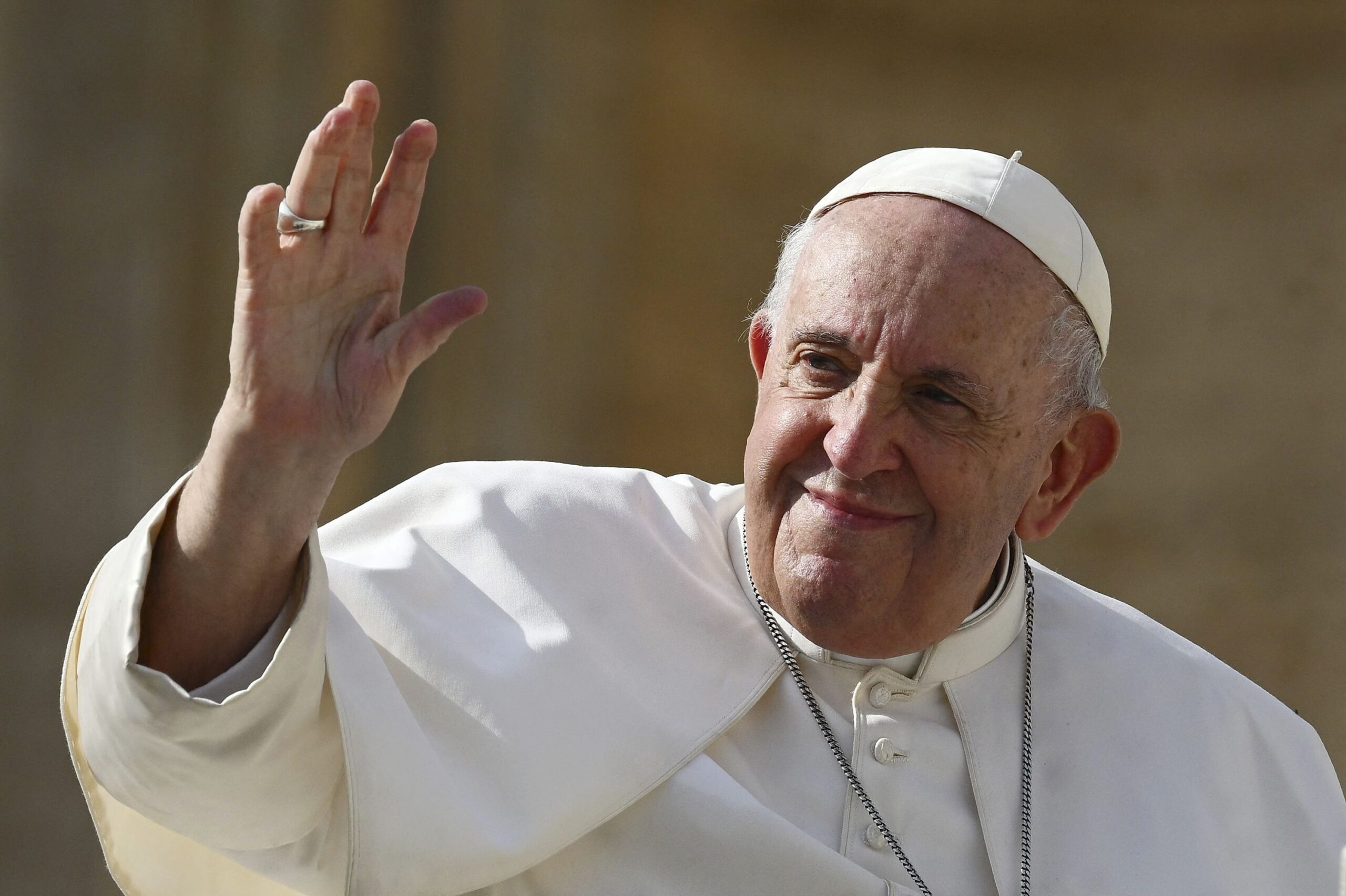
As the world bids farewell to Pope Francis, a figure who has left an indelible mark on the Catholic Church and beyond, it is a moment for reflection on the values that have guided his journey and the principles that resonate with those who cherish faith, family, and freedom.
Pope Francis, born Jorge Mario Bergoglio in Argentina, passed away at the age of 88, following a stroke and cardiac arrest. His passing on Easter Monday, a day symbolic of resurrection and hope, serves as a poignant reminder of the eternal life that awaits believers, a cornerstone of Christian faith.
In his final public appearance on Easter Sunday, Pope Francis offered blessings to the faithful gathered at St. Peter’s Square. This act of devotion underscores the importance of spiritual leadership and the role of the Church in guiding the faithful through life’s challenges.
The Vatican has announced that Pope Francis’s body will lie in state at St. Peter’s Basilica, allowing mourners to pay their respects. This solemn occasion provides an opportunity for the faithful to reflect on the pope’s teachings and the enduring impact of his ministry.
Pope Francis’s burial wishes, revealed shortly after his election in 2013, reflect a profound humility and devotion to the Virgin Mary. “I have always entrusted my life and the priestly and episcopal ministry to the Mother of Our Lord, Mary Most Holy,” he expressed. His desire for a simple tomb, inscribed only with “Franciscus,” speaks to a life dedicated to service rather than personal glory.
The funeral Mass, to be presided over by Cardinal Giovanni Battista Re, will bring together bishops, priests, cardinals, archbishops, and patriarchs from around the world. This gathering of spiritual leaders highlights the unity and strength of the global Christian community, a testament to the enduring power of faith.
As we reflect on Pope Francis’s legacy, it is essential to remember his commitment to reaching beyond traditional boundaries, emphasizing the Church’s role in addressing the needs of impoverished nations. His efforts remind us of the biblical call to love our neighbors and serve those in need.
In a world often divided by political and social strife, Pope Francis’s message of peace and brotherhood resonates deeply. “The suffering that was made in the last part of my life I offered to the Lord for peace in the world and brotherhood among peoples,” he stated. This sentiment aligns with the values of fostering community, promoting peace, and upholding the dignity of every individual.
As we honor Pope Francis’s memory, let us recommit ourselves to the principles that define our faith—principles that uphold the sanctity of life, the importance of family, and the freedom to practice our beliefs. In doing so, we continue the legacy of a leader who dedicated his life to serving God and humanity.
Let us know what you think, please share your thoughts in the comments below.


Faith Facts
- Scripture warns that leaders among the flock must be above reproach, especially when working with the vulnerable (1 Timothy 3:2).
- Protecting children remains a core biblical mandate repeated throughout both the Old and New Testaments.
- Accountability and transparency in mission work safeguard both the gospel and those it reaches.
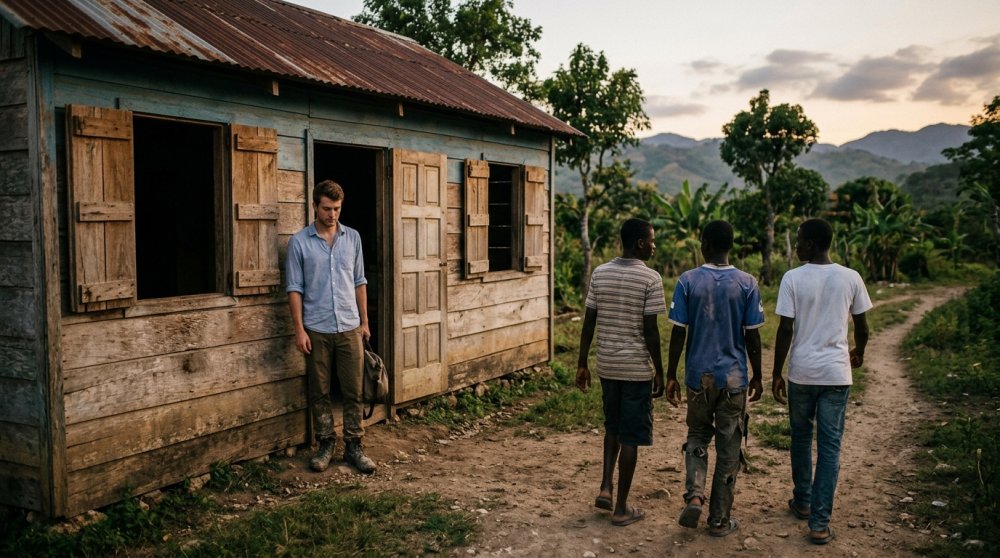
Maylon Foshee, 23, a Creole-speaking missionary from Mansfield, Louisiana, has been charged with sexually abusing three teenage boys while ministering in Haiti.
The young man built a sizable following on TikTok, surpassing 100,000 users by sharing updates from his work in the Caribbean nation.
“The charges are deeply troubling and underscore the need for rigorous oversight of everyone serving in cross-cultural ministry,” a local ministry leader stated.
Authorities in Haiti are conducting the investigation, while officials in the United States are monitoring developments for potential additional charges.
“Parents and churches must remain vigilant when sending young people abroad,” the ministry leader added.
The case has prompted renewed discussion among mission boards about background checks, supervision structures, and safeguarding policies for workers serving in high-risk regions.
Christian organizations stress that protecting the vulnerable is not optional but a direct command of Christ.
Let us know what you think, please share your thoughts in the comments below.

Faith Facts
- Scripture teaches that every human life is fearfully and wonderfully made by God from the moment of conception.
- Christian teaching affirms the sanctity of life regardless of physical ability or medical prognosis.
- Traditional American and biblical values uphold the duty of society to protect the most vulnerable among us.
Health officials in the Netherlands have confirmed that a one-year-old child with severe disabilities was euthanized under newly expanded rules that permit the practice for children ages one through twelve. The case marks the first reported instance since the regulations took effect in 2024.
The development has prompted renewed debate over the moral and ethical boundaries of end-of-life decisions for minors. Critics argue that the policy shifts the nation further away from its historic commitment to safeguarding innocent human life.
“The protection of the weak and the innocent is a fundamental duty of any just society,”
Christian leaders and pro-life advocates in the United States and abroad have voiced concern that such policies undermine the biblical principle that God alone holds authority over the beginning and end of life.
Under the Dutch protocol, physicians must determine that a child is experiencing unbearable and hopeless suffering with no prospect of improvement. Parental consent is also required.
“We are called to trust in the Lord with all our hearts and lean not on our own understanding,”
Supporters of the measure maintain that the rules include strict oversight and are intended only for the most extreme cases. Opponents counter that any system authorizing the deliberate ending of a child’s life crosses an irreversible line.
The Netherlands previously allowed euthanasia for adults and later for minors aged twelve and older. The 2024 expansion lowered the age threshold to one year, drawing international attention and criticism from those who hold that every child deserves protection and care.
Let us know what you think, please share your thoughts in the comments below.
Faith Facts
- The Ninth Circuit Court of Appeals upheld the right of Los Angeles to display a century-old cross and Nativity scene in a historic district.
- A federal court rejected an atheist’s constitutional challenge, affirming that the displays do not violate the First Amendment.
- Religious liberty advocates called the ruling “common sense” and a victory for preserving America’s Christian heritage.
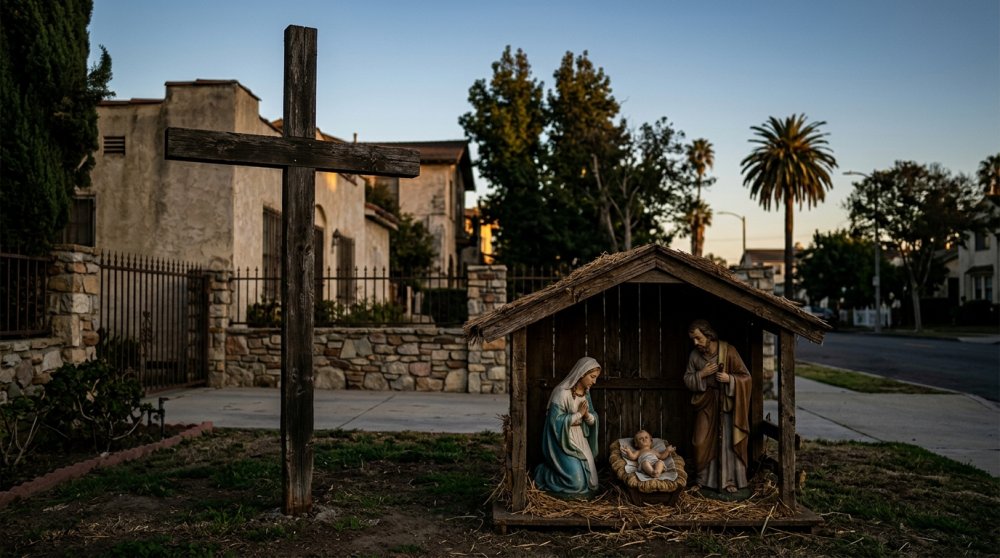
The Ninth Circuit Court of Appeals has ruled that Los Angeles can continue displaying a historic cross and Nativity scene in one of its longstanding cultural districts. The decision follows an atheist’s attempt to remove the displays on constitutional grounds.
The court declined to overturn a lower court’s earlier ruling that rejected the challenge. This means the century-old symbols of faith will remain in place as part of the city’s historic character.
Religious liberty groups praised the outcome as a win for traditional American values. They noted that the displays have stood for generations without establishing a state religion.
“This is common sense,” said a representative of the religious liberty law firm involved in the case. “The Constitution does not require the government to erase religious history from public spaces.”
The ruling reinforces the principle that longstanding religious symbols in public settings are not automatically unconstitutional. Courts have increasingly recognized the historical and cultural significance of such displays rather than viewing them solely through a modern secular lens.
Preserving these expressions of faith aligns with the values that shaped America’s founding. Communities across the nation continue to defend their right to honor their religious heritage without fear of legal erasure.
Let us know what you think, please share your thoughts in the comments below.


-

 Self-Reliance1 year ago
Trump’s Bold Move Uncovers Massive Social Security Fraud
-

 Faith1 year ago
New Clues Emerge in Noah’s Ark Mystery
-

 News2 years ago
Governor Walz’s Rhetoric Sparks National Controversy
-

 News2 years ago
Mel Gibson’s ‘The Passion of the Christ’ Sequel Title Announced
-

 Family2 years ago
Texas Lawmaker Targets Furries in Schools
-

 Freedom2 years ago
Maine Lawmaker Challenges Sports Fairness Controversy
-

 Family1 year ago
Canada’s Controversial Policy Sparks Ethical Debate
-
Faith10 months ago
Congress Hears Pleas for Nigerian Christians