
Faith
Police Inaction Leaves Pakistani Christian Family Desperate After Teen Daughter’s Forced Conversion

Faith Facts
- A 16-year-old Christian girl in Pakistan was allegedly abducted, forcibly converted to Islam, and married online to a Muslim man in the UAE
- The victim’s family has accused local police of failing to take meaningful action to recover their daughter
- This case highlights ongoing religious persecution faced by Christian minorities in Pakistan
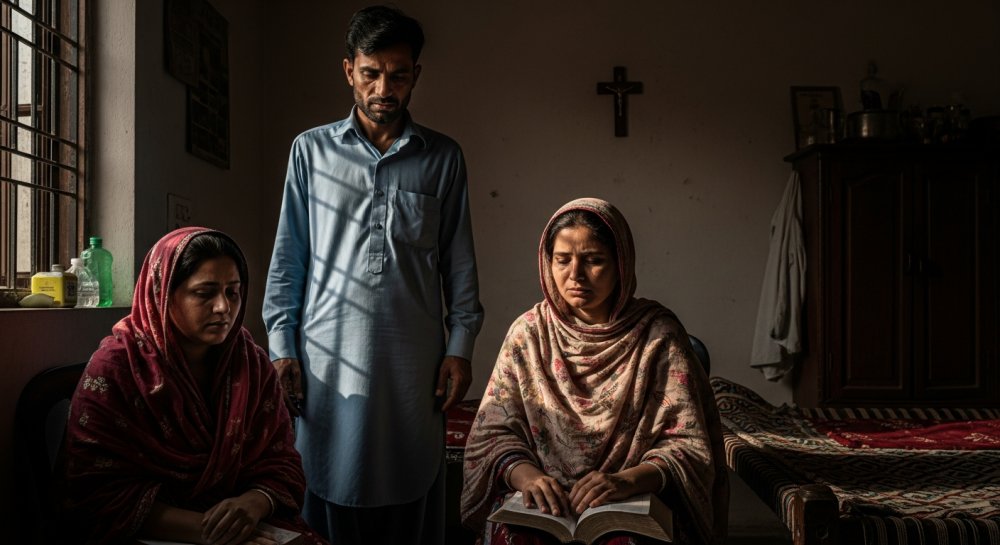
A Christian family in Pakistan is desperately seeking help after their teenage daughter was allegedly kidnapped and forced into a conversion and marriage that has torn their family apart. The parents say their pleas for justice have fallen on deaf ears as local authorities appear unwilling to intervene.
According to the family’s account, their 16-year-old daughter was abducted and subsequently forced to convert to Islam. In a disturbing twist that reflects modern exploitation tactics, the young girl was then married online to a Muslim man residing in the United Arab Emirates.
The family has accused Pakistani police of failing to take adequate action to recover their daughter and bring the perpetrators to justice. Their frustration highlights a troubling pattern of official indifference when Christian minorities face persecution in the predominantly Muslim nation.
Pakistan has long been identified as one of the most dangerous countries in the world for Christians. Forced conversions and marriages of young Christian and Hindu girls remain a persistent problem, with human rights organizations documenting hundreds of such cases annually.
These abductions typically follow a similar pattern: young girls from religious minority communities are targeted, forcibly converted, and quickly married to Muslim men. Families often face intimidation when they attempt to recover their daughters, and police frequently side with the abductors or simply refuse to investigate.
The use of online marriage in this case represents an alarming evolution in these crimes, allowing perpetrators to connect victims with men in other countries while circumventing traditional legal protections. This digital dimension makes recovery even more difficult and expands the potential trafficking network beyond Pakistan’s borders.
Christian communities in Pakistan live under constant threat, facing both official discrimination and mob violence. The nation’s controversial blasphemy laws are frequently weaponized against Christians, and legal protections for religious minorities remain inadequate despite constitutional guarantees.
International religious freedom advocates have repeatedly called on Pakistani authorities to take meaningful action to protect vulnerable religious minorities. However, systematic change has been slow, and families like this one continue to suffer while waiting for justice that may never come.
The family’s plight serves as a sobering reminder of the daily dangers faced by Christians in many parts of the world. Their story calls for continued prayer and advocacy from the global Christian community.
Let us know what you think, please share your thoughts in the comments below.


Faith Facts
- Former NFL players Patrick Hill and Chandler Brayboy have partnered with Mercy Ships and Glorify to redefine strength through Christian service and caregiving.
- Both athletes transitioned from professional football to nursing, applying their discipline and teamwork skills to healthcare missions.
- The collaboration emphasizes that true strength is found not in physical dominance but in servant leadership and faith-driven compassion.
Two former professional football players are challenging America’s perception of masculinity and strength by sharing their journey from the gridiron to the bedside. Patrick Hill and Chandler Brayboy, both former NFL athletes, have embarked on a mission that trades tackles for tenderness and touchdowns for treatment.
Their partnership with Mercy Ships, the world’s largest charity hospital ship organization, and Glorify, a Christian prayer and wellness app, demonstrates a countercultural truth: real strength isn’t measured in yards gained or opponents defeated. It’s measured in lives served and souls touched.
Hill and Brayboy discovered that the discipline, teamwork, and perseverance that made them successful on the football field translate powerfully into nursing and medical missions. The physical demands of professional sports prepared them for the exhausting shifts and emotional resilience required in healthcare, particularly in underserved regions where Mercy Ships operates.
The collaboration between these athletes and faith-based organizations sends a clear message to young men across America. Strength without compassion is incomplete. Power without purpose is hollow. True masculinity, grounded in biblical principles, includes the courage to care for the vulnerable and the humility to serve others.
Mercy Ships has provided free medical care valued at over $1.9 billion to developing nations, performing life-changing surgeries and training local healthcare workers. The organization operates on Christian values, demonstrating God’s love through action. Hill and Brayboy’s involvement brings fresh attention to this vital ministry while inspiring others to consider unconventional paths of service.
Their story challenges the secular narrative that dismisses traditional masculine virtues while also rejecting the false dichotomy that strength and gentleness cannot coexist. Scripture consistently affirms that the greatest in God’s kingdom are those who serve, and the mightiest warriors are often those who fight battles of compassion rather than conquest.
The partnership with Glorify, which helps millions of Christians worldwide deepen their faith through daily prayer and biblical meditation, underscores the spiritual foundation of their mission. Faith isn’t just a private matter for these men—it’s the driving force behind their career transformations and their commitment to healing.
As America grapples with questions about masculinity, purpose, and service, Hill and Brayboy offer a compelling alternative to both toxic aggression and emasculated passivity. They represent a biblical model of manhood: strong yet gentle, competitive yet compassionate, powerful yet willing to kneel in service to others.
Their example speaks particularly to young Christian men searching for role models who embody both strength and faith. The cultural confusion about what it means to be a man has left many adrift, but stories like these provide a clear, scripturally-grounded vision of masculine purpose.
The transition from professional athletics to nursing isn’t easy, but Hill and Brayboy demonstrate that the same mental toughness required to compete at the highest levels of sport can be redirected toward healing and care. Their journey proves that career changes rooted in calling rather than convenience lead to profound fulfillment.
As these former NFL players continue their work with Mercy Ships and Glorify, they’re writing a new playbook for what it means to be strong. It’s a playbook that honors both the warrior spirit and the servant’s heart—a combination that reflects the character of Christ himself.
Let us know what you think, please share your thoughts in the comments below.
Faith Facts
- Pastor Robert Jeffress publicly stated President Trump demonstrates superior understanding of biblical teachings on government compared to Pope Leo XIV
- The dispute centers on theological differences regarding military action and the proper role of government authority
- President Trump previously criticized the pontiff’s positions on crime and foreign policy matters
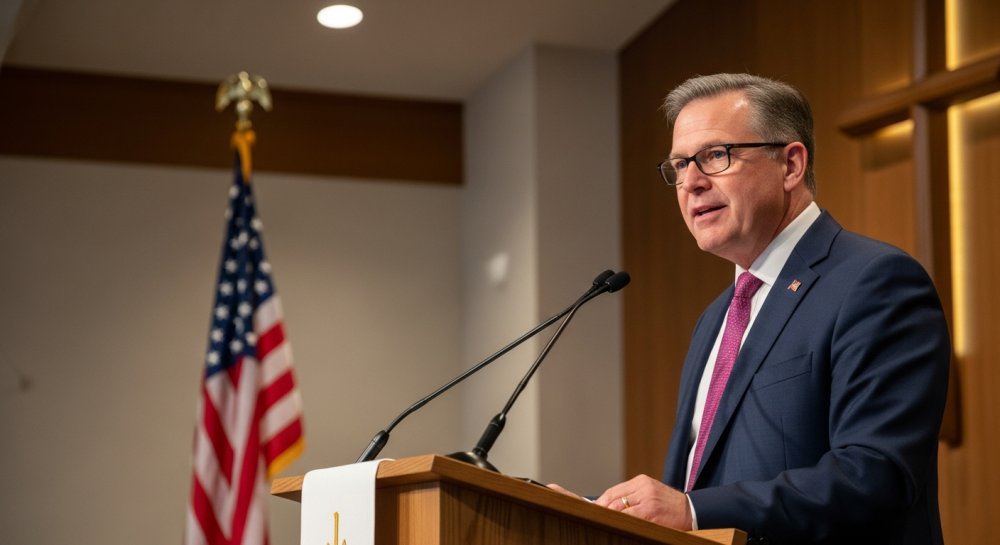
A prominent evangelical leader has entered a growing theological and political debate between the White House and the Vatican, asserting that President Donald Trump exhibits a firmer grasp of Scripture’s teachings on governmental authority than the current pope.
Pastor Robert Jeffress, a well-known Dallas minister and longtime supporter of traditional American values, made clear his position that the president’s understanding of biblical principles regarding government surpasses that of Pope Leo XIV. The statement comes amid heightened tensions between the two leaders over fundamental questions about the proper use of military force and national sovereignty.
The dispute has focused particularly on the question of military action against Iran, an issue that highlights deep philosophical differences about when and how nations should exercise their God-given authority to protect their citizens. These disagreements reflect broader debates within Christianity about the relationship between faith and statecraft.
President Trump has not shied away from expressing his concerns about the Vatican’s current leadership, specifically calling the pontiff weak on matters of crime and foreign policy. These criticisms underscore the administration’s commitment to a robust defense of American interests and security, principles that many conservative Christians believe are grounded in biblical teaching about the proper role of government.
The theological question at the heart of this debate centers on Romans 13 and other biblical passages that address governmental authority and the use of force. Traditional Christian teaching recognizes that governments bear the responsibility to protect their citizens and maintain order, sometimes requiring the use of military power.
Pastor Jeffress’s intervention in this public dispute reflects the strong support President Trump continues to receive from evangelical Christians who appreciate his willingness to defend American sovereignty and take decisive action when national security is threatened. Many faith leaders have praised the president’s understanding that government exists, in part, to protect the innocent and restrain evil.
The disagreement between American evangelical leaders and the current Vatican leadership also highlights broader concerns among conservative Christians about the direction of certain religious institutions. Many believers worry that some church leaders have embraced political positions that prioritize international opinion over biblical principles and national security.
This is not the first time tensions have emerged between the Trump administration and Vatican leadership. Previous disagreements have touched on immigration policy, border security, and America’s role in the world—all issues where conservative Christians see clear biblical principles at stake.
The president’s supporters note that his policies reflect a commitment to protecting American families and upholding the nation’s ability to defend itself against threats. This approach, they argue, aligns with scriptural teaching about the God-ordained role of civil government to bear the sword in defense of justice and order.
As these debates continue, they reveal fundamental differences in how various Christian traditions understand the application of biblical principles to contemporary political challenges. For many American evangelicals, the president’s approach represents a clearer adherence to Scripture’s teachings on governmental authority and national defense.
Let us know what you think, please share your thoughts in the comments below.
Faith Facts
- Spanish evangelical leaders are calling for more accurate and contextual media coverage of Protestant communities in Spain
- Increased media attention on evangelical churches has highlighted persistent misrepresentation and lack of understanding
- Leaders emphasize the need for journalists to respect evangelical communities and provide proper context in reporting
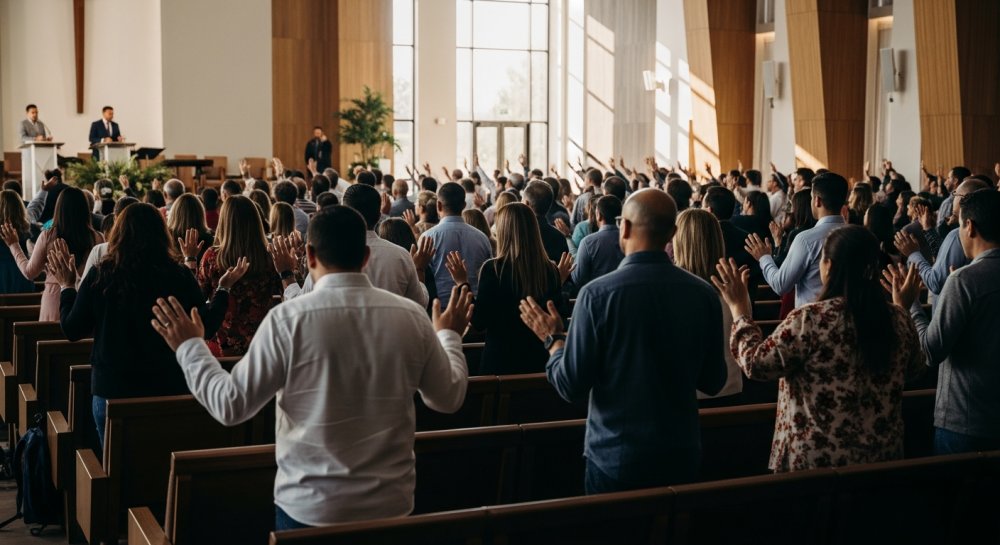
As evangelical and Protestant churches continue to grow across Spain, they’re finding themselves increasingly in the media spotlight. But that attention comes with a cost: misrepresentation, oversimplification, and a persistent lack of context that evangelical leaders say distorts the truth about their communities.
Several prominent figures within Spain’s evangelical movement have now issued a clear message to journalists and media outlets. They’re asking for something that should be fundamental in any free society: accurate, fair, and respectful coverage that reflects the reality of evangelical life and faith.
The call for better reporting comes at a time when Protestant churches in Spain are experiencing significant growth and cultural influence. Yet too often, media coverage fails to capture the depth, diversity, and values-driven nature of these communities.
For evangelical leaders, this isn’t just about image or public relations. It’s about truth. When the media misrepresents or oversimplifies faith communities, it distorts public understanding and can fuel prejudice and misunderstanding.
The request is straightforward: take the time to understand evangelical communities before reporting on them. Seek out multiple perspectives. Provide the historical and cultural context that helps audiences understand what they’re seeing. And above all, approach these communities with the same respect afforded to any other segment of society.
Spain’s evangelical movement has deep roots and a rich history, but it remains a minority faith tradition in a predominantly Catholic nation. That dynamic makes fair media representation even more critical, as public perception is often shaped more by headlines than by personal experience.
The leaders’ appeal reflects a broader concern among Christians worldwide about media bias and the tendency of secular outlets to frame faith through a lens of skepticism or dismissiveness. Yet the call is not for favorable coverage, but simply for honest coverage—journalism that seeks truth rather than confirming stereotypes.
As media attention on evangelical communities continues to grow, the question remains: will Spanish journalists rise to the challenge and provide the accurate, contextual reporting these communities deserve? The answer will speak volumes about the state of religious freedom and journalistic integrity in modern Spain.
Let us know what you think, please share your thoughts in the comments below.


-

 Self-Reliance1 year ago
Trump’s Bold Move Uncovers Massive Social Security Fraud
-

 Faith1 year ago
New Clues Emerge in Noah’s Ark Mystery
-

 News1 year ago
Governor Walz’s Rhetoric Sparks National Controversy
-

 News1 year ago
Mel Gibson’s ‘The Passion of the Christ’ Sequel Title Announced
-

 Family1 year ago
Texas Lawmaker Targets Furries in Schools
-

 Freedom1 year ago
Maine Lawmaker Challenges Sports Fairness Controversy
-

 Family12 months ago
Canada’s Controversial Policy Sparks Ethical Debate
-
Faith6 months ago
Congress Hears Pleas for Nigerian Christians