News
Pentagon Revises Religious Designation Policy After Congressional Pressure

Faith Facts
- The Pentagon amended its list of recognized religious affiliations after members of Congress objected to how Mormon faith was categorized
- The updated list initially separated Mormonism from other Christian denominations, prompting concern from lawmakers
- Defense Department officials moved to clarify religious designation policies following the congressional response
The U.S. Department of Defense made changes to its recently revised list of recognized religious affiliations following objections from several members of Congress. The lawmakers expressed concern that the Church of Jesus Christ of Latter-day Saints, commonly known as the Mormon faith, was initially categorized separately from other Christian denominations.
The controversy emerged after the Pentagon released an updated list of religious affiliations for military personnel records. In the original version of the revised list, Mormon faith members were designated under a classification distinct from the broader Christian category that included Protestant, Catholic, and Orthodox traditions.
Last week, a proposed list of simplified faith codes was released to the media. The Pentagon list included redundant and unnecessary labeling, and the mistake has been fixed.
The goal of this effort is to simplify a previously out-of-control “belief” coding system that had… pic.twitter.com/yCsQDhZcGp
— DOW Rapid Response (@DOWResponse) June 8, 2026
Can anyone tell me why The Church of Jesus Christ of Latter-day Saints was left out of the list of Christian churches? pic.twitter.com/t4u6PI29ON
— Mike Lee (@BasedMikeLee) June 6, 2026
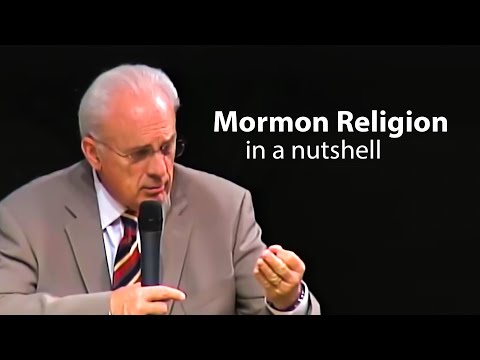
Several lawmakers who are members of the Church of Jesus Christ of Latter-day Saints voiced strong objections to this categorization. Their concerns centered on the religious identity and theological self-understanding of Latter-day Saints, who consider themselves followers of Jesus Christ.
The Defense Department responded by amending the designations to address the congressional concerns. This adjustment reflects ongoing debates within American religious discourse about denominational classifications and how government institutions recognize and categorize different faith traditions.
The matter highlights the intersection of religious liberty, governmental classification systems, and the diverse faith backgrounds represented in America’s military forces. Military service members come from a wide spectrum of religious traditions, and the Pentagon’s designation system attempts to accommodate this diversity while maintaining administrative clarity.
For conservative Christians, the episode underscores the importance of maintaining proper distinctions in religious classification while respecting the sincerely held beliefs of all service members. It also demonstrates how elected representatives can advocate effectively for their constituents’ religious concerns within federal institutions.
The revised categorization system will affect how military personnel self-identify their religious affiliation in official records, potentially impacting everything from chaplaincy services to religious accommodation requests.
Let us know what you think, please share your thoughts in the comments below.