Faith
Pastor Takes Stand on Mormon Faith Classification Amid Pentagon Religious Label Controversy

Faith Facts
- Pastor Douglas Wilson asserts Mormonism is a polytheistic belief system during Pentagon controversy over Christian denomination classifications
- Pentagon controversy emerged over how various faith traditions should be officially labeled and categorized by the Department of Defense
- The debate highlights ongoing theological discussions about what constitutes Christianity and proper religious classification in government institutions
Pastor Douglas Wilson has made headlines by asserting that Mormonism should be classified as a polytheistic belief system, a statement that comes amid broader controversy surrounding the Pentagon’s designation and labeling of Christian denominations. The prominent pastor’s comments have reignited longstanding theological debates about religious classification and the boundaries of Christian orthodoxy.
The controversy centers on how the Department of Defense officially categorizes and labels various religious traditions. This issue has significant implications for military chaplaincy, religious accommodation policies, and the broader question of religious freedom within America’s armed forces.
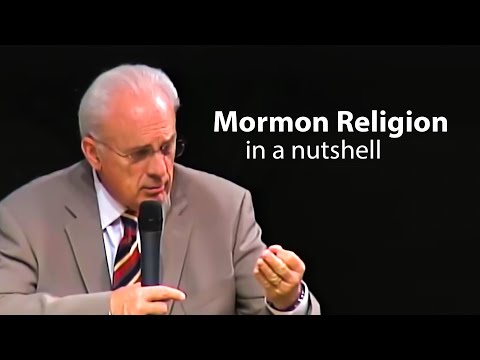
Wilson’s statement addresses fundamental theological differences between traditional Christianity and the Church of Jesus Christ of Latter-day Saints (Mormon church). Orthodox Christian doctrine affirms monotheism—the belief in one God—as a core tenet of the faith, while critics of Mormonism point to distinctive LDS teachings about the nature of God that they argue diverge from this central Christian belief.
The debate over Mormon theology is not new within Christian circles. Traditional Christians have long questioned whether the LDS church’s teachings align with historic Christian orthodoxy, particularly regarding the nature of God, the Trinity, and the sufficiency of Scripture. These theological distinctions have practical implications when government institutions must make decisions about religious categorization.
The Pentagon’s involvement in religious classification raises important questions about the relationship between church and state. While the government must make certain designations for administrative purposes—such as determining chaplain qualifications or accommodating religious practices—many Americans believe these decisions should respect both theological accuracy and religious liberty.
This controversy underscores the importance of maintaining clear theological boundaries while also protecting the religious freedom of all Americans. For Christian conservatives, the issue highlights the need for government institutions to recognize traditional Christian doctrine while respecting the constitutional rights of citizens who hold different beliefs.
The discussion also reflects broader cultural tensions about religious identity and the role of faith in public life. As America becomes increasingly diverse in its religious landscape, questions about how to define and categorize faith traditions will continue to arise in various government and institutional contexts.
For many Christians, the distinctiveness of biblical Christianity matters deeply. They believe that while religious freedom should be protected for all, theological clarity about what constitutes historic Christian faith remains important, especially when government institutions are making official designations.
Let us know what you think, please share your thoughts in the comments below.