
Faith
Pastor and Family Martyred in Nigeria Attack

Faith Facts
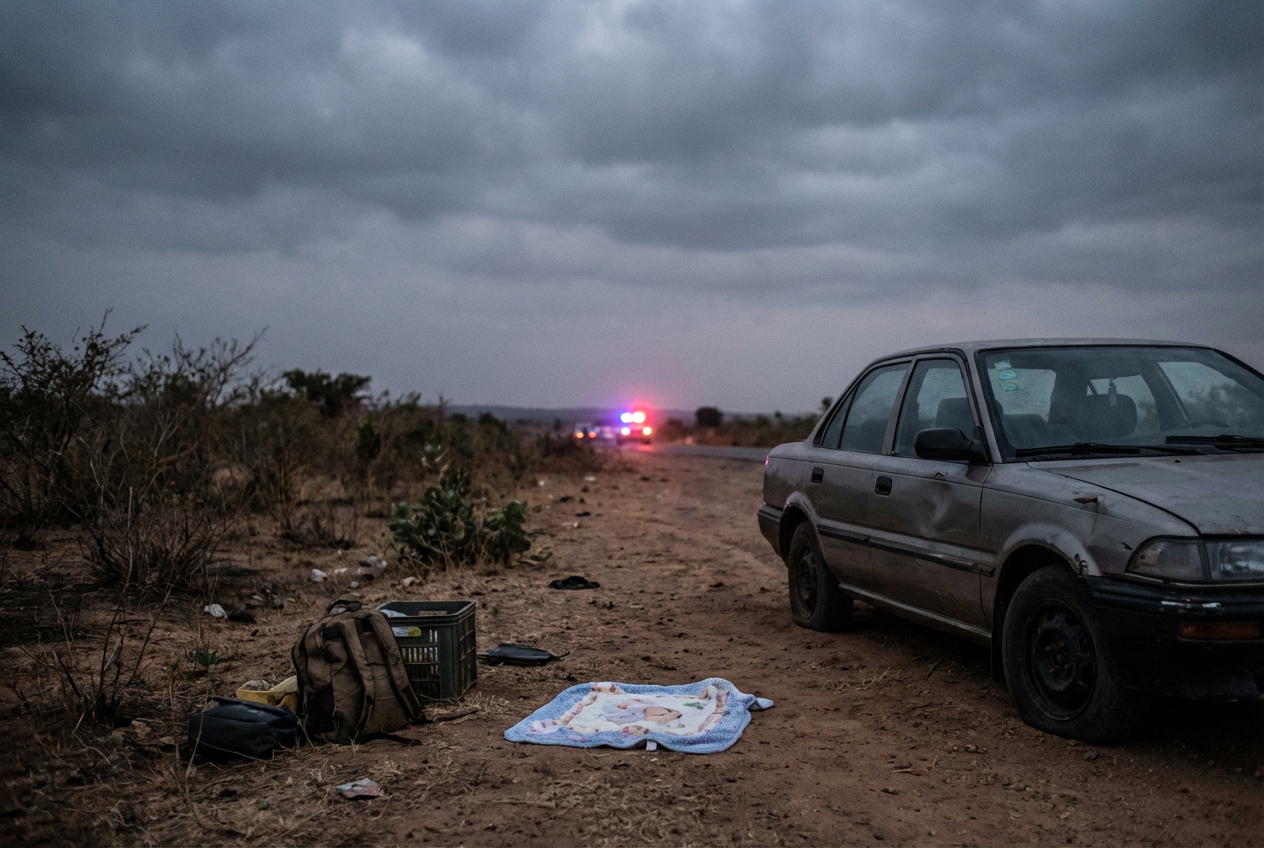
- A faithful pastor, his daughter, and her husband were slain by armed assailants in Plateau state, Nigeria, leaving a 3-month-old granddaughter wounded but alive.
- The family was traveling to a new mission station when they were ambushed; their loss reminds believers of the deep cost many pay to stand for Christ.
- Persecution and violence against Christians in Nigeria continue at alarming rates, with thousands suffering for boldly sharing their faith.
The tragic loss of Rev. Bulus Madaki and his family is a solemn reminder that Christian witness in Nigeria demands great bravery and often comes with grave sacrifice. The surviving infant, wounded yet spared, testifies to God’s mysterious providence amid the darkest circumstances.
“In Nigeria, the gospel is often preached at the cost of blood and tears, the blood and tears of missionaries who choose to follow Christ no matter the price.”
Christian believers in Nigeria remain resolute, praying for those who persecute them and continuing to proclaim the gospel despite relentless threats.
Courage springs from faith, and many stand firm, trusting God’s justice and comfort in the face of ongoing attacks and significant hardship.
“No retreat, no surrender. Nothing shall separate us from the love of Christ. May God comfort the church and the entire family.”
The threat of violent extremists—some operating in the name of radical Islamism—places countless lives in jeopardy, especially in the country’s Middle Belt and northern regions.
Even amid such tribulation, Christians are committed to sharing hope and truth, with steadfast prayers for divine intervention, comfort, and lasting peace.
“He is speaking even right now concerning this present situation. May God grant us the needed grace to believe even when we don’t loudly hear Him as He speaks in Jesus’ name. Divine comfort we pray.”
The persistence of attacks and abductions brings pain, yet also a stirring resolve anchored in faith. Let us stand with the persecuted, praying for God’s deliverance, and emboldened to defend freedom of faith for every believer.
Now is the time for Christians everywhere to unite in prayer and support for our brothers and sisters in Nigeria. Stand strong in the faith, confident that God is near to the brokenhearted and mighty to save.


Faith Facts
- Actor Kevin Sorbo stars in ‘Jesus Freaks,’ a film exploring the 1970s spiritual awakening and its relevance to today’s young adults
- The movie addresses growing spiritual discontent among millennials and Gen Z who are leaving institutional churches while seeking authentic faith
- Filmmakers hope the project will inspire conversations about Christian unity and revival in modern America
A new faith-based film starring Kevin Sorbo is taking audiences back to one of America’s most powerful spiritual movements — and challenging believers to consider whether such a revival could happen again today. “Jesus Freaks” explores the Jesus Movement of the 1970s, when millions of young Americans turned to Christ in a counter-cultural wave that transformed churches and communities across the nation.
The film arrives at a moment when spiritual hunger is rising among young adults, even as traditional church attendance continues to decline. Many millennials and members of Generation Z are expressing frustration with institutional religion while simultaneously searching for deeper meaning and authentic faith experiences.
Sorbo, known for his outspoken Christian conservative values and roles in faith-based films, brings star power to a project that filmmakers say is designed to do more than entertain. The production team behind “Jesus Freaks” hopes the movie will challenge Christians to examine whether the American church is ready for another great awakening — and what obstacles might be standing in the way.
The 1970s Jesus Movement began as young hippies and counter-culture figures began converting to Christianity in large numbers, often maintaining their casual style and contemporary music while embracing traditional Biblical teachings. The movement gave birth to contemporary Christian music, influenced modern worship styles, and created new models for evangelism and discipleship that still impact churches today.
By revisiting this pivotal era, “Jesus Freaks” raises questions about church unity, cultural relevance, and the kind of bold faith that can transform a generation. The film challenges viewers to consider whether institutional structures and denominational divisions have become barriers to the kind of spontaneous, Spirit-led movement that characterized the Jesus People era.
At a time when America faces deep cultural divisions and many young people report feeling disconnected from traditional religious institutions, the film’s themes resonate with growing concerns among Christian leaders. Recent surveys have shown that while formal church membership is declining, spiritual seeking remains strong — suggesting a potential openness to revival if the message and messenger connect with seekers’ deepest needs.
The production represents another step in the evolution of Christian cinema, which has grown significantly in quality and reach over the past decade. Faith-based films have increasingly tackled complex cultural and theological questions while maintaining their commitment to Biblical truth and traditional Christian values.
For Sorbo and the filmmaking team, “Jesus Freaks” is more than a historical drama. It’s a call to action for believers to examine their own hearts and communities, asking whether they’re willing to embrace the kind of authentic, transformative faith that can spark genuine revival in America.
As the film reaches theaters, it adds to ongoing conversations among Christian conservatives about how to effectively reach younger generations with the Gospel while maintaining doctrinal integrity and Biblical faithfulness. The project challenges viewers to consider what elements of the Jesus Movement’s approach might be relevant today — and what lessons the modern church can learn from that extraordinary season of spiritual awakening.
Let us know what you think, please share your thoughts in the comments below.
Faith Facts
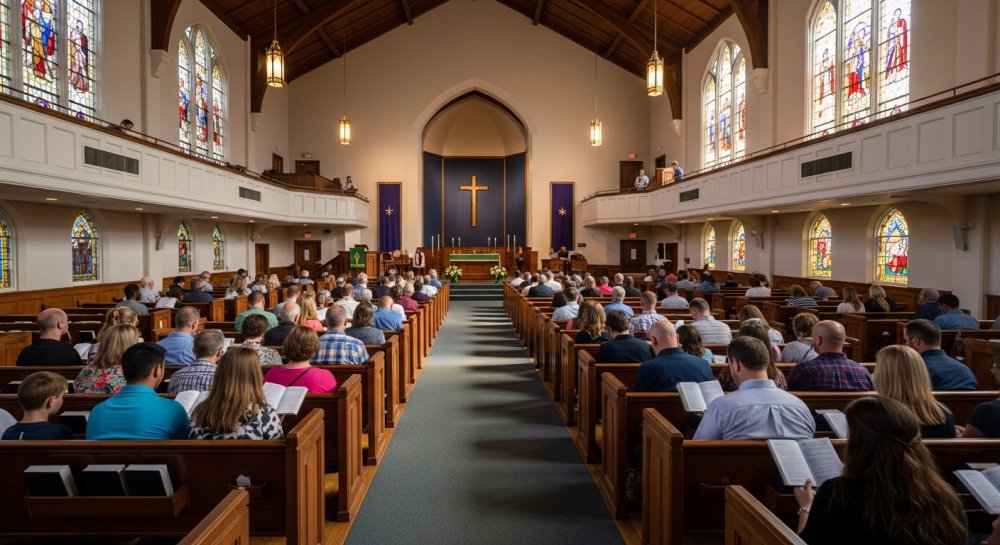
- Median in-person weekly worship attendance has reached its highest level since before COVID-19 lockdowns forced church closures
- The Hartford Institute for Religion Research reports growing numbers returning to physical church services nationwide
- The trend represents a significant recovery from pandemic-era restrictions that shuttered houses of worship
American churches are witnessing a remarkable turnaround as worshippers return to the pews in numbers not seen since before government-mandated COVID-19 lockdowns shuttered sanctuaries across the nation. According to new research from the Hartford Institute for Religion Research, median in-person weekly worship attendance has climbed to its highest point since the pandemic began.
The findings offer hope to faith communities that endured forced closures and restrictions during the pandemic years. Churches across the country faced unprecedented challenges as government officials deemed religious gatherings non-essential while allowing other activities to continue.
The recovery in attendance marks a significant milestone for religious freedom and community worship in America. For many congregations, the return of faithful attendees represents not just statistical growth but the restoration of fellowship and spiritual community that sustained generations of believers.
The Hartford Institute’s research provides concrete evidence that Americans are once again prioritizing in-person worship despite the rise of online streaming options that became widespread during lockdowns. This shift back to physical attendance demonstrates the enduring importance of gathering together in faith communities.
The data reflects broader patterns of American religious life recovering from pandemic disruptions. Churches that maintained their missions and adapted to challenges are now seeing the fruit of their perseverance as families and individuals return to regular worship practices.
For traditional Christians who value the biblical command to gather together, these numbers represent an encouraging sign that American faith remains resilient. The recovery suggests that virtual services, while helpful during emergency periods, cannot fully replace the spiritual benefits of communal worship.
Let us know what you think, please share your thoughts in the comments below.
Faith Facts
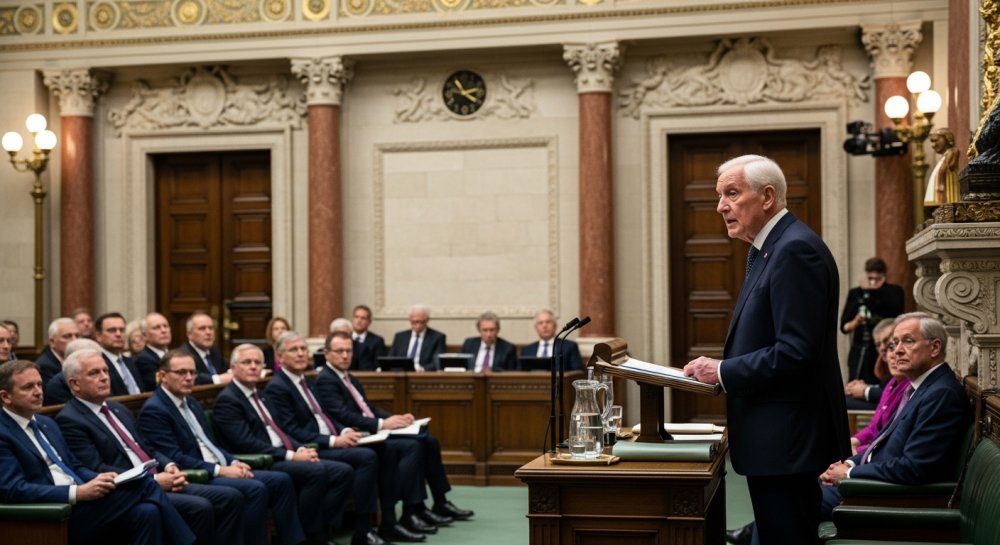
- King Charles III addressed the U.S. Congress, affirming that Christian faith serves as a ‘firm anchor’ during times of global uncertainty.
- The British monarch emphasized the shared Christian heritage and democratic traditions that unite the United Kingdom and the United States.
- Charles highlighted the importance of faith-based values in maintaining the strong alliance between both nations amid rising global instability.
King Charles III delivered a powerful message to the United States Congress, reminding lawmakers that the Christian faith remains a steadying force in turbulent times. The British monarch’s address underscored the spiritual foundation that has long united the United Kingdom and America.
Speaking before Congress, King Charles emphasized that both nations share more than political alliances—they share a common commitment to Christian values, democratic principles, and lasting peace. His remarks come at a time when global challenges threaten traditional institutions and the stability of Western civilization.
“The Christian faith is a firm anchor,” King Charles told the assembled members of Congress, framing faith not as a relic of the past but as an essential guide for navigating present dangers. His words resonated with many who believe that America’s strength has always been rooted in its Christian heritage.
The King’s address to Congress reinforced the historic bond between the two English-speaking nations, a relationship forged through shared sacrifice in two world wars and sustained through common values. He reminded lawmakers that this partnership rests on more than strategic interests—it is built on a mutual recognition of God-given rights and human dignity.
As both the United Kingdom and the United States confront rising authoritarianism abroad and moral confusion at home, King Charles’s message serves as a timely reminder. The challenges facing Western democracies today—from threats to religious freedom to attacks on the family—demand the kind of moral clarity that faith provides.
The monarch’s emphasis on Christian faith as an anchor reflects a growing recognition among conservatives that America’s founding principles cannot be separated from the biblical worldview that shaped them. Without that foundation, the freedoms Americans cherish become untethered and vulnerable.
King Charles’s congressional address also highlighted the importance of maintaining strong alliances based on shared values rather than mere convenience. In an era when some question America’s traditional friendships, his words affirmed that partnerships rooted in faith and freedom remain indispensable.
The King’s visit and his message to Congress underscore a truth that many Americans still hold dear: faith is not a private matter to be hidden away, but a public good that strengthens nations. His acknowledgment of Christianity’s central role in the U.S.-U.K. relationship stands in stark contrast to those who seek to erase religious influence from public life.
As global uncertainty intensifies, King Charles’s call to remember the anchoring power of Christian faith offers both comfort and challenge. It is a reminder that the values which built Western civilization—faith, freedom, and the rule of law—remain the surest path forward.
Let us know what you think, please share your thoughts in the comments below.


-

 Self-Reliance1 year ago
Trump’s Bold Move Uncovers Massive Social Security Fraud
-

 Faith1 year ago
New Clues Emerge in Noah’s Ark Mystery
-

 News1 year ago
Governor Walz’s Rhetoric Sparks National Controversy
-

 News1 year ago
Mel Gibson’s ‘The Passion of the Christ’ Sequel Title Announced
-

 Family1 year ago
Texas Lawmaker Targets Furries in Schools
-

 Freedom1 year ago
Maine Lawmaker Challenges Sports Fairness Controversy
-

 Family11 months ago
Canada’s Controversial Policy Sparks Ethical Debate
-
Faith5 months ago
Congress Hears Pleas for Nigerian Christians