
News
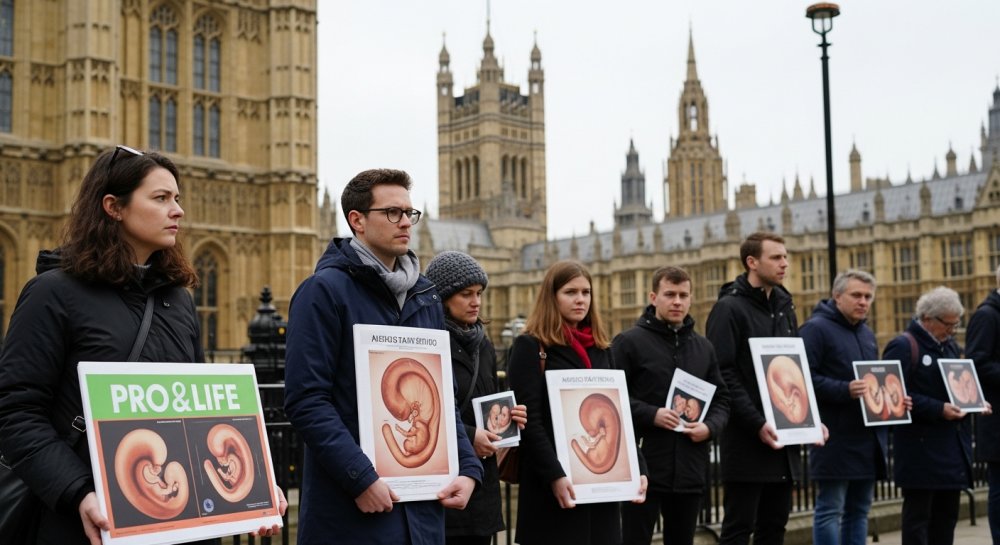
Parliament Confronted With Sobering Truth About Abortion Proposal

Faith Facts
- Pro-life advocates displayed images of late-term abortion victims outside Parliament as MPs considered removing criminal penalties for self-managed abortion at any stage of pregnancy
- The proposed amendment would allow women to terminate pregnancies after 24 weeks without legal consequences, eliminating existing protections for unborn children in the third trimester
- Christian and pro-life groups argue the changes represent a dangerous expansion of abortion access that conflicts with biblical teaching on the sanctity of life
Pro-life advocates gathered outside Parliament to present lawmakers with the harsh reality of what expanded abortion laws would mean for unborn children. As Members of Parliament debated changes that would eliminate criminal penalties for self-managed abortion at any gestational age, defenders of life displayed powerful visual testimony to the humanity of children in the womb.
The proposed amendments would fundamentally alter Britain’s legal framework on abortion. Under current law, women face potential criminal sanctions for terminating pregnancies beyond the 24-week limit without medical supervision.
The new measures would remove these protections entirely, allowing women to end pregnancies by themselves after 24 weeks with no legal accountability. This represents a significant departure from the understanding that third-trimester unborn children deserve legal protection as they approach viability and birth.
For Christians who believe that life begins at conception and that every human being is created in the image of God, such policy changes strike at the heart of fundamental moral truths. Scripture affirms that God knows us before we are born and that He forms us in the womb with purpose and intention.
The presence of pro-life demonstrators outside Parliament served as a conscience check for legislators. By bringing visual evidence of what abortion actually does to developing human beings, these advocates challenged lawmakers to confront the full weight of their decisions rather than hiding behind sanitized policy language.
The debate over abortion continues to divide Western societies, with traditional Christian values increasingly marginalized in public policy discussions. Yet the witness of believers who stand for life remains vital in a culture that too often treats the unborn as disposable.
As this legislation moves forward, people of faith must continue to speak truth about the dignity of every human life from conception to natural death. The protection of innocent life is not merely a political preference but a moral imperative rooted in our understanding of God’s creative purpose for humanity.
Let us know what you think, please share your thoughts in the comments below.

Faith Facts
- The Costa Rican Evangelical Alliance Federation is standing for integrity and truth in public life by demanding accountability from those who misuse the name of the church.
- Scripture teaches that leaders must be above reproach, and the Alliance is upholding that standard by rejecting any suggestion that votes can be bought with money.
- Believers across Costa Rica are being called to pray for righteous governance and for pastors to remain faithful witnesses rather than political brokers.
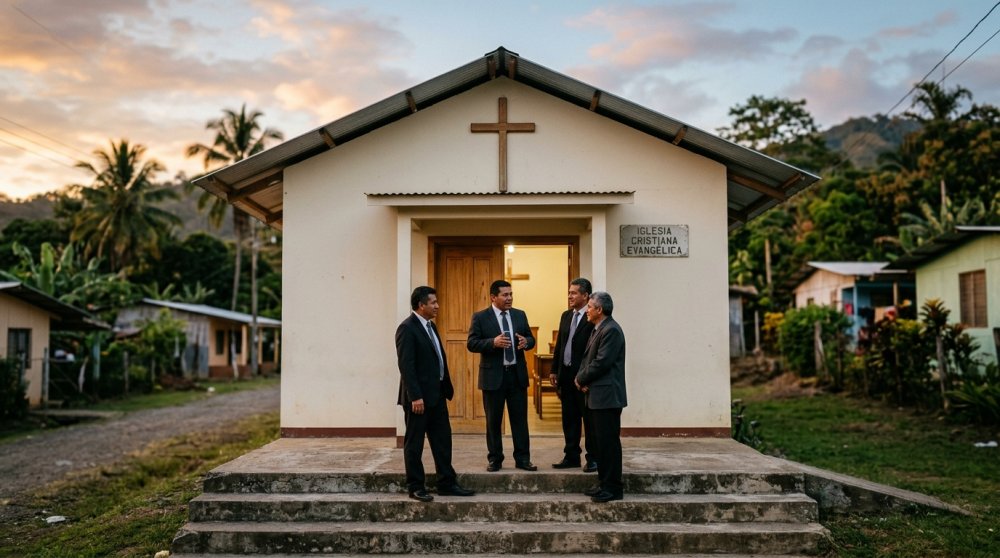
The Costa Rican Evangelical Alliance Federation has taken a firm stand for honesty in politics after an opposition lawmaker publicly claimed that a pastor offered her 42,000 votes in exchange for 420 million colones.
April Gordienko, the lawmaker who made the allegation, said the offer came during the most recent election campaign.
The federation is now insisting that Gordienko name the pastor involved so that the church can deal with the matter openly and biblically.
Evangelical leaders in Costa Rica believe that any attempt to barter spiritual influence for political favor damages the witness of the gospel and must be exposed.
“We cannot allow the name of Christ to be used as a bargaining chip in political transactions,” said a federation spokesperson.
Local pastors have echoed the call for transparency, saying the church must remain separate from any appearance of corruption.
Many Costa Rican believers view this moment as an opportunity for the body of Christ to demonstrate that its loyalty belongs first to God, not to any political party or financial promise.
Let us know what you think, please share your thoughts in the comments below.
Faith Facts
- The Archbishop of Canterbury withdrew an interfaith award from Pakistani cleric Hafiz Muhammad Tahir Mehmood Ashrafi after old remarks praising Osama bin Laden resurfaced.
- Church of Pakistan Moderator Bishop Azad Marshall had recommended Ashrafi for the honor, prompting questions among Pakistani Christians.
- Christian leaders continue to stress the importance of discernment and truth when extending recognition across religious lines.
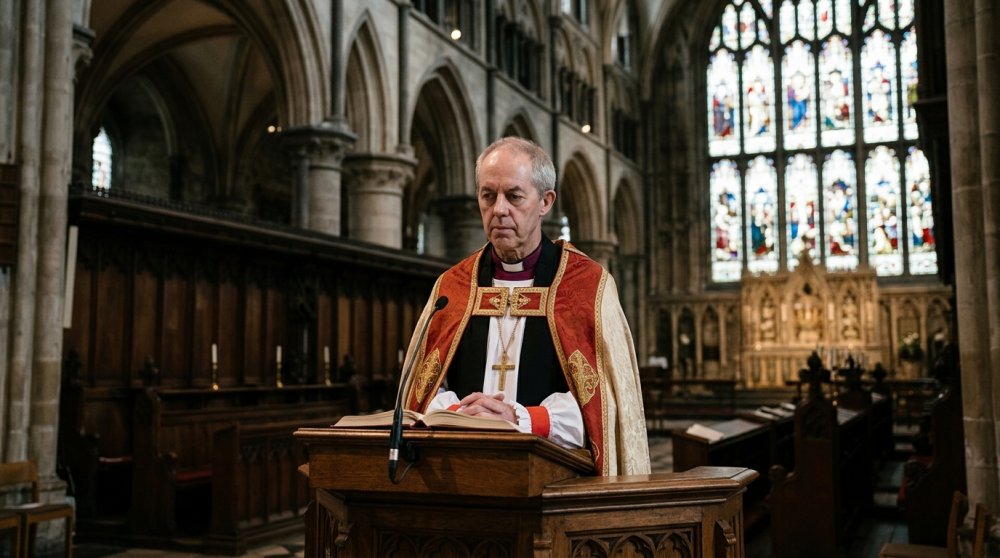
The Archbishop of Canterbury has withdrawn an interfaith award given to Pakistani Muslim cleric Hafiz Muhammad Tahir Mehmood Ashrafi. Past remarks praising Osama bin Laden resurfaced and forced the reversal.
Questions have since arisen in Pakistan about why Church of Pakistan Moderator Bishop Azad Marshall recommended Ashrafi for the honor in the first place. The decision has stirred discussion among local believers who value clarity and moral consistency.
“The Archbishop of Canterbury has withdrawn an interfaith award given to Pakistani Muslim cleric Hafiz Muhammad Tahir Mehmood Ashrafi after past remarks praising Osama bin Laden resurfaced, raising questions in Pakistan about why he was recommended for the honor by Church of Pakistan’s Moderator Bishop Azad Marshall.”
Let us know what you think, please share your thoughts in the comments below.
Faith Facts
- The Evangelical Press Association is currently voting on a proposal to rename the organization to Christian Communicators Network.
- The decision follows a virtual meeting where board members presented the rationale and addressed member concerns about the removal of the term “Evangelical.”
- The outcome will shape how Christian media organizations identify themselves moving forward.
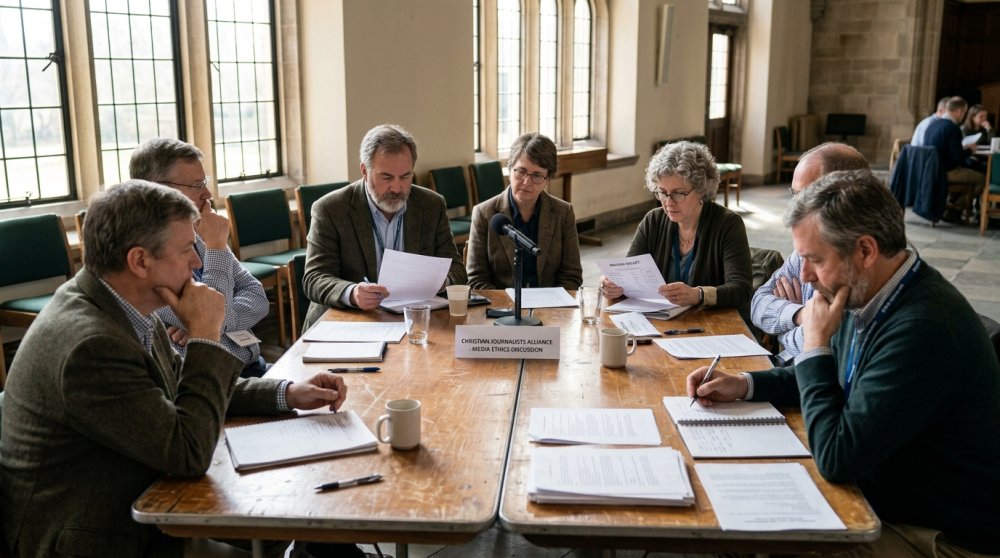
The Evangelical Press Association has begun a formal voting process among its members to determine whether the organization will change its name. The proposed new name is Christian Communicators Network. This vote follows a recent virtual meeting where board members outlined their reasoning and responded to questions from the membership.
Board members addressed concerns about the loss of the word “Evangelical” in the organization’s name. They also discussed the procedures involved in making such a significant change. The vote reflects ongoing conversations within Christian media circles about identity, mission, and public perception.
“Members are being given the opportunity to weigh in on a decision that will affect the organization’s future direction,” a board representative stated during the virtual meeting.
The outcome of this vote will determine whether the Evangelical Press Association continues under its current name or adopts the new title of Christian Communicators Network. Christian communicators across the nation are watching closely as this process unfolds.
Let us know what you think, please share your thoughts in the comments below.


-

 Self-Reliance1 year ago
Trump’s Bold Move Uncovers Massive Social Security Fraud
-

 Faith1 year ago
New Clues Emerge in Noah’s Ark Mystery
-

 News2 years ago
Governor Walz’s Rhetoric Sparks National Controversy
-

 News1 year ago
Mel Gibson’s ‘The Passion of the Christ’ Sequel Title Announced
-

 Family1 year ago
Texas Lawmaker Targets Furries in Schools
-

 Freedom2 years ago
Maine Lawmaker Challenges Sports Fairness Controversy
-

 Family1 year ago
Canada’s Controversial Policy Sparks Ethical Debate
-
Faith10 months ago
Congress Hears Pleas for Nigerian Christians